
The first time deer found my elderberry bushes, I honestly didn’t realize what had happened.
One evening everything looked healthy.
Fresh green leaves.
New shoots.
Flower buds just beginning to form.
The next morning it looked like someone had walked through the garden with a pair of hedge trimmers.
Tender shoots were missing.
Several leaves had been chewed completely off.
A few branches looked like they’d been snapped in half.
At first I blamed rabbits.
Then I noticed the tracks.
Deer.
From that day forward I realized something every gardener in deer country eventually learns.
Once deer decide your elderberry bushes are part of their dinner menu, they usually come back.
The good news is that you don’t have to let them.

Do Deer Really Eat Elderberry Bushes?
Unfortunately, yes.
Young elderberry bushes are especially attractive because they produce soft, tender growth that’s easy for deer to browse.
I’ve seen deer feed on:
- New spring shoots.
- Young leaves.
- Flower clusters.
- Tender stems.
- Occasionally developing berries.
If food is scarce, they’ll often return night after night until there’s very little fresh growth left. Browsing pressure varies by location, but deer are well known for feeding on elderberry foliage and young stems.
Why I Don’t Wait Until Deer Become A Problem
One mistake I made early on was reacting instead of preventing.
I’d wait until I noticed damage.
Then I’d start looking for solutions.
By then, the deer had already learned there was an easy meal waiting for them.
Now I take the opposite approach.
If I know deer regularly travel through the area, I put protection in place before they begin browsing.
Preventing damage is much easier than convincing deer to stop visiting after they’ve already found your bushes.



Why Homemade Deer Deterrents Didn’t Work For Me
Like many gardeners, I tried several homemade ideas.
Bars of soap.
Human hair.
Strong-smelling herbs.
Noise makers.
Reflective objects.
Some seemed to help briefly.
Most stopped working after a short time.
Hungry deer adapt quickly.
That’s why I eventually stopped experimenting with gimmicks and started looking for a solution that was designed specifically to keep deer away over an extended period. A comparison of deer repellent for plants can help clarify which approaches are worth considering for a garden.
The Deer Repellent I Recommend
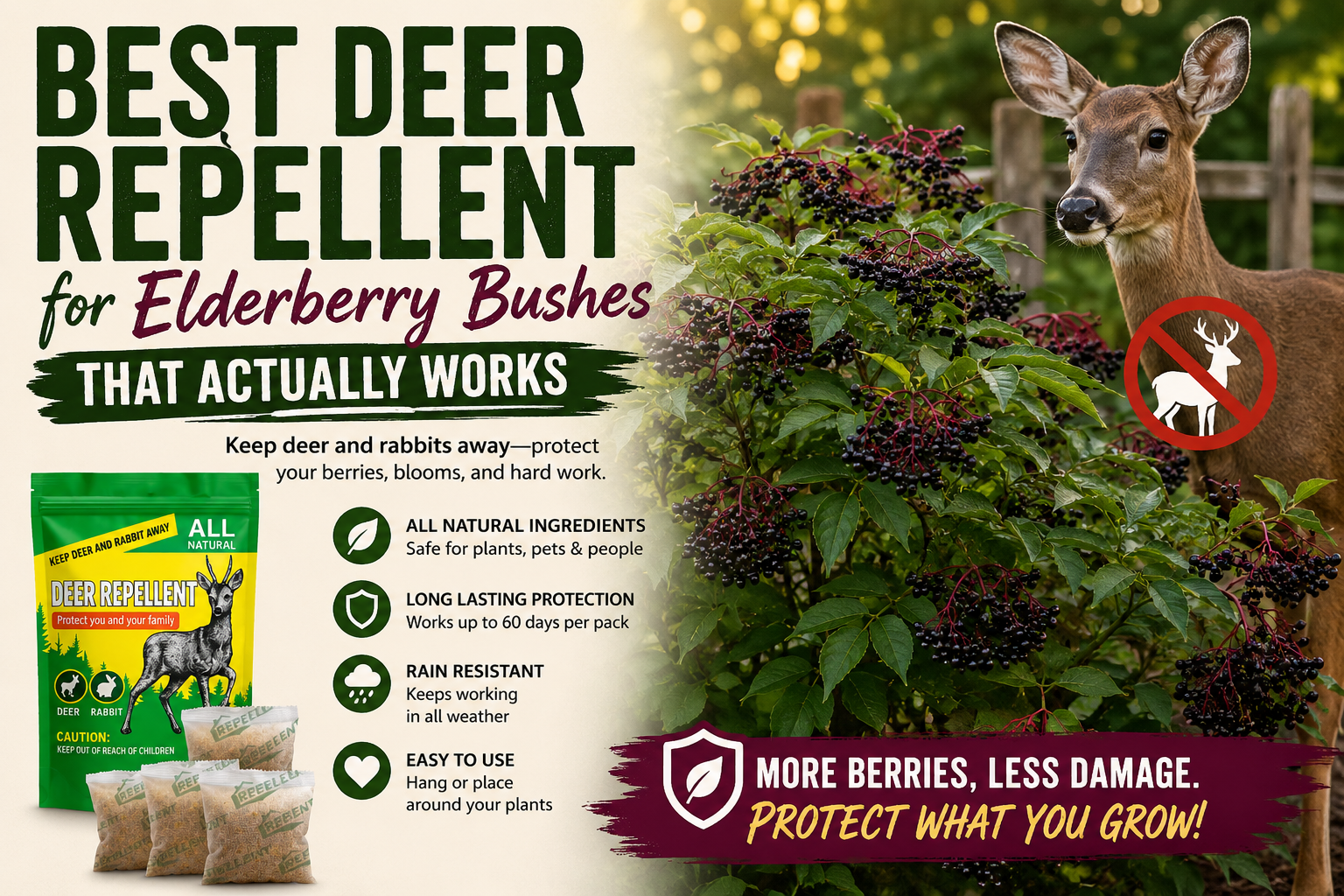
After trying several approaches, one product I’ve been impressed with is the LAQDECDV Deer & Rabbit Repellent .
Rather than spraying every plant over and over, these scent-based pouches are designed to be hung or placed around the areas deer visit most often. The plant-based formula creates a scent barrier that encourages deer and rabbits to avoid your garden, and each pouch is intended to provide weeks of protection with very little maintenance.
One thing I really appreciate is how simple it is to use.
Instead of spraying every leaf after every rainstorm, I can place the pouches around my elderberry planting and let them quietly do their job.
For anyone growing several elderberry bushes, that saves a surprising amount of time while helping protect all the new growth you’ve worked so hard to produce.

Repellent Works Even Better Before Deer Become Regular Visitors
One thing I’ve learned is that it’s much easier to discourage deer than it is to convince them to leave.
Once deer discover a reliable food source, they’ll often continue checking that location throughout the growing season.
That’s why I like putting repellents in place before I notice significant browsing damage.
Protecting young growth early usually saves far more leaves and stems than waiting until the bushes have already been chewed back.
Preventing damage is almost always easier than recovering from it.
Why Young Elderberry Bushes Need The Most Protection
One thing I’ve noticed over the years is that mature elderberry bushes usually recover from deer browsing much better than young plants.
A newly planted elderberry has a limited number of canes and leaves.
If a deer removes half of that new growth overnight, the bush has to spend valuable energy replacing it instead of building a stronger root system.
That’s why I’m especially careful during the first two or three growing seasons.
Once the bushes become larger and more established, an occasional nibble isn’t nearly as devastating.

Deer Always Seem To Find The Freshest Growth
It’s almost impressive.
Deer rarely choose the oldest, toughest branches.
Instead, they head straight for the soft new shoots.
Unfortunately, those tender shoots are exactly what I want the plant to keep because they’re helping build the future shape of the bush.
Losing that fresh growth can delay flowering, reduce berry production, and slow the overall development of the plant.
Protecting those young shoots early in the season usually pays off later when harvest time arrives.
The Best Time To Put Repellent Out
Don’t wait until you see bite marks.
By then, the deer already know your elderberries are there.
I usually place deer repellent around my bushes just as new spring growth begins.
That way the deer encounter the scent before they ever decide my planting is worth investigating.
In my experience, preventing the first visit is much easier than convincing deer to stop returning after they’ve already found a reliable food source.
Don’t Forget Rabbits
One thing I like about the LAQDECDV Deer & Rabbit Repellent is that it isn’t just intended for deer.
Rabbits can also cause surprising damage, especially to younger elderberry bushes.
I’ve seen rabbits clip off tender shoots close to the ground, and while an established bush usually recovers, young plants can lose a significant amount of growth.
Having one product that helps discourage both animals makes protecting a backyard planting much simpler.
Deer Repellent Works Best With Other Good Habits
No deer repellent should be viewed as magic.
I think of it as one important part of an overall strategy.
Healthy elderberries recover from stress much better than weak ones.
That’s why I also focus on:
- Proper watering.
- Annual pruning.
- Good soil.
- Plenty of sunlight.
- Proper spacing.
The healthier the bush becomes, the faster it rebounds from occasional wildlife damage and the more berries it usually produces.
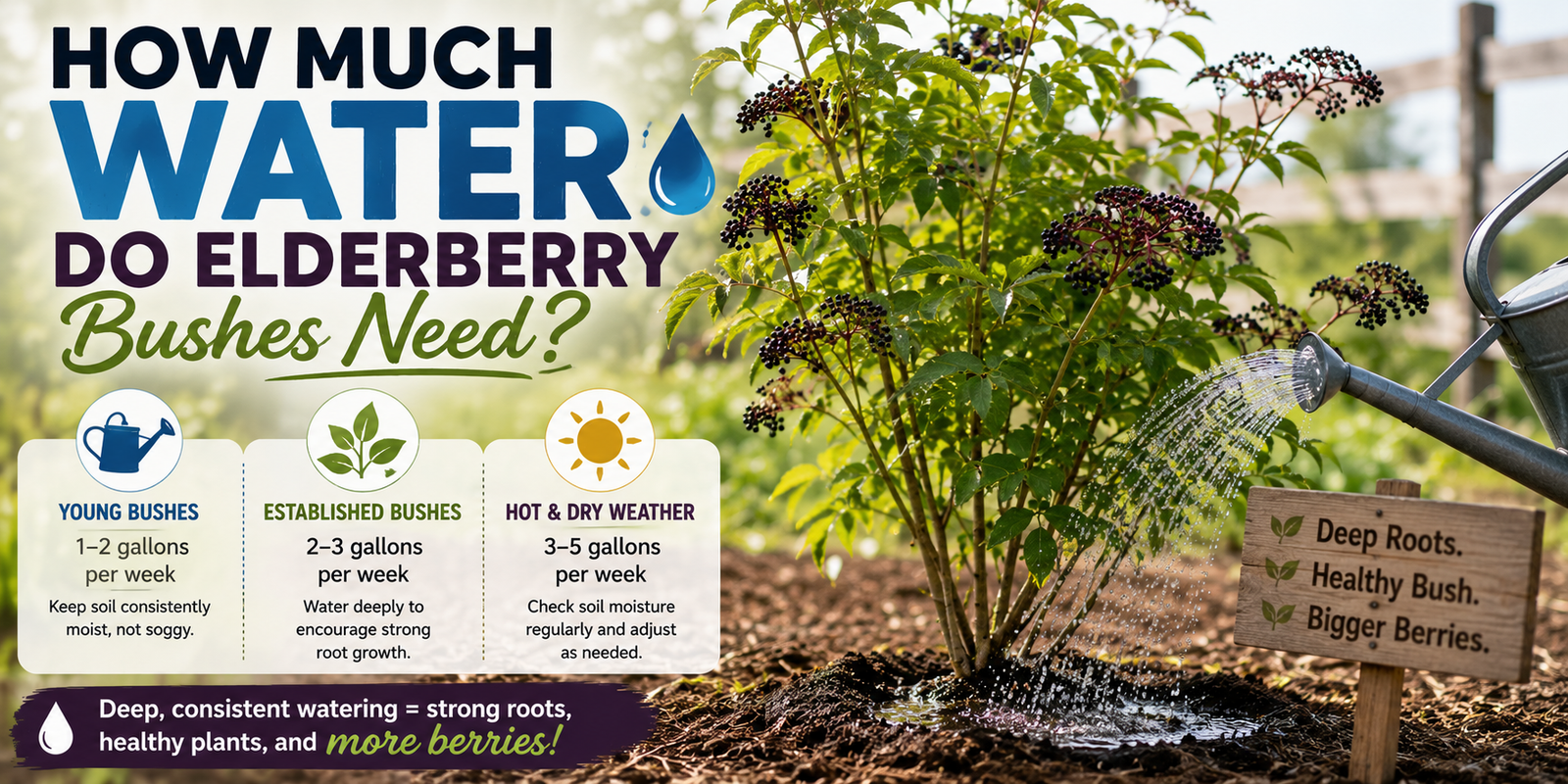
If your bushes seem stressed even before deer become an issue, How Much Water Do Elderberry Bushes Need? is one of the first articles I’d recommend reading because watering problems often affect overall plant health.
Healthy Bushes Usually Produce More Than Wildlife Can Eat
One lesson I’ve learned is that the goal isn’t necessarily keeping every deer away forever.
The goal is growing enough healthy elderberries that your family still enjoys an excellent harvest.
Healthy bushes growing in full sun with proper care often produce impressive crops.
If your plants aren’t producing the way you’d hoped, Why Isn’t My Elderberry Bush Producing Berries? walks through many of the most common reasons and how to correct them.
I Still Check My Bushes Every Week
Even with repellent in place, I don’t ignore my elderberries.
Every few days I like walking through the planting.
I’m looking for:
- Fresh deer tracks.
- Chewed leaves.
- Broken branches.
- Healthy new growth.
- Flower development.
Those quick inspections only take a few minutes, but they’ve helped me catch small problems before they become large ones.
The sooner I notice something unusual, the easier it usually is to fix.
Questions I Get About Deer And Elderberry Bushes
Once people discover deer are eating their elderberries, the questions start coming quickly. These are the ones I hear most often.
Will Deer Kill An Elderberry Bush?
Usually not.
Healthy, established elderberry bushes are surprisingly resilient.
Even if deer browse the leaves and new shoots, most mature bushes will send out fresh growth once the browsing stops.
Young bushes are much more vulnerable because they haven’t developed a strong root system yet.
That’s why I always recommend protecting newly planted elderberries as soon as they go into the ground.
Do Deer Eat The Berries Too?
Sometimes they do, but in my experience they’re much more interested in the tender leaves, shoots, and flower clusters.
Birds usually cause far more damage to the ripe berries themselves than deer.
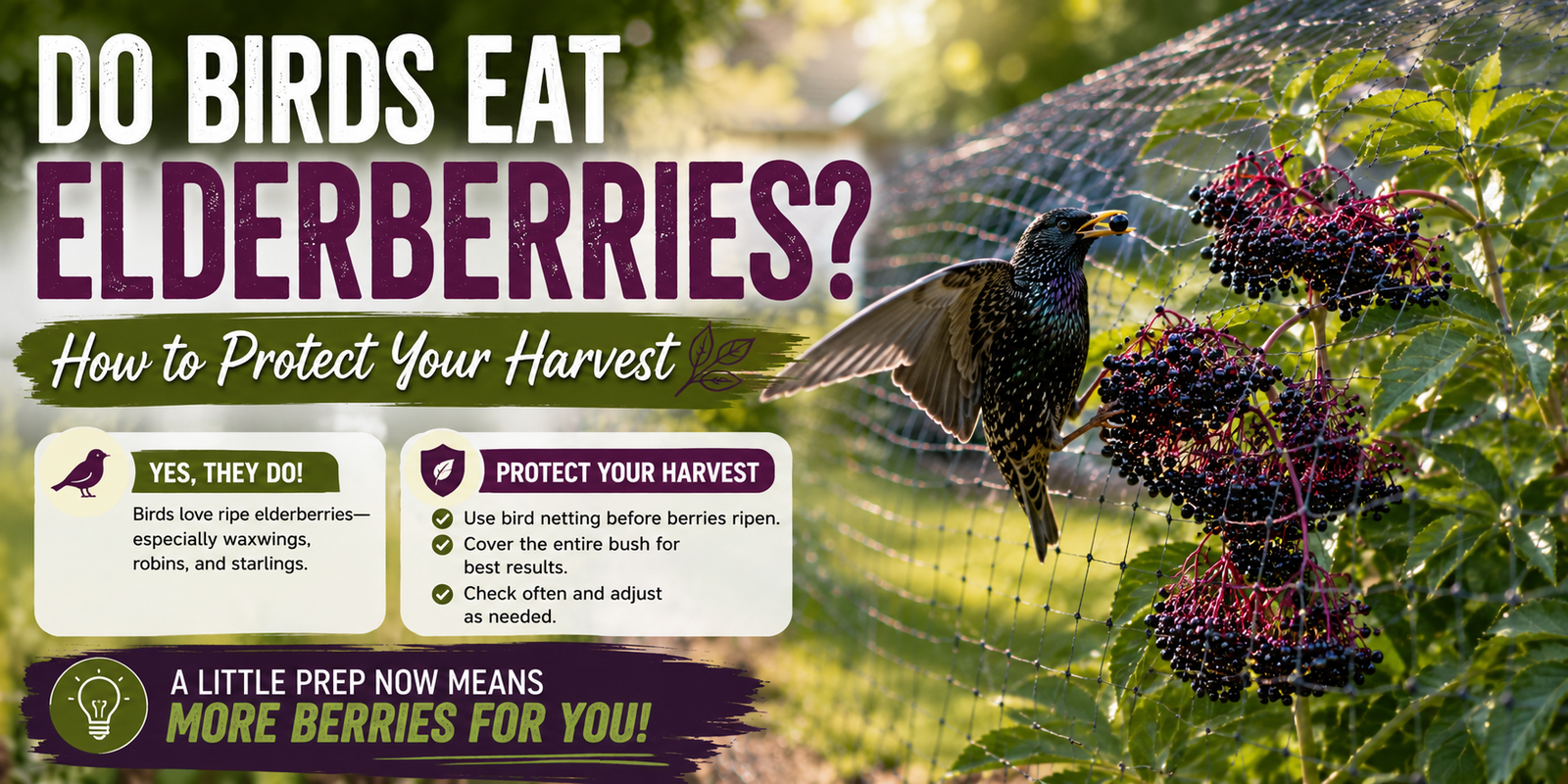
If you’re seeing berries disappear as harvest approaches, I’d also recommend reading Do Birds Eat Elderberries? How to Protect Your Harvest because birds become one of the biggest pests once the fruit begins ripening.
How Often Should I Replace The Repellent?
That depends on the product and the weather.
Heavy rain, strong winds, and long periods outdoors will eventually reduce the effectiveness of any scent-based repellent.
I always follow the manufacturer’s recommendations for replacement intervals and check the repellent regularly during periods of heavy deer activity.
Keeping fresh protection around the bushes has given me much better results than waiting until damage starts again.
Can I Use Deer Repellent Around Vegetable Gardens Too?
Yes.
One thing I like about the LAQDECDV Deer & Rabbit Repellent is that I can use it around much more than elderberries.
It works well around flower beds, ornamental shrubs, vegetable gardens, young trees, and other landscape plants that deer seem determined to sample.
Having one solution for multiple areas around the property keeps things much simpler.
Deer Prevention Is Easier Than Deer Removal
One lesson I’ve learned is that it’s much easier to keep deer from developing a habit than it is to break one.
Once they begin visiting your elderberries every evening, they’ll often continue checking that area even after the food source disappears.
That’s why I treat deer protection as part of my normal spring routine instead of waiting until I notice damage.
A few minutes spent hanging repellent can save weeks of frustration later in the season.
Healthy Elderberries Recover Faster
No matter how careful you are, wildlife is simply part of gardening.
Birds.
Deer.
Rabbits.
Insects.
Every gardener deals with them eventually.
The difference is that healthy elderberry bushes recover much faster than stressed ones.
Good sunlight, proper watering, annual pruning, and healthy soil all help plants bounce back from occasional browsing and continue producing strong new growth.
That’s another reason I focus on growing vigorous bushes first and solving wildlife problems second.
Deer Protection Is Part Of Growing Healthy Elderberries
Deer repellent is one tool I use, but it’s only one part of the bigger picture.
Healthy elderberries also need proper sunlight, water, fertilizer, spacing, pruning, and pollination if you want consistently large harvests.
The better your bushes grow, the more worthwhile it becomes to protect them from wildlife.

If you’re looking for a complete roadmap to growing productive elderberries from planting through harvest, The Ultimate Guide to Growing Elderberries Successfully brings together every major lesson I’ve learned over the years.
Keep Building A Healthier Elderberry Patch
Protecting your elderberries from deer is just one part of growing productive bushes year after year. Healthy plants are naturally more resilient and reward good care with stronger growth and larger harvests.
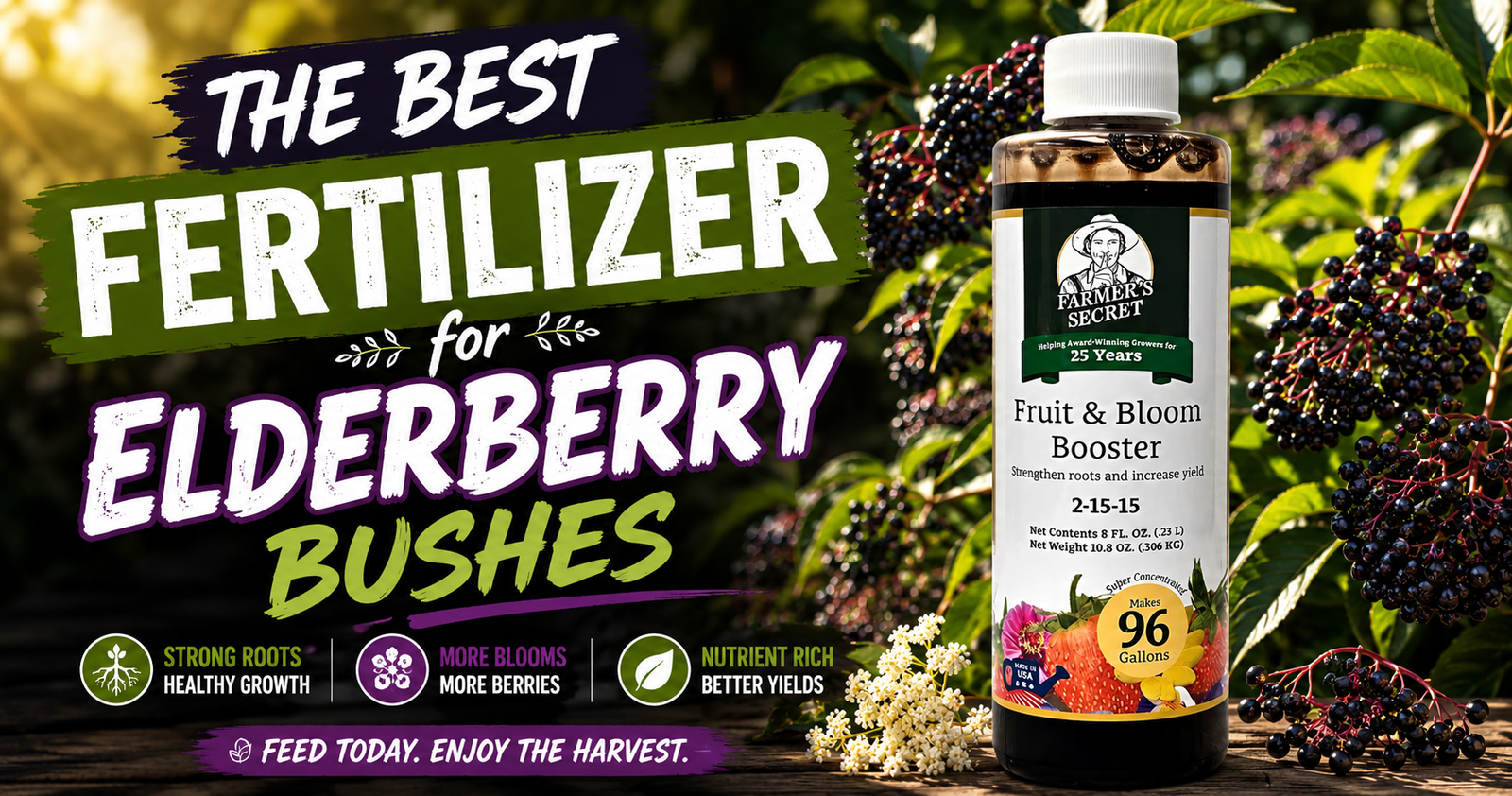
If you’re continuing to improve your elderberry planting, I’d also recommend reading Best Fertilizer for Elderberry Bushes That Actually Works to encourage healthy growth, When Should You Prune Elderberry Bushes? Here’s What Works to keep bushes productive, and How Much Water Do Elderberry Bushes Need? to avoid one of the most common growing mistakes.
The longer I’ve grown elderberries, the more I’ve realized that protecting your harvest isn’t about finding one miracle product.
It’s about combining healthy growing practices with practical tools that solve real problems.
For me, adding a quality deer repellent has become one of those simple habits that helps keep my bushes growing the way they should while letting me enjoy far more of the harvest I worked so hard to produce.
About the Author
Caleb Morgan
Caleb Morgan is a lifelong backyard fruit grower and gardening writer who enjoys testing practical solutions that help home gardeners grow healthier elderberries. Through Elderberry Pro, he shares hands-on growing advice, honest product recommendations, and proven techniques for protecting berry crops from wildlife, pests, and common growing challenges.