
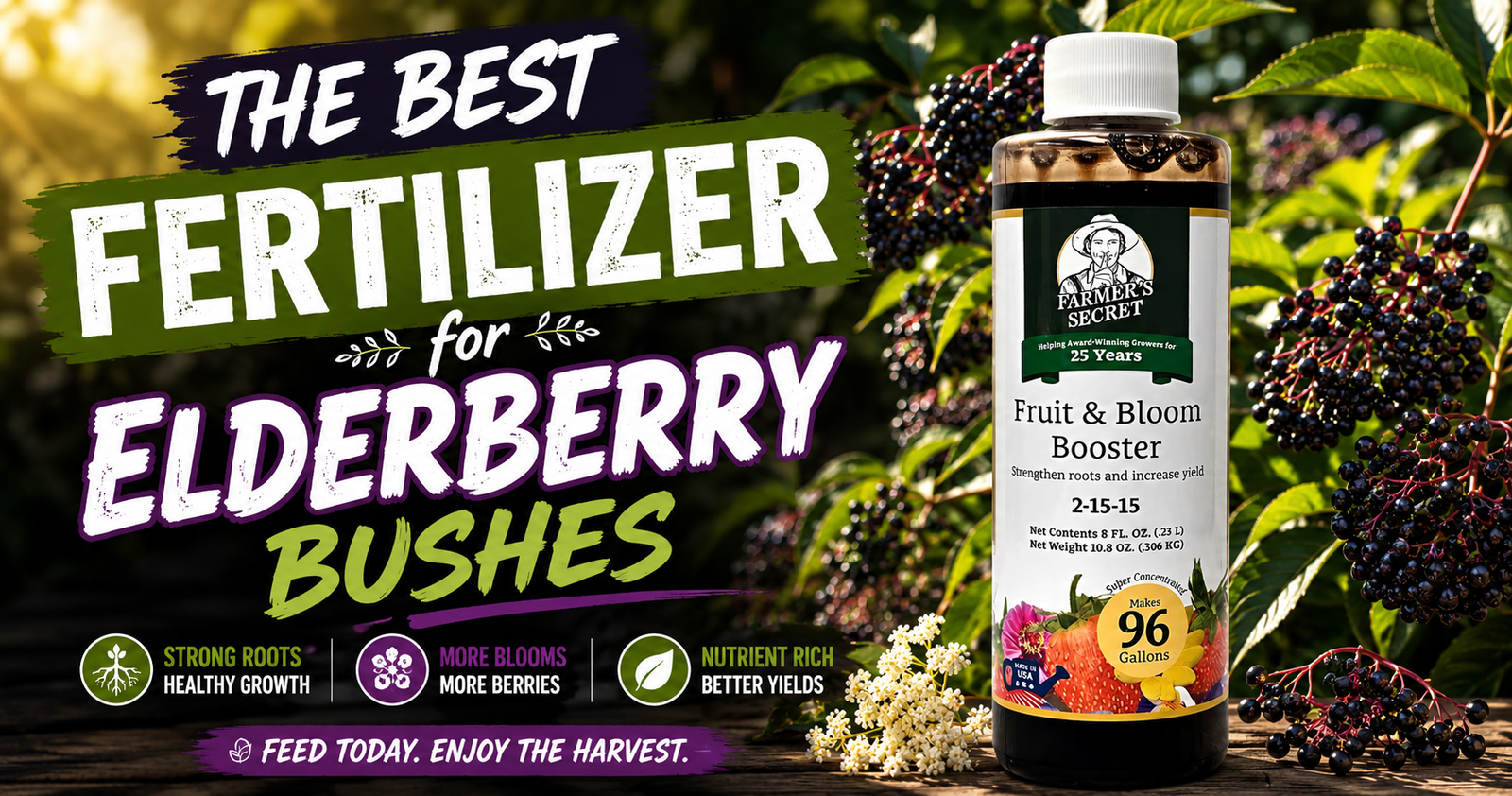
If there’s one question I get almost as often as “Why isn’t my elderberry bush producing berries?” it’s this:
“What’s the best fertilizer for elderberries?”
It’s a fair question.
When your bushes aren’t growing the way you expected or the berry harvest feels disappointing, fertilizer seems like the obvious solution.
I’ve been there myself.
It’s tempting to think a stronger fertilizer will automatically produce bigger bushes loaded with berries.
The truth is a little more complicated.
In fact, one of the biggest mistakes I see is people feeding their elderberries too much, especially with high-nitrogen fertilizers. The result is often exactly the opposite of what they were hoping for.
The bushes become huge.
The leaves look incredible.
But the berry harvest never really improves.
After growing elderberries and talking with countless other gardeners, I’ve learned that the best fertilizer isn’t necessarily the strongest one.
It’s the one your plants actually need.
Before You Buy Any Fertilizer…
I’d encourage you to spend five minutes simply looking at your elderberry bush.
Ask yourself a few questions.
Is it producing healthy green leaves?
Is it putting on several feet of new growth every year?
Did it flower?
Are the berries small, or are there no berries at all?
Those answers matter because fertilizer isn’t designed to solve every problem.
If your bush is growing vigorously but refusing to produce berries, adding even more nitrogen may actually make the situation worse. Extension recommendations even suggest reducing nitrogen when bushes are already producing excessive vegetative growth.
That’s one reason I usually tell people to diagnose the plant before buying anything.
If your bush still isn’t producing after several seasons, I’d start with my guide on why an elderberry bush might not be producing berries because fertilizer is only one piece of the puzzle.
Healthy Soil Beats Fancy Fertilizer
One lesson I’ve learned over the years is that healthy soil solves a surprising number of gardening problems.
Elderberries love soil that’s rich in organic matter.
Compost.
Aged manure.
Leaf mold.
Mulch that slowly breaks down over time.
All of those help improve soil structure while gradually feeding the plant.
That’s why I don’t automatically reach for a bag of fertilizer every spring.
Sometimes adding organic matter does more good than adding more nutrients.
University recommendations also stress starting with a soil test before applying phosphorus or potassium because many soils already contain enough of those nutrients.
The Fertilizer I Like For Established Elderberry Bushes
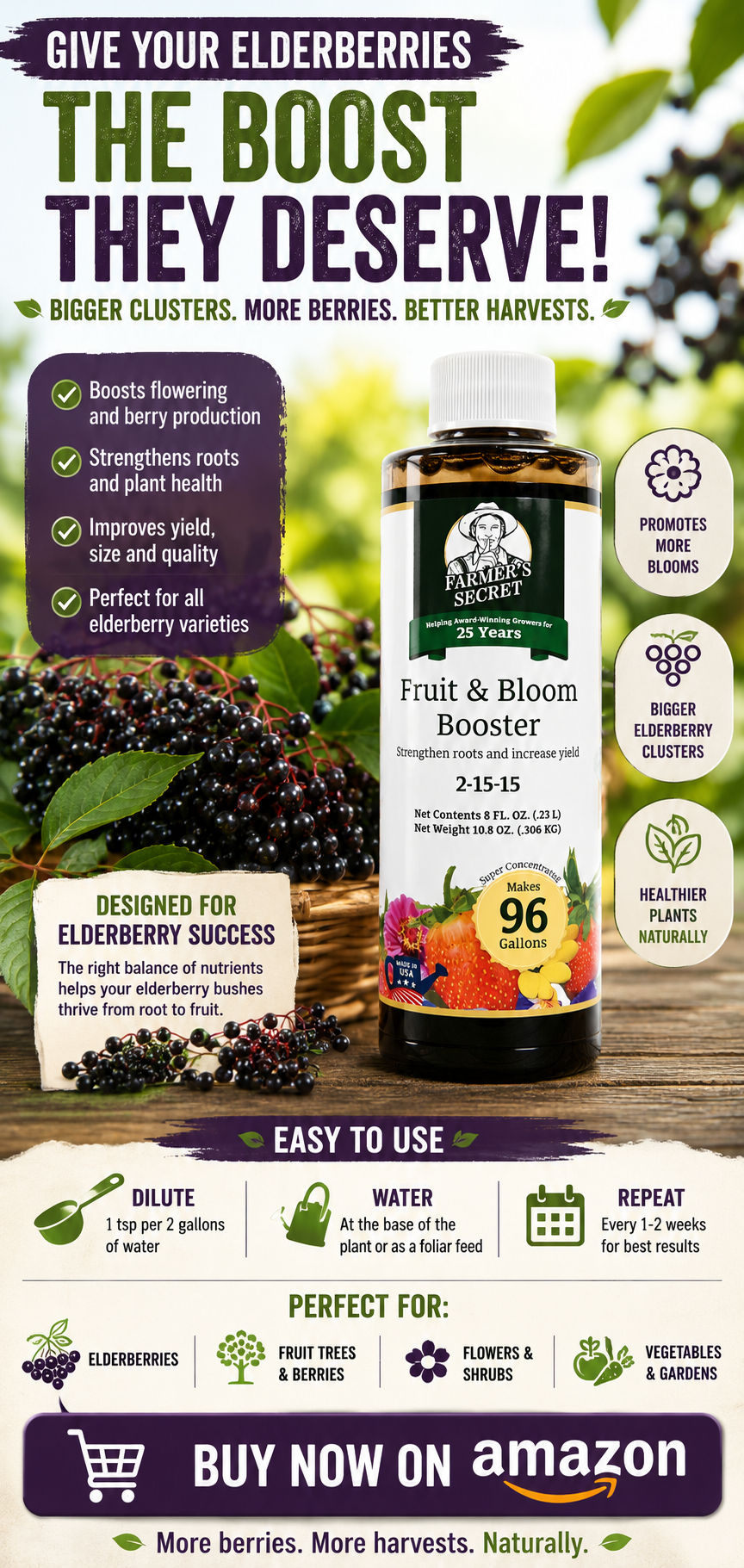
When I do decide my elderberries could benefit from a little extra nutrition, I like using a fertilizer that’s designed to encourage flowering and fruit production rather than just leafy growth.
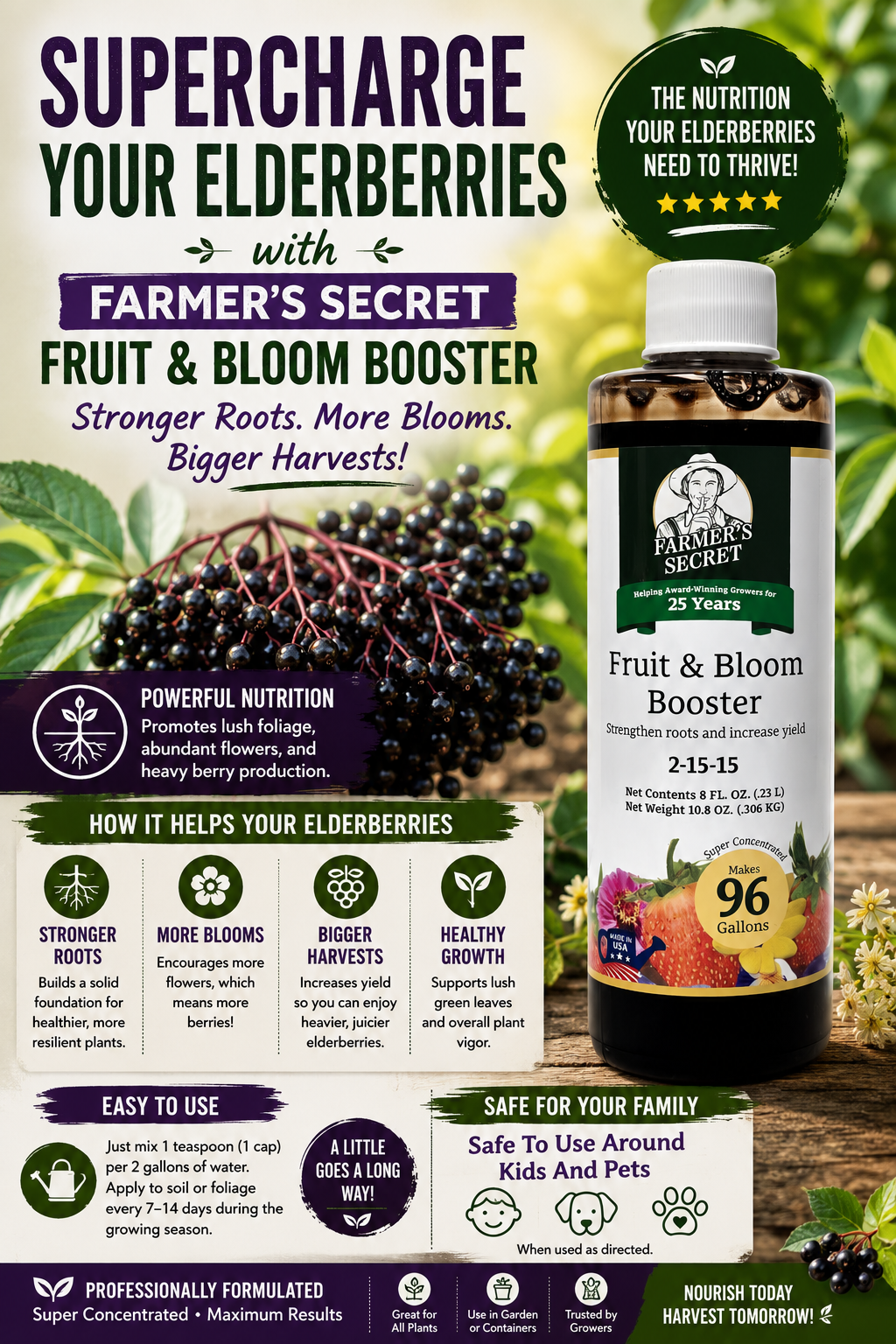
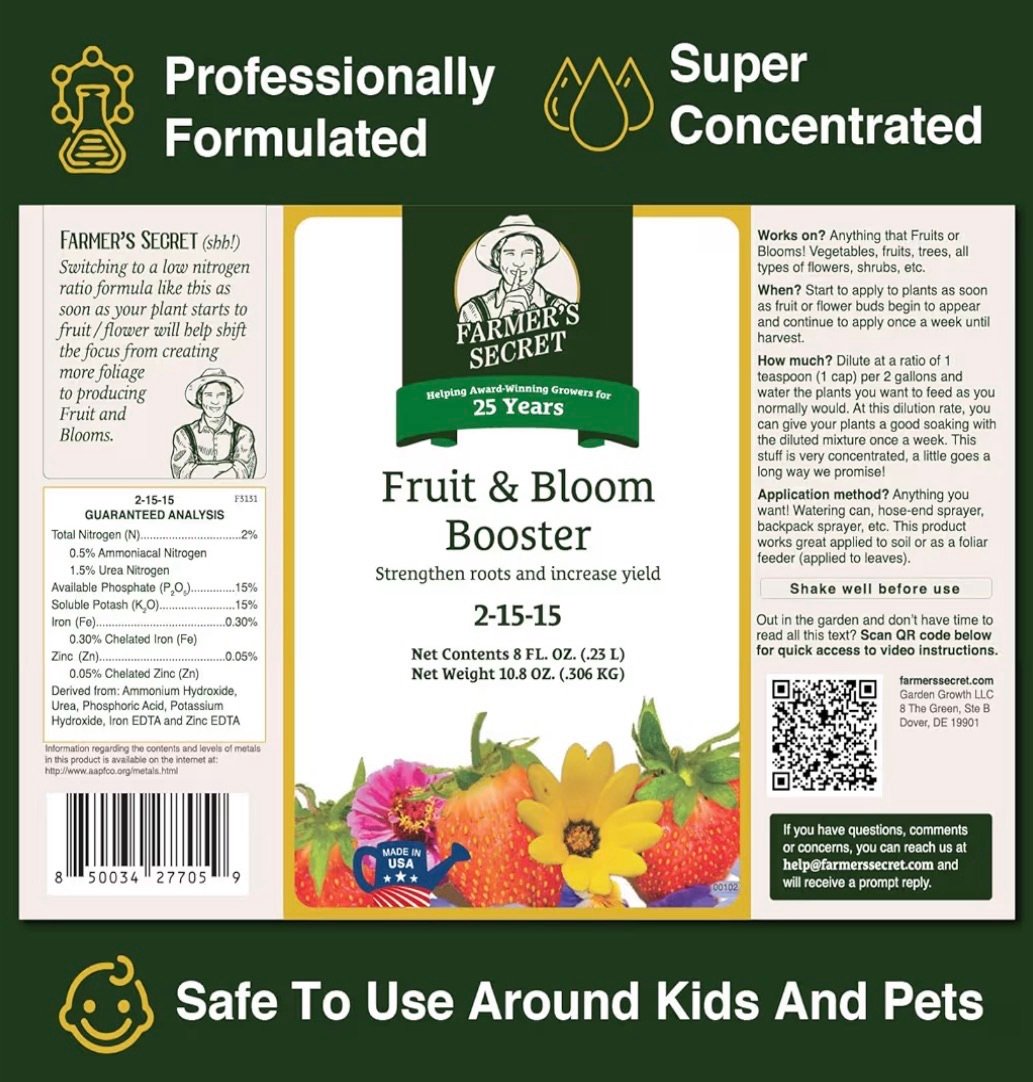
One product I’ve had good luck with is the Farmer’s Secret Fruit & Bloom Booster Fertilizer
What I like about it is that it’s highly concentrated, easy to mix, and designed to support flowering and fruiting plants instead of simply pushing lots of green growth.
I don’t treat it like a miracle product.
Healthy soil, sunlight, water, and proper pollination still matter far more.
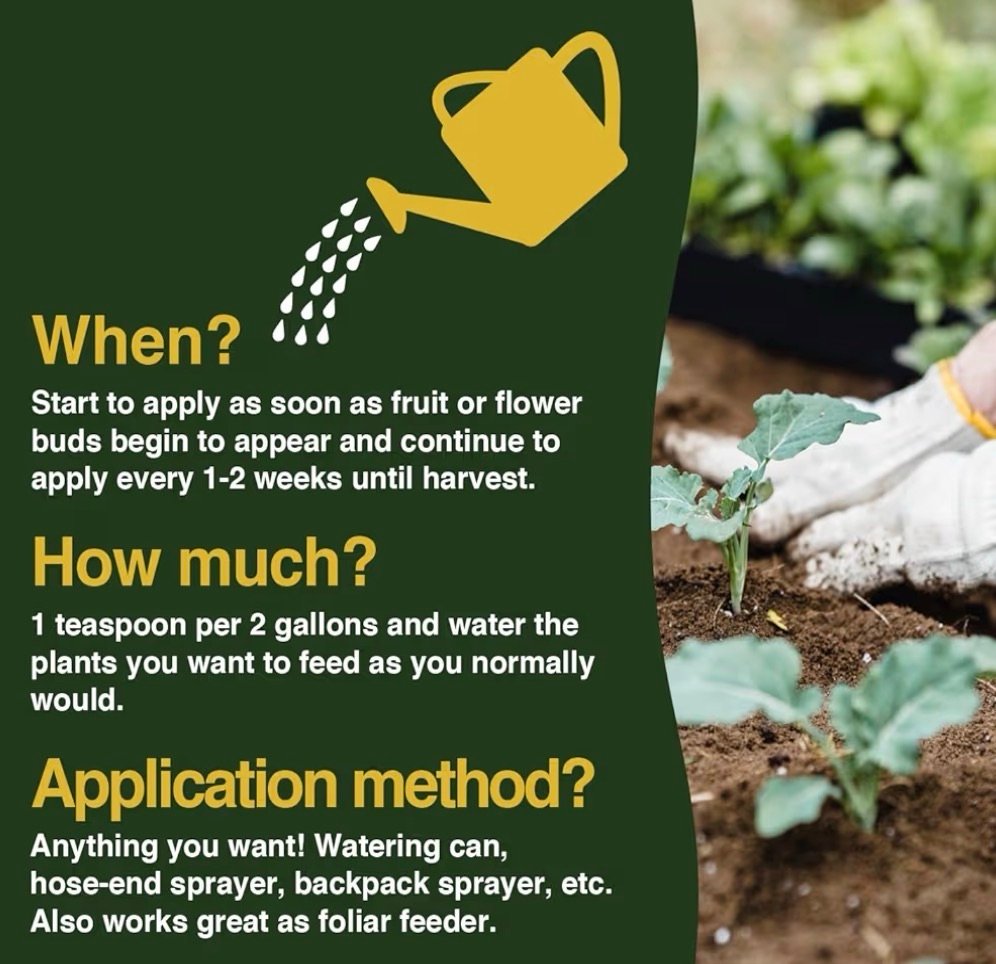
But when those basics are already in place, giving established bushes the nutrients they need during the growing season can help support better flowering and stronger fruit production.
Don’t Forget The Bush Itself Matters
Sometimes gardeners spend hours researching fertilizer when the real issue is the plant they’re starting with.
Weak nursery stock usually takes longer to establish.
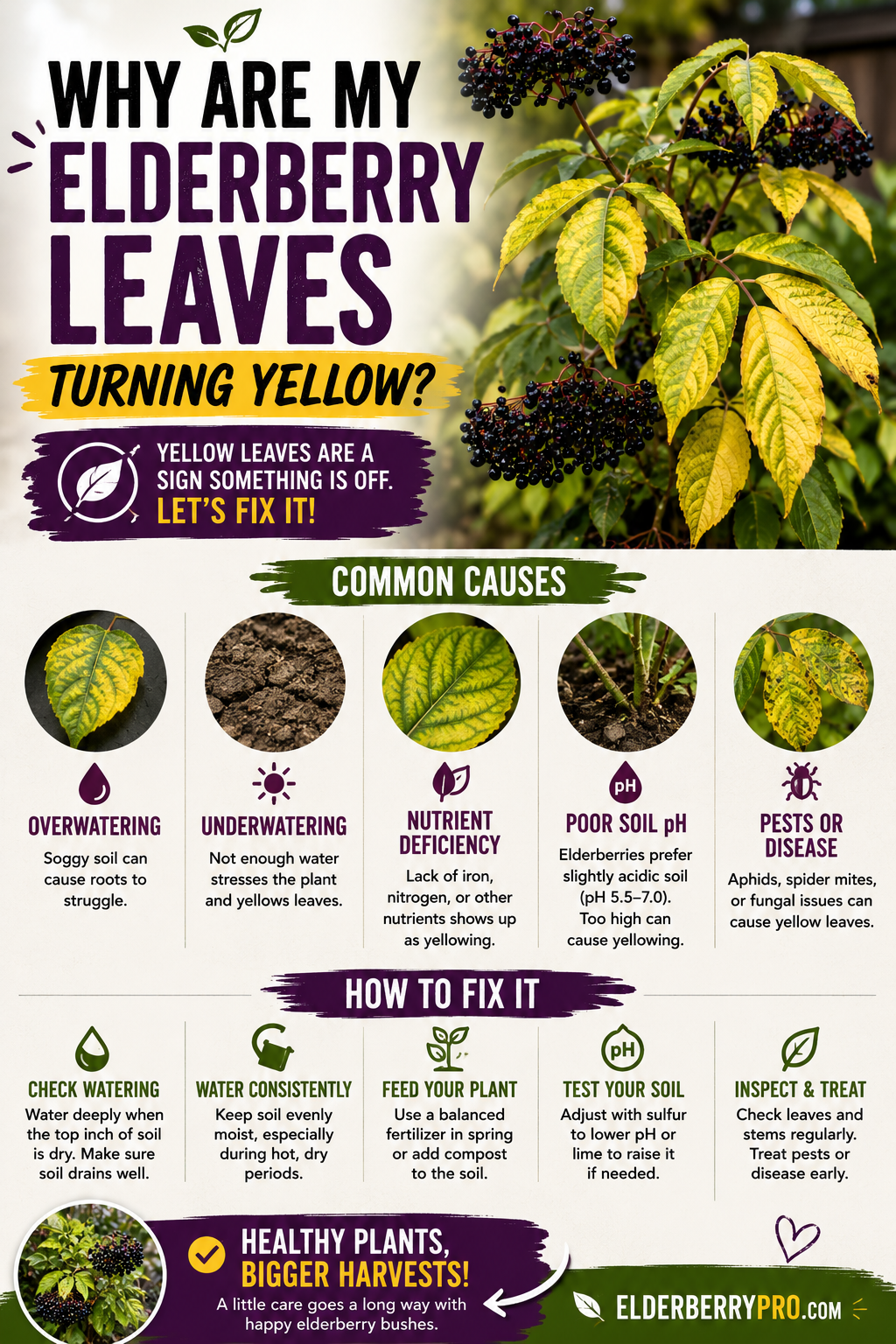
Stressed plants often spend their first few years simply trying to recover instead of producing berries. Yellow leaves can be one of the visible signs, so it helps to recognize signs of elderberry stress before trying to increase feeding.
That’s why, whenever someone asks me where to begin, I usually recommend starting with healthy plants from the very beginning.

If you’re planting your first elderberries or adding another compatible variety, I’ve had good experiences with the live American elderberry plants from Weaver Family Farms Nursery. Healthy, vigorous plants give you a much better foundation than trying to nurse along weak stock, and they pair well with the nursery’s guide on the best time to plant elderberries so you’re giving your new bushes every advantage right from the start.


Fertilizer Won’t Replace Good Growing Habits
I know it’s tempting to think one product can solve everything.
Gardening rarely works that way.
Even the best fertilizer can’t make up for:
- Too much shade.
- Poor pollination.
- Waterlogged soil.
- Drought stress.
- A bush that’s simply too young.
That’s why I always think of fertilizer as the finishing touch rather than the foundation.
When the basics are right, fertilizer can help.
When the basics are wrong, fertilizer usually just masks the real problem.
When I Actually Fertilize My Elderberry Bushes
One thing that changed my results more than switching fertilizer brands was changing when I fertilized.
Years ago, I’d throw fertilizer around the bushes whenever I happened to think about it.
Sometimes it was late spring.
Sometimes it was the middle of summer.
Sometimes I skipped a year altogether.
Now I’m much more intentional.
I like giving my elderberries a boost early in the growing season as they’re waking up and beginning to push out fresh growth. By the time flowering begins, I want the plants to already have access to the nutrients they need instead of trying to play catch-up later.
That simple change has made much more difference than chasing the newest fertilizer on the market.
Young Bushes And Mature Bushes Have Different Needs
This is another mistake I see fairly often.
People fertilize a first-year elderberry exactly the same way they’d fertilize a mature bush that’s been producing fruit for years.
I don’t think that’s the best approach.
Young plants are trying to establish roots.
Older plants are trying to maintain healthy growth while producing flowers and berries.
Those are two completely different jobs.
When I plant a new elderberry, I’m much more focused on keeping it healthy than pushing rapid growth.
Once the bush becomes established and starts settling into its permanent home, then I begin thinking more about supporting flowering and fruit production.
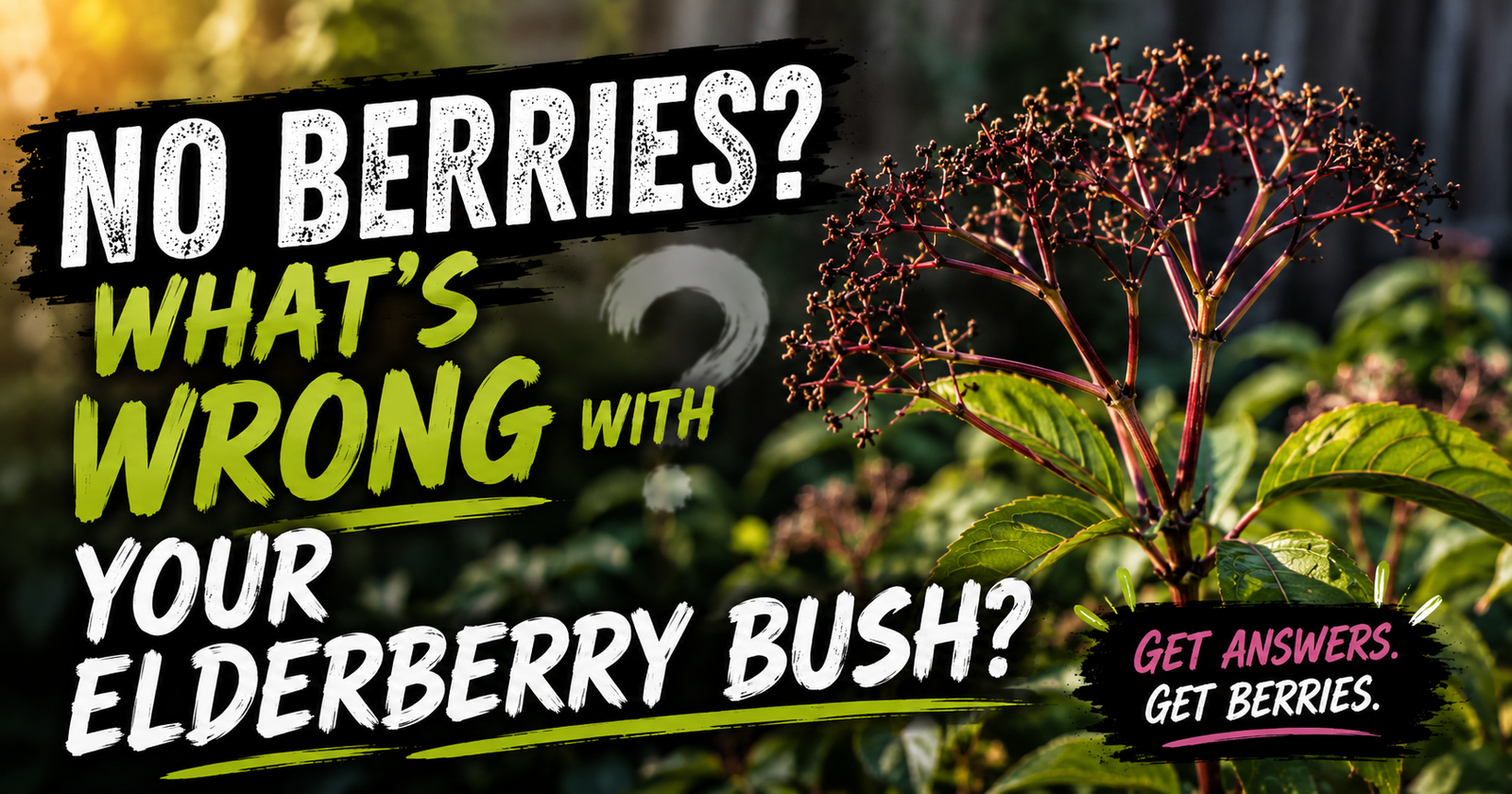
If you’re still waiting on your first real harvest, don’t worry if your bush isn’t producing much yet. My guide on how long it actually takes an elderberry bush to produce fruit explains what a realistic timeline looks like and why patience usually pays off.
Mulch Is One Of The Best “Fertilizers” Nobody Talks About
If I could only give one piece of advice to someone growing elderberries, it probably wouldn’t be about fertilizer at all.
It would be about mulch.
Every year I like keeping a generous layer of organic mulch around my elderberry bushes.
Wood chips.
Shredded leaves.
Compost.
Even well-aged bark mulch.
As those materials slowly break down, they improve the soil while helping retain moisture and suppress weeds.
It’s not nearly as exciting as buying a new fertilizer, but over the long run I honestly think mulch has contributed more to healthy elderberry plants than almost anything else I’ve done.


Signs Your Elderberry Might Benefit From Fertilizer
Sometimes your bushes will tell you they need a little help.
Some of the things I watch for include:
- Slower-than-normal growth.
- Smaller leaves than previous years.
- Reduced flowering.
- Fewer berry clusters.
- Pale green foliage that isn’t related to drought or disease.
None of those automatically mean fertilizer is the answer.
But they do tell me it’s worth taking a closer look.
I also compare this year’s growth to last year’s instead of comparing my bushes to someone else’s. Every yard is different, so your own plants are usually the best benchmark.
More Isn’t Better
This might be the biggest takeaway from this entire article.
Adding twice as much fertilizer rarely produces twice as many berries.
In fact, it often creates the opposite problem.
Too much fertilizer can encourage soft, leafy growth that’s more vulnerable to weather damage while reducing flower production.
Whenever I mix up the Farmer’s Secret Fruit & Bloom Booster Fertilizer, I follow the directions instead of assuming a stronger mixture will produce better results.
Gardening has taught me that consistency almost always beats excess.
Fertilizer Can’t Fix Poor Pollination
I once spoke with a gardener whose elderberry bushes looked absolutely fantastic.
Beautiful leaves.
Healthy growth.
No obvious disease.
Almost no berries.
The problem wasn’t fertilizer.
The problem was pollination.
They had planted one variety by itself and assumed fertilizer would somehow solve the issue.
It couldn’t.
Sometimes adding another compatible elderberry bush is far more valuable than adding another bag of fertilizer.
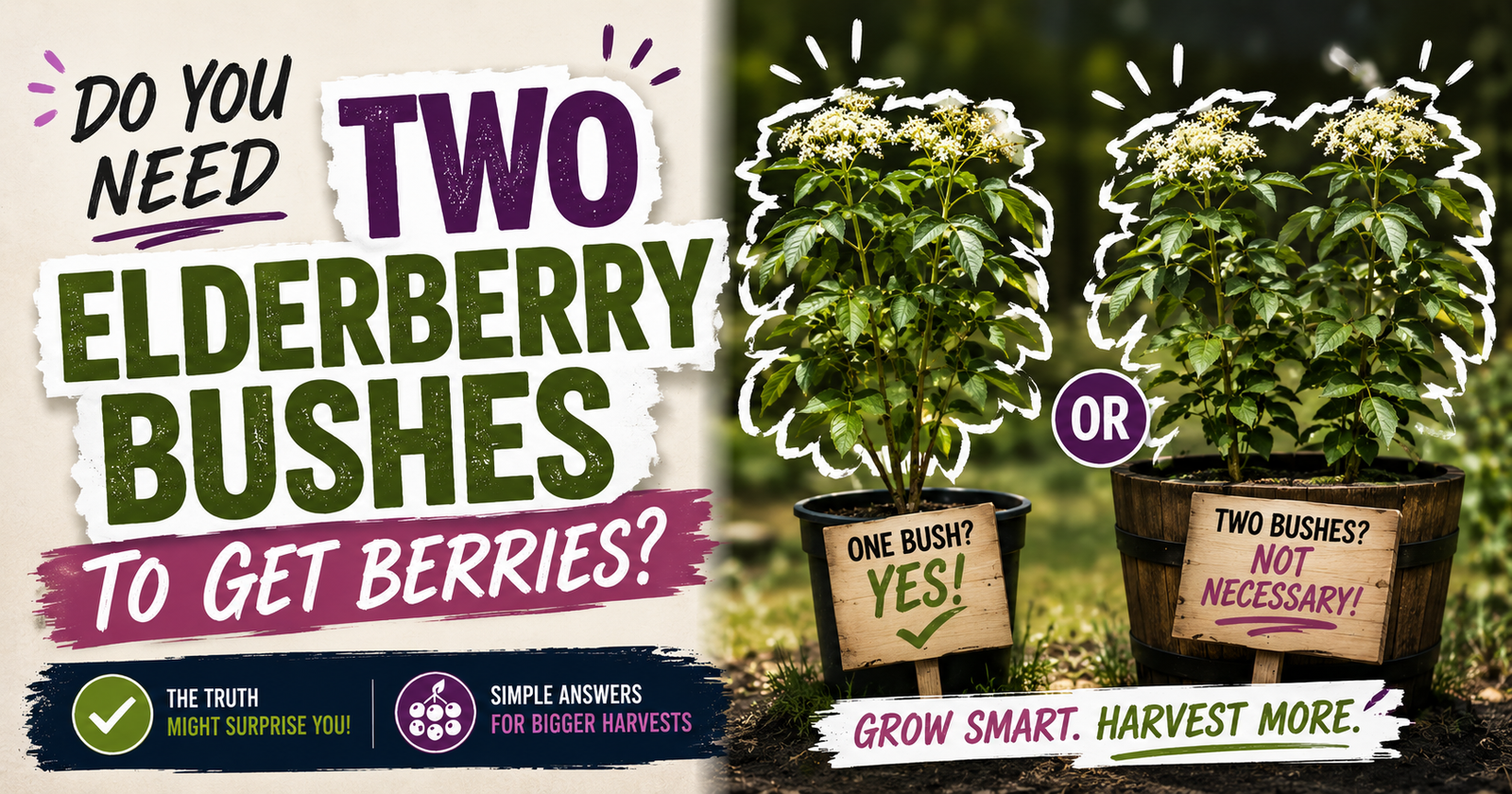
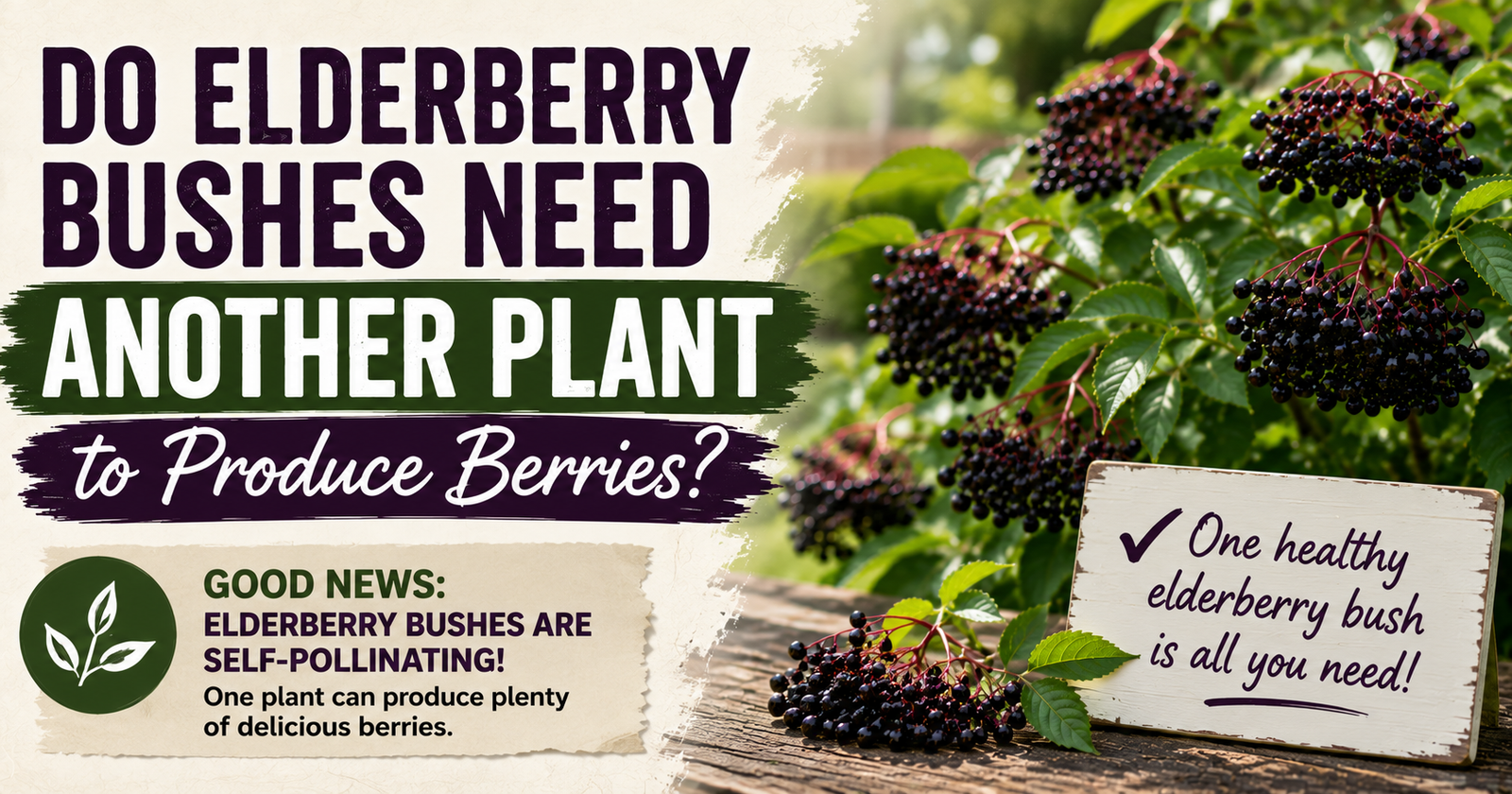
If you’ve only planted one bush so far, I’d strongly recommend reading whether you need two elderberry bushes to get berries before spending more money on fertilizers or soil amendments.
Healthy Plants Start Before They’re Ever Planted
People often focus on what happens after planting, but I’ve found success usually starts before the shovel ever touches the ground.
Choosing the right location.
Planting at the right time.
Starting with vigorous nursery stock.
Those decisions influence your harvest for years.
That’s another reason I recommend taking a look at Weaver Family Farms Nursery’s guide to growing elderberries if you’re planning new plantings. It’s packed with practical advice that pairs well with what we’ve covered here and can help you avoid many of the mistakes new growers commonly make.
I also think it’s worth spending a few extra dollars on healthy plants from the beginning. The live American elderberry plants from Weaver Family Farms Nursery have consistently impressed me, and starting with strong plants often means fewer problems during those critical first few years.
Don’t Judge Success By One Season
Gardening teaches patience.
One year your bushes may produce a modest crop.
The next year they might surprise you with more berries than you know what to do with.
Weather changes.
Rainfall changes.
Pollination changes.
Your bushes keep maturing.
That’s why I never judge whether a fertilizer is working based on a single growing season.
Instead, I pay attention to how the plants perform over several years.
Healthy elderberries are a long-term investment, and taking good care of them today usually leads to much bigger harvests in the future.
Questions I Get Asked About Fertilizing Elderberries
After talking with gardeners over the years, these are the questions that seem to come up every spring.
Can You Over Fertilize An Elderberry Bush?
Absolutely.
In fact, I think overfertilizing is far more common than underfertilizing.
When people don’t see many berries, their first instinct is often to add more fertilizer.
Unfortunately, if the bush is already receiving enough nutrients, adding even more can encourage excessive leafy growth while reducing flowers and fruit.
Whenever someone tells me they have a giant, beautiful elderberry bush that refuses to produce berries, fertilizer is one of the first things I ask about.
Sometimes the healthiest-looking plant in the yard is actually being fed too well.
Is Compost Enough?
For many home gardeners, yes.
One thing I love about elderberries is that they aren’t especially demanding if they’re planted in healthy soil.
Every year I add compost around my bushes, refresh the mulch, and let nature do a lot of the work.
As that organic matter breaks down, it slowly feeds the soil while improving moisture retention and encouraging beneficial microbes.
If your bushes are already growing well, compost alone may be all they need.
I think many gardeners underestimate just how valuable healthy soil can be.
Can I Use Fertilizer Every Year?
You certainly can, but that doesn’t necessarily mean you should.
Every growing season is different.
Some years your bushes may need a little extra help.
Other years they may already have everything they need.
Instead of fertilizing simply because the calendar says it’s spring, I like looking at the plants first.
Healthy growth.
Good flowering.
Strong berry production.
If everything looks great, there’s usually no reason to dramatically change what I’m doing.
Once The Harvest Starts, Fertilizer Isn’t The Priority Anymore
Eventually you’ll reach the point every elderberry grower hopes for.
Your bushes are loaded with ripe clusters.
At that stage, fertilizer is no longer the focus.
Now it’s all about preserving everything you’ve worked so hard to grow.
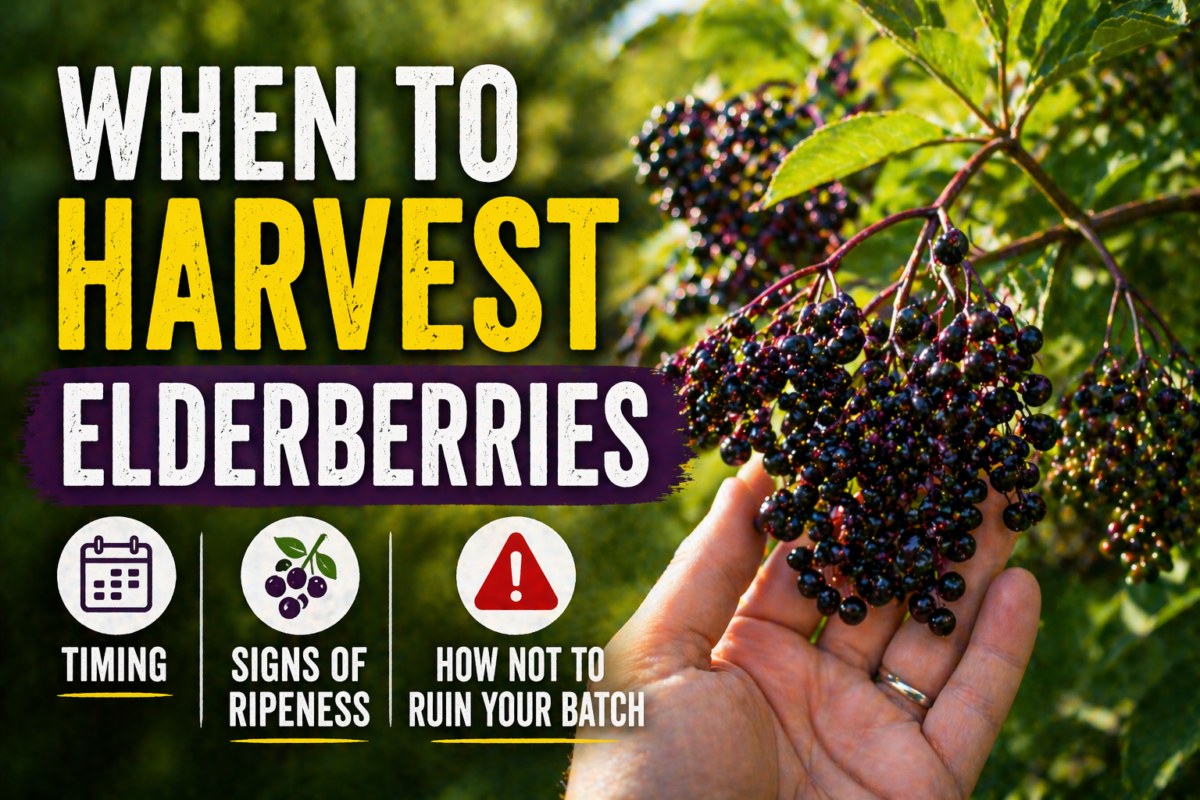
I always begin by harvesting at the right stage of ripeness because picking too early or too late can affect both flavor and quality. If you’re still learning those signs, my guide on when to harvest elderberries for the best results walks through exactly what I look for before bringing in a crop.
From there, I clean the berries carefully before using them. If they’re going straight into a recipe, I’ll usually make syrup the same day. If not, I freeze them until I have more time.
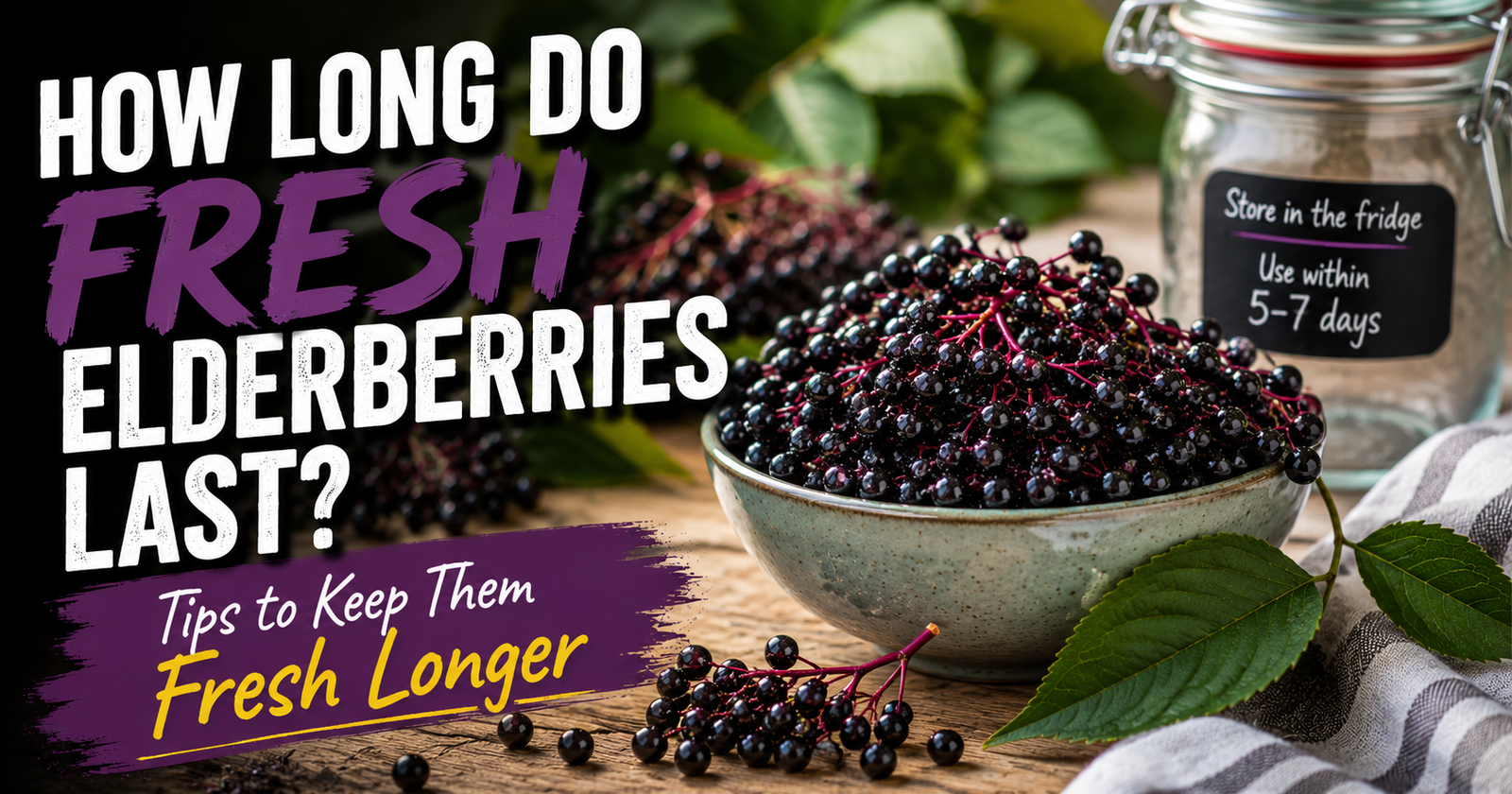
One lesson I learned the hard way is that fresh elderberries don’t stay fresh very long. That’s why I eventually wrote my guide on how long fresh elderberries actually last after harvest after losing more berries than I’d like to admit during my first few seasons.
My Fertilizer Routine Today
People sometimes assume I have some complicated fertilizing schedule.
Honestly, I don’t.
Mine is pretty simple.
I focus on:
- Planting healthy elderberries in a good location.
- Improving the soil with organic matter.
- Keeping weeds under control.
- Watering during extended dry periods.
- Mulching every year.
- Fertilizing only when it makes sense.
When I do supplement with fertilizer, the Farmer’s Secret Fruit & Bloom Booster Fertilizer has become my favorite because it’s easy to apply and fits well into the routine I’ve already established. I don’t expect it to perform miracles, but I do think it’s a solid addition once the basics are already in place.
Bigger Harvests Are Built One Season At A Time
One thing gardening has taught me is that there usually isn’t one magical product that transforms a struggling plant overnight.
Instead, success comes from stacking good decisions year after year.
Choosing healthy nursery stock.
Planting in full sun.
Giving the bushes enough room to grow.
Keeping the soil healthy.
Watering consistently.
Pruning thoughtfully.
Fertilizing when it’s actually beneficial.
Each of those steps might only improve your harvest a little.
Together, they can completely change what your elderberry bushes produce.
I’ve seen gardeners become discouraged after one disappointing season, only to be amazed a couple of years later when their bushes were producing more berries than they ever imagined.
Fertilizer Helps Healthy Bushes Reach Their Potential
I’ve come to think of fertilizer as an investment instead of a shortcut.
It doesn’t replace sunlight.
It doesn’t replace watering.
It doesn’t replace pruning or good soil.
Instead, it helps healthy elderberry bushes take full advantage of the growing conditions you’ve already created.
When all of those pieces come together, the results are usually obvious.
Stronger canes.
Greener foliage.
More flowers.
Better berry production.
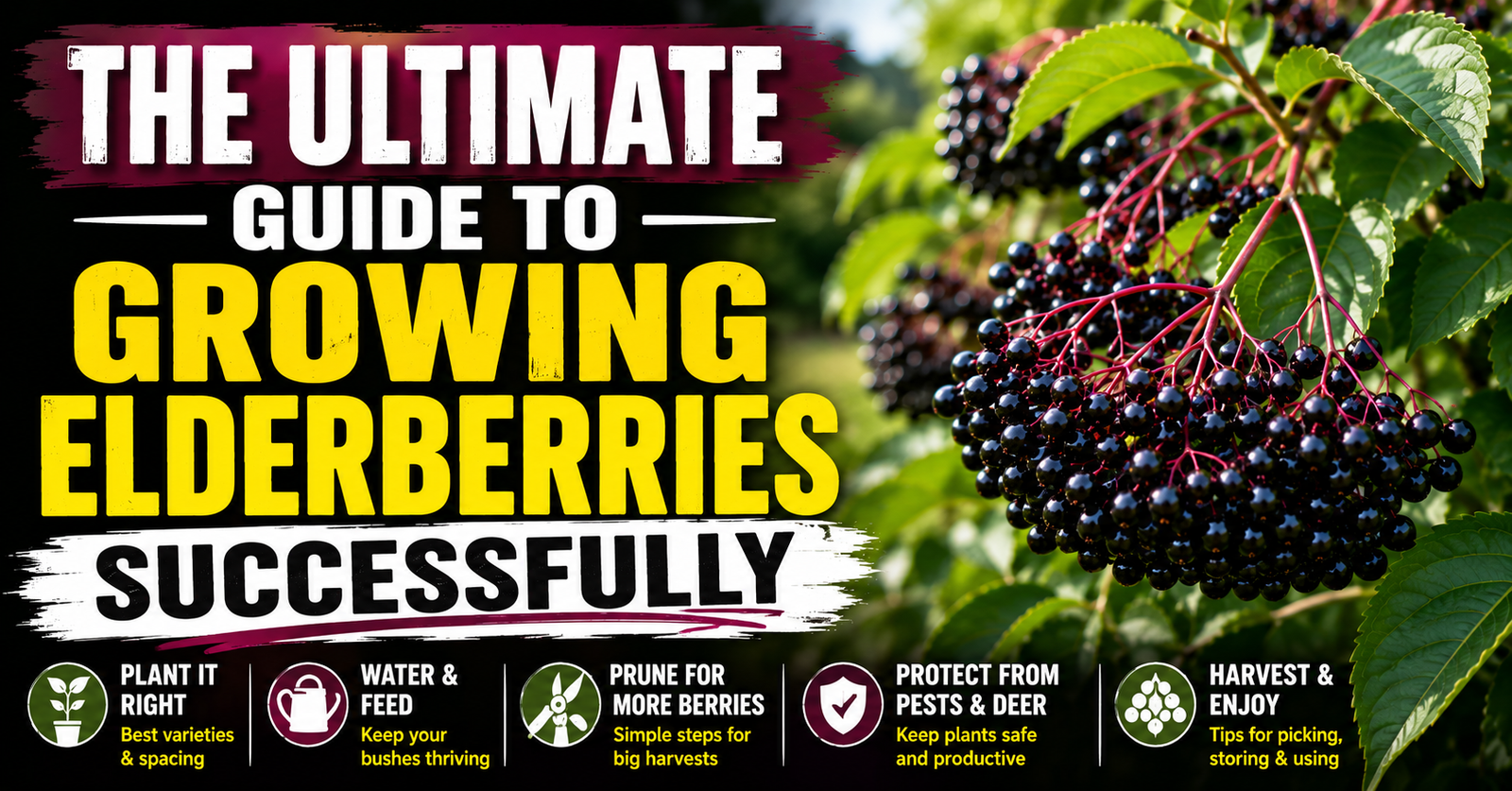
If you’re trying to improve every aspect of your elderberry planting instead of focusing only on plant nutrition, The Ultimate Guide to Growing Elderberries Successfully brings together everything I’ve learned into one complete growing resource.
Keep Learning As Your Elderberries Mature
One of my favorite things about growing elderberries is that every season teaches you something new.
The first year, you’re learning how to establish healthy plants.
The next, you’re watching for flowers.
Then you’re figuring out the best harvest timing, experimenting with recipes, and learning how to preserve everything your bushes produce.
If you’re continuing your elderberry journey, I’d also recommend reading how long it actually takes an elderberry bush to produce fruit and why some elderberry bushes never seem to produce berries. Those two guides answer many of the questions that naturally come up after planting and fit hand in hand with choosing the right fertilizer.
A healthy elderberry bush isn’t built in one afternoon.
It’s built over several growing seasons.
The patience you invest today is often rewarded with years of beautiful blooms, heavy berry clusters, and enough harvests to fill your freezer and pantry.
About the Author
Caleb Morgan
Caleb Morgan is a backyard fruit grower, native plant enthusiast, and gardening writer who has spent years learning what helps elderberries thrive in home landscapes. At Elderberry Pro, he shares practical growing advice, honest product recommendations, and hands-on experience to help gardeners enjoy healthier plants, bigger harvests, and more confidence with every growing season.