
I’ll never forget one of the first questions I received after people started seeing our elderberry bushes growing here on the farm.
“My plant looks beautiful… so where are the berries?”
Honestly, it’s one of the most common frustrations new elderberry growers experience.
Your bush leafs out every spring.
It grows taller every year.
The leaves look lush and healthy.
Maybe it even flowers.
Yet harvest season comes and goes with little to show for all your patience.
If that sounds familiar, don’t assume your elderberry bush is a lost cause.
In my experience, healthy elderberry plants almost always have a reason they’re not producing berries. The trick is figuring out which piece of the puzzle is missing.
Sometimes it’s as simple as planting another variety nearby.
Other times it’s something completely unexpected, like a late frost, poor pollination, too much fertilizer, or even harvesting expectations that are a year or two ahead of the plant itself.
The encouraging news is that most of these problems can be corrected.
I’ve watched bushes go from producing only a handful of berry clusters one summer to filling buckets the next after making only one or two small changes.
Let’s start with the biggest reason I see.
Sometimes The Bush Just Isn’t Old Enough Yet
I completely understand the excitement of planting your first elderberry bush.
You water it.
You fertilize it.
You watch every new shoot appear.
Then spring arrives and you’re already picturing jars of homemade elderberry syrup sitting on the kitchen counter.
Unfortunately, elderberries don’t always work on our schedule.
One of the biggest misconceptions is that every newly planted bush should produce a heavy crop within its first year.
Sometimes that happens.
More often, it doesn’t.
Young elderberries spend an incredible amount of energy developing their root systems before they shift their focus toward producing large amounts of fruit.
Think of it this way.
A strong root system is the foundation for every future harvest.
Without it, the plant simply can’t support heavy crops year after year.
If your bush is only one or two years old, patience may honestly be the best thing you can give it.
I’ve seen plenty of gardeners become discouraged, only to have that same plant explode with flowers and berries the following season.

Healthy Growth Doesn’t Always Mean Fruit
This catches people off guard.
A bush can look absolutely incredible while producing almost no berries.
I’ve seen elderberries over eight feet tall with beautiful green foliage that hardly produced enough berries for a single batch of syrup.
The reason?
Plants have priorities.
Sometimes they’re putting all their energy into growing taller.
Sometimes they’re repairing root damage.
Sometimes they’re responding to fertilizer.
Sometimes they’re recovering from transplant shock.
Berry production is only one part of the plant’s life cycle.
A healthy-looking plant is encouraging, but it’s not a guarantee you’ll have a bumper crop every year.


The Question I Always Ask First
Whenever someone tells me their elderberry bush isn’t producing berries, I almost always ask the same question.
“How many bushes do you have?”
The answer surprises me more often than you’d think.
Usually it’s…
“Just one.”
That’s often the first clue.
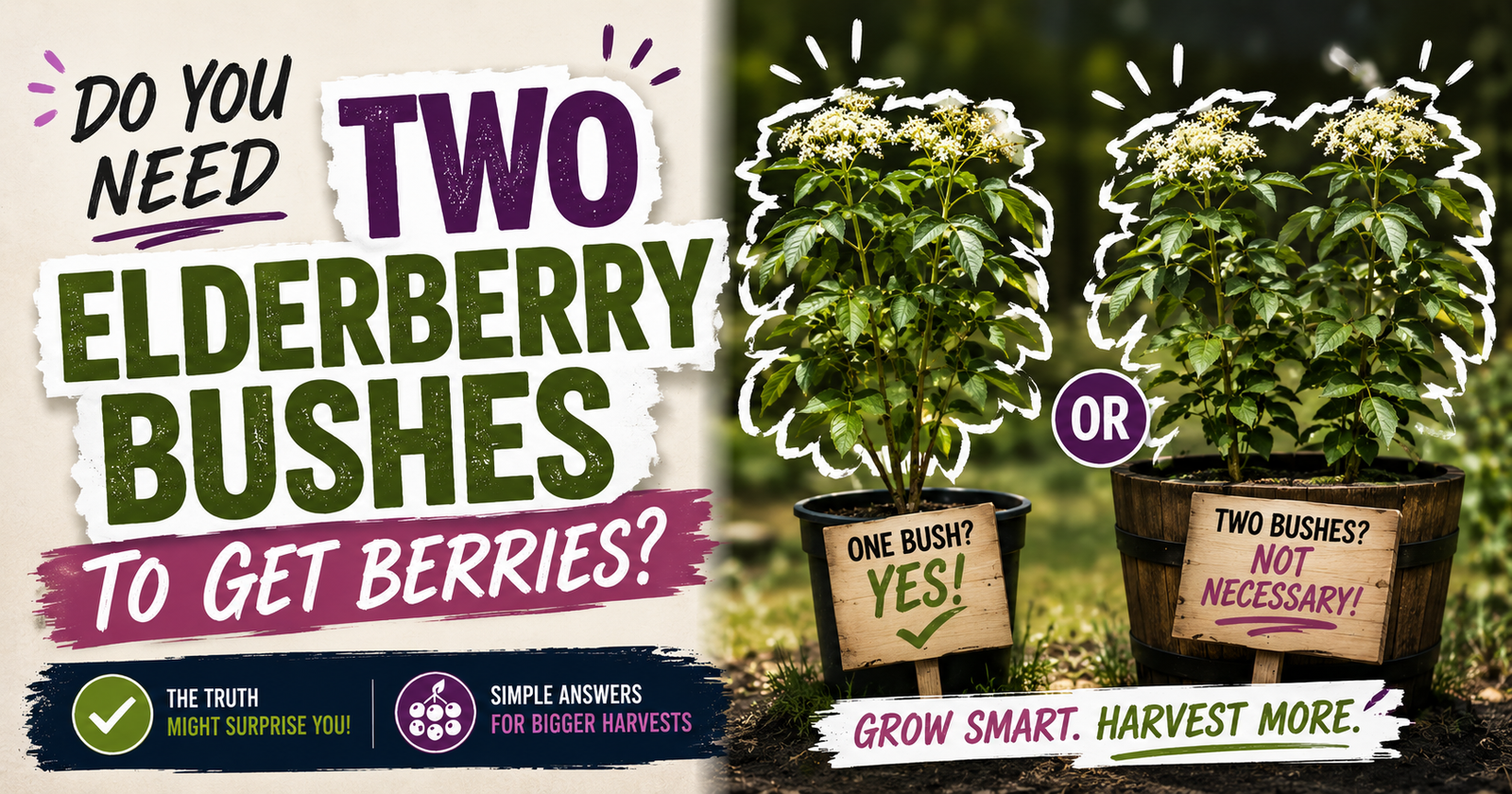
Many elderberry varieties produce much heavier crops when another compatible variety is growing nearby.
The flowers can technically produce fruit on their own in some situations, but cross-pollination almost always improves berry production.
It’s one of those things I wish I had fully understood when I first became interested in growing elderberries.
If you’re only growing a single bush, adding another compatible variety may end up being the biggest improvement you ever make.
In fact, if you’re thinking about expanding your planting, we regularly grow elderberry plants here at Weaver Family Farms Nursery. Starting with healthy nursery-grown plants gives you a much better chance of establishing vigorous bushes that can produce reliable harvests for years to come. If you’re planning to add a second variety for better pollination, it’s worth checking what we currently have available before planting season gets busy.
Pollination Is More Important Than Most People Realize
Once people hear the words “cross-pollination,” they sometimes assume elderberries are difficult to grow.
They’re really not.
Nature does most of the work.
Bees, native pollinators, flies, and countless beneficial insects move pollen between flowers throughout the blooming period.
Your job is simply giving them something to work with.
That’s one reason I avoid spraying insecticides while elderberries are blooming.
Every bee visiting those flowers is helping build the harvest I’m hoping for a few months later.
It’s also one reason I enjoy planting flowers around our elderberries.
Not because the bushes need pretty neighbors.
Because pollinators appreciate having a steady buffet throughout the season.
The more beneficial insects visiting the area, the better your chances of seeing heavy berry clusters develop after flowering.
Could Pollination Be The Missing Piece?
Many gardeners assume that if an elderberry bush is covered in flowers, berries are guaranteed to follow.
Unfortunately, that’s not always how it works.
I’ve seen healthy bushes bloom beautifully only to produce disappointing berry clusters a few weeks later. While weather and plant health can certainly play a role, pollination is another piece of the puzzle that’s often overlooked.
Many elderberry varieties can produce some fruit on their own, but I’ve consistently found that planting a second compatible elderberry nearby usually leads to much heavier crops. More flowers become berries, berry clusters fill out better, and harvests are often much more consistent from year to year.
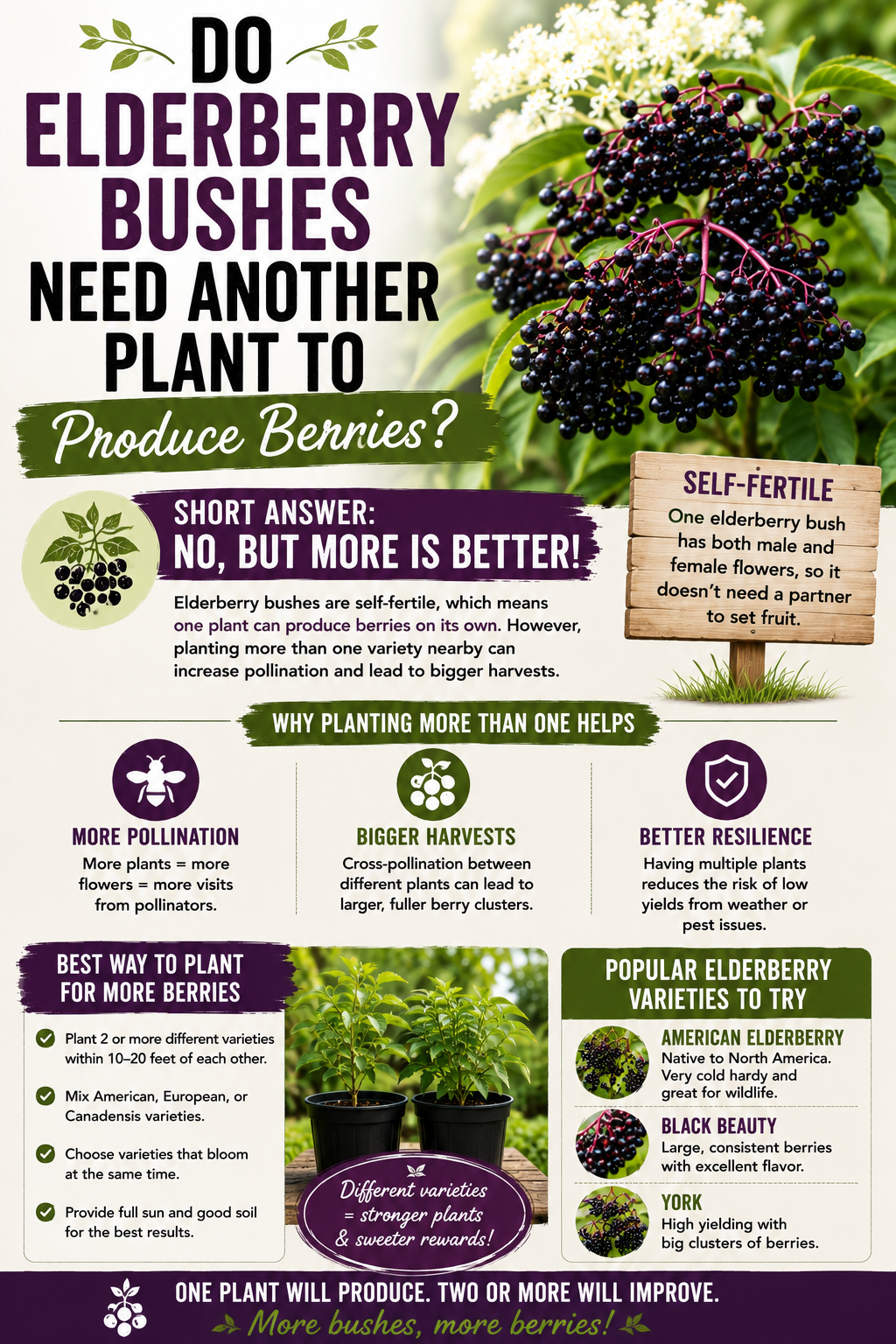
If you’ve only planted one bush, don’t automatically assume something is wrong. Instead, it’s worth learning how elderberry pollination actually works before trying to solve the problem another way. Do Elderberry Bushes Need Another Plant to Produce Berries? explains why adding another compatible bush can dramatically improve production.



Don’t Overlook The Weather
Sometimes everything is perfect.
Your bushes are mature.
You have two compatible varieties.
The soil looks great.
Pollinators are everywhere.
Then Mother Nature decides she has other plans.
Late spring frosts are one of the biggest reasons healthy elderberry bushes disappoint gardeners.
The leaves often survive without much trouble.
The flowers aren’t always so lucky.
A single cold night during bloom can damage enough blossoms to dramatically reduce berry production, even though the rest of the plant looks perfectly healthy afterward.
Strong winds, hail, days of cold rain, or unusually hot weather during flowering can also interfere with pollination.
That’s one reason I don’t panic after one disappointing harvest.
Weather changes from year to year.
Fortunately, so do harvests.
A poor crop one summer doesn’t necessarily mean anything is permanently wrong with your elderberry bushes.
Let’s Say Your Bush Is Old Enough… Now What?
If your elderberry bush is three, four, or even five years old and still isn’t producing many berries, I’d stop blaming its age and start looking a little closer at its growing conditions.
This is where a lot of gardeners get frustrated.
The plant looks healthy.
The leaves are green.
It’s getting bigger every year.
So naturally you assume everything must be fine.
Unfortunately, elderberries can be a little deceptive. A bush can look fantastic while quietly missing one or two things that are limiting berry production.
When I troubleshoot a plant that isn’t fruiting well, I don’t immediately reach for fertilizer. I start asking questions.
How much sun does it receive?
Did it flower this spring?
Has another elderberry ever been planted nearby?
Has it been unusually dry?
Working through those questions usually uncovers the problem much faster than guessing.



Take A Good Look At How Much Sun It’s Actually Getting
I’ve heard people say elderberries grow in the woods, so they must love shade.
There’s some truth to that.
Wild elderberries often grow along woodland edges and creek banks.
Notice I said woodland edges.
They’re usually growing where they receive plenty of sunlight for at least part of the day.
If your bush is tucked beneath large maple trees or shaded by a building most of the afternoon, it may simply not have enough energy to produce a heavy crop.
It doesn’t mean the plant is unhealthy.
It simply means it’s putting more energy into surviving than producing fruit.
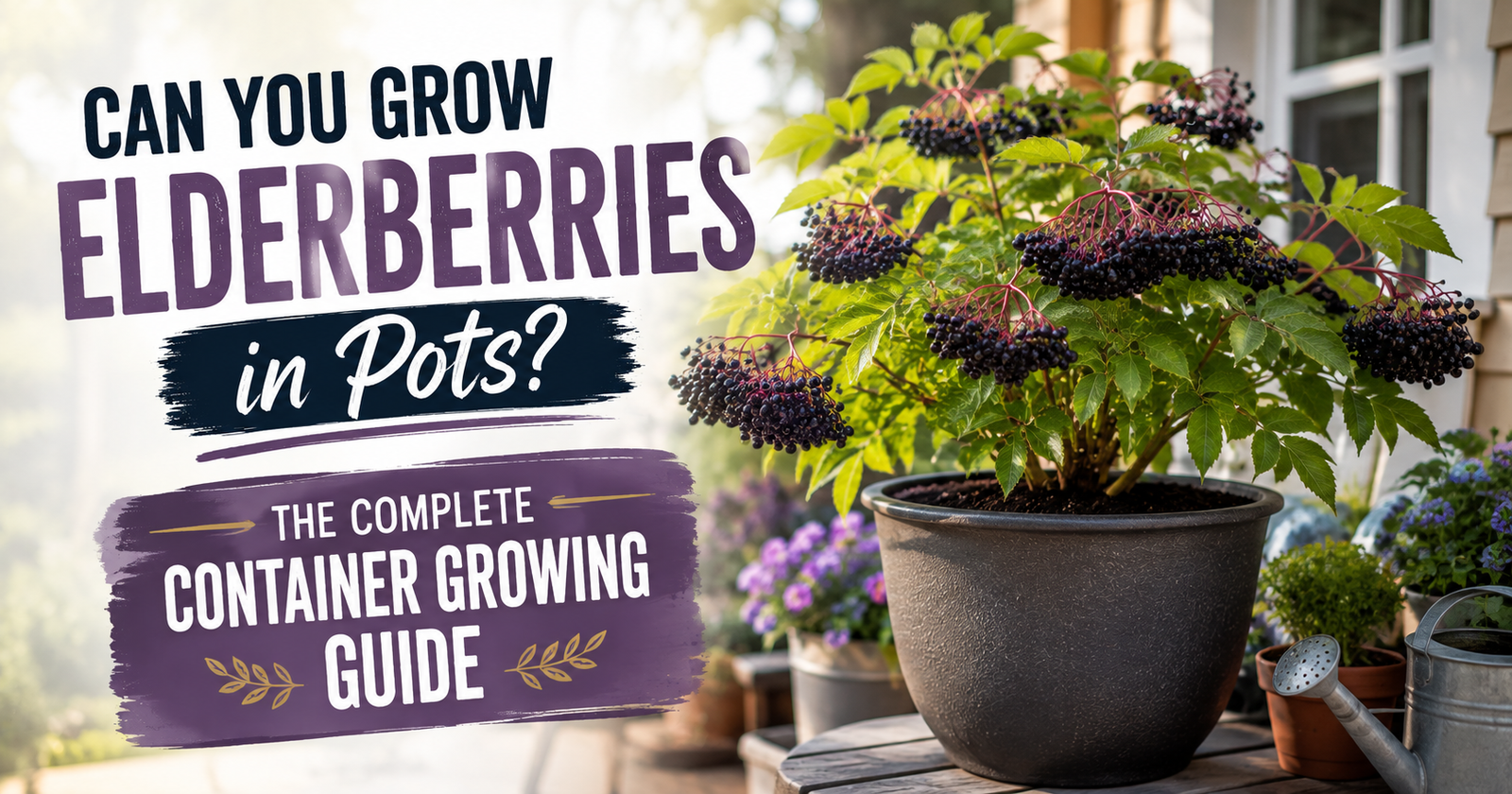
When people ask me where to plant an elderberry bush, I usually tell them to find one of the sunniest locations they have available. You’ll almost always be happier with the harvest a few years down the road. For gardeners without a suitable planting site, growing elderberries in pots can provide another way to meet those sunlight needs.
If you’re still deciding where to plant or you’re thinking about adding another variety, the growing guide from Weaver Family Farms Nursery is one of the better resources I’ve found for choosing a location and giving new plants a strong start.
Have You Been Feeding It Too Well?
This one surprises almost everyone.
You spend money on fertilizer because you want a healthier plant.
The bush responds by growing like crazy.
Mission accomplished…
Or maybe not.
Too much nitrogen often produces exactly what nitrogen is supposed to produce.
Leaves.
Lots of them.
Long green canes.
Rapid growth.
The problem is that plants only have so much energy.
If they’re investing most of it into new shoots and foliage, they often invest less into flowers and berries.
I’ve seen elderberries that looked like prize-winning landscape plants yet produced almost no fruit because they were simply overfed.
More fertilizer isn’t always the answer.
Sometimes the healthiest-looking bush in the yard is actually telling you to back off a little.



Flowers Tell You A Story
One question I always ask is this:
“Did the bush flower?”
That answer tells me a lot.
If the answer is no, I’m thinking about sunlight, plant age, pruning, or nutrition.
If the answer is yes but the flowers never became berries, then I start thinking about pollination or weather.
Those little white flower clusters are basically clues.
They’re helping narrow down what happened.
Late frosts can damage flowers overnight.
Several days of cold, rainy weather during bloom can reduce pollinator activity.
Strong winds can interfere as well.
Sometimes the entire growing season comes down to what happened during one week in late spring.
That’s why I never judge an elderberry bush based on a single disappointing harvest.
Sometimes The Problem Isn’t The Plant At All
One summer I was convinced a bush hadn’t produced many berries.
I walked past it several times thinking the flowers must not have been pollinated.
Then one morning I happened to notice half a dozen birds flying in and out of it.
They weren’t looking for insects.
They were eating berries.
The harvest had been there.
I was simply too late.
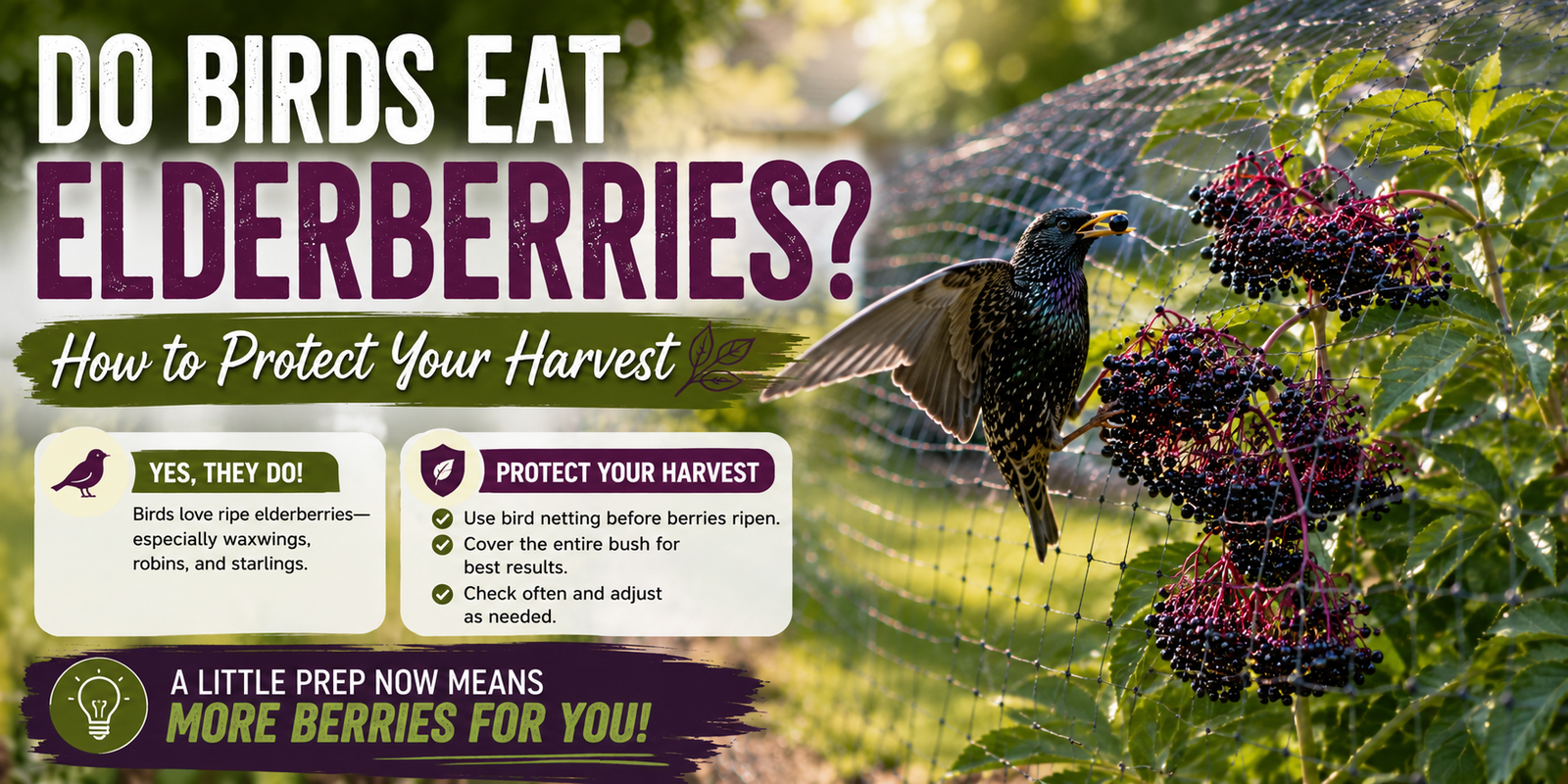
Birds absolutely love ripe elderberries, and once they discover a productive bush, they’ll often return every day until very little remains. Once your bush begins producing reliably, protect ripe elderberry crops before visiting birds turn a promising harvest into a disappointing one.
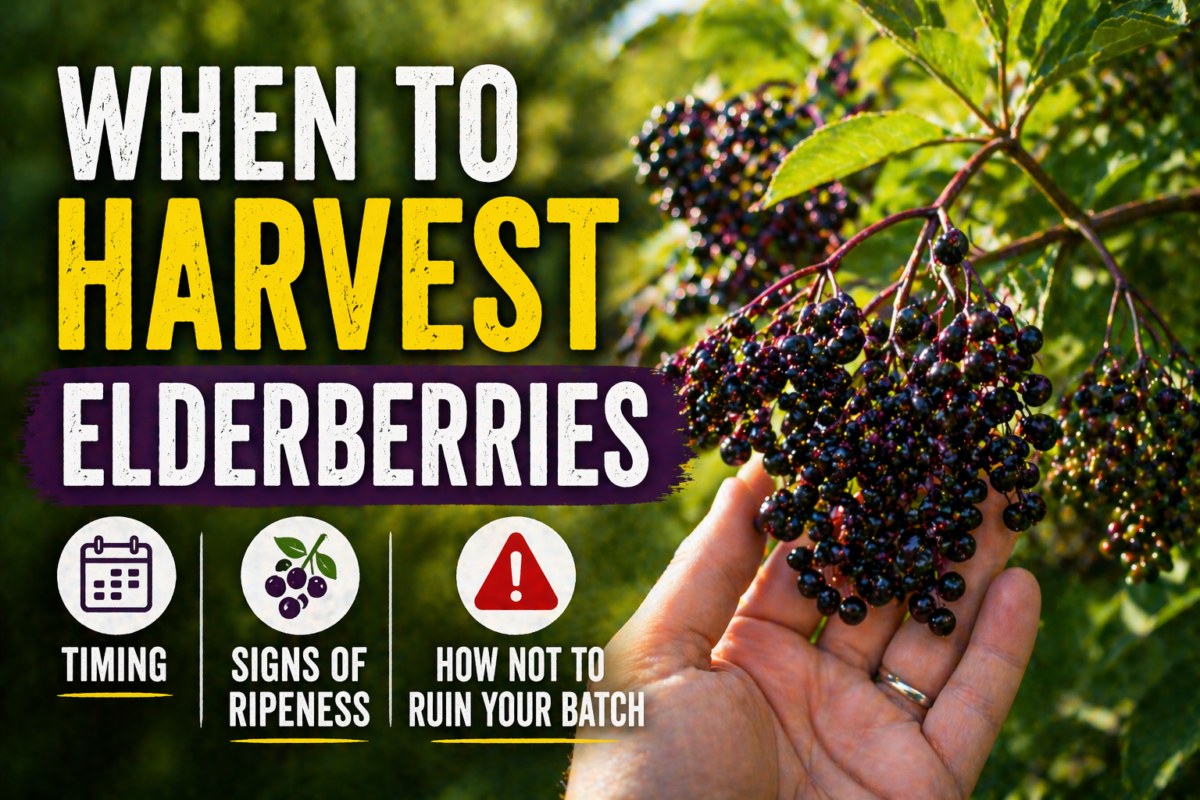
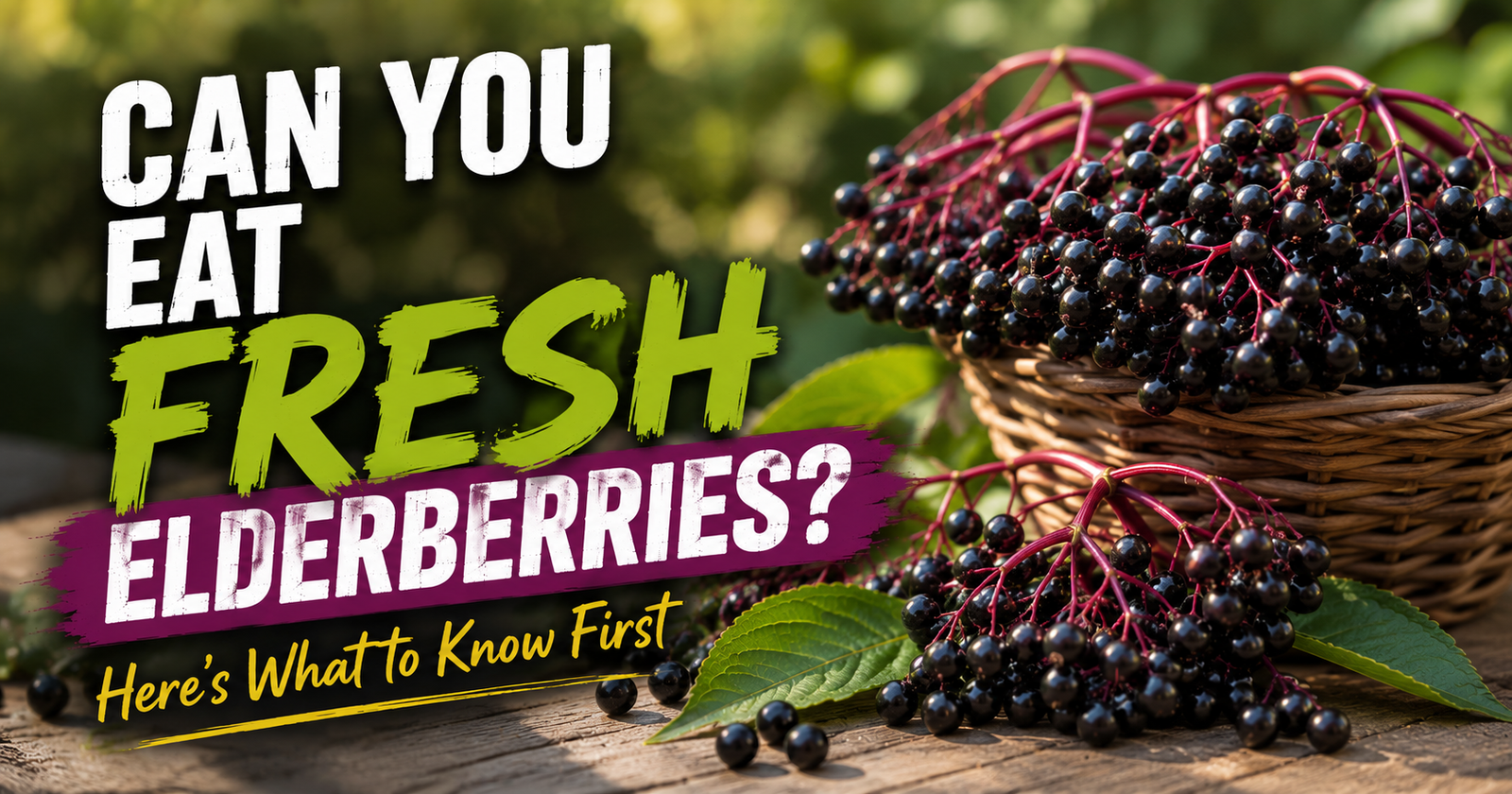
That’s one reason I keep a close eye on my bushes once fruit starts changing color. Knowing when elderberries are actually ready to harvest has helped me save a lot more berries over the years.
Starting With Healthy Plants Makes Everything Easier

If you’re planting elderberries for the first time, or you’ve decided it’s time to add a second compatible variety, don’t overlook the quality of the plants you’re buying. That decision starts with choosing quality elderberry plants, including what to look for in a trustworthy nursery and live-plant listing.
Healthy nursery stock establishes faster, develops stronger root systems, and generally gives you a much better foundation to work with.

If you’re still looking for plants, I’ve had good experiences with the live American elderberry plants from Weaver Family Farms Nursery. They also have a helpful comparison of American elderberries versus European elderberriesif you’re still deciding which type fits your growing goals.
A good harvest really starts long before the berries ever appear.
Don’t Forget What Happens After The Harvest
When your bushes finally do start producing the way you hoped, the challenge shifts from growing berries to preserving them.
Fresh elderberries don’t stay fresh very long after picking.
That’s something I learned the hard way.
Now I already have a plan before I even grab my harvest bucket.
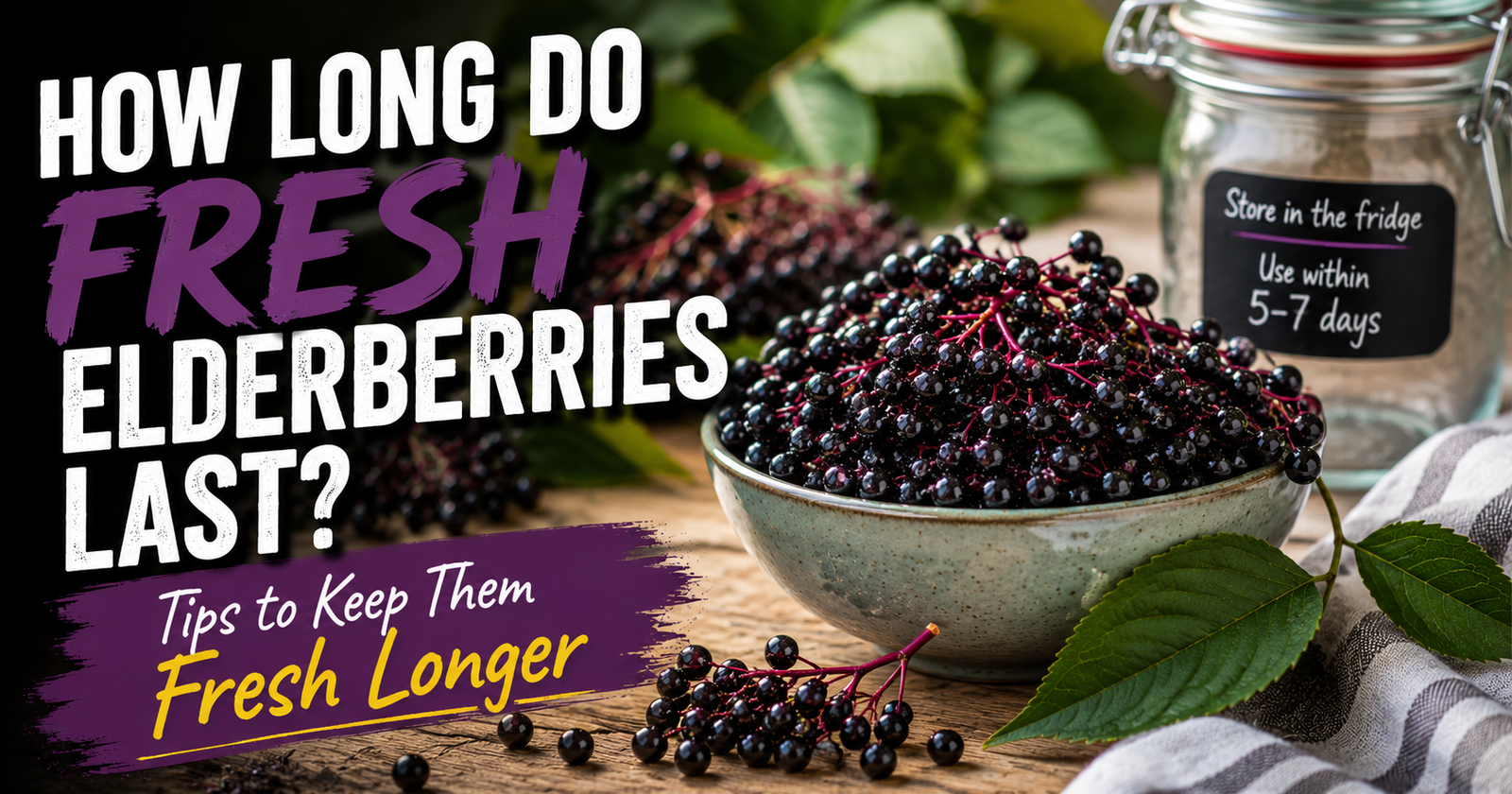
If I have time, I make syrup that day. If I don’t, I usually freeze the berries so I can deal with them later. I wrote a guide on how to keep fresh elderberries from spoiling after harvest after realizing just how quickly they can lose quality, and freezing has become my favorite backup plan whenever life gets busy.

One thing that’s made that process even easier is vacuum sealing the frozen berries. After trying several storage methods, I finally settled on the Bonsenkitchen Vacuum Sealer because it keeps freezer burn to a minimum and lets me enjoy berries months after harvest that still taste remarkably fresh.
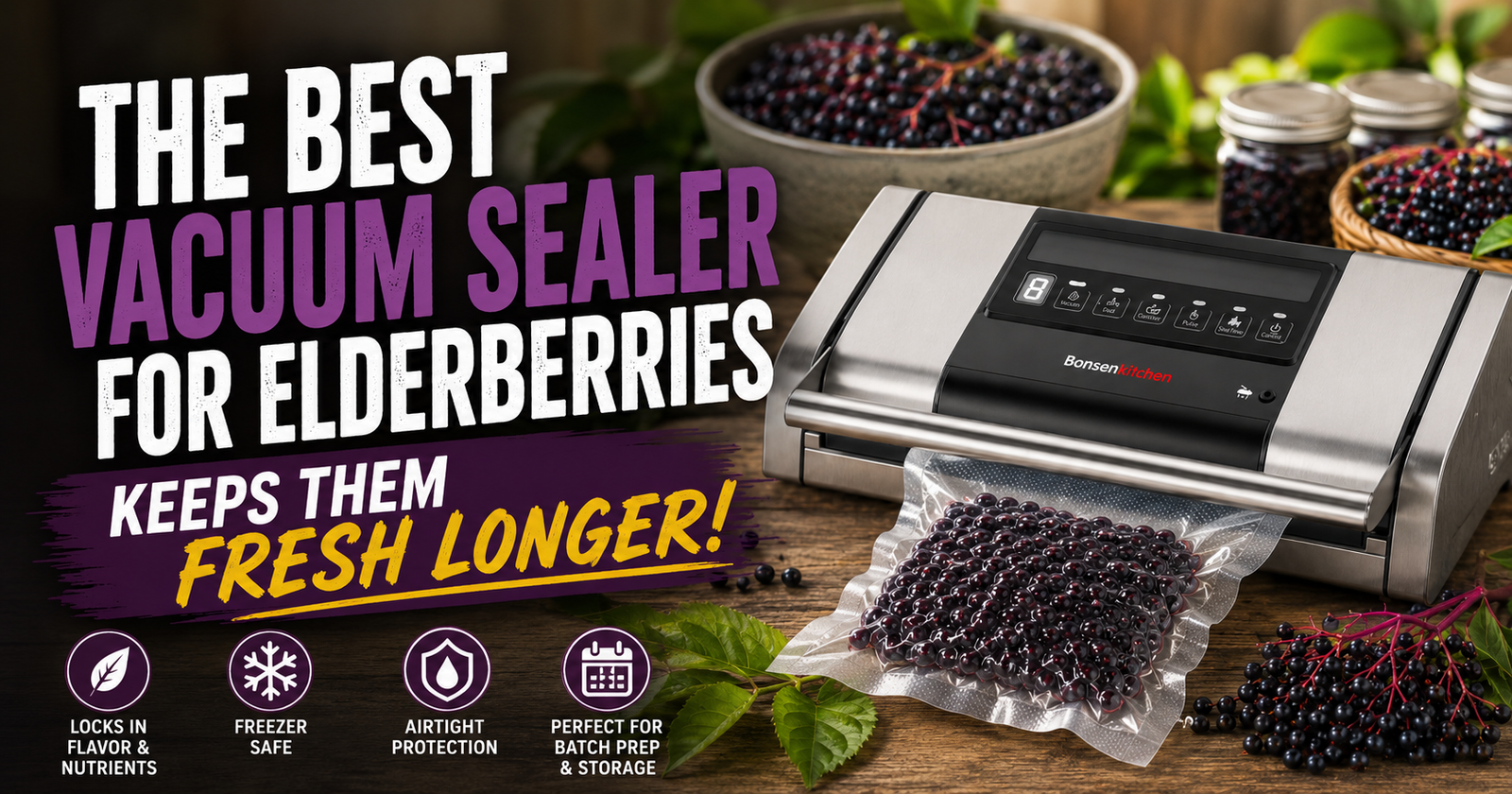
Looking back, buying a vacuum sealer probably saved more elderberries than anything else I’ve added to my kitchen. A vacuum sealer for preserving elderberries can make it easier to protect extra harvests from freezer burn and stale odors.
A Few Mistakes I See Almost Every Year
After talking with hundreds of people who are growing elderberries for the first time, I’ve noticed the same mistakes come up again and again.
The encouraging part is that nearly all of them are easy to fix once you know what to look for.
Expecting Too Much Too Soon
This is probably the biggest one.
You plant a bush in the spring and start imagining gallons of homemade elderberry syrup by fall.
When that doesn’t happen, it’s easy to think something is wrong.
Most of the time, nothing is.
Young elderberries are making an investment below ground before they make one above it. Strong roots today usually mean much larger harvests in the years ahead.
I’ve learned that growing elderberries rewards patience far more than impatience.
Planting Without Thinking About Pollination
This is another mistake that’s incredibly common.
People buy one elderberry because they only have room for one.
A few years later they’re disappointed by the harvest.
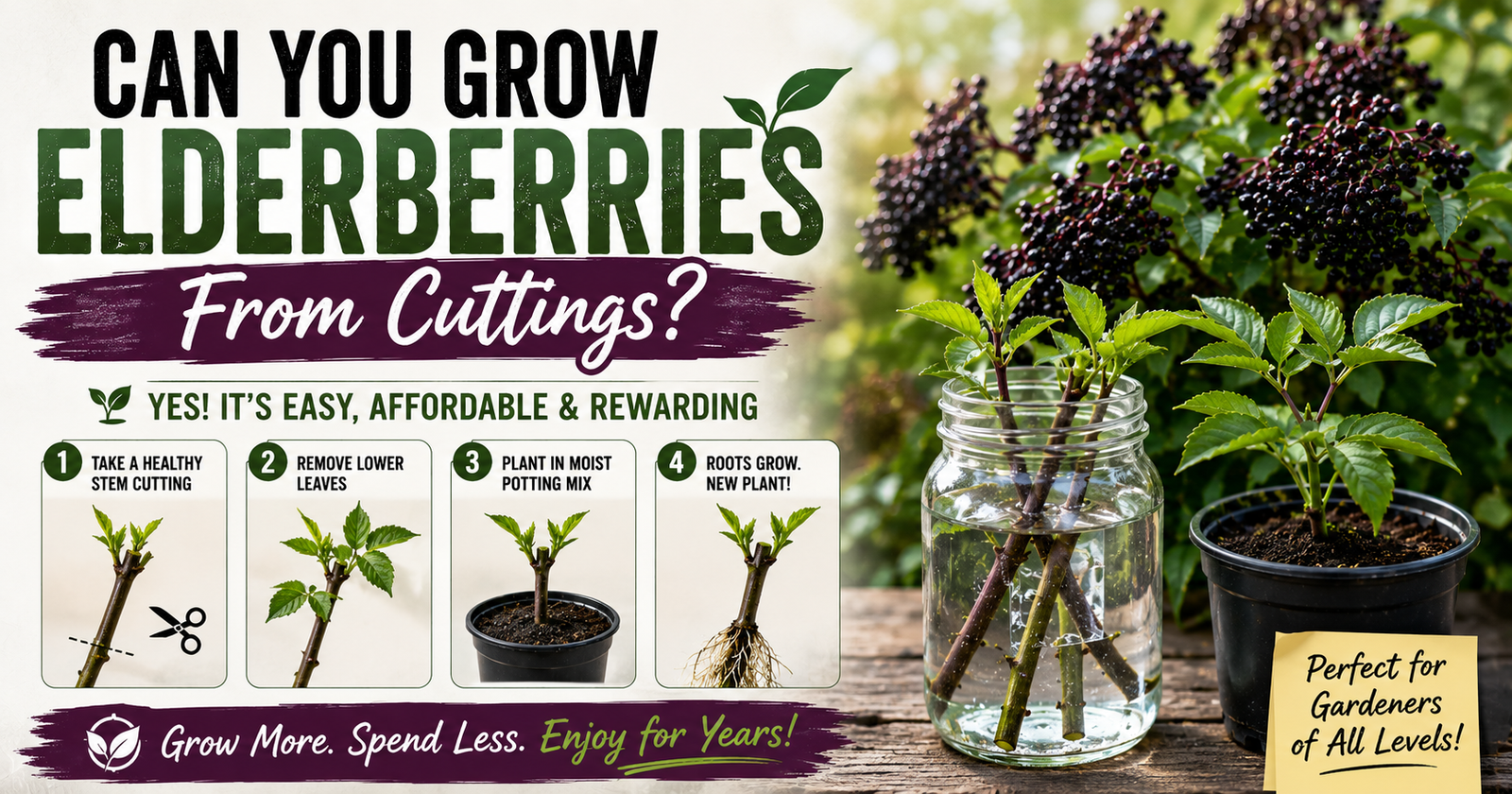
Adding a second compatible variety is often one of the easiest ways to improve production, and it’s much less expensive than replacing a mature bush that never had a chance to reach its full potential. If you need another compatible plant, you can sometimes grow another elderberry bush from cuttings instead of purchasing a replacement.
Forgetting That Weather Can Beat Perfect Gardening
One thing gardening has taught me is humility.
You can do everything right.
Plant the perfect varieties.
Water consistently.
Prune correctly.
Encourage pollinators.
Then a late frost rolls through during bloom.
Sometimes nature simply wins.
That doesn’t mean you failed.
It means gardening is always a partnership with the weather.
One poor season doesn’t tell you very much.
Several seasons together tell the real story.
Sometimes Young Bushes Simply Need More Time
One mistake I almost made when I first started growing elderberries was expecting a heavy crop far too early.
Young bushes spend their first few years developing a strong root system and producing healthy canes. During that time, the plant is investing much more energy below the ground than above it.
That can make it feel like something is wrong when the reality is simply that the bush hasn’t reached full maturity yet.
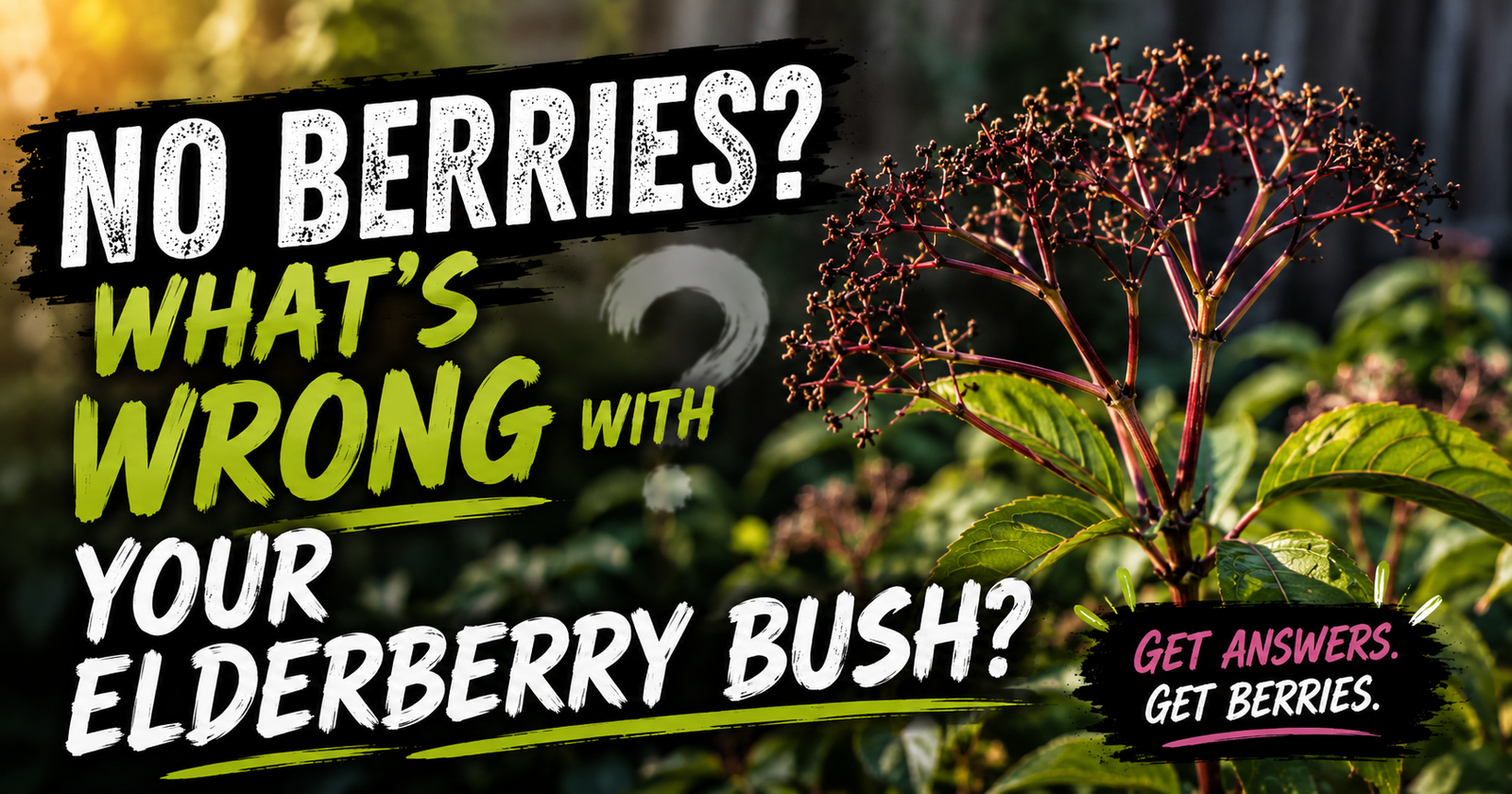
Patience is one of the most valuable tools an elderberry grower can have. If you’re wondering what’s considered a normal timeline before seeing dependable harvests, How Long Does It Take an Elderberry Bush to Produce Fruit? walks through what I’ve experienced and what most gardeners can realistically expect.
Growing Bigger Harvests Starts With Better Growing Habits
One thing I’ve learned over the years is that berry production is rarely controlled by a single factor.
Healthy harvests usually come from dozens of small decisions made throughout the growing season.
Choosing a sunny location.
Providing consistent moisture.
Giving bushes enough room to mature.
Pruning every year.
Protecting flowers and berries from wildlife.
Encouraging good pollination.
Each of those steps builds on the one before it, and together they make a tremendous difference in how productive your elderberries become over time.
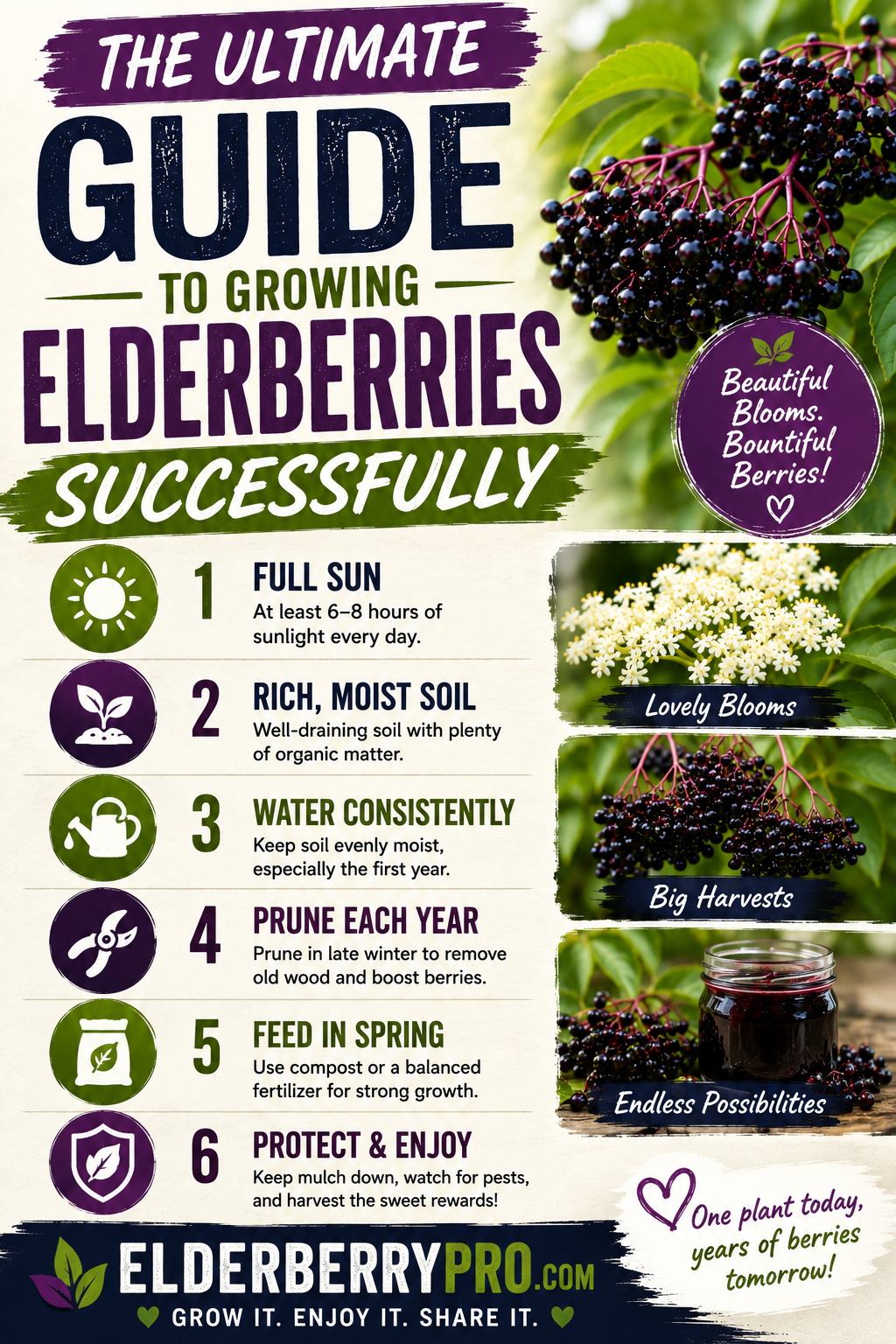
If you’re interested in improving every part of your elderberry planting instead of solving just one problem, The Ultimate Guide to Growing Elderberries Successfully brings together all of the growing techniques, troubleshooting advice, and practical lessons I’ve learned into one complete resource.
Questions People Ask Me All The Time
Should I Dig Up My Bush And Start Over?
Usually, no.
Unless the plant is diseased, severely damaged, or you’ve discovered it isn’t actually an elderberry, I almost never recommend starting over immediately.
It’s much better to figure out why the bush isn’t producing before replacing it.
Most of the time the solution is surprisingly simple.
Will Pruning Fix The Problem?
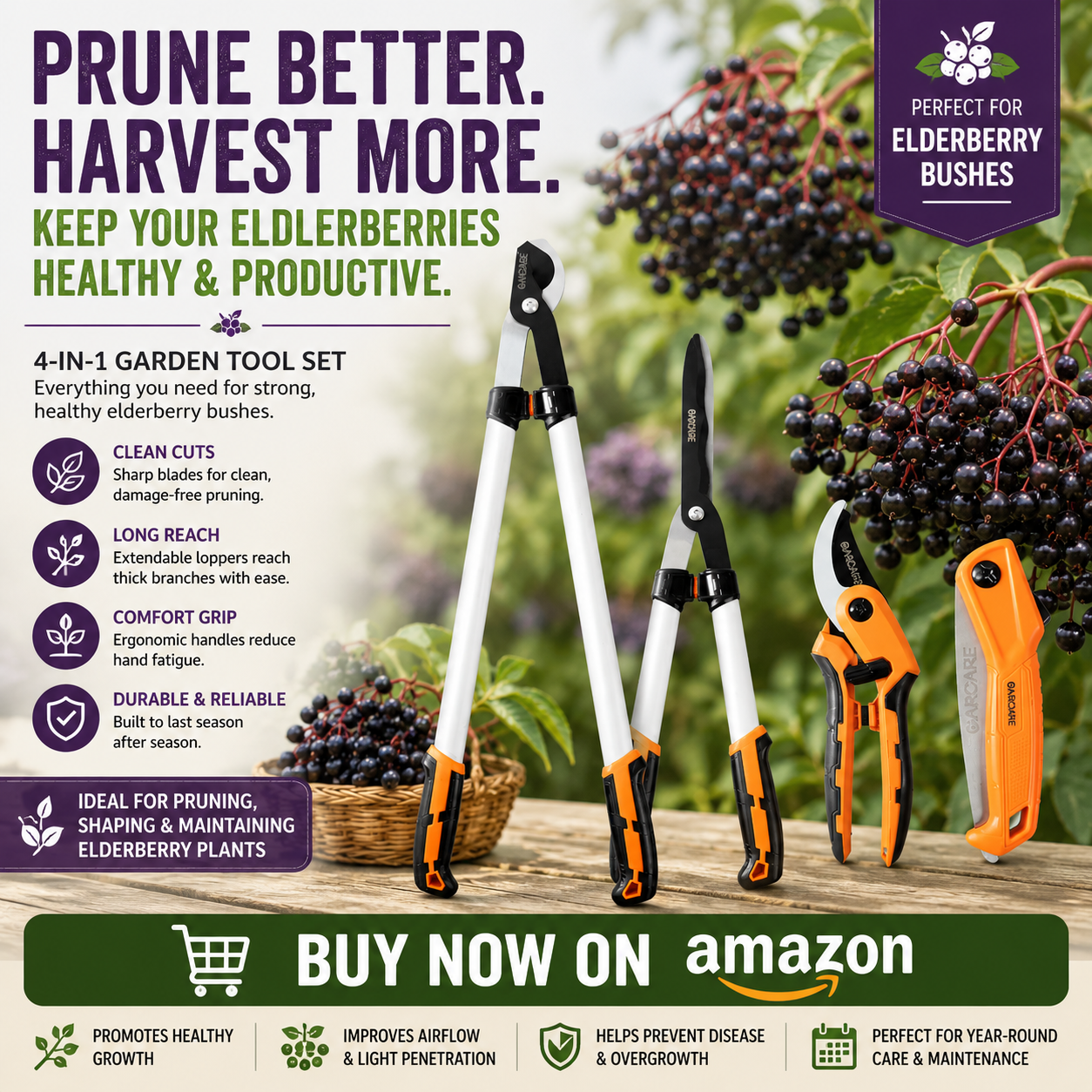
Pruning can certainly help if the bush has become crowded or contains old, unproductive canes. For hands-on cane maintenance, pruning tools for elderberry bushes may be useful when pruning is part of the solution.
But pruning alone won’t fix poor pollination, too much shade, or a bush that’s simply too young.
It’s one piece of the puzzle.
Not the entire puzzle.
Can I Move My Elderberry Bush?
You can.
Just understand that transplanting creates stress.
The bush may spend a season recovering before it returns to full production.
If you’re moving it because of too much shade, poor drainage, or another major problem, the temporary setback is often worth it.
Should I Water Every Day?
Usually not.
Deep, thorough watering is generally much better than shallow daily watering.
Strong roots develop when plants have to reach deeper into the soil for moisture.
Should I Add More Fertilizer Next Spring?
Only if your soil actually needs it.
Whenever someone tells me their elderberry has huge green leaves but no berries, adding even more nitrogen is probably the last thing I’d recommend.
It’s always better to identify the real cause before changing your fertilizer program.
The Reward Makes The Wait Worth It
One thing I love about elderberries is that they teach patience.
Unlike annual vegetables that come and go in a single season, elderberries become more valuable with every passing year.
A healthy planting can continue producing beautiful crops for many years with relatively little maintenance.
That’s why I try to think long term.
Every hour spent choosing the right location, planting compatible varieties, improving the soil, and caring for young bushes is really an investment in future harvests.
When those heavy clusters finally appear, they’re incredibly satisfying.
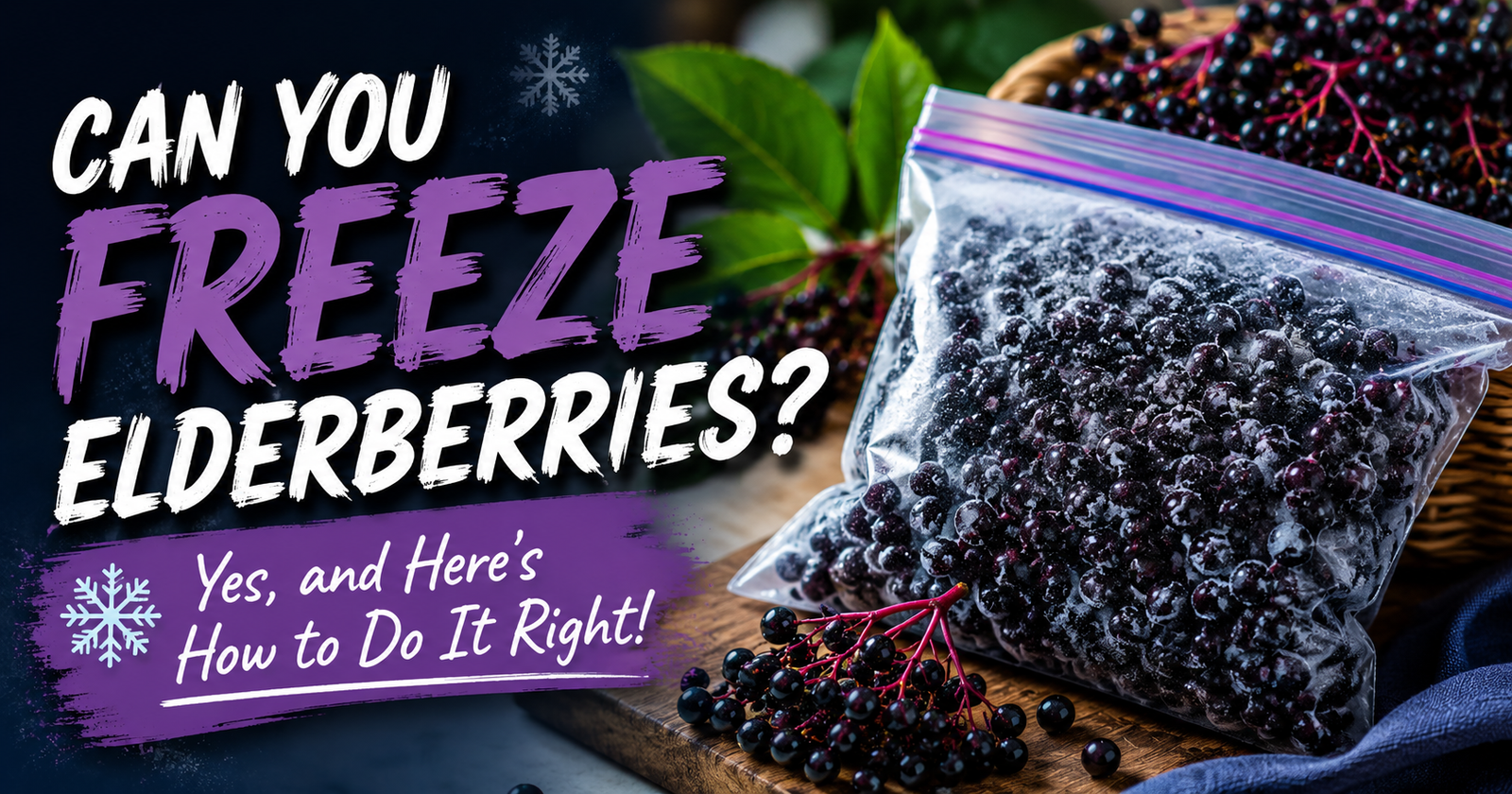
And once you’ve harvested them, don’t let all that hard work go to waste. If you have more berries than you can use right away, freeze elderberries for later can preserve the harvest until you have time to process it.
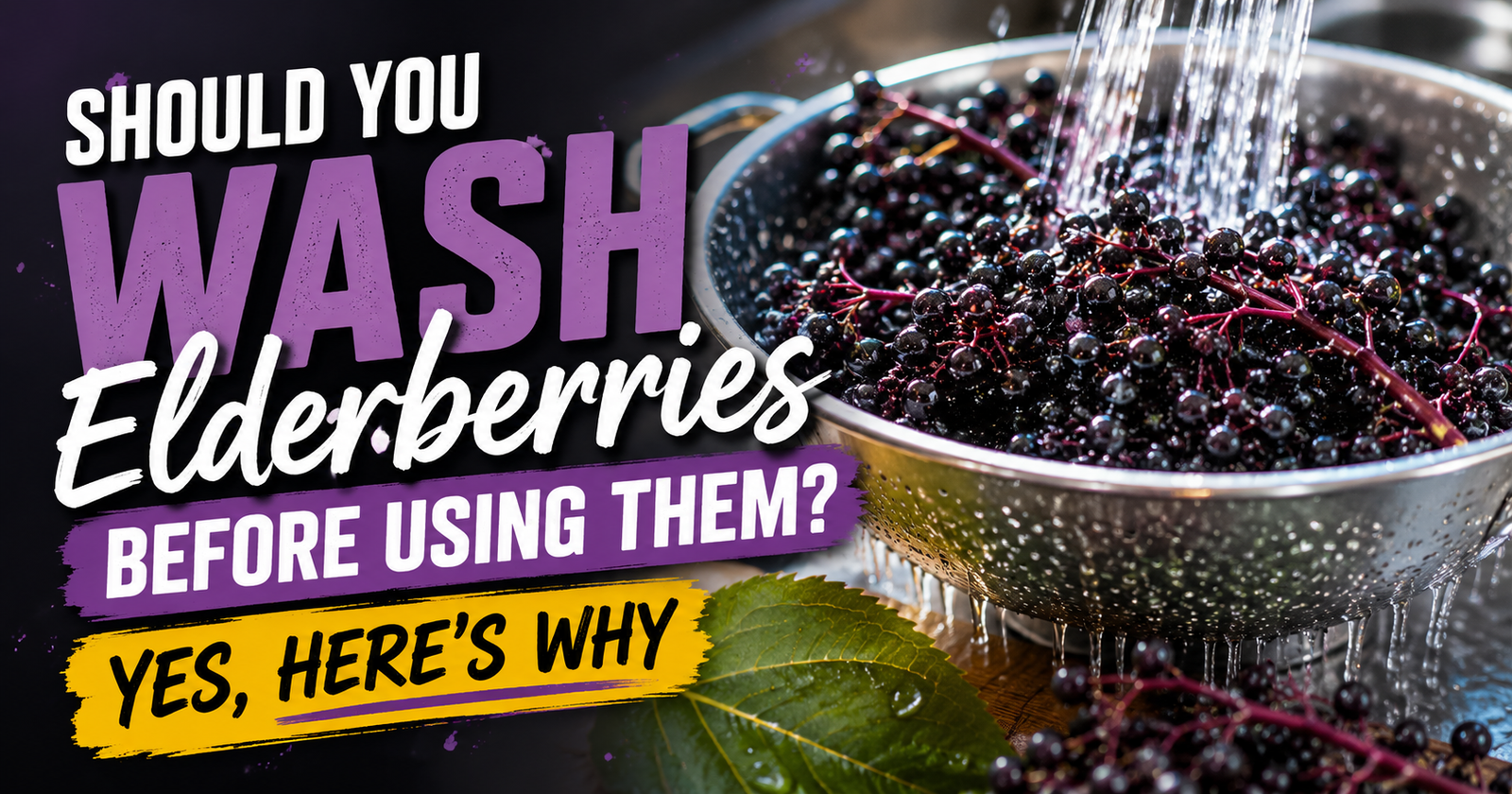
I always clean the berries thoroughly before they go into any recipe. If you’re still developing your own routine, my guide on washing elderberries before using them walks through the exact process I follow every harvest season. It’s a small step that makes a noticeable difference in the quality of homemade syrup, jelly, and wine.
Don’t Judge Your Bush By One Season
If there’s one thing I hope you take away from this article, it’s this.
Don’t give up after one disappointing harvest.
I’ve seen elderberry bushes go from producing almost nothing one year to producing more berries than a family knew what to do with the next.
Sometimes the answer is adding a second compatible variety.
Sometimes it’s moving the plant into better sunlight.
Sometimes it’s simply giving a young bush another year to mature.
The important thing is paying attention to what your plant is telling you instead of assuming it’s a lost cause.
Gardening has a way of rewarding persistence.
With a little patience and a few adjustments, today’s frustrating elderberry bush may become tomorrow’s favorite plant in your yard.
About the Author
Sarah Whitmore is a longtime backyard grower, herbal enthusiast, and independent researcher who enjoys helping home gardeners get more from their elderberry plants. Through Elderberry Pro, she shares practical growing advice, harvesting tips, recipes, and research-backed guidance to help readers confidently grow, prepare, and enjoy elderberries for years to come.