
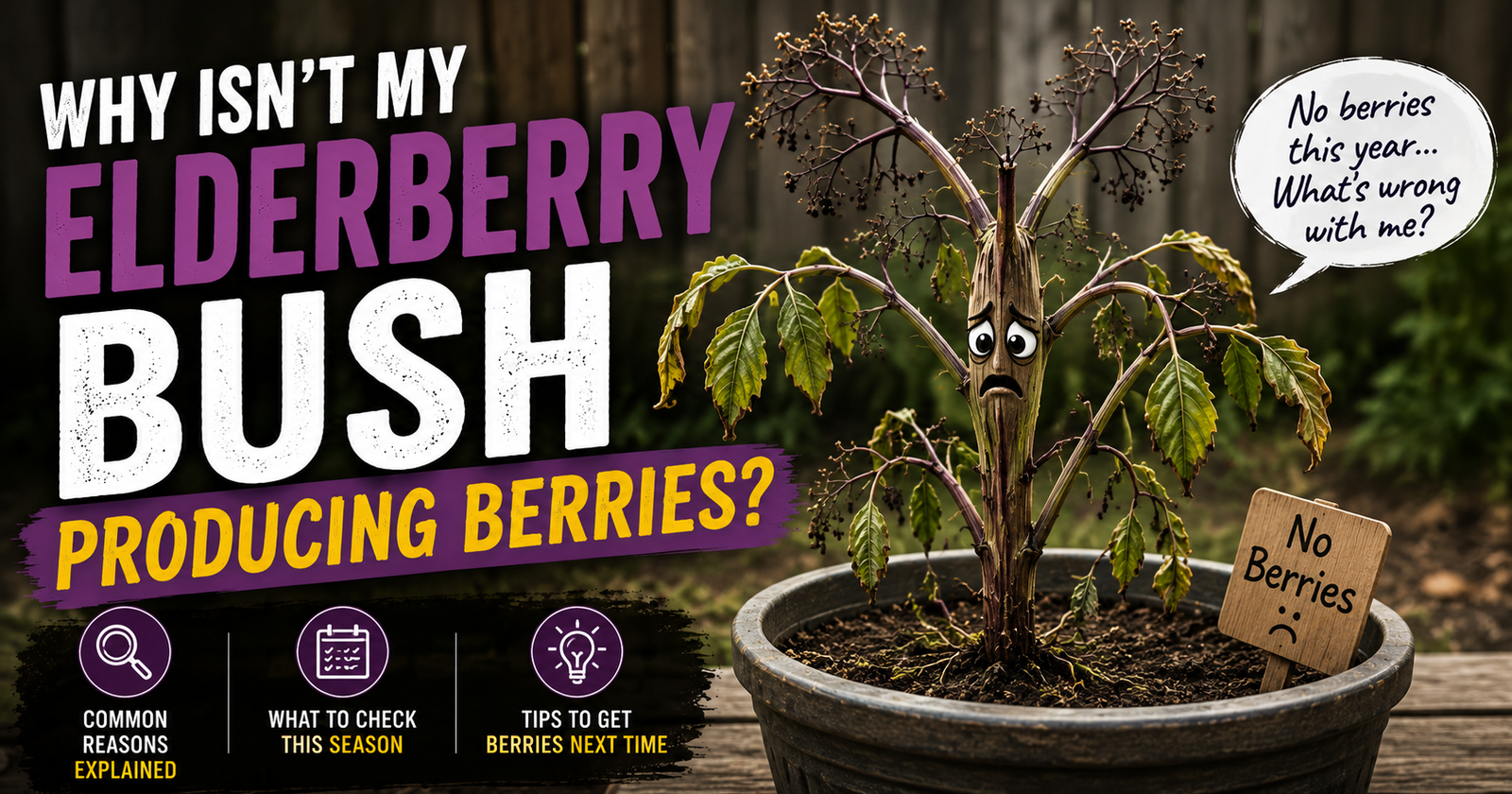
There are few things more frustrating than watching your elderberry bush grow bigger every year only to realize harvest season arrives… and there are little to no berries.
I’ve talked with quite a few gardeners who’ve experienced exactly this. In fact, I dealt with something similar myself. The bushes looked healthy. They leafed out beautifully every spring. They even seemed to be growing faster than expected.
But when it came time to harvest, there was almost nothing there.
The good news is that elderberries usually don’t refuse to produce fruit for no reason. There’s almost always an explanation, and in many cases it’s something you can fix before next season.
Let’s go through the most common reasons your elderberry bush may not be producing berries.
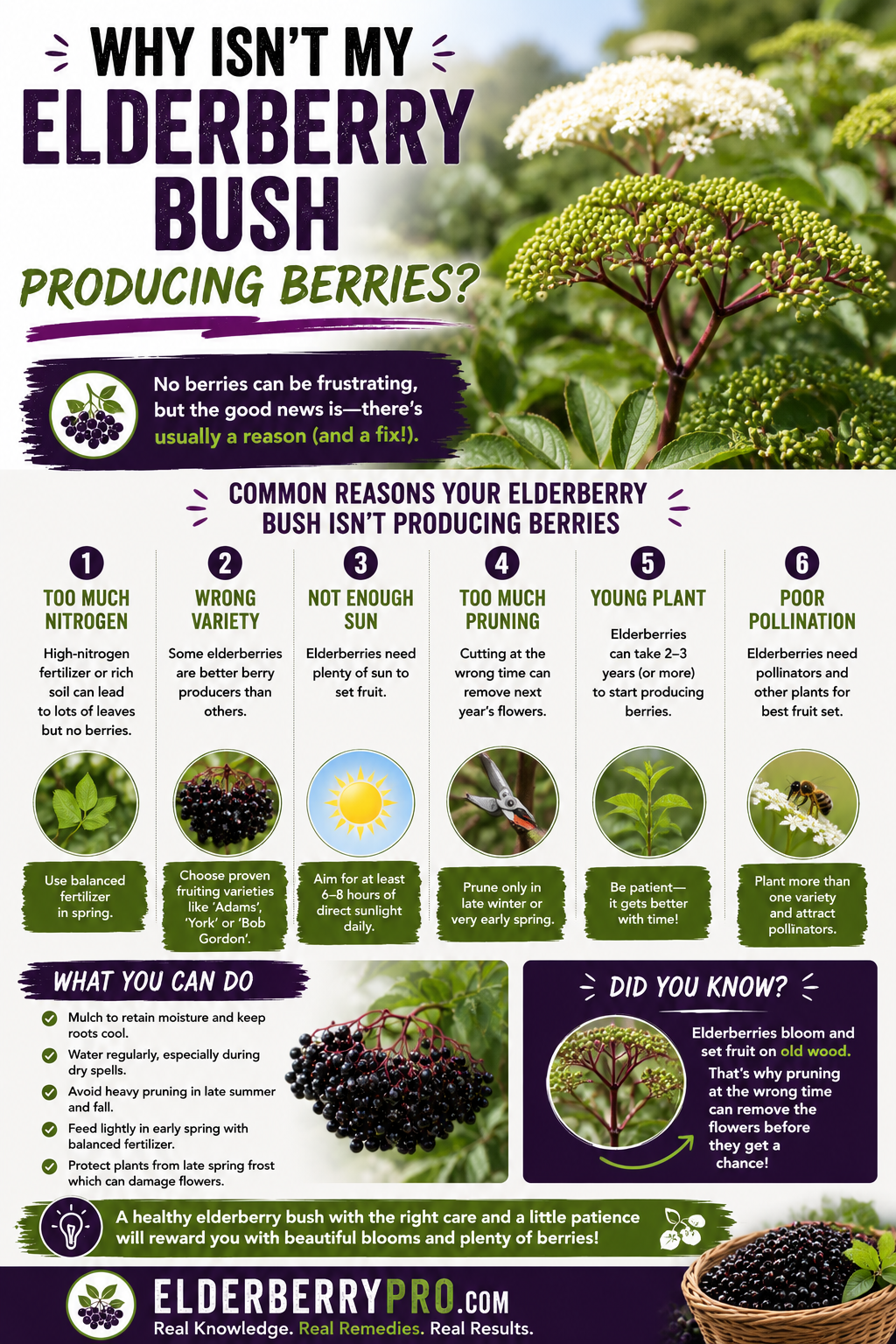
Your Elderberry Bush May Still Be Too Young
This is probably the most common reason I see.
Many people buy a young elderberry plant, put it in the ground, and expect a full harvest the following summer.
Unfortunately, elderberries don’t always work that way.
While some nursery plants may produce a few clusters fairly quickly, many bushes spend their first couple of years focusing on building a healthy root system instead of producing heavy crops.
That patience usually pays off later.
Once an established elderberry bush reaches maturity, production often increases dramatically.
If your bush is only a year or two old, time may simply be the missing ingredient.



You Only Have One Elderberry Bush
This surprises a lot of new growers.
Although some elderberry varieties are capable of producing fruit on their own, many produce significantly larger harvests when another compatible variety is growing nearby.
Cross-pollination often improves both berry production and overall yields.

If you’ve only planted one bush, adding a second compatible variety may make a remarkable difference over the next few years. If you need another bush, finding a reliable elderberry nursery can help you evaluate the seller before placing an order.
It’s one of the first things I recommend checking whenever someone tells me their healthy bush never seems to produce much fruit.



The Flowers Were Damaged
No flowers usually means no berries.
Even if your bush flowered beautifully, those blooms can still be damaged before they ever develop fruit.
Late spring frosts are one of the biggest culprits.
A bush may appear perfectly healthy while the flowers quietly suffer enough damage that very few berries ever develop.
Heavy storms, hail, unusually strong winds, and even extended periods of cold rain during bloom can also reduce fruit production.
Sometimes the problem happened weeks before you realized there would be no harvest.
Poor Pollination
Elderberry flowers depend heavily on pollinating insects.
If bees and other beneficial pollinators aren’t visiting your flowers regularly, berry production may suffer.
I’ve noticed that bushes planted near flowering gardens often seem to attract far more pollinators than bushes growing by themselves in the corner of a yard.
Avoid spraying insecticides while your elderberries are blooming whenever possible.
The more pollinators you encourage, the better your chances of seeing heavy berry clusters later in the season.
Too Much Shade
Elderberries tolerate partial shade surprisingly well.
However, they usually produce their best harvests when they receive plenty of sunlight.
If your bushes are tucked beneath mature trees or only receive a few hours of direct sun each day, that lack of light may be limiting berry production.
A healthy-looking bush isn’t always a productive bush.
Sometimes it’s simply growing enough leaves to survive instead of putting energy into fruit.
Too Much Nitrogen
This is one mistake that’s easy to make.
Nitrogen encourages vigorous leafy growth.
At first, that seems like a good thing.
Big green plants usually look healthy.
The problem is that excessive nitrogen often tells the plant to keep producing stems and leaves instead of flowers and fruit.
I’ve seen elderberry bushes that looked absolutely incredible from a distance but produced almost no berries because they had been overfertilized.
More fertilizer isn’t always better.


Improper Pruning
Pruning plays a much bigger role than many people realize.
Removing too much older wood at the wrong time can reduce next year’s harvest.
On the other hand, never pruning at all can eventually create overcrowded bushes with reduced airflow and lower production.
Finding the right balance is important.
I generally focus on removing damaged, dead, or very old canes while allowing vigorous younger growth to replace them over time.
Your Bush Is Under Stress
Plants often respond to stress by reducing fruit production.
Common stressors include:
- Drought
- Standing water
- Poor soil drainage
- Root damage
- Severe transplant shock
- Competition from weeds
A stressed elderberry bush is often more concerned with surviving than producing berries.


Wildlife Beat You To Them
Sometimes the berries were there.
You just never saw them.
Birds absolutely love ripe elderberries.
Depending on where you live, they can strip an entire bush surprisingly fast.

I’ve also seen deer browse elderberry plants, although the amount of damage varies greatly from one area to another. Where browsing is reducing the plant’s growth, a deer repellent for elderberry bushes could be considered as one protective measure.
If your berries seem to disappear overnight, wildlife may deserve more blame than the plant itself.
Harvest Timing Matters
Believe it or not, some gardeners think their bushes never produced berries when the real problem was simply missing harvest season.
Ripe elderberries don’t stay on the bush forever.
Once they reach peak ripeness, birds, weather, and natural fruit drop can quickly reduce what remains.
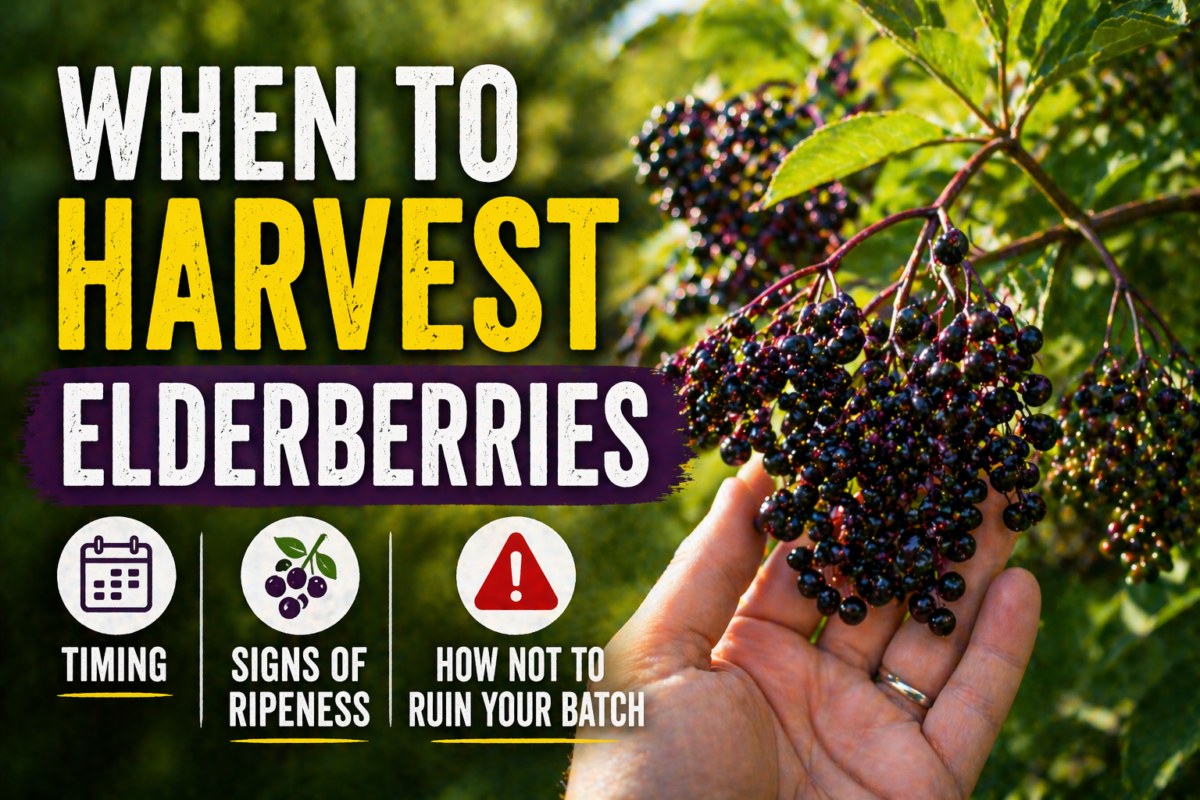
If you’re still learning exactly when berries should be picked, my guide on when to harvest elderberries without ruining your crop explains the signs I look for every season before bringing out the pruning shears.


Healthy Plants Start With Proper Identification
This may sound obvious, but it’s worth mentioning.
I’ve seen people spend months trying to figure out why their “elderberry” wasn’t producing fruit only to discover they weren’t growing elderberries at all.
Several shrubs can look surprisingly similar when they’re young.
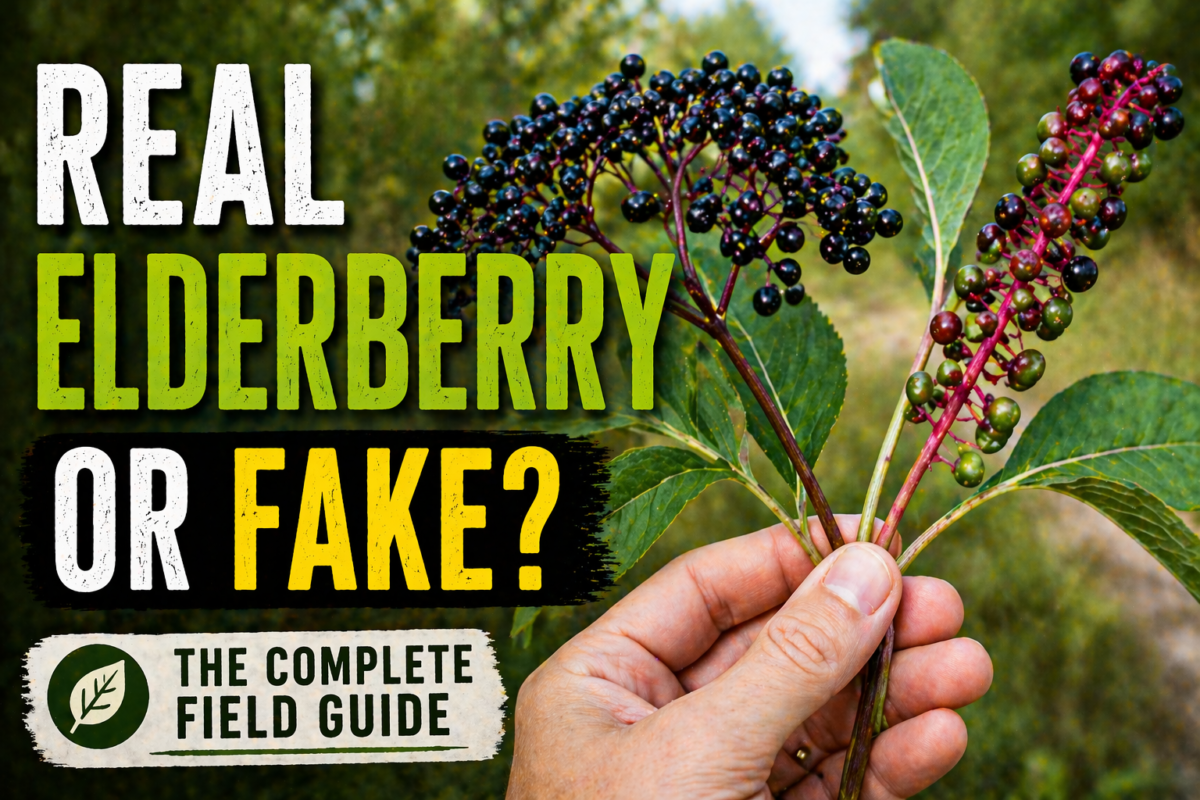
Before spending money on fertilizer or making major changes, make sure you’re actually growing the right plant. My complete elderberry identification guide walks through the characteristics I rely on whenever I’m identifying plants in the yard or while foraging.
Good Harvests Start Long Before Harvest Season
One thing I’ve learned over the years is that successful harvests begin months before berries ever ripen.
Healthy plants, good pollination, proper pruning, and adequate sunlight all work together to produce heavy clusters.
Then, once the berries finally arrive, it’s important to handle them correctly.
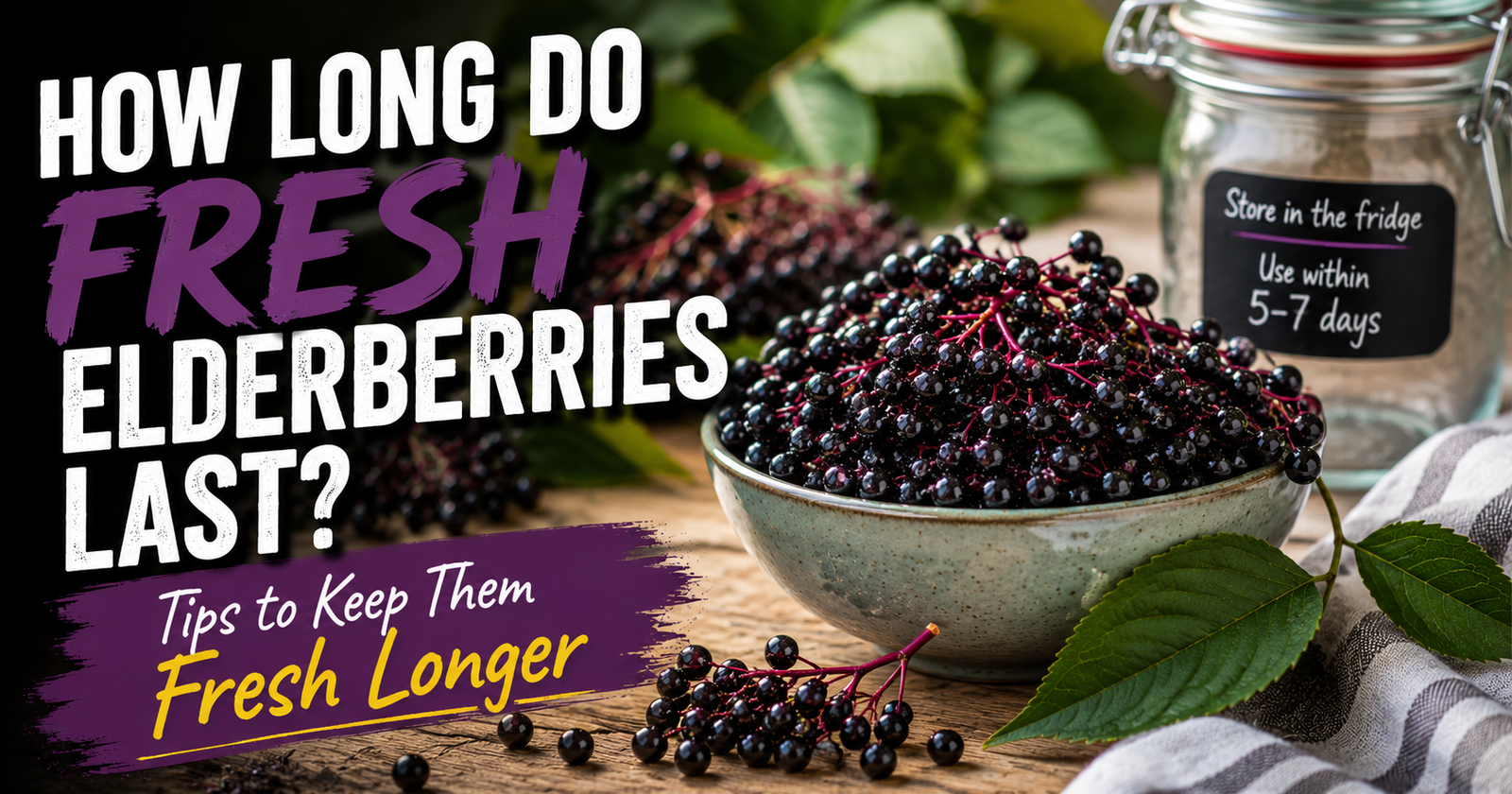
Fresh elderberries don’t stay at their best for very long, which is why I either make syrup right away or preserve the harvest. If I’m not using them immediately, I usually follow my own advice for keeping fresh elderberries from spoiling after harvest or freeze the berries for later recipes so nothing goes to waste.
Common Mistakes That Delay Berry Production
After talking with gardeners over the years, I keep seeing the same mistakes come up.
Planting In Deep Shade
Elderberries appreciate sunlight.
Too much shade often means fewer flowers and fewer berries.
Expecting Huge Harvests Too Soon
Young bushes need time.
Patience is often rewarded.
Forgetting About Pollination
A second compatible variety can make a noticeable difference.
Feeding Too Much Fertilizer
Lush leaves don’t always equal a good harvest.
Ignoring Water During Dry Spells
Even established bushes benefit from consistent moisture during prolonged dry weather.
Questions I Hear Every Year
Can I Get Berries The First Year?
Sometimes.
However, most gardeners should expect modest production until the plant becomes well established.
Will Pruning Hurt Berry Production?
Not when done correctly.
In fact, proper pruning often improves long-term production by encouraging healthy new growth and better air circulation.
Can A Healthy Bush Skip A Year?
Yes.
Weather, pollination problems, wildlife, and environmental stress can all reduce production during a particular season without indicating that anything is permanently wrong.
Should I Fertilize More If There Are No Berries?
Not automatically.
If your bush already has vigorous green growth, adding more nitrogen may actually make the problem worse.
It’s usually better to determine why berries aren’t developing before adding fertilizer.
Don’t Give Up On Your Elderberry Bush
One disappointing season doesn’t mean your elderberry bush is a failure.
Most production problems can be traced back to one or two specific causes, and many are surprisingly easy to correct.
I’ve seen bushes go from producing only a handful of berry clusters one year to producing buckets of fruit the next after improving pollination, adjusting pruning, or simply giving the plants another year to mature.
Growing elderberries is a long-term investment.
A little patience, careful observation, and a few small adjustments often lead to the harvest you’ve been hoping for.
About the Author
Sarah Whitmore is an herbal enthusiast, backyard grower, and independent researcher who has spent years growing elderberries, preserving seasonal harvests, and studying traditional methods of cultivating medicinal plants. Through Elderberry Pro, she shares practical gardening advice, safety information, recipes, and hands-on growing guides to help readers get the most from every elderberry bush.