

Are Elderberries Poisonous to Dogs?
Yes, elderberries can be poisonous to dogs—especially if eaten raw. While elderberries are often praised for their immune-boosting benefits in humans, the same can’t be said for our four-legged friends. The stems, leaves, and raw berries of the elderberry plant contain cyanogenic glycosides, which can release cyanide in the digestive system. Even small amounts may cause mild symptoms, but larger doses can be dangerous.
Most people mean well when they give their dogs a nibble of what they’re eating. I get it—I’ve done it too. But elderberries are one of those things that are better off kept far out of your dog’s bowl. Whether your dog eats berries off a bush in your yard or grabs a dropped gummy on the kitchen floor, it could spell trouble.

Can Dogs Eat Elderberries in Any Form?
Here’s the bottom line: dogs should not eat elderberries in any form, especially not raw. Even elderberries that are dried, frozen, or in supplement form still pose a risk unless they are specifically made for pets (which is rare). That includes:
- Raw elderberries: Toxic, period.
- Dried or frozen elderberries: Still dangerous unless fully cooked.
- Elderberry syrup or gummies: Often contain added sugars or xylitol, which is extremely toxic to dogs.
- Tea, juice, or tinctures: Not safe, and usually too concentrated.

It doesn’t matter if the elderberry product says “natural,” “organic,” or “sugar-free.” These health words apply to humans—not your pup. Always assume any elderberry product in your home is off-limits to your dog. Because gummies may contain additional ingredients, Can Dogs Eat Elderberry Gummies? covers what to check if your dog gets into them.
For those of us who keep elderberry supplements in the cabinet (especially during cold and flu season), it’s a good reminder to store them like medication—high up and away from paws.
What Happens If a Dog Eats Elderberries?

If your dog snuck a bite of elderberry, here’s what you may notice within a few hours: Recognizing Elderberry Poisoning Symptoms in Dogs: Signs Every Owner Should Know can help you decide how urgently to contact a veterinarian.
- Vomiting
- Diarrhea
- Weakness or lethargy
- Drooling
- Seizures (in more serious cases)
- Dilated pupils
- Difficulty breathing
I’ve seen dogs act totally normal one minute, then suddenly start vomiting and drooling just from eating something unexpected in the yard. Elderberries are one of those sneaky culprits.
The reason these symptoms happen is due to the natural compounds in elderberries that release cyanide. This affects the cells’ ability to use oxygen—so yeah, it’s as serious as it sounds.
If your dog shows any of the above symptoms and you even suspect elderberry exposure, call your vet or poison control right away.

What to Do If Your Dog Eats Elderberries
First, don’t panic—but act quickly. Time matters when it comes to toxins.
Here’s what to do:
- Call your veterinarian or the Pet Poison Helpline (855-764-7661).
- Don’t induce vomiting unless specifically told to by a vet.
- If you know what kind of elderberry product was eaten (fresh berries, dried powder, syrup, etc.), tell your vet.
- Try to estimate how much your dog may have eaten and how long ago it happened.
- Watch for symptoms like vomiting, fatigue, or difficulty breathing.
The sooner your vet knows what happened, the better the outcome. Most dogs recover well with fast treatment, but don’t try to treat it at home without professional advice.



Why Are Elderberries So Dangerous for Dogs?
Let’s break it down: elderberries (especially the American and European varieties) contain cyanogenic glycosides in the stems, leaves, bark, and unripe or raw berries. When digested, these compounds release cyanide—yes, the same toxic stuff you’re thinking of.

Humans can safely consume elderberries only after they’ve been cooked properly to break down these toxins. But dogs don’t have that luxury of processing food safely in the same way we do. Their smaller size, different metabolism, and sensitive digestive systems mean that even a little raw elderberry can be too much. For the pet-specific distinction between cooked and raw berries, see Can Dogs Eat Cooked Elderberries? What Every Dog Owner Should Know.

This is especially important to remember if you grow elderberries in your yard. I’ve seen dogs get curious and chew on fallen fruit or nibble on the bush itself. That’s an emergency waiting to happen. If elderberries grow where your dog can reach them, review the elderberry plant risks for dogs before exposure occurs: Are Elderberry Plants Toxic to Dogs? What Owners Should Know.
Are Any Elderberry Products Safe for Dogs?
There are very few elderberry products that are marketed for dogs, and even those should be looked at cautiously. A few companies may claim their dog supplements include elderberry, but unless they are vet-formulated, cooked correctly, and free of harmful additives, I personally would skip it.
Most elderberry syrups or gummies you see online or in your cabinet include things like:
- Xylitol (deadly for dogs even in small doses)
- Cane sugar or high fructose corn syrup
- Essential oils or herbal blends not dog-safe
That’s why I strongly advise not giving any elderberry product to your dog unless your vet recommends it and you fully trust the brand. Better safe than heartbroken.



Better Immune Support Options for Dogs
If you’re looking to boost your dog’s immune system, the good news is there are safer alternatives than elderberry. Instead of taking a risk, here are dog-friendly immune boosters many pet owners (including me) trust:
- Dog-safe probiotics
- Omega-3 fatty acids from fish oil
- Vet-approved multivitamins
- Fresh foods like carrots, pumpkin, or blueberries in moderation
You’ll find lots of vet-backed options made just for dogs—no need to get creative with human remedies.
If you’re into the natural health world like I am, it’s tempting to want to give your pet the same good stuff you’re taking. But elderberry’s just not the one to share.

Understanding a Dog’s Digestive System: Why Elderberries Are a Bigger Risk Than You Think
Here’s something most people don’t think about—your dog’s gut works very differently from yours. Their digestive tract is shorter and designed to handle raw meats and limited plant material. That’s why things like cooked bones, certain fruits, or fibrous veggies can cause serious problems.
When a dog eats elderberries (especially raw ones), the toxic compounds begin to ferment and react quickly in the stomach. This can lead to immediate signs like vomiting and diarrhea—or worse, seizures or respiratory distress if enough was eaten.
I’ve talked to a few vet techs who say berry poisoning in dogs isn’t uncommon—especially when people grow fruiting bushes or trees in their backyard. One even told me a small terrier got sick after nibbling on dried elderberries a neighbor threw out in their compost pile. That’s how easy it is for these kinds of accidents to happen.



The Hidden Dangers in Homemade Treats
Homemade dog treats are super popular—heck, I’ve made pumpkin and peanut butter biscuits myself—but some homemade remedies meant for humans can be dangerous when shared with pets.
There are blogs and social media posts suggesting elderberry can be safely used in DIY dog immune treats if “you know how to prepare it,” but that’s a slippery slope. Unless you’re a trained herbalist or veterinarian, the margin for error is too slim.
The key problem here is that not all elderberries are created equal. The American elderberry (Sambucus canadensis) has a lower toxicity level than the European elderberry (Sambucus nigra), but both must be cooked thoroughly to be safe for humans—let alone pets.
Dogs simply shouldn’t be the test subjects for your immune-boosting experiments, no matter how good your intentions.
Symptoms of Elderberry Poisoning in Dogs: What to Watch For

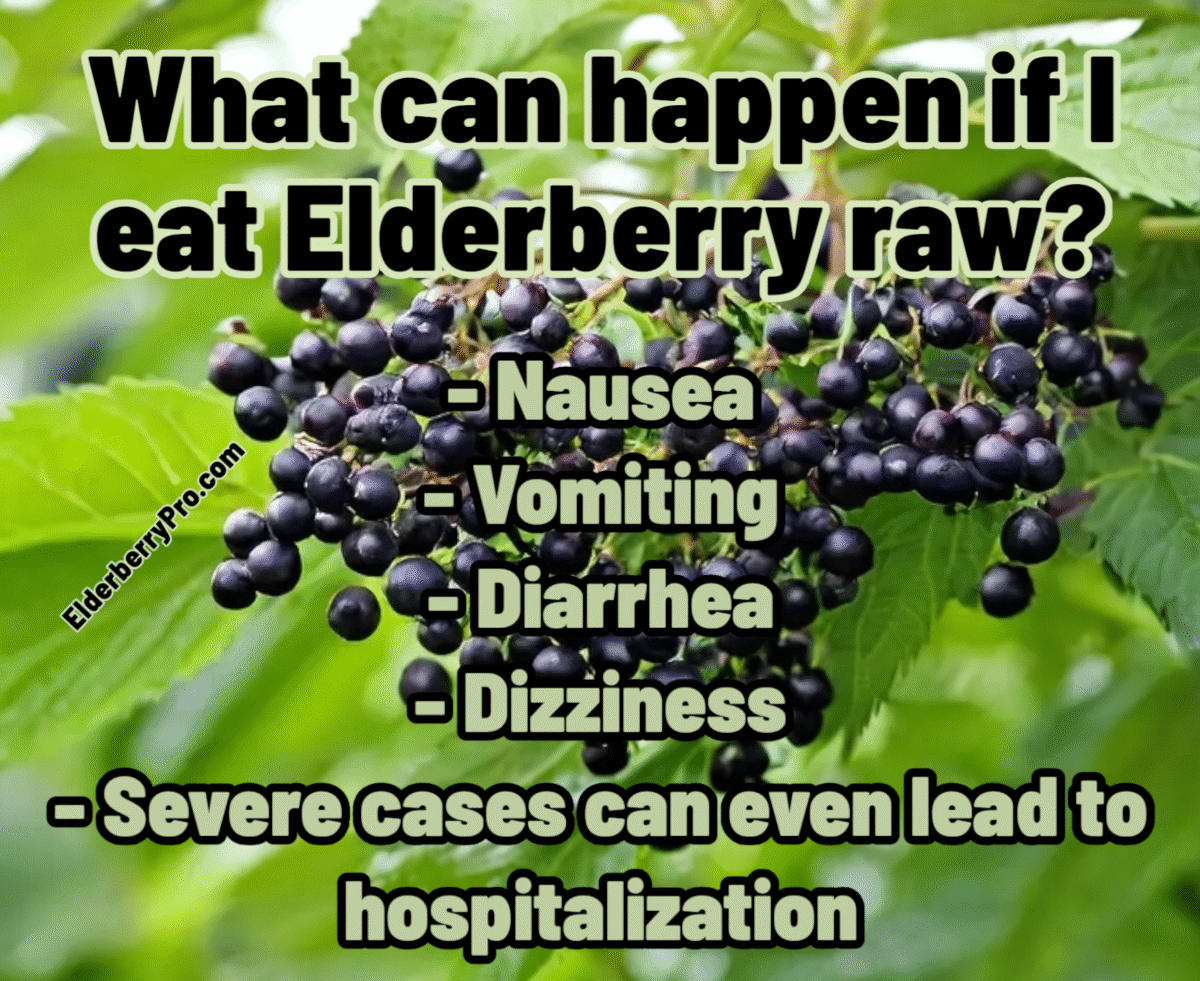
Let’s say your dog just ate a few elderberries off the ground—or chewed on part of the plant. What happens next? If the berries were raw, What Happens If My Dog Eats Raw Elderberries? explains the immediate steps and warning signs to watch for.
Here are the most common symptoms of elderberry toxicity in dogs to watch for:
- Vomiting and diarrhea (usually the first signs)
- Lethargy or weakness
- Loss of appetite
- Excessive drooling
- Labored breathing
- Seizures
- Sudden collapse
These symptoms can show up within minutes or a few hours, depending on how much was eaten and your dog’s size and health. If you see anything out of the ordinary and suspect elderberry ingestion, go straight to the vet or call the pet poison hotline.
Pro tip: Keep the ASPCA Animal Poison Control number saved in your phone — (888) 426-4435 — just in case. You don’t want to be searching for it when minutes count.


What to Do if Your Dog Eats Elderberries
If you’ve caught your dog mid-snack in the elderberry bush or notice chewed stems, don’t panic—but act fast. Here’s a solid step-by-step protocol:
- Remove any visible berries or plant material from their mouth.
- Keep them calm—stress can make things worse.
- Call your vet or the poison control hotline immediately.
- Take note of how much was eaten, the part of the plant, and how long ago it happened.
- Watch for symptoms, even if your dog seems fine initially.
Never try to induce vomiting at home unless a vet specifically instructs you to. Some substances, including elderberry, can cause even more damage coming back up.
And if it turns out to be a false alarm? Good! But trust me, it’s better to check and be safe than to regret a delay.

Is Cooked Elderberry Safe for Dogs?
Even cooked elderberries are still a maybe at best. While cooking does eliminate the cyanogenic glycosides that release cyanide, most elderberry syrups or cooked mixtures also contain sweeteners and spices that are not safe for dogs, like:
- Xylitol (deadly)
- Nutmeg or clove
- High sugar content
- Citrus oils
Plus, there’s no official dosage or guideline from veterinary authorities saying how much elderberry a dog can have—or if they even benefit from it at all.
There’s zero solid evidence showing elderberry improves dog immunity. So why risk it? A few blueberries or some omega-rich fish oil are much safer and actually recommended by vets.
What Vets Say About Elderberry for Dogs
Most veterinarians fall on the same side of this issue: avoid elderberry unless there’s a proven benefit and it’s prepared safely.
Some holistic vets may explore elderberry extracts that are formulated specifically for dogs—but that’s typically done under close supervision. I’ve asked three different vets about this during routine visits for my own dogs, and every single one gave me a hard “no” when I asked about giving them elderberry gummies or syrup.
Their reasoning is simple: There are plenty of safe, effective ways to support canine immunity. Elderberry just isn’t one of them.

Elderberry Bush Safety Tips for Pet Owners
If you’re growing elderberries in your garden or you live near wild ones, here’s how to stay on the safe side:
- Fence off the area where elderberries grow if you have outdoor pets.
- Pick ripe berries immediately and clean up any that drop to the ground.
- Trim low-hanging branches to keep them out of reach.
- Compost safely—don’t throw elderberry parts into open piles where pets roam.
Elderberry plants are beautiful, beneficial, and even medicinal—but they weren’t meant to be chew toys for dogs.
Why Some People Still Think It’s Okay (And Why It’s Not)
Some blogs or forums might suggest that “a little elderberry won’t hurt” or that dogs in the wild eat berries all the time. While it’s true dogs are opportunistic scavengers, that doesn’t mean they should eat everything they come across.
Plus, wild dogs and wolves aren’t exactly living long, cushy lives free from disease and organ failure. Nature isn’t always the gold standard for nutrition—it’s about survival, not optimal health.
If you love your dog like family (I know I do), then it just makes sense to keep them away from foods that could cause even mild toxicity.

Keep the Elderberry for You, Not the Dog
I love elderberries. I use elderberry syrup almost daily during cold season and rely on elderberry gummies when I feel something coming on. But when it comes to dogs? Elderberries are a no-go.
Here’s what I always remind myself:
Just because it’s good for humans doesn’t mean it’s good for our dogs.
So the next time your pup gives you the eyes while you’re popping an elderberry gummy, give them a safe treat instead—and keep those berries well out of reach.

Want to know more about elderberry safety for people? Don’t miss our deep dive here:
Never Eat Elderberries Until You Read This

And if you’re growing elderberries at home, check out this helpful page for sourcing the safest plants and learning to prepare them correctly:
Where to Buy American Elderberry Plants (My Real Experience)
Is Elderberry Safe for Cats?
While most of the questions we get are about dogs, cat owners ask this too — so it’s worth addressing directly.
No. Elderberry is not considered safe for cats either.
Cats are actually more sensitive to many plant toxins than dogs are. Their livers lack certain enzymes that help process and eliminate plant compounds, making them more vulnerable to toxicity from things that might only mildly affect a larger dog.
The same cyanogenic glycosides that make raw elderberries dangerous for dogs apply to cats — arguably more so. And the fact that cats are smaller on average means even a small amount represents a proportionally higher dose.
Keep elderberry products — syrup, gummies, dried berries, tea — stored completely away from cats just as you would dogs. If your cat has accessed any elderberry product, contact your vet or the ASPCA Animal Poison Control Center at (888) 426-4435 immediately.
Can Dogs Have Elderberry Tea?
No. Elderberry tea is not safe for dogs.
This question comes up because tea sounds gentler and more diluted than syrup or raw berries — and in terms of human consumption that’s true. But for dogs, the concentration of cyanogenic compounds in even a diluted elderberry tea is enough to cause concern, and the other common tea ingredients make it worse.
Most elderberry teas also contain:
Cinnamon — can cause liver damage in dogs in sufficient quantities
Clove — contains eugenol, which is toxic to dogs
Ginger — generally okay in tiny amounts but can cause digestive upset
Honey — not toxic but high in sugar and unnecessary for dogs
Citrus — toxic to dogs
Even if you brewed a pure elderberry-only tea with no additives, giving it to your dog introduces compounds their system isn’t equipped to handle safely. The answer is the same as for every other form of elderberry: keep it away from your dog entirely.
Can Dogs Have Elderberry Gummies?
Absolutely not — and elderberry gummies may actually be the most dangerous form of elderberry for dogs specifically.
Here’s why gummies are particularly risky beyond the elderberry itself:
Xylitol — this sugar substitute is extremely common in gummies, including many elderberry gummy brands. Xylitol causes a rapid and dangerous drop in blood sugar in dogs (hypoglycemia) and can cause liver failure. It can be fatal even in small amounts. A single gummy containing xylitol is a veterinary emergency for a small dog.
Sugar alcohols — even without xylitol specifically, other sugar alcohols like sorbitol and maltitol cause significant gastrointestinal distress in dogs.
Concentrated elderberry extract — gummies often use more concentrated elderberry than syrup, meaning the toxic compounds are present in higher density per bite.
If your dog has eaten an elderberry gummy, check the ingredient label immediately for xylitol and call your vet or poison control right away regardless — don’t wait for symptoms to appear. With xylitol specifically, symptoms can develop within 30 minutes and waiting is not an option.
Is Elderberry Toxic to Dogs Even in Small Amounts?
This is the question people really want answered — because their dog grabbed one berry off the ground and they want to know if they need to panic.
The honest answer: it depends on the amount, the part of the plant, whether it was raw or cooked, and the size of your dog.
One or two ripe raw berries consumed by a large dog: likely to cause mild digestive upset — vomiting or diarrhea — but probably not life-threatening. Still worth calling your vet to report it.
A handful of raw berries or any amount of leaves/stems: more serious concern regardless of dog size. Call your vet immediately.
Any amount consumed by a small dog or puppy: the threshold for toxicity is proportionally lower. Don’t wait for symptoms. Call poison control.
A dropped elderberry gummy: check for xylitol on the label immediately and call your vet. This is potentially more urgent than the berries themselves depending on the product.
The general rule: there is no “safe” amount of elderberry to give your dog intentionally. Accidental small exposures should be reported to your vet so they can advise based on your dog’s specific size and health. Don’t try to assess severity at home.
Sambucus and Dogs — What You Need to Know About the Plant
You might see elderberry listed on ingredient labels or in botanical contexts as Sambucus nigra (European elderberry) or Sambucus canadensis (American elderberry). If you’re searching “sambucus for dogs” or “is sambucus safe for dogs” — these are the same plant, just listed by their Latin name.
Neither species is safe for dogs in raw form. Both contain the same cyanogenic glycosides. The toxicity profile is essentially identical from your dog’s perspective regardless of which species is in question.
Some people encounter Sambucus listed in holistic pet supplement ingredient lists and assume because it appears on a pet product label it must be safe. This is worth scrutinizing carefully — verify any product listing sambucus with your vet before giving it to your dog, confirm it has been properly processed, and check every other ingredient on the label for additional concerns like xylitol.
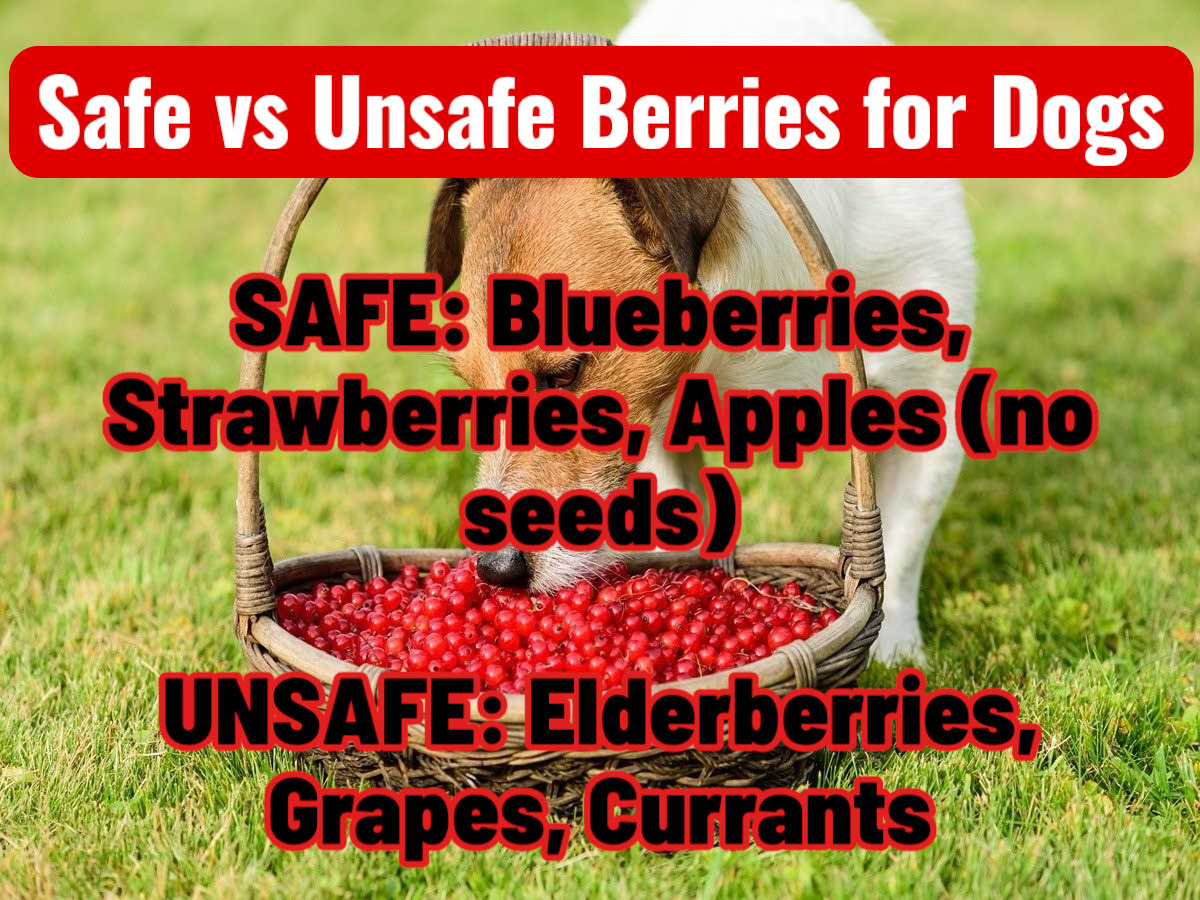
What Berries Are Safe for Dogs?
Since you’re here researching elderberries for dogs, it helps to know what the safe alternatives are — because dogs love berries and there are genuinely good options.
Blueberries — one of the best berry options for dogs. Rich in antioxidants, low in calories, and safe in moderate amounts. Many vets actively recommend them as treats.
Strawberries — safe for dogs in moderation. High in sugar so don’t overdo it, but not toxic.
Raspberries — safe in small amounts. Contain trace amounts of xylitol naturally, so limit to a small handful occasionally for large dogs and even fewer for small dogs.
Blackberries — safe in moderation. Similar antioxidant profile to elderberries without the toxicity.
Cranberries — safe in small amounts, though many dogs don’t love the tart flavor. Avoid cranberry products with added sugar or juice blends.
NOT safe: grapes and raisins (extremely toxic, can cause kidney failure), cherries (pits and plant contain cyanide compounds), and elderberries as covered throughout this article.
If you want to support your dog’s immune system naturally, a few blueberries as a daily treat is a genuinely good option — vet-approved, antioxidant-rich, and something most dogs actually enjoy.
How to Tell if Your Dog Has Elderberry Poisoning
Knowing exactly what to look for matters because the faster you act the better the outcome. Here’s a clear timeline of what elderberry toxicity can look like in dogs:
Within 30 minutes to 1 hour:
- Vomiting (often the first sign)
- Excessive drooling
- Diarrhea
- Restlessness or signs of abdominal discomfort (hunching, reluctance to move)
1 to 3 hours:
- Weakness or lethargy setting in
- Loss of appetite
- Pale or white gums (sign of reduced oxygen in the blood)
- Labored or rapid breathing
Severe cases (larger amounts consumed):
- Seizures
- Collapse
- Loss of consciousness
- Dilated pupils
Not every dog will progress through all of these stages — a small accidental exposure in a large healthy dog may stop at mild vomiting and diarrhea. But you cannot predict which direction it will go at home.
The moment you suspect elderberry ingestion, contact:
- Your veterinarian
- Pet Poison Helpline: (855) 764-7661
- ASPCA Animal Poison Control: (888) 426-4435
Both poison hotlines may charge a consultation fee but it is absolutely worth it. They can advise your vet on the best treatment protocol based on exactly what was consumed and how much.
Treatment for Elderberry Poisoning in Dogs
If you get to the vet quickly, the prognosis for elderberry poisoning in dogs is generally good. Treatment depends on how much was consumed and how quickly you got there, but typically includes:
Induced vomiting — if caught early enough (within 1–2 hours of ingestion) and your vet determines it’s safe to do so. Do not attempt this at home without vet instruction.
Activated charcoal — given to absorb remaining toxins in the gastrointestinal tract and prevent further absorption into the bloodstream.
IV fluids — to support kidney function, maintain hydration, and help the body flush the toxins.
Supportive care — monitoring heart rate, breathing, and oxygen levels. In severe cases, oxygen therapy may be needed.
Anti-seizure medication — if neurological symptoms develop.
Most dogs treated promptly recover fully. The danger comes from delayed treatment — either because the owner didn’t realize what was eaten, or because they waited to see if symptoms would resolve on their own.
The lesson: don’t wait. When in doubt, call. The cost of a vet visit or poison control call is nothing compared to the alternative.