
I started looking for American elderberry plants after realizing I was already using elderberry syrup and immune-supporting gummies regularly. At some point I thought, why keep buying the finished product when I could grow the plant myself? That sounded like the sensible next step. It also sounded a lot easier before I started comparing nurseries, varieties, shipping dates, and planting advice.
I wanted a plant that was native, useful, and likely to handle the conditions in my part of the United States. I wasn’t interested in buying a pretty shrub and hoping for the best. I wanted healthy stock from someone who understood elderberries and would ship a living plant properly.
That search led me to








Why I Started Looking for American Elderberry Plants for Sale
After experiencing firsthand how powerful elderberry can be for immune health, I started wondering—why not grow my own? I was already using elderberry syrup and immune-boosting gummies, but I wanted a way to take it a step further. Owning an elderberry plant felt like the next smart move.
So I searched for American elderberry plants for sale. I didn’t just want something pretty—I wanted something native, useful, and reliable. That led me straight to the kind of elderberry that grows right here in the U.S., and I couldn’t believe how much I learned in the process.

If you’re using elderberry for health already, here’s how I work it into my daily routine:
How I Use Elderberry to Boost My Immune System Daily
The important distinction is that buying a plant is not the same thing as buying a bottle of syrup. You are choosing a long-term garden project. The nursery matters, but so do the plant’s identity, your climate, the planting site, and your willingness to keep a young shrub watered while it gets established.
What Makes American Elderberry So Special
The American elderberry, also known as Sambucus canadensis, is native to North America and grows across many parts of the country, including the Midwest and Eastern United States. That native background is a big reason I prefer it for an American garden. A plant already suited to local seasons and wildlife makes more sense to me than choosing an imported variety simply because it happens to be available.
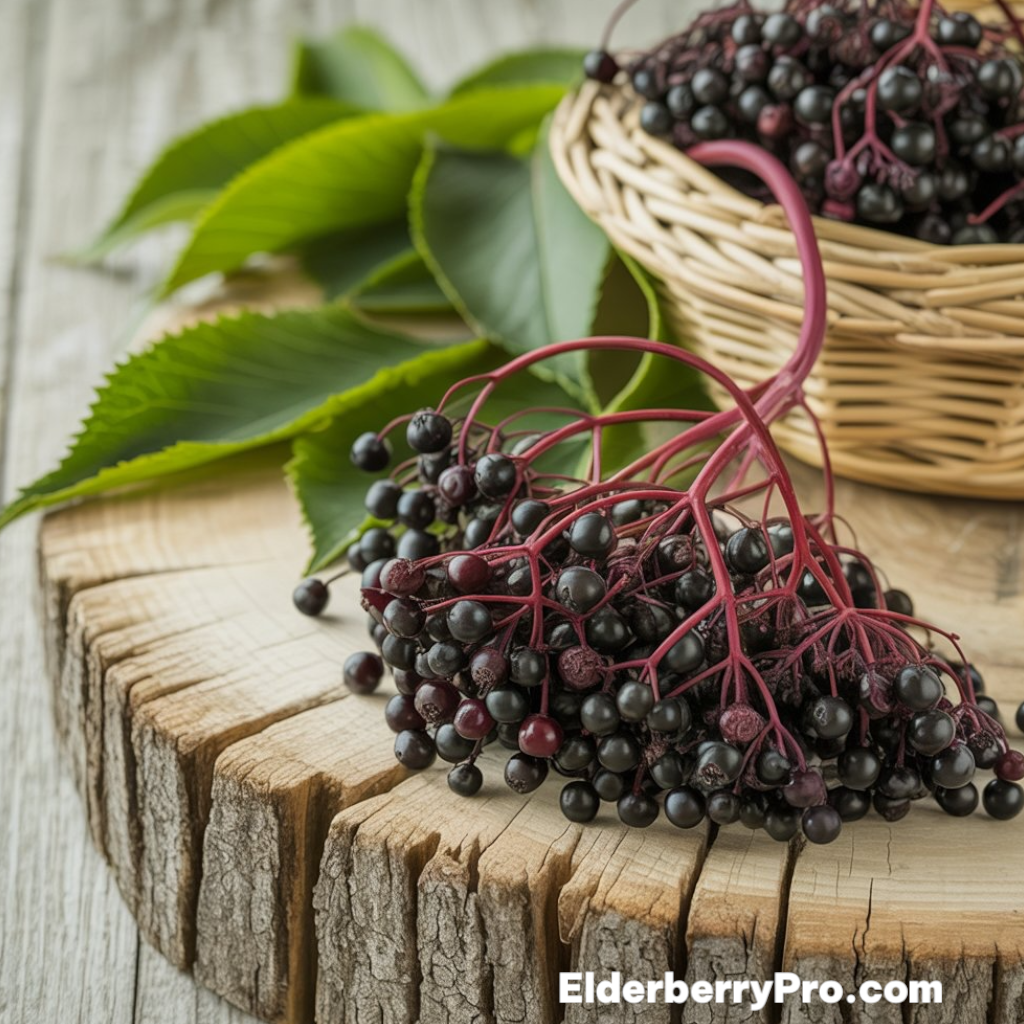
American elderberries are fast-growing shrubs that can reach roughly 6 to 10 feet tall and wide. In spring and summer, they produce broad clusters of white flowers. Later, those flowers become clusters of deep purple-black berries. The shrub gives you flowers for the garden, berries for the kitchen, and a useful habitat plant for pollinators.
They are not maintenance-free, but they are forgiving. The biggest beginner mistake is often assuming “forgiving” means “plant it anywhere and forget it.” Elderberries still need moisture, sunlight, drainage, room to spread, and sensible timing. If you give them those basics, they can reward you with vigorous growth instead of making you wonder what went wrong.
If you’re serious about planting elderberry, don’t miss this guide:
American Elderberry: Why Every Yard Needs This Incredible Plant


What to Check Before Ordering a Plant
Before choosing a seller, I would look at the details that are easy to skip when you are focused on getting the plant into your cart. A trustworthy listing should make the plant’s identity clear. Look for the botanical name, the type of plant being sold, the expected shipping season, and basic information about the size or age of the plant.
It is also worth checking whether the nursery explains how plants are packaged and what happens if one arrives damaged. Live plants are not ordinary mail-order merchandise. A plant can be healthy when it leaves the nursery and still need immediate attention after a long trip in a box.
- Confirm the species rather than relying on a vague “elderberry” label.
- Check the shipping window because dormant plants and actively growing plants may arrive at different times.
- Read the nursery’s guarantee before ordering, not after a problem occurs.
- Look for planting instructions suited to the plant you are buying.
- Order with your weather in mind so the plant does not sit in a box during extreme heat or freezing conditions.
A photograph can be helpful, but it should not be your only quality test. A small dormant plant may look unimpressive and still establish beautifully. Conversely, a leafy plant in a glossy photograph does not tell you how carefully it was grown or packed.
Where to Find Healthy American Elderberry Plants Online
One of the toughest parts of starting an elderberry patch is finding a trustworthy source. You don’t want just any plant—you want one that’s healthy, hardy, correctly identified, and ready to grow when it arrives.
After searching far and wide, I found a great option:
American Elderberry Plants at Weaver Family Farms Nursery
This is a small American family-run nursery that ships elderberry plants directly to your door. Their plants are raised with care and shipped securely so they arrive strong and ready to thrive. That personal, small-nursery approach is what made me more comfortable than ordering from a giant marketplace with a generic plant listing.
I have bought a few duds from large box-store websites before, and the experience was enough to change how I shop for live plants. When something arrives weak, mislabeled, or poorly packed, the lower price does not feel like a bargain anymore.


Tips Before You Plant
If you’re getting ready to plant your first elderberry, here’s what I wish I knew before I started:
- They like moist soil but not soggy soil. Good drainage is key.
- Full sun is best. The more useful sunlight the shrub receives, the better your chances of strong flowering and fruiting.
- Give them space. These shrubs grow fast and wide, so plant them with room to spread.
- They thrive in pairs. Planting at least two compatible plants can improve pollination and berry production.
“Moist but not soggy” is the phrase to remember. Elderberries appreciate consistent moisture, especially while young, but standing water around the roots creates a different problem. If the chosen spot stays wet after rain, improve drainage or select another location rather than hoping mulch will solve everything.
Think about the mature shrub before putting a small plant into the ground. A little elderberry can eventually become a substantial hedge-like plant. Leave access for watering and harvesting, and avoid squeezing it between a fence and another fast-growing shrub.
Want to try something fun after your plants mature? You can even brew your own elderberry drinks. Here’s a cool DIY:
How to Brew Elderberry Beer at Home
Already Using Elderberry
If you already use elderberry gummies, syrup, or supplements as part of your wellness routine, growing your own can feel like a natural next step. It is satisfying, sustainable, and honestly—kind of addicting once you see those berries appear.
There is also something appealing about knowing where the plant began. You can watch the flowers develop, wait for the berries to ripen, and decide how you want to preserve the harvest. That gives the whole process more meaning than opening another bottle from a shelf.

Plus, if you’re into natural wellness, you’ll love this product I personally trust:
The Best Elderberry Gummies I’ve Tried—Here’s Why I Recommend Them
Are Elderberries Easy to Grow
Absolutely. That’s part of why I tell people to grow their own if they have the space. American elderberry plants are surprisingly forgiving and resilient. You do not need a perfect garden or a lifetime of gardening experience to start, although you do need to pay attention during the first season.
- Fast growth means the plant can make noticeable progress early.
- Seasonal color takes it from bright flower clusters to rich, dark berries.
- Pollinators enjoy the flowers, so the shrub contributes more than fruit.
- Established plants handle cold well, though a newly planted shrub still benefits from sensible care.
Do not judge the plant only by the first few weeks. Transplanting is stressful, and a young elderberry may spend time establishing roots before it starts producing dramatic top growth. Keep the soil evenly moist, control competing weeds, and give it time.

If you’re on the fence about ordering, just know they’ve become a staple in my own garden and wellness routine. Here’s how I work elderberry into my immune habits:
My Daily Elderberry Routine That Actually Works
When to Plant American Elderberry for the Best Results
Timing makes a difference when planting elderberry, especially if you want a strong first growing season. I recommend planting in early spring after the final frost has passed. That gives the roots time to settle in while the weather warms.
You can also plant in fall, but aim for at least 6–8 weeks before the ground freezes. The plant needs that time to begin rooting. Fall planting can work well in a mild climate with soil that drains properly, while spring is usually the safer choice for a beginner.
- Spring planting is the safest bet. The soil is warming, and the plant gets a full growing season.
- Fall planting is reasonable when your climate is mild and the ground is workable.
- Avoid summer heat waves. Young plants do not love being transplanted during extreme heat.
Ordering from a U.S.-based nursery such as Weaver Family Farms may also help because reputable growers generally time shipments around regional conditions. Still, check the package when it arrives and be prepared to plant or temporarily protect it according to the nursery’s instructions.


What Growing Conditions Do American Elderberries Like
These plants are not fussy, but if you want crazy growth and large berry clusters, give them the conditions they prefer:
- Full sun means at least about six hours of direct light daily. They can grow in partial shade, but fruit production may drop.
- Moist, well-drained soil keeps the plant growing without leaving its roots in standing water.
- Mulch helps retain moisture and reduce weeds. Keep it around the plant rather than piled tightly against the stems.
- Room to grow matters because these shrubs can reach 6–10 feet tall and wide.
Mine grow best along a sunny fence line where they have space and sun throughout the day. Each year, they come back bigger and better. That location also makes it easier to see whether the soil is drying out and whether the branches need support as the plant fills out.
For a step-by-step planting guide, this elderberry planting guide really helped when I was just starting out.
Common Ordering and Planting Mistakes
The most frustrating mistakes happen before the shovel ever comes out. People order too late, choose a plant without confirming the species, or select a location based on how empty it looks rather than how it behaves after rain.
- Do not buy only one plant if your goal is a better berry harvest. Plan for compatible pollination.
- Do not plant beside a constantly wet area just because elderberries like moisture.
- Do not bury the plant too deeply. Set it according to the nursery’s planting directions.
- Do not let grass and weeds crowd a new shrub. Competition is especially unhelpful while roots are establishing.
- Do not expect a tiny plant to produce a huge harvest immediately. Growth and fruiting take time.
Another mistake is trying to solve every problem with fertilizer. A good site, adequate water, sunlight, and weed control come first. If the basics are wrong, adding more plant food will not turn a poor location into a good one.
From Backyard to Medicine Cabinet
Once your American elderberries ripen, you have options, but homemade elderberry syrup is where the magic really happens.
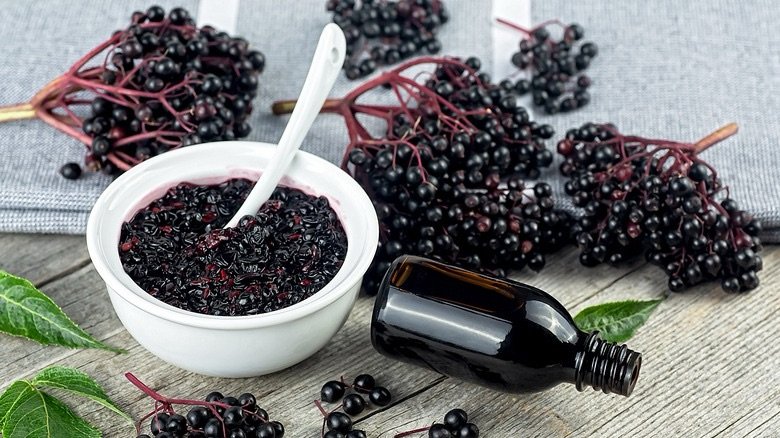
It is a favorite in my house. I simmer the berries with cinnamon, cloves, and a little honey, then use it throughout fall and winter. The best part is that it costs less than buying premade syrup and lets you control the ingredients.
Remember that raw elderberries and other plant parts are not something to casually eat straight from the shrub. Proper preparation matters. Remove stems and unripe berries, follow a reliable recipe, and cook the berries thoroughly. Homemade does not automatically mean safe; it means you are responsible for each step.
Want to try it too? Here’s my personal DIY guide:
How to Make Elderberry Syrup from Fresh Elderberries
American Elderberry vs. European Elderberry
You may have heard of Sambucus nigra, the European elderberry. It is a useful elderberry, but I prefer American elderberry for my own garden for practical reasons.
- It is native to North America, so it fits the local landscape more naturally.
- It is relatively low-maintenance when planted in suitable soil and light.
- It can support local wildlife and pollinators through its flowers and fruit.
That does not mean every American elderberry plant will thrive in every yard. Regional conditions still matter. Nor does “native” guarantee a larger harvest without care. It simply makes the American variety the obvious starting point for my U.S. garden.
Why Supporting Small American Nurseries Matters
I’m all about supporting American businesses, especially family-run nurseries that care about their plants and customers. That is why I keep pointing people toward this nursery:
Buy American Elderberry Plants from Weaver Family Farms Nursery
They grow healthy plants in the United States, ship promptly, and actually answer questions if you reach out. That is rare enough these days to mention.
While you’re there, explore more helpful plant information like:
Why Every Yard Needs American Elderberry
My Favorite Elderberry Gummies—Tried and True
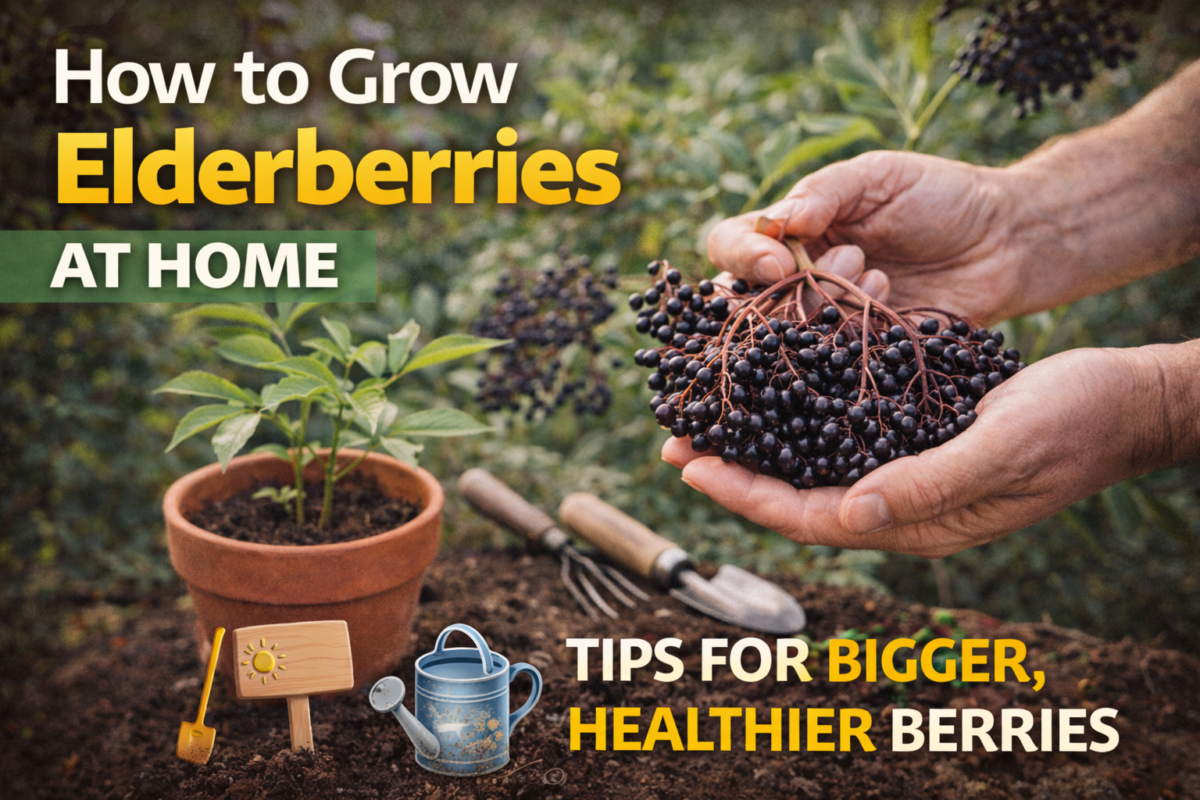
How to Grow Elderberries at Home (What Nobody Tells You Before You Plant)
Buying from a small nursery does not remove the need to do your own checking. Read the growing information, make sure the plant suits your region, and understand the nursery’s shipping policy. The point is not that every small seller is automatically perfect. The point is that clear communication and knowledgeable plant care are worth choosing.
What You Can Do with Fresh Elderberries
Once you have a thriving plant—or three—the fun begins. Elderberries can become:
- Syrup made with spices and a sweetener.
- Jelly or jam with a sweet, tangy flavor.
- Tinctures prepared as a long-lasting herbal product.
- Tea made with properly prepared dried elderberries and other herbs.
- Baked goods such as pies and muffins, along with homemade wine or beer.
One of my favorite projects lately? Brewing elderberry beer at home. It’s surprisingly easy, and it is a fun way to use extra berries during harvest season.
Can You Take Elderberry Without Growing Your Own
Totally. Not everyone has yard space, time, or patience for a shrub that needs watering and harvesting. If you want elderberry without planting, high-quality supplements are the practical alternative.
I personally rely on these when I’m out of my homemade supply or traveling:
My Favorite Elderberry Gummies That Actually Work

There is even a kids version I trust with my own children:
Children’s Elderberry Gummies My Kids Actually Love
You can also learn when to take elderberry for best results in my honest breakdown of how I use it.
Whichever form you choose, pay attention to the label, preparation instructions, serving guidance, and ingredients. Elderberry products are not all interchangeable. A gummy, syrup, tea, and homemade preparation may contain very different amounts and supporting ingredients.
The Wellness Trend That Is Rooted in Tradition
It is funny to think of elderberry as trendy when people have used it for centuries. Native Americans and early settlers used different parts of the plant for different purposes. Today, elderberry appears in gummies, capsules, syrups, teas, tinctures, and elderflower skincare products.
I like elderberry as part of a broader wellness routine, but I am not here to say it cures everything. That is not my style. Growing a plant and making a syrup can be useful and satisfying without turning elderberry into a miracle claim.
It is easy to see why planting your own makes sense. You are not just growing a shrub. You are creating a supply of berries you can prepare and preserve yourself.
If you’ve never tried making your own elderberry syrup, you might be surprised how easy it is:
How I Make Elderberry Syrup from Fresh Berries
Where to Buy American Elderberry Plants and Why It Matters
The plant market can be confusing, especially online. I’ve bought a few duds from giant box-store websites before. Never again.
That is why I now recommend buying directly from a small family-run nursery. They have more reason to care about the quality and survival of every plant, and you have a better chance of getting useful answers when something goes wrong.
Here’s who I trust:
Weaver Family Farms Nursery – American Elderberry Plants for Sale
They are an American family business, and they grow their own elderberry stock in Missouri. The plants I received were healthy, already leafing out, and took off like a rocket once planted.
Before ordering, have the planting site ready. Clear competing weeds, check the drainage, decide where two plants can grow without crowding one another, and keep water available for the first stretch after planting. A healthy plant still needs a prepared home.
Should You Grow Elderberries
If you are into wellness, gardening, or simply want an easy-to-grow plant that gives something back, I would say yes. Planting American elderberry has been one of the most rewarding decisions I have made in my backyard.
It supports your garden, gives pollinators another food source, and may eventually provide berries for syrups, jams, teas, and other kitchen projects. It also supports small American nurseries when you choose to buy from one.
There are practical limits. You need enough room, suitable moisture, patience during establishment, and care when preparing the fruit. But those are manageable requirements, especially compared with many demanding garden crops.
You can grab a plant today and start your own elderberry journey right here:
Buy a Healthy American Elderberry Plant Now
And if you’re not ready to plant, there is still a way to include elderberry in your routine. My favorite daily wellness booster?
Elderberry Gummies That Actually Work—Here’s What I Take
For me, the best place to start is a healthy, correctly identified American elderberry plant from a nursery that explains what it is selling. Choose the site first, order at an appropriate time, plant with room to grow, and do not rush the harvest. That approach has worked much better than grabbing the first listing that happens to appear in a search.