
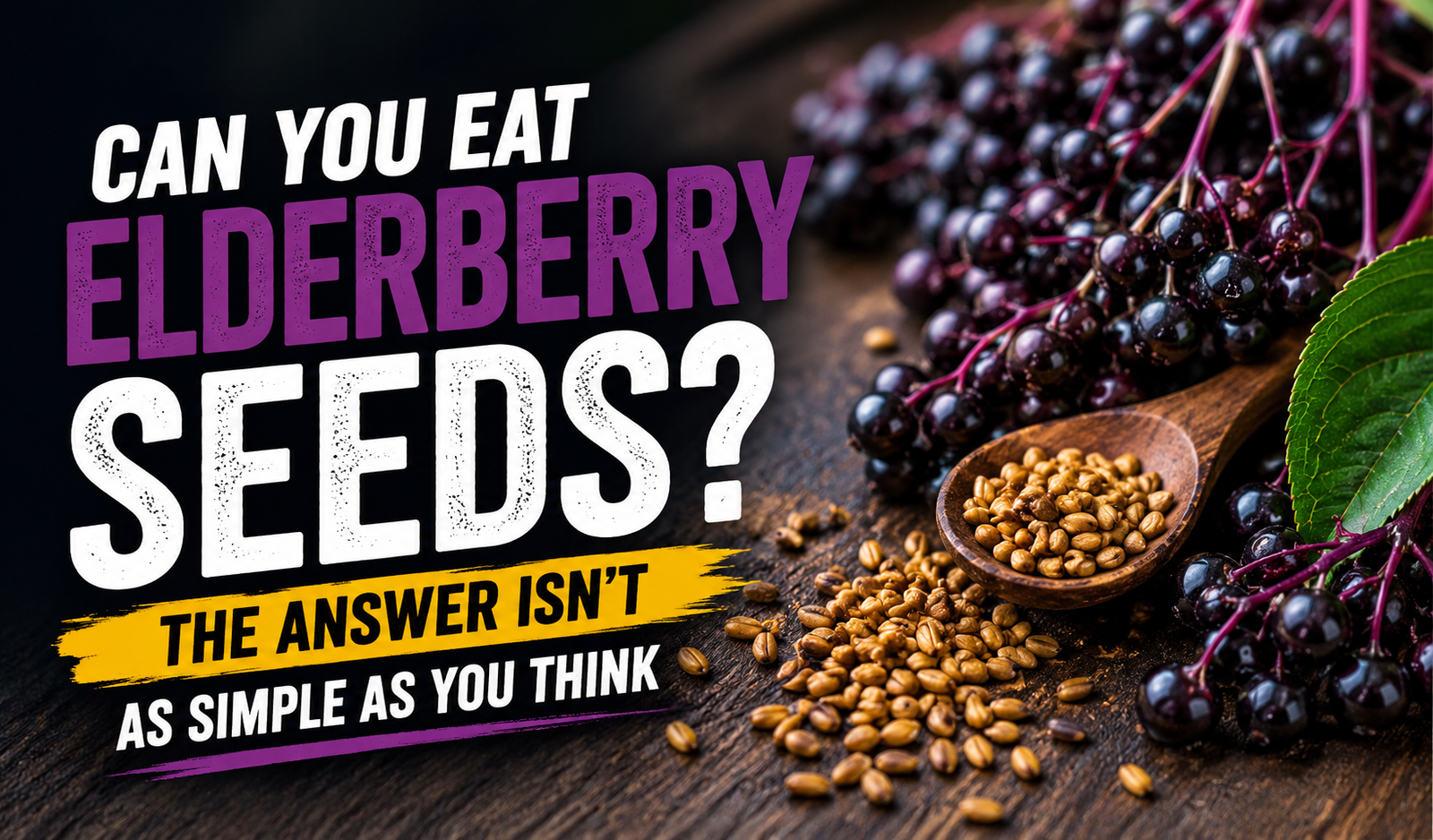
If you’ve ever made homemade elderberry syrup or harvested fresh elderberries, you’ve probably noticed something almost impossible to avoid.
Every tiny berry contains seeds.
That naturally leads to an important question.
Can you safely eat elderberry seeds, or should you remove them before making recipes?
The answer isn’t as straightforward as many people expect.
Unlike watermelon seeds or sunflower seeds, elderberry seeds have been the subject of debate for years. Some people believe they’re completely harmless, while others insist they should never be eaten.
The truth falls somewhere in the middle.
Understanding how elderberry seeds fit into the bigger picture of elderberry safety can help you prepare recipes with confidence while avoiding some of the most common mistakes beginners make.
Why Do Elderberry Seeds Get So Much Attention?
Much of the concern surrounding elderberry seeds comes from the fact that elderberry plants naturally contain compounds known as cyanogenic glycosides.
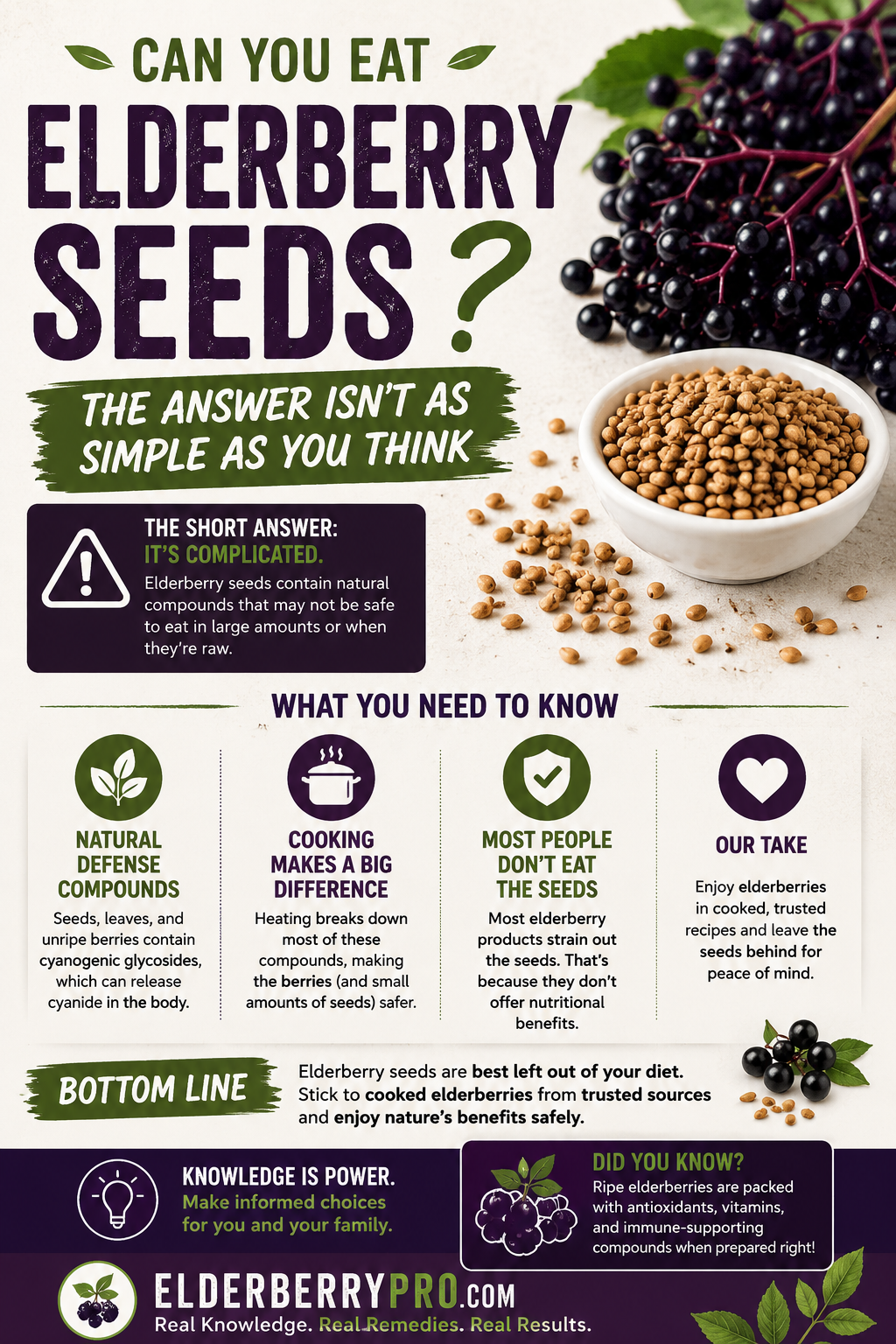
These compounds are present in several parts of the plant, including:
- Leaves
- Stems
- Bark
- Roots
- Raw or unripe berries
Seeds have also been reported to contain these compounds, although the amount can vary depending on the species and the maturity of the fruit.
Because of this, many people wonder whether the seeds themselves should be removed before using elderberries.


Do Most People Eat Elderberry Seeds?
Interestingly, yes.
Whether people realize it or not, they’re almost impossible to avoid.
When you make:
- Elderberry syrup
- Elderberry jelly
- Elderberry jam
- Elderberry wine
…the seeds are often cooked along with the berries before the liquid is strained.
In many recipes, the seeds are never intentionally eaten whole, but they are part of the cooking process.



Does Cooking Make A Difference?
Cooking plays a major role in preparing elderberries safely.
Heat significantly reduces the compounds that create concerns in raw elderberries and other plant parts. That’s why traditional recipes almost always involve simmering or cooking the berries before they’re consumed.
However, cooking isn’t an excuse to eat every part of the plant.
Proper preparation still matters.
Should You Remove The Seeds?
For most homemade recipes, the answer depends on what you’re making.
When preparing syrup or jelly, many people strain the finished mixture through a fine mesh strainer or cheesecloth.
Doing so removes:
- Seeds
- Pieces of skin
- Small stem fragments
- Pulp
The result is a smoother finished product with fewer solid pieces remaining.
Personally, I prefer straining syrup for both texture and peace of mind.

Seeds Versus Stems
One thing people often confuse is seeds and stems.
While both are discussed in elderberry safety articles, they aren’t the same.
Stems are generally considered a bigger concern than seeds and should always be removed before cooking whenever possible.
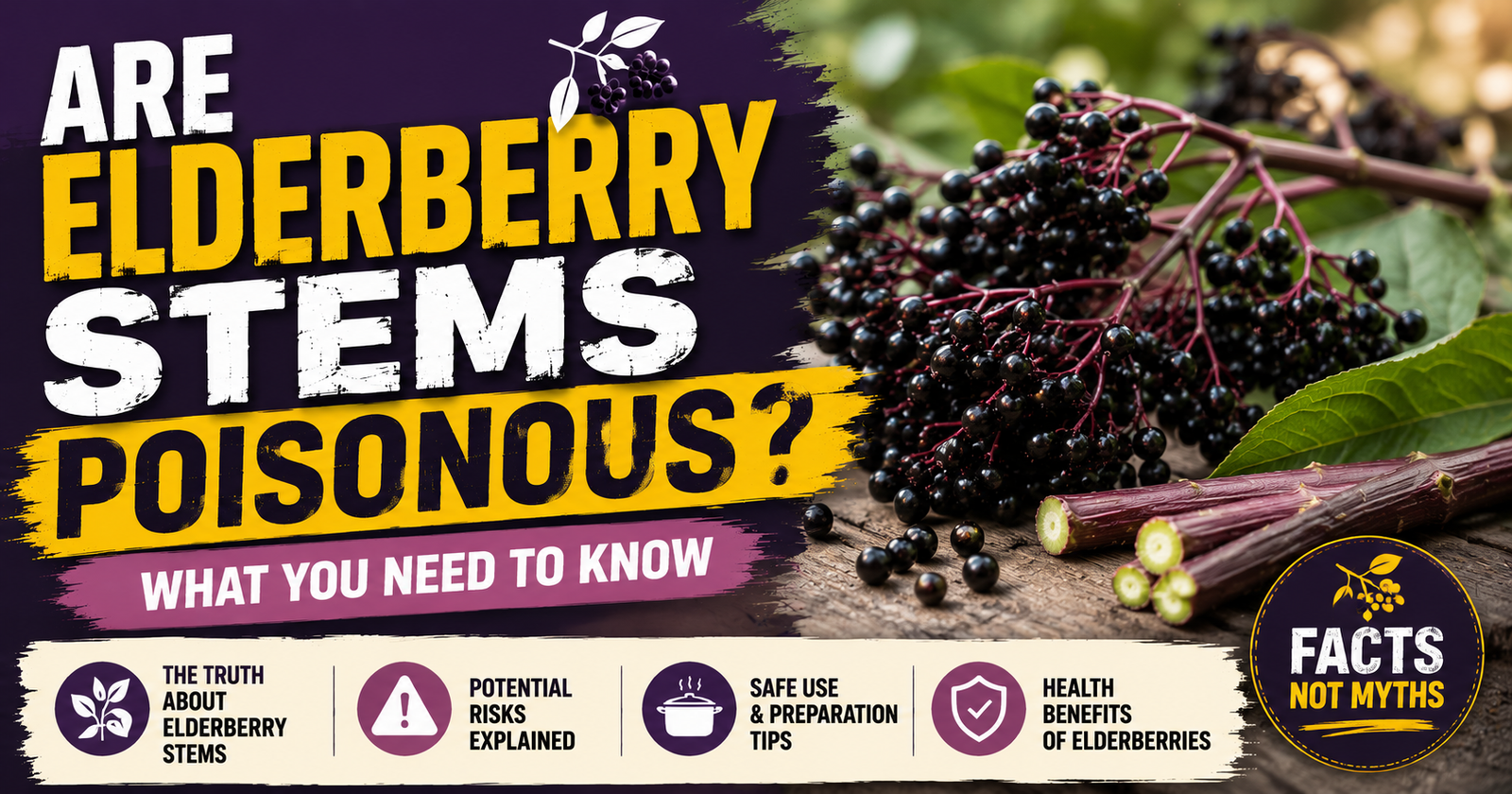
If you’re still learning about preparation, you’ll want to read Are Elderberry Stems Poisonous? What You Need to Know.
Removing stems is one of the simplest ways to make homemade elderberry recipes safer.
Fresh Elderberries Still Deserve Respect
Some people assume that if the seeds are present in ripe berries, it’s perfectly fine to eat fresh elderberries straight from the bush.
That’s not the recommendation I follow.
Traditional preparation methods almost always involve cooking the berries first.
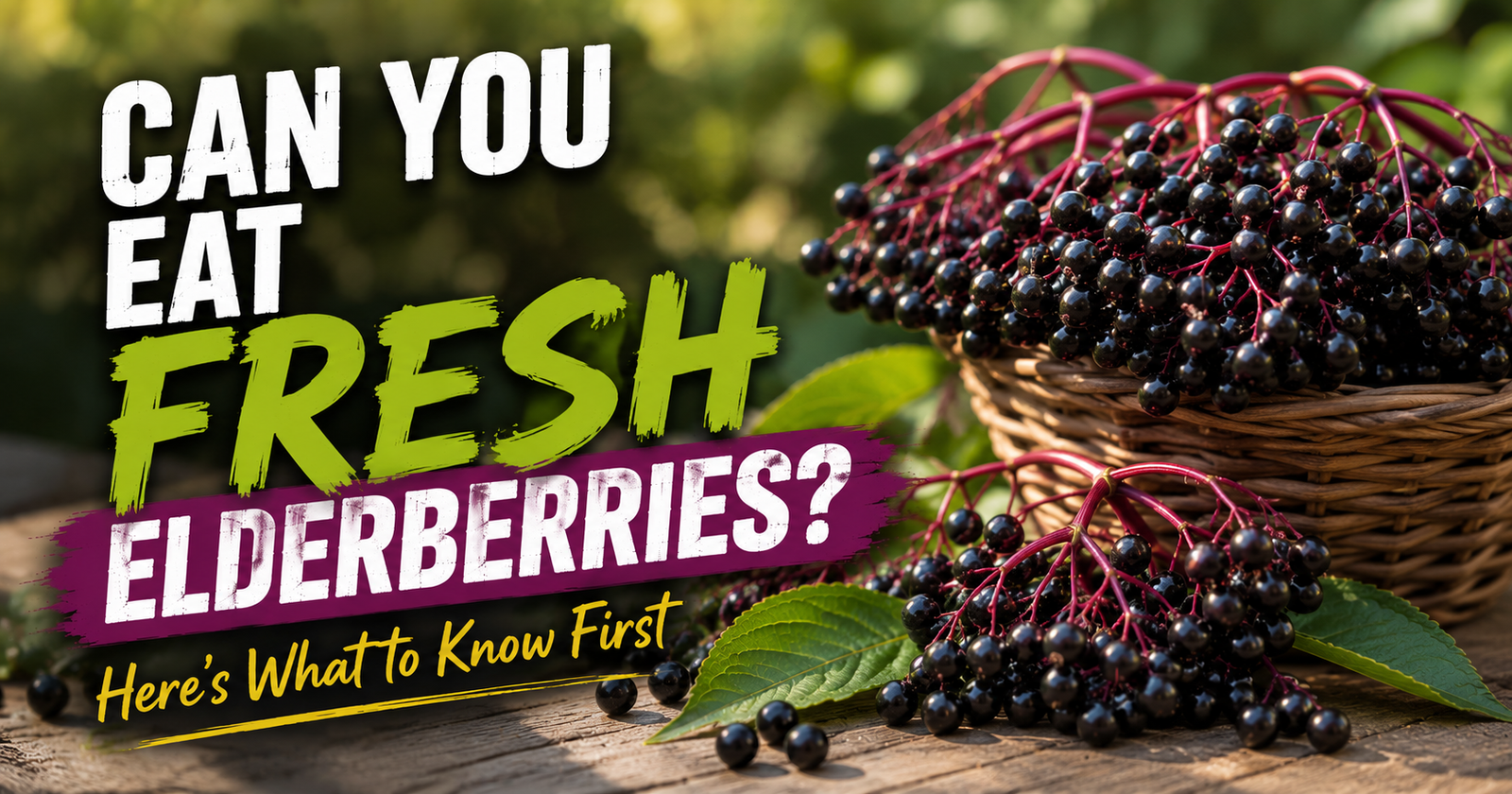
If you’ve ever wondered why, I explain it in Can You Eat Fresh Elderberries? Here’s What to Know First.
Make Sure You’re Harvesting The Right Plant
Before worrying about seeds, make sure you’ve correctly identified the plant.
Several lookalikes can fool even experienced foragers.
Two guides I always recommend reading are:
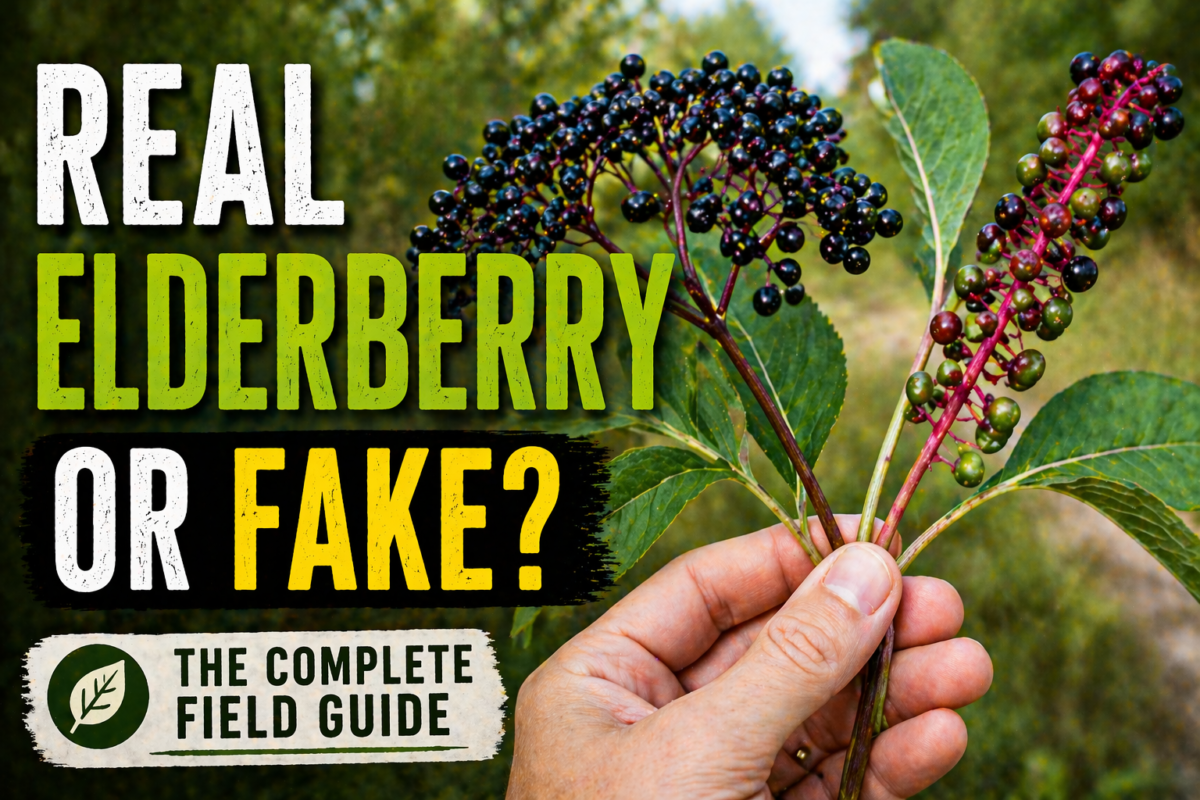
How to Identify Elderberry: The Complete Field Guide to Getting It Right Every Time
and
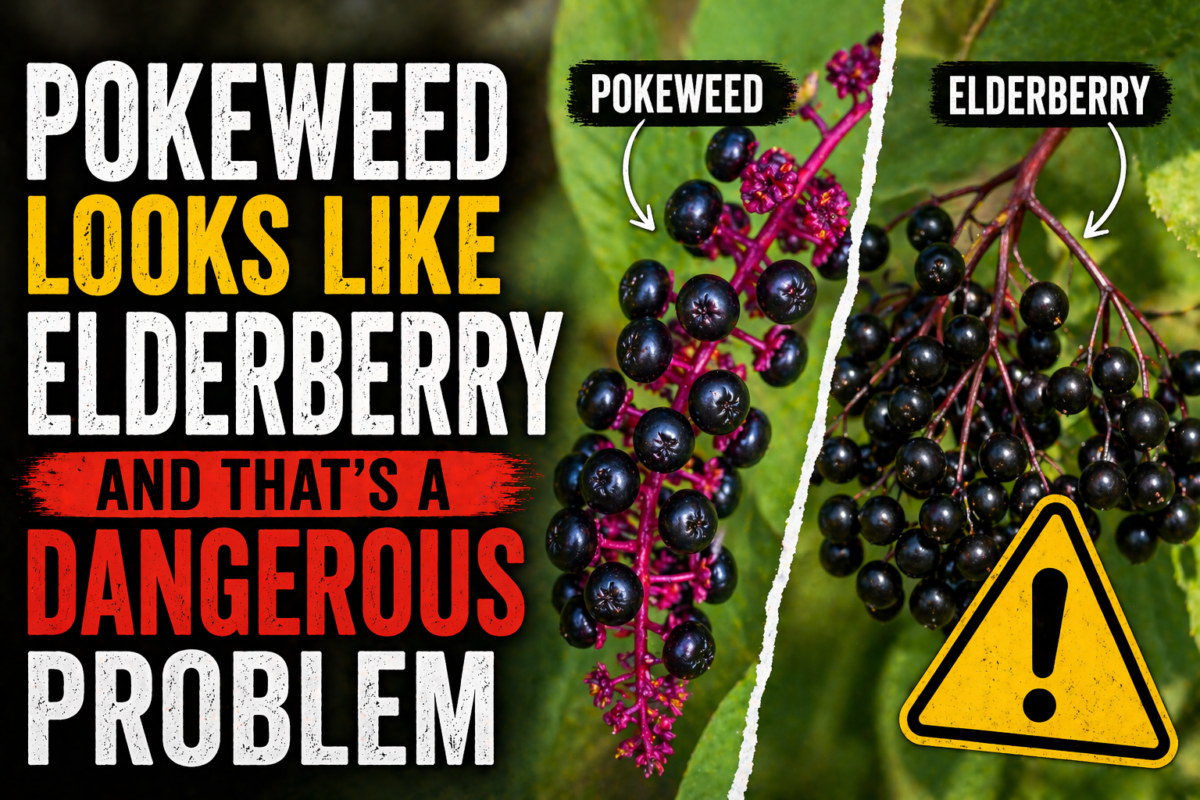
Pokeweed Looks Like Elderberry? That’s a Dangerous Problem.
Correct identification should always come before harvesting.
My Approach At Home
Whenever I harvest elderberries, I focus on removing stems, discarding unripe berries, and thoroughly cooking the fruit before using it.
After cooking, I strain my syrup, which naturally removes most of the seeds anyway.
It’s a simple process that produces a smooth syrup while following the same preparation methods that experienced elderberry growers have relied on for generations.



Before You Worry About The Seeds
For most people, elderberry seeds are not the biggest issue.
Proper identification, harvesting only ripe berries, removing stems, and thoroughly cooking the fruit have a much greater impact on safety than trying to remove every tiny seed by hand.
If you follow good preparation practices, you’ll already be doing the things that matter most when working with fresh elderberries.
Author
Sarah Whitmore
Sarah Whitmore is an herbal enthusiast, backyard grower, and independent researcher who has spent years researching elderberries, testing traditional recipes, and studying the safe preparation of medicinal plants. Through Elderberry Pro, she shares practical growing advice, safety information, recipes, and research-backed guides to help readers confidently enjoy elderberries at home.