
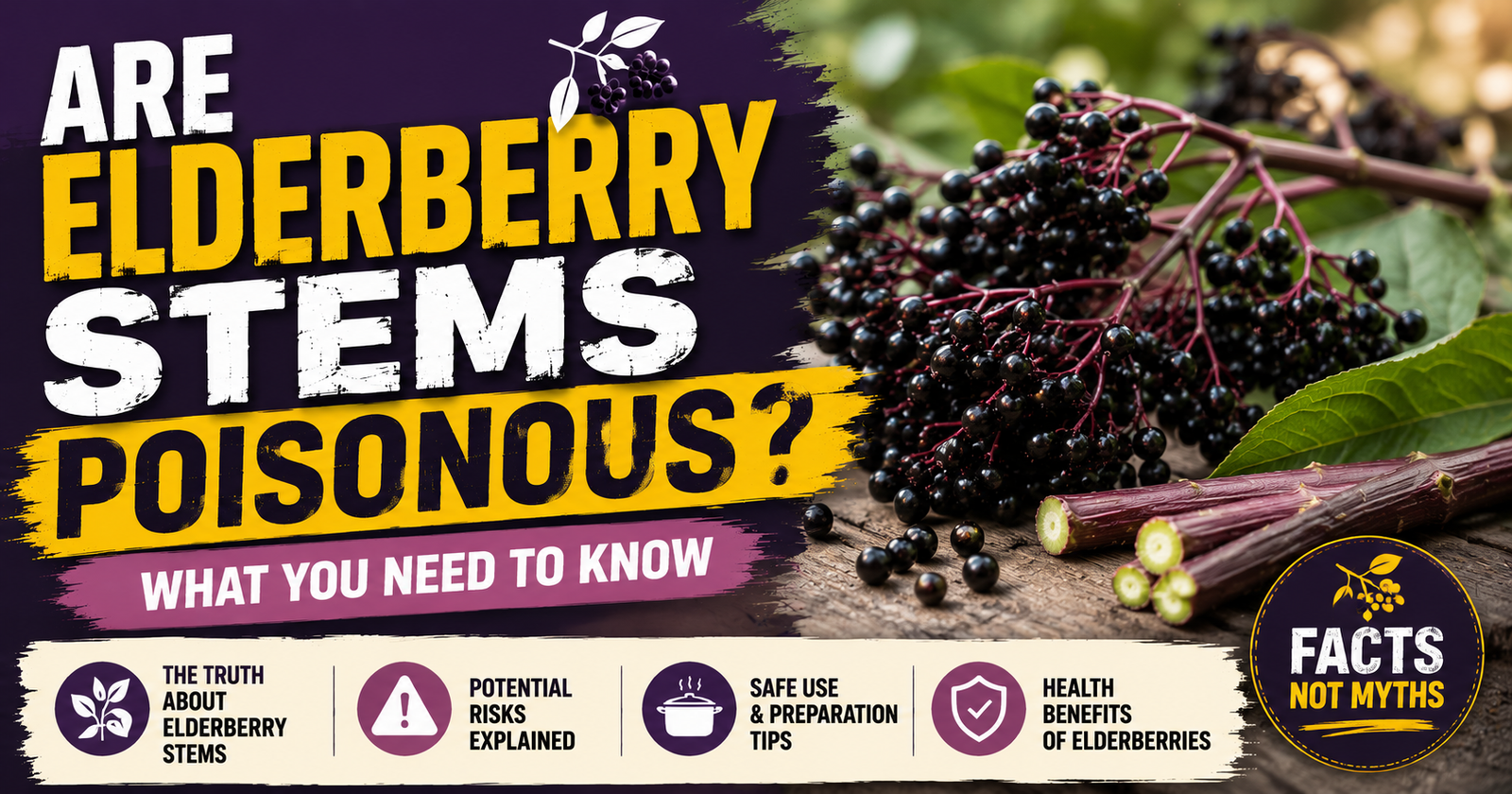
If you’ve ever picked fresh elderberries, you’ve probably noticed just how many tiny stems are attached to each cluster of berries.
That usually leads to an important question.
Are elderberry stems poisonous?
The short answer is yes, elderberry stems should not be eaten.
While accidentally swallowing one tiny stem isn’t usually considered a medical emergency for most healthy adults, elderberry stems contain naturally occurring compounds that make them unsuitable for consumption. That’s why experienced elderberry growers and home cooks take the time to remove as many stems as possible before making syrup, jelly, wine, or other recipes.
As someone who has spent years researching elderberries and preparing them at home, I’ve learned that understanding which parts of the plant are edible is one of the most important steps in using elderberries safely.
Why Are Elderberry Stems Considered Poisonous?
Like several other parts of the elderberry plant, the stems contain naturally occurring compounds known as cyanogenic glycosides.
These compounds serve as part of the plant’s natural defense system.
When damaged or digested, they can break down into cyanide-related compounds that may cause unpleasant symptoms if enough is consumed.
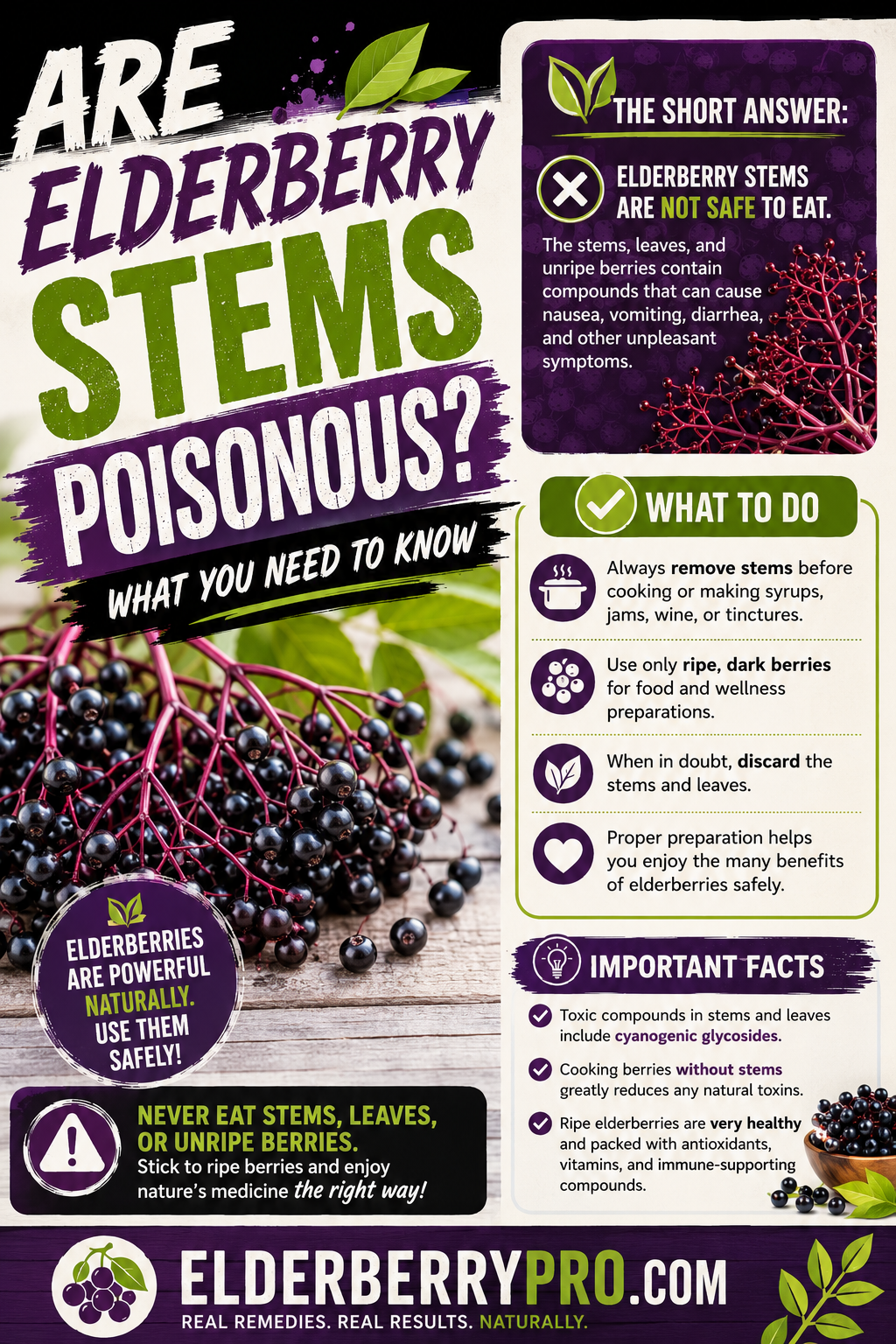
The same compounds are also found in varying amounts within:
- Leaves
- Bark
- Roots
- Unripe berries

This is exactly why I always recommend reading One Handful of These Berries Can Send You to the Hospital. Here’s Why if you’re new to harvesting elderberries. It explains the biggest safety mistakes people make before they ever start cooking.



Are All Elderberry Stems Dangerous?
Not necessarily in the same way.
A tiny stem that accidentally slips into a batch of homemade syrup is very different from intentionally chewing on fresh stems or blending entire berry clusters without removing them.
The overall risk depends on several factors, including:
- The amount consumed
- Whether the stems were raw
- How they were prepared
- Individual sensitivity
Even so, every reputable elderberry recipe recommends removing as many stems as possible.



What Happens If You Accidentally Eat An Elderberry Stem?
This is probably the question I receive most often.
The good news is that accidentally swallowing one small stem while eating homemade elderberry jelly or drinking syrup is unlikely to cause serious problems for most healthy adults.
You may experience no symptoms at all.
However, eating larger amounts of stems increases the likelihood of digestive upset.
Possible symptoms include:
- Nausea
- Vomiting
- Diarrhea
- Stomach cramps
- Upset stomach
If symptoms become severe or continue to worsen, contacting your healthcare provider is the safest course of action.
Why Recipes Always Tell You To Remove The Stems
If you’ve ever followed a traditional elderberry recipe, you’ve probably noticed that stem removal is mentioned early in the instructions.
There’s a good reason for that.
Removing the stems helps:
- Improve safety.
- Reduce bitterness.
- Improve the flavor of the finished product.
- Create a smoother syrup, jelly, or wine.
- Remove unnecessary plant material.
Taking a few extra minutes to strip the berries from the stems is one of the easiest ways to improve both the quality and safety of your finished recipe.

If you’re planning to make your own syrup, my guide on How to Make Elderberry Syrup From Fresh Elderberrieswalks through the entire preparation process from harvest to finished bottle.
Can Cooking Make Elderberry Stems Safe?
Cooking helps reduce many of the naturally occurring compounds found in elderberries.
However, cooking is not a reason to intentionally include stems in your recipes.
Most experienced growers still recommend removing the stems before cooking.
In other words, cooking is an important safety step, but it doesn’t replace proper preparation.
What’s The Best Way To Remove Elderberry Stems?
Fortunately, removing stems isn’t difficult.
Many people use a fork to gently pull ripe berries from the clusters.
Others freeze the berry clusters first, allowing the berries to separate more easily afterward.
Regardless of the method you choose, the goal is the same.
Remove as much stem material as possible before processing the berries.
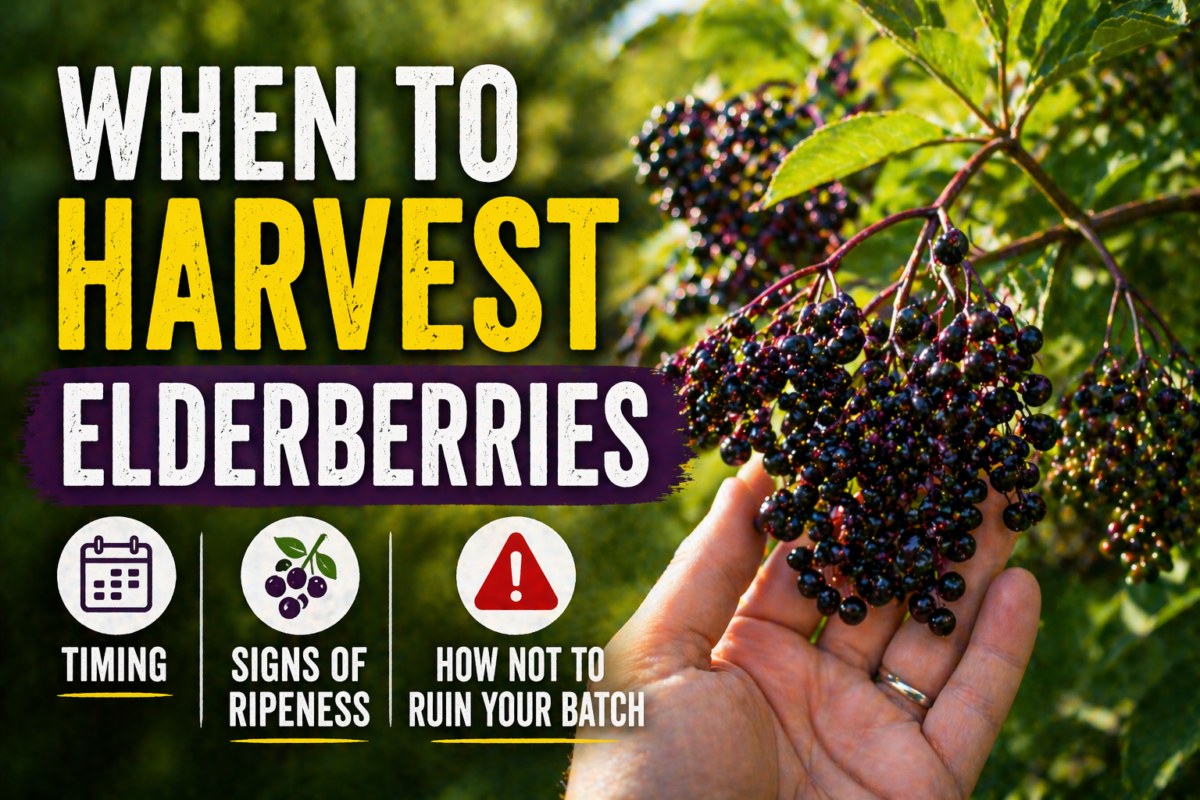
If you’re harvesting berries for the first time, you’ll also want to read When to Harvest Elderberries: Timing, Signs of Ripeness, and How Not to Ruin Your Batch so you know exactly when the berries are ready.


Are Elderberry Stems More Dangerous Than The Berries?
Generally speaking, yes.
Fully ripe elderberries that have been properly cooked are considered much safer than stems, leaves, bark, or roots.
That’s one reason elderberry syrup has become such a popular product while people aren’t making tea from elderberry stems.
Understanding which parts of the plant are edible makes all the difference.
How Do You Know You’re Harvesting The Right Plant?
Before worrying about stems, make sure you’re harvesting an actual elderberry plant.
Several plants resemble elderberries.
One of the most commonly confused plants is pokeweed.
Unlike elderberries, pokeweed can be far more dangerous if misidentified.
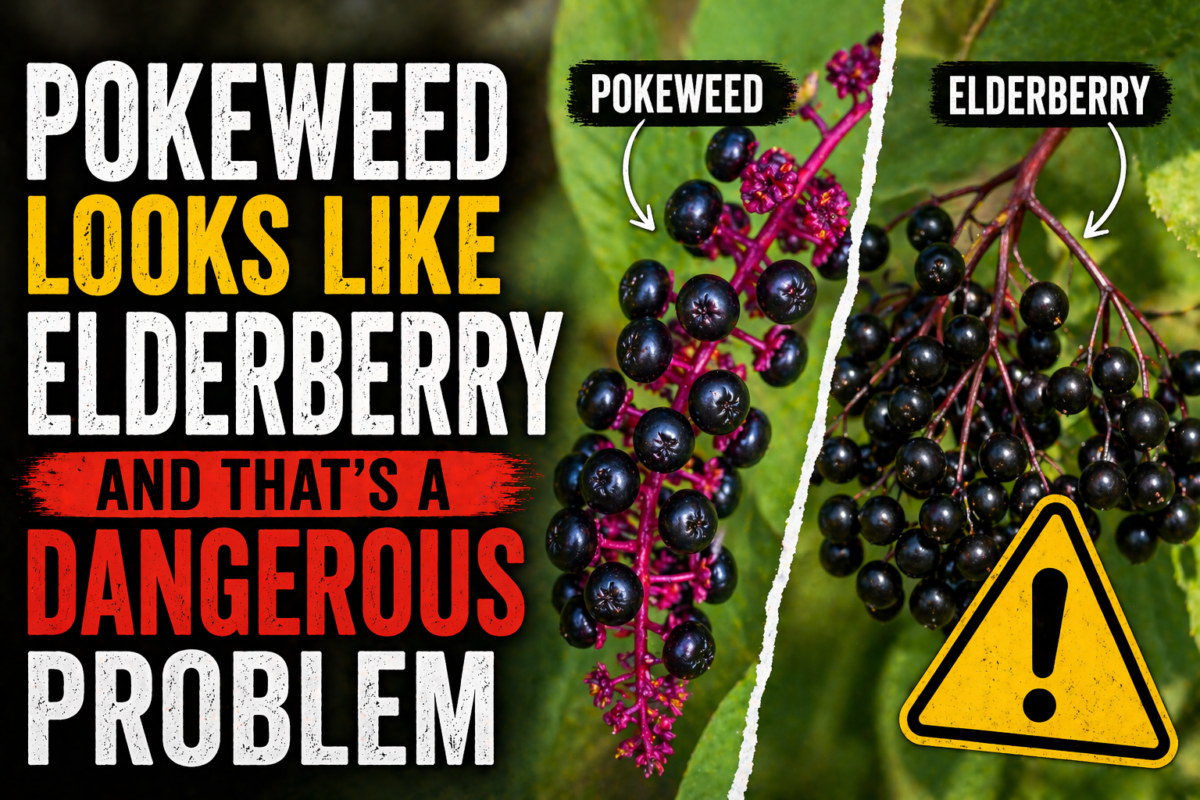
That’s why I strongly recommend reading Pokeweed Looks Like Elderberry? That’s a Dangerous Problem before harvesting wild berries.

You’ll also find my complete Field Guide to Identifying Elderberries helpful if you’re still learning to identify the plant correctly.
What About Dried Elderberries?
Some people assume dried elderberries still contain pieces of stem.
High-quality dried elderberries are typically cleaned before packaging, but occasional small stem fragments may still be present.

If you’re purchasing dried berries, it’s worth reading Dried Elderberries: Everything You Need to Know Before You Buy and Use Them so you know what to expect.
Are Elderberry Stems Dangerous For Dogs?
Yes, they can be.
Dogs should never be encouraged to chew on elderberry stems or branches.
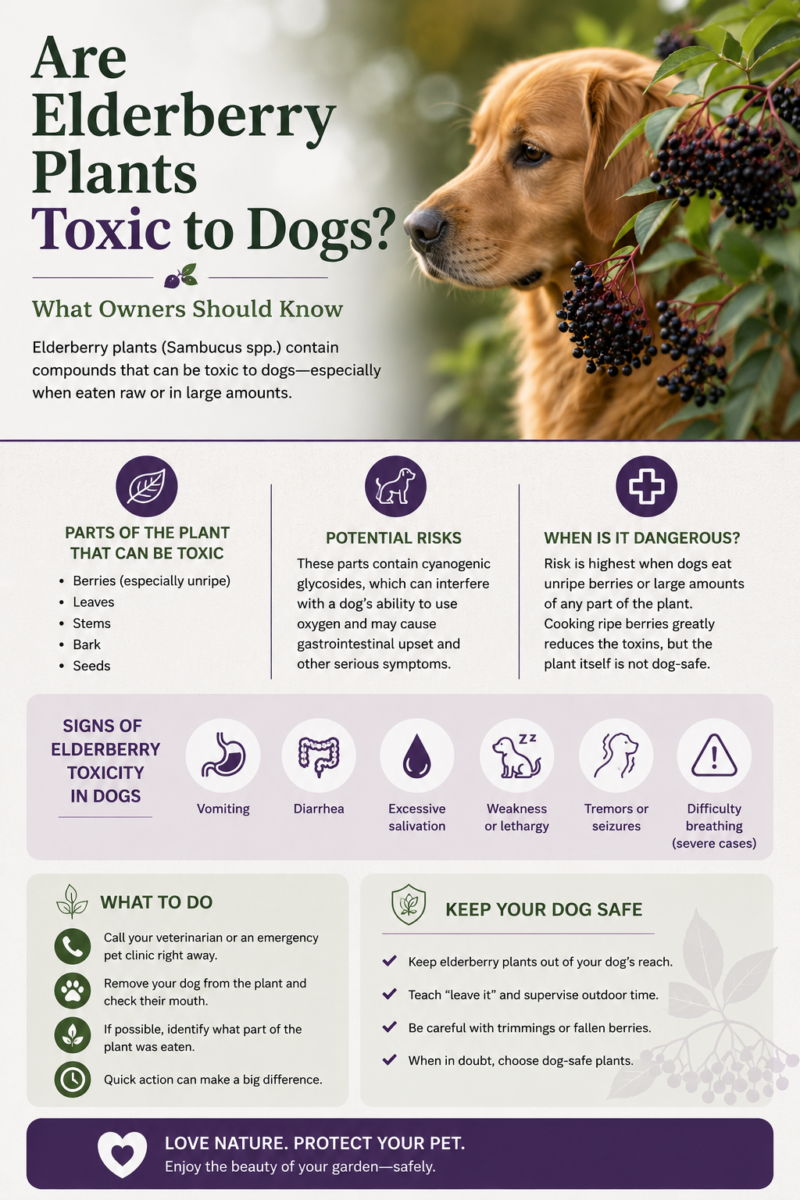
If you have dogs around elderberry bushes, I recommend reading Are Elderberry Plants Toxic to Dogs? What Owners Should Know as well as What Happens If My Dog Eats Raw Elderberries?.
These guides explain which parts of the plant create the greatest concern for pets.



Do Commercial Elderberry Products Contain Stems?
Reputable commercial manufacturers remove stems during processing.
Whether they’re producing syrup, gummies, tea, or supplements, quality control helps ensure unnecessary plant material isn’t included in the finished product.
This is one reason buying from reputable brands is so important.
What Most Beginners Get Wrong
The biggest mistake I see isn’t people intentionally eating elderberry stems.
It’s rushing through the preparation process.
Many beginners become excited after finding a large elderberry patch and immediately start making recipes without taking time to properly clean the berries.
Slowing down, removing stems, and following trusted preparation methods dramatically reduces the chance of problems while also producing a much better tasting final product.
What I Want You To Remember
Elderberry stems are one part of the plant that should not be eaten.
While accidentally swallowing a tiny stem isn’t likely to cause serious illness for most people, intentionally consuming stems is never recommended.
Taking the time to carefully remove stems before cooking helps create safer, better tasting elderberry recipes and follows the same preparation methods that experienced growers have used for generations.
Author
Sarah Whitmore
Sarah Whitmore is an herbal enthusiast, backyard grower, and independent researcher who has spent years studying elderberries, traditional herbal remedies, and home gardening. Through Elderberry Pro, she shares practical growing advice, recipes, safety information, and research-backed guides that help readers confidently use elderberries at home while avoiding common mistakes.