

If you grow elderberries, make homemade elderberry syrup, or simply have elderberry products in your home, you’ve probably wondered what would happen if your dog got into them.
It’s a valid concern.
While elderberries are often discussed for their potential benefits in humans, the conversation changes when dogs are involved. In fact, one of the most common questions I receive from pet owners is whether elderberries can make a dog sick.
The answer depends on several factors, including what part of the elderberry plant was eaten, how much was consumed, and whether the berries were raw or cooked.
Understanding the symptoms of elderberry poisoning in dogs can help you act quickly if an accident ever happens.
If you’re new to the topic, I recommend first reading can dogs eat cooked elderberries? what every dog owner should know because it explains why some forms of elderberry are considered much safer than others.
Can Elderberries Poison Dogs?
Yes, certain parts of the elderberry plant can potentially make dogs sick.
The biggest concern comes from compounds called cyanogenic glycosides.
These naturally occurring compounds are found in:
- Elderberry leaves
- Elderberry stems
- Elderberry bark
- Elderberry roots
- Unripe elderberries
When consumed, these compounds can break down into cyanide-like substances that may cause digestive distress and other symptoms.

This is also why people should be cautious with wild elderberries. I discuss this in greater detail in why you should never eat elderberries until you read this.

The good news is that most cases involving dogs are not severe, especially when only a small amount is consumed. However, every situation should be taken seriously. For a broader explanation of which forms and amounts pose the greatest concern, see whether elderberries are poisonous to dogs: Are Elderberries Poisonous to Dogs? What Every Pet Owner Must Know.



Which Parts Of The Elderberry Plant Are Most Dangerous?
Not all elderberry exposure carries the same risk.
Generally speaking, the greatest concerns involve:
Elderberry Leaves
Dogs that chew on leaves may ingest compounds that can cause stomach upset and other symptoms.
Elderberry Stems
Stems contain higher concentrations of potentially problematic compounds than ripe cooked berries.
Unripe Elderberries
Green elderberries should never be considered safe.
The ripening process matters, and fully ripe berries are significantly different from immature fruit.
Bark And Roots
These parts of the plant should be considered off-limits to both humans and pets.
Raw Elderberries
Raw elderberries are far more concerning than properly cooked elderberries.
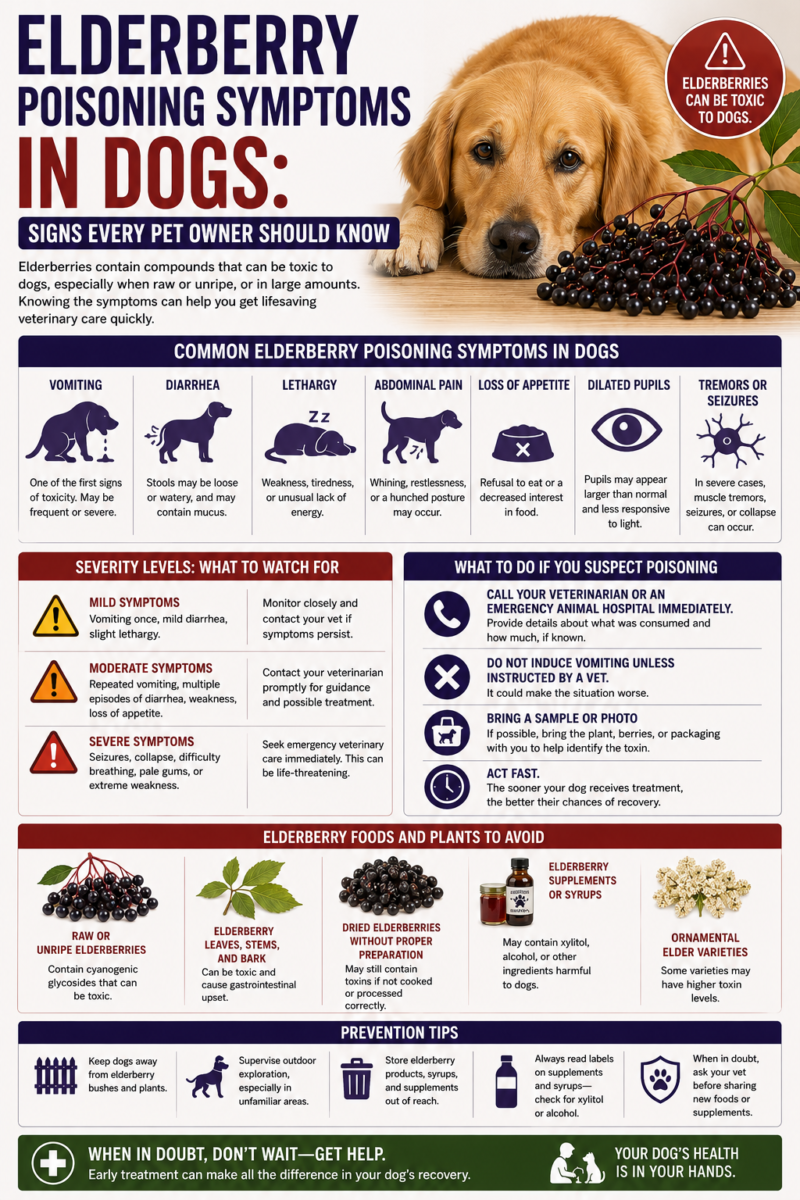
What Are The First Symptoms Of Elderberry Poisoning In Dogs?
Most symptoms begin with digestive upset.
The earliest warning signs often include:
- Vomiting
- Diarrhea
- Excessive drooling
- Loss of appetite
- Mild lethargy
- Nausea
Many pet owners initially assume their dog simply ate something that disagreed with them.
However, if you know your dog had access to elderberries or an elderberry plant, it’s important to take these symptoms seriously.
Moderate Symptoms You Should Watch Closely
As exposure increases, symptoms may become more noticeable.
These can include:
- Significant lethargy
- Weakness
- Difficulty standing
- Abdominal discomfort
- Increased panting
- Disorientation
Some dogs may appear unusually tired or withdrawn.
Others may become restless due to stomach discomfort.



Severe Symptoms That Require Immediate Veterinary Attention
Although uncommon, severe reactions can occur.
Seek veterinary help immediately if your dog develops:
- Trouble breathing
- Tremors
- Seizures
- Collapse
- Severe weakness
- Loss of consciousness
These symptoms should always be treated as an emergency.
What If My Dog Ate Elderberry Syrup?
Many owners panic when their dog gets into elderberry syrup.
Fortunately, properly prepared elderberry syrup is often less concerning than raw berries or plant material because the berries have been cooked.
However, other ingredients may create problems.
Some syrups contain:
- Sweeteners
- Preservatives
- Flavorings
- Additional herbs
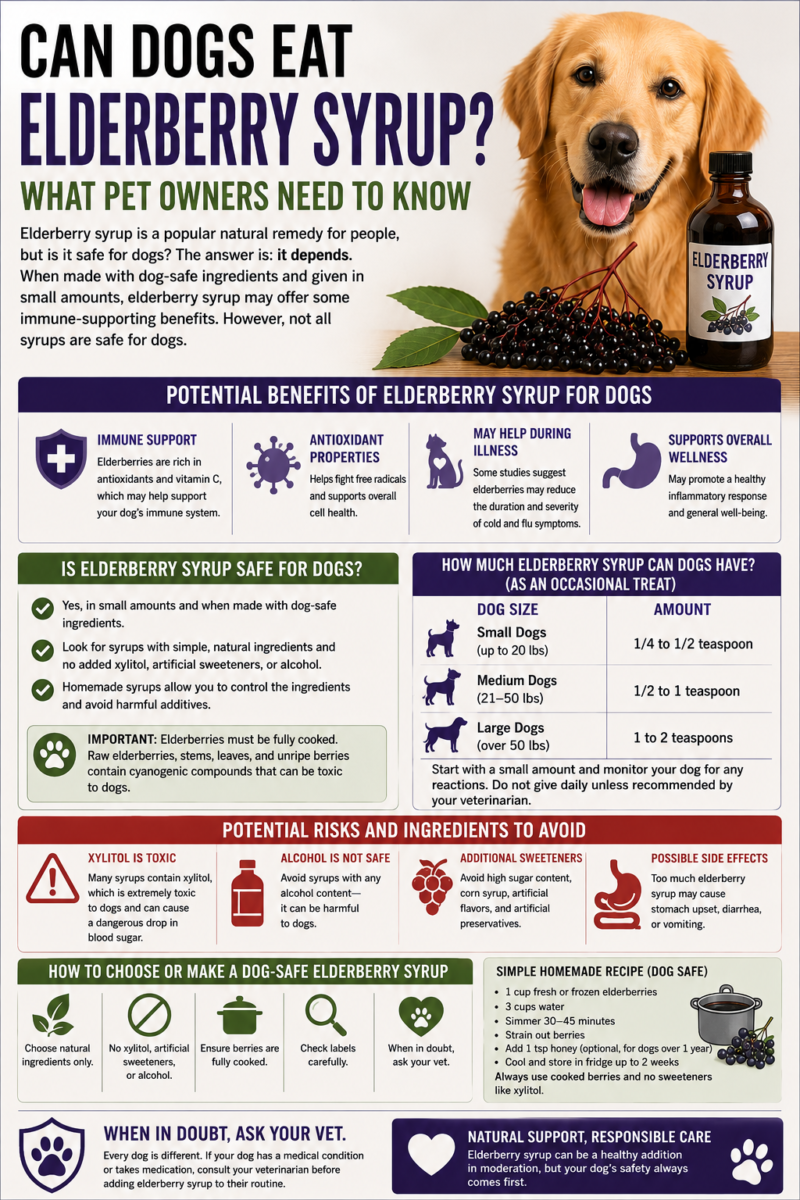
That’s why I always encourage people to read can dogs eat elderberry syrup? what pet owners need to know if they regularly keep elderberry syrup in their home.
How Long Does It Take Symptoms To Appear?
Symptoms can appear surprisingly quickly.
Many dogs begin showing signs within a few hours after consuming problematic parts of the plant.
The exact timeline depends on:
- The amount consumed
- The part of the plant eaten
- The dog’s size
- The dog’s overall health
Smaller dogs may be affected more quickly than larger dogs.
What Should You Do If Your Dog Ate Elderberries?
The first step is staying calm.
Then gather as much information as possible.
Ask yourself:
- What exactly did my dog eat?
- Was it raw or cooked?
- How much was consumed?
- When did it happen?
- Is my dog showing symptoms?
The more information you can provide your veterinarian, the easier it will be for them to determine the best course of action.



Can A Dog Recover From Elderberry Poisoning?
In most situations, yes.
Many dogs recover fully, especially when exposure is limited and treatment is provided quickly if necessary.
The key is recognizing symptoms early.
Waiting too long can allow a minor issue to become a more serious one.
Are Elderberry Plants Safe To Grow Around Dogs?
Many readers of Elderberry Pro grow their own elderberries.

If you’re considering planting bushes after reading how to grow elderberries at home and what nobody tells you before you plant, you’ll want to think about your pets as well.
Dogs should not be allowed to regularly chew on:
- Leaves
- Branches
- Bark
- Roots
- Unripe berries
Fortunately, many dogs ignore elderberry plants entirely once they realize they are not food.


Can Dogs Eat Ripe Elderberries?
This is where confusion often starts.
Many people hear that ripe elderberries are used in syrups, teas, and other products and assume they must be completely safe.
The reality is more complicated.
Ripe elderberries are generally considered less problematic than raw plant material, but that does not mean dogs should be encouraged to eat them.
Personally, I prefer to keep elderberries for people and stick with dog treats specifically formulated for canine nutrition.
Why Puppies Deserve Extra Caution
Puppies are naturally curious.
They chew on everything.
That means they are far more likely to sample leaves, stems, and berries from a garden plant.
Because puppies are smaller, even limited exposure may create a greater concern than it would in a large adult dog.
If you have a young puppy and elderberry bushes in your yard, supervision is a very good idea.
Other Plants Dogs Commonly Confuse With Elderberries
Another issue involves plant identification.
Some plants resemble elderberries but may carry completely different risks.
One example is pokeweed.
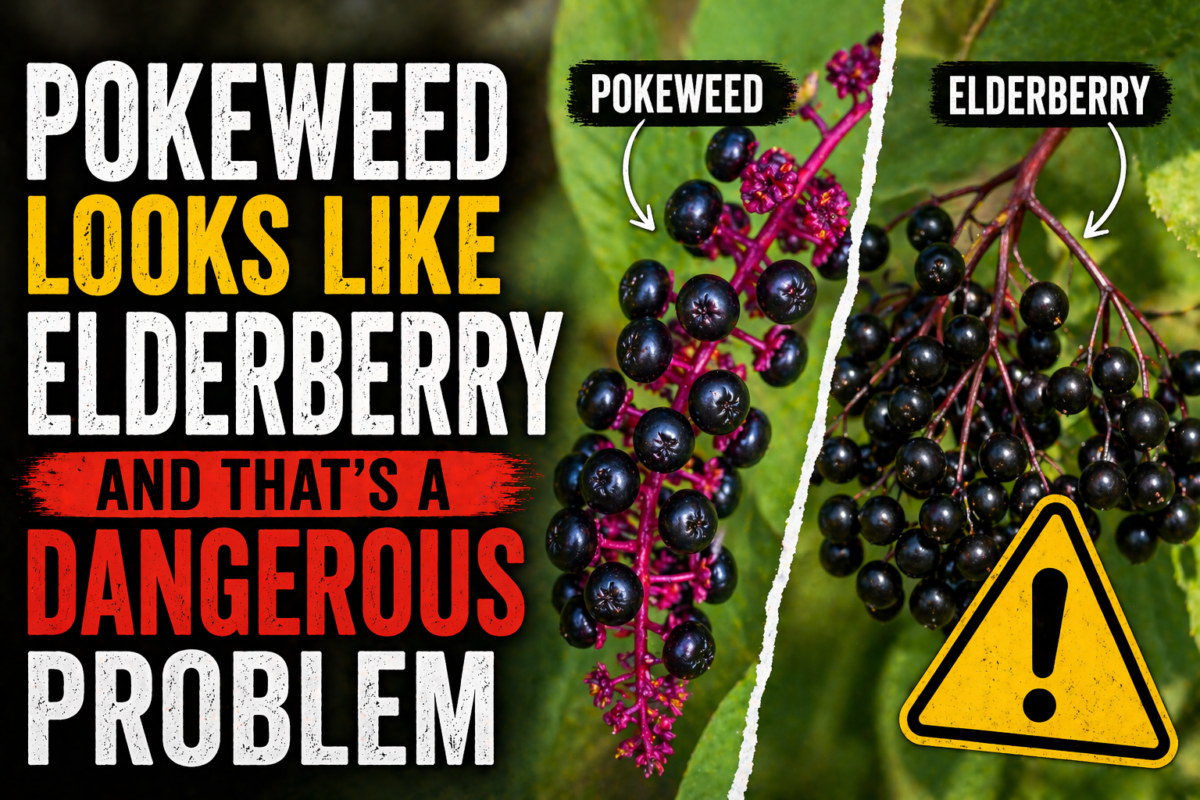
If you forage or harvest wild berries, make sure to read pokeweed looks like elderberry and that’s a dangerous problem.
Mistaken identity can create risks for both humans and pets.
What Veterinarians Usually Want To Know
When you call your veterinarian, they will often ask:
- What part of the plant was eaten?
- Approximately how much?
- When did it happen?
- What symptoms are present?
- How large is the dog?
Having this information ready can help them provide guidance more quickly.
What Pet Owners Should Remember
The most important thing to understand is that elderberry poisoning concerns usually involve raw plant material rather than properly prepared elderberry products.
Leaves, stems, bark, roots, and unripe berries present the greatest risks.
If your dog accidentally consumes any of these parts of an elderberry plant, monitoring closely and contacting your veterinarian is always the safest approach.
Quick action and careful observation can make a huge difference if symptoms develop.
Author
Sarah Whitmore
Sarah Whitmore is an herbal enthusiast, backyard grower, and independent researcher who has spent years studying elderberries, traditional plant remedies, and home gardening. Through Elderberry Pro, she shares practical guides, safety information, recipes, and research-backed insights to help readers better understand the benefits and risks of elderberries.