
I’ll admit it.
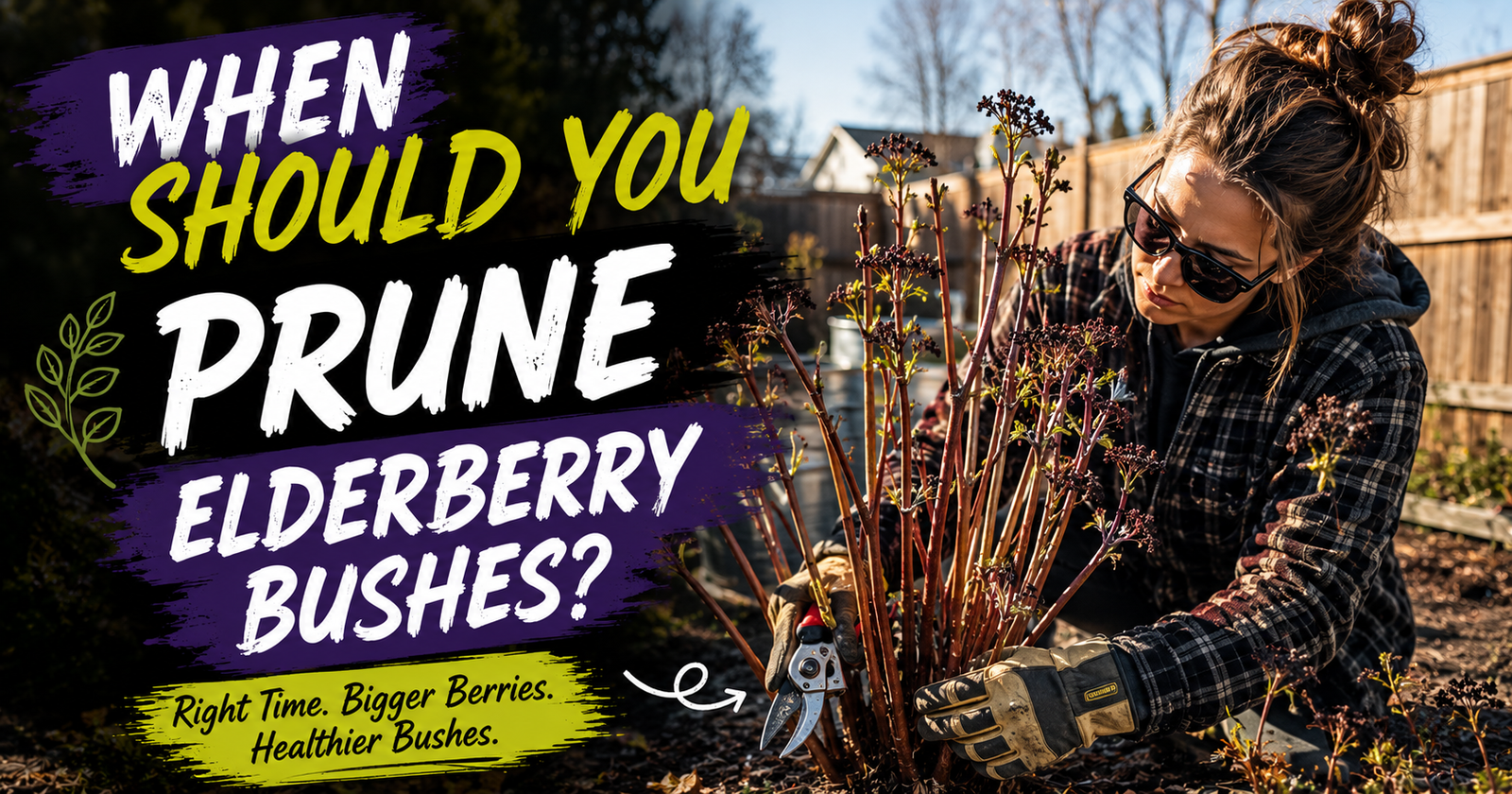
The first time I pruned an elderberry bush, I stood there with the loppers in my hand for several minutes wondering if I was about to ruin the entire plant.
Every cut felt permanent.
“What if I remove next year’s berries?”
“What if I cut too much?”
“What if I don’t cut enough?”
If you’ve ever felt that way, you’re definitely not alone.
Pruning can seem intimidating because you’re intentionally removing healthy branches from a plant you’ve spent years growing.
The funny thing is that once I understood why elderberries benefit from pruning, it stopped feeling scary and started making perfect sense.
Today, I actually look forward to pruning season.
It’s one of the easiest ways to keep bushes healthy, productive, and much easier to harvest.
If you’re wondering when to prune elderberry bushes, here’s what I’ve learned.
The Best Time To Prune Elderberries
For most home gardeners, the best time to prune elderberries is during late winter or very early spring while the plants are still dormant, before vigorous new growth begins.
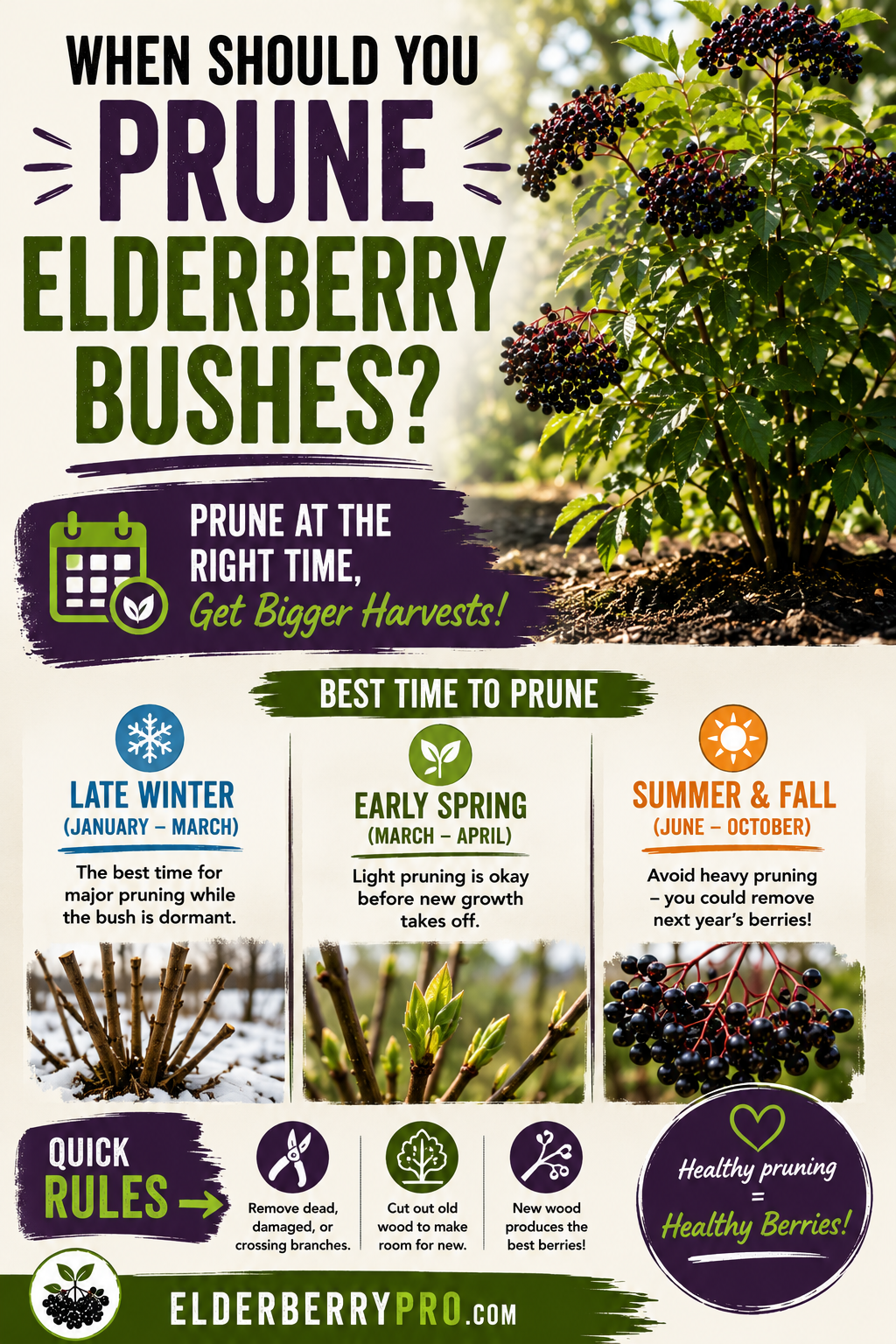
At that point, it’s much easier to see the structure of the bush because the leaves are gone.
Dead canes stand out.
Damaged branches are obvious.
Older wood is easier to identify.
Perhaps most importantly, pruning before active growth begins allows the bush to put its spring energy into healthy new shoots instead of supporting branches that really should have been removed.
That’s become my routine every year, and it’s worked well for me.



Why I Don’t Usually Prune In The Fall
One question I hear fairly often is whether it’s okay to prune immediately after harvesting berries.
Technically, you can remove obviously broken or damaged branches if necessary.
But I usually avoid heavy pruning in the fall.
The plant is beginning to prepare for winter.
I’d rather let it naturally finish that process before making major cuts.
Waiting until dormancy also gives me a much clearer picture of the bush’s overall structure.
It simply makes pruning easier.
The Biggest Mistake New Growers Make
Ironically, the biggest pruning mistake usually isn’t cutting too much.
It’s not pruning at all.
I completely understand why.
A healthy elderberry bush looks beautiful.
It’s tempting to leave it exactly as it is.
Over several years, though, those bushes become crowded.
Older canes begin competing with younger ones.
Airflow decreases.
Harvesting becomes more difficult.
The center of the bush can become surprisingly dense.
Eventually you’ll find yourself reaching through a maze of branches just to pick berries.
A little pruning each year helps prevent all of that before it becomes a problem.
Think About The Bush Five Years From Now
Just like spacing, pruning is about thinking ahead.
You’re not pruning for today’s harvest.
You’re pruning to keep the bush productive for many seasons to come.
Every cut should have a purpose.
Sometimes that purpose is removing damaged wood.
Sometimes it’s improving airflow.
Sometimes it’s encouraging vigorous new canes that will become future berry producers.
Keeping that long-term mindset completely changed how I approach pruning.


What I Remove First
Whenever I begin pruning an elderberry bush, I don’t start randomly cutting branches.
I work through the plant in roughly the same order every year.
First I remove anything that’s obviously:
- Dead.
- Broken.
- Diseased.
- Rubbing against another branch.
Those cuts are usually easy decisions.
After that, I begin looking at the overall shape of the bush instead of focusing on individual branches.
I’m trying to create a healthier plant, not a perfectly symmetrical one.
The Right Pruning Tools Make The Job Much Easier
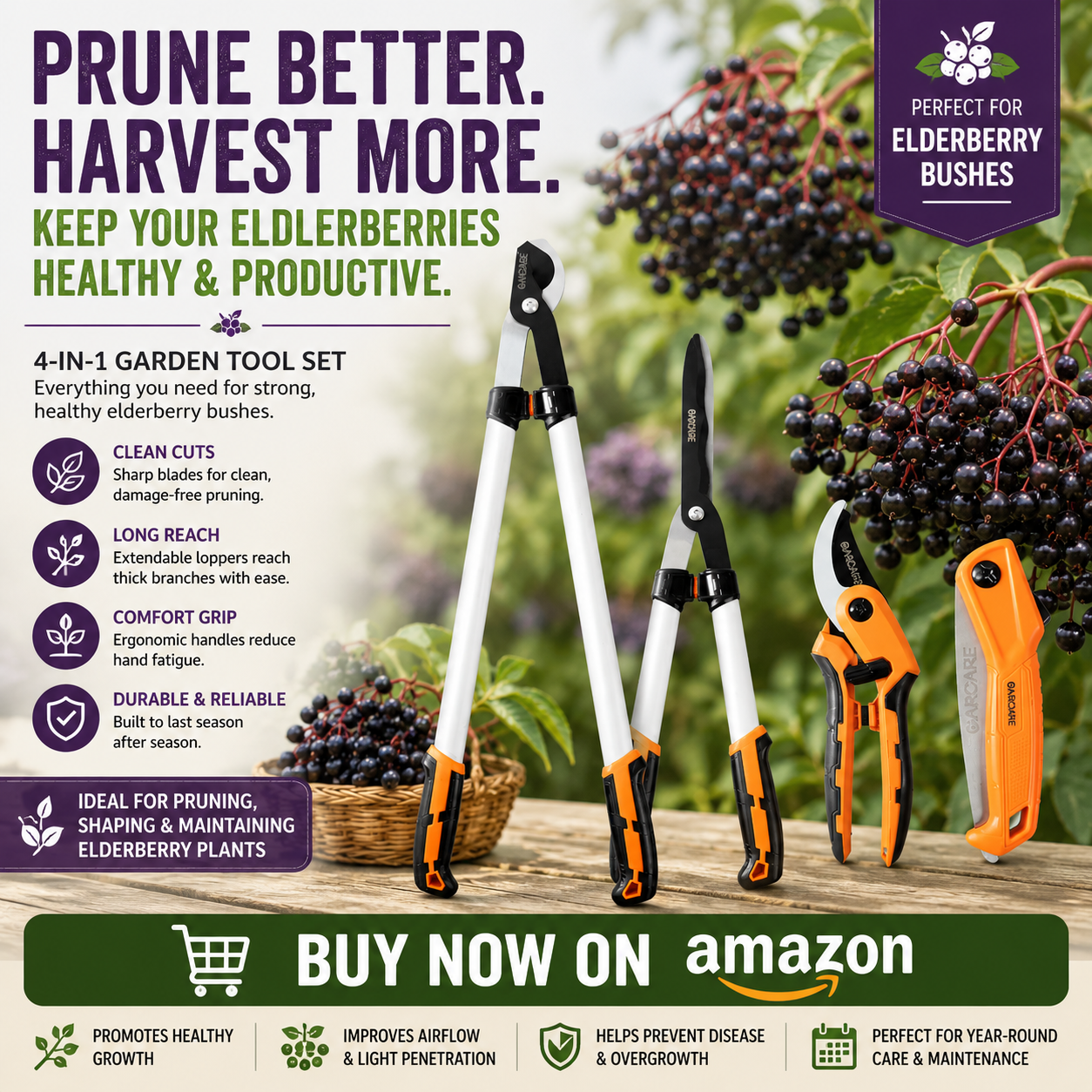
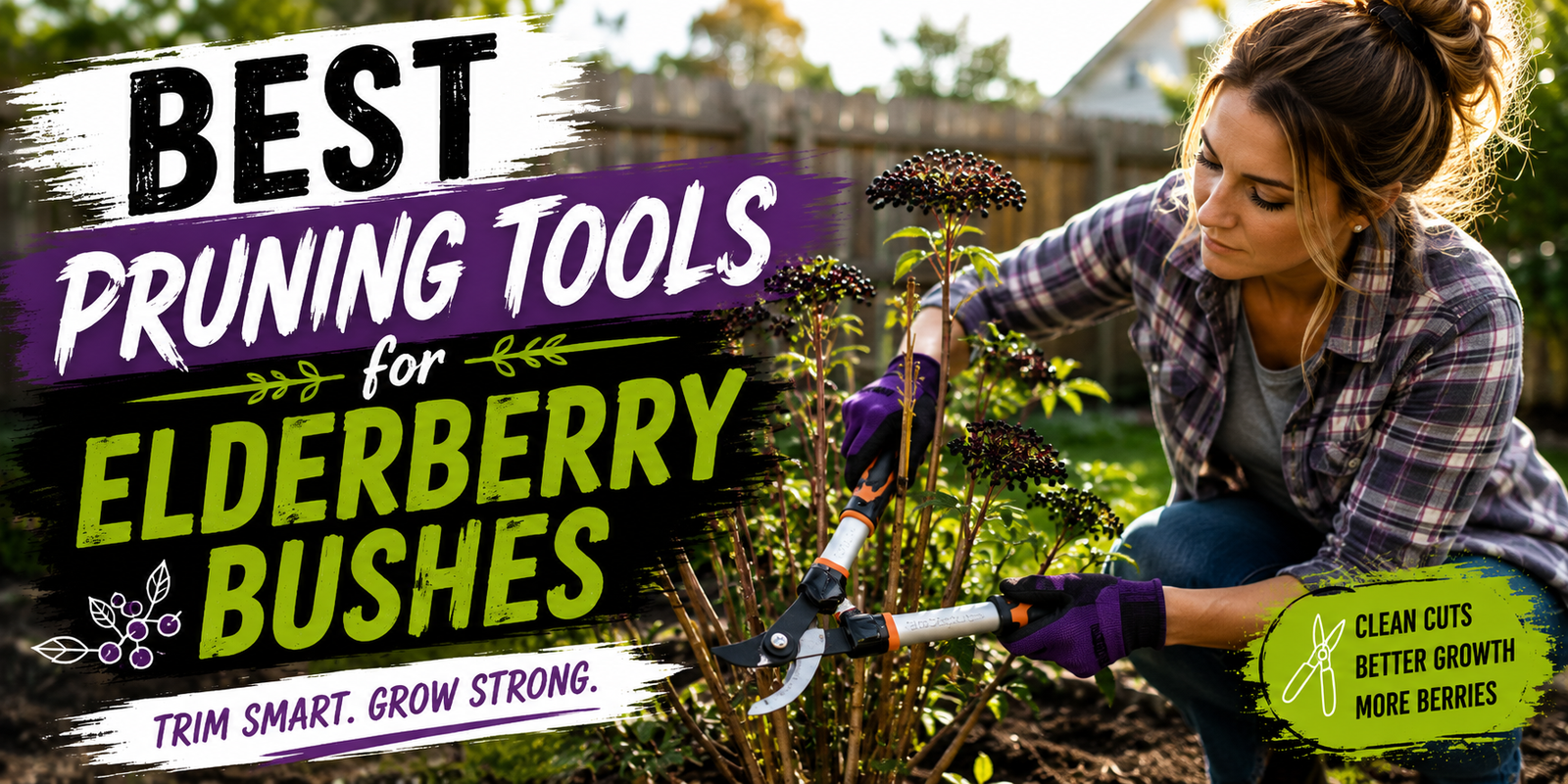
One lesson I learned pretty quickly is that pruning an elderberry bush with the wrong tools makes the entire job harder than it needs to be.
Small hand pruners work great for young shoots and thin branches, but once elderberry bushes mature, you’ll eventually run into thicker canes that need something with a little more leverage. A quality lopper makes clean cuts with far less effort, and a folding pruning saw is incredibly helpful for removing older, thicker canes without tearing or damaging the plant. Clean, sharp cuts help plants recover better than ragged cuts made with dull tools.
After trying several tools over the years, one kit I really like is the High Carbon Steel Tree & Shrub Care Kit. It includes a heavy-duty lopper, folding pruning saw, branch cutter, and pruning scissors, so I have everything I need whether I’m removing a small twig or an older cane that’s ready to come out. Instead of hunting around the garage for different tools every spring, I can grab one kit and get the entire job finished much faster.


Healthy Plants Start Before You Ever Prune
Pruning helps.
But it can’t fix every growing problem.
Healthy elderberries still need:
- Plenty of sunlight.
- Good soil.
- Consistent moisture.
- Proper spacing.
- Good pollination.
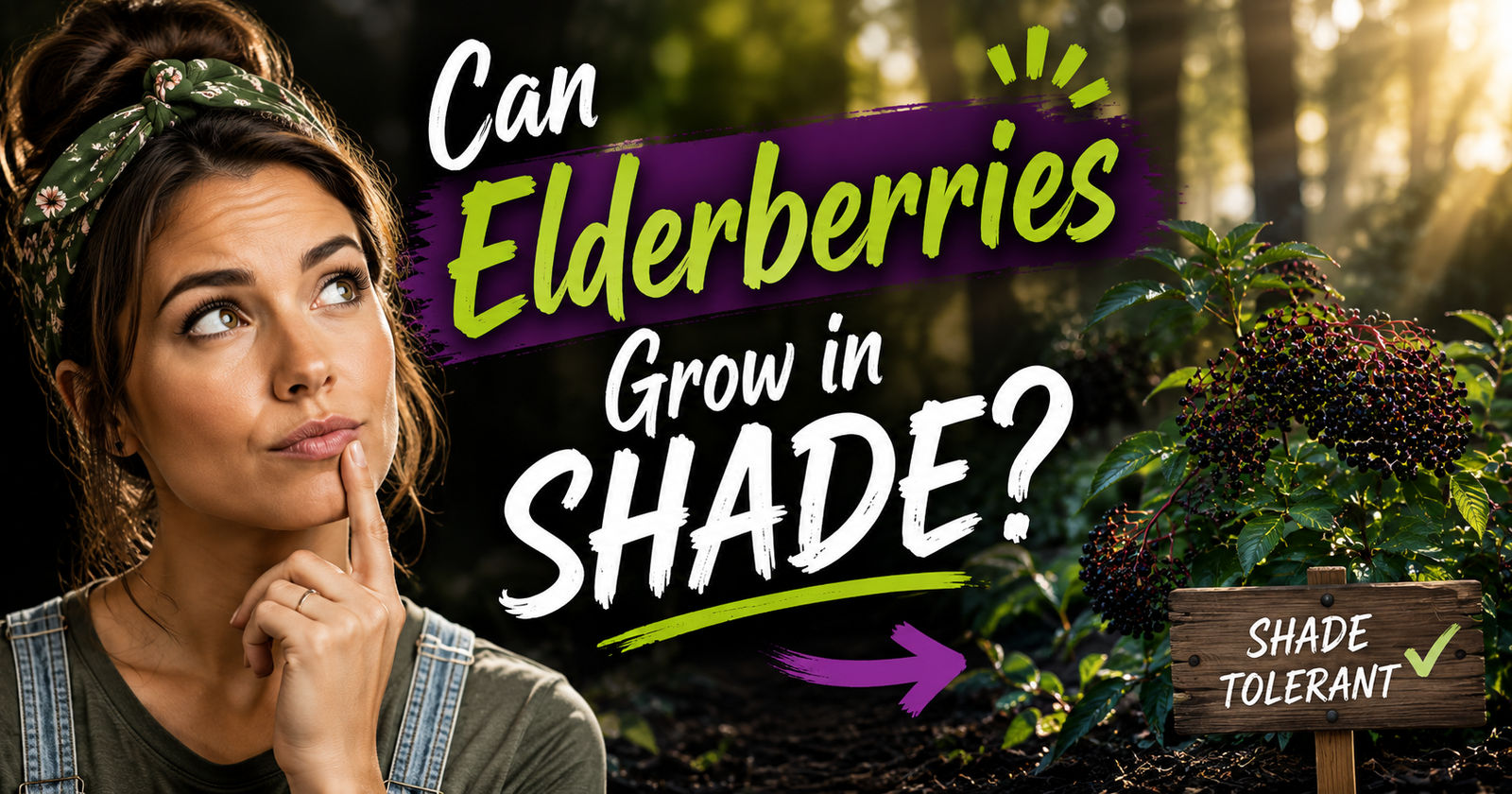
That’s one reason I recommend reading Can Elderberries Grow in Shade? Here’s What I Learned if your bushes seem weak or unproductive. Sometimes the issue isn’t pruning at all. It’s simply that the plants aren’t receiving enough sunlight to perform their best.

Likewise, if you’re just getting started, beginning with vigorous nursery-grown plants makes everything easier down the road. I’ve had great success recommending the Live American Elderberry Plants from Weaver Family Farms Nursery because healthy plants establish quickly and respond well to good long-term care.
Don’t Be Afraid To Remove Older Canes
One thing that helped me become more confident with pruning was realizing that not every cane is supposed to stay on the bush forever.
As elderberries age, some older canes naturally become less productive.
They’ve done their job.
Meanwhile, younger canes are ready to take over.
Removing some of that older growth gives the bush room to direct more energy toward healthy new shoots instead of trying to support aging wood that isn’t contributing much anymore.
It’s a little like cleaning out a crowded garage.
You’re not throwing away the good stuff.
You’re making room for something better.

Good Airflow Is One Of The Biggest Benefits Of Pruning
People often think pruning is only about making a bush look nicer.
For me, appearance is way down the list.
What I’m really after is airflow.
When branches become crowded together, sunlight struggles to reach the center of the bush.
Leaves stay wet longer after rain.
Harvesting becomes frustrating.
Even finding ripe berry clusters gets more difficult.
A more open bush dries faster, is easier to inspect, and simply feels healthier throughout the growing season.
Every time I finish pruning an elderberry, I step back and ask myself one question.
“Can sunlight and air move through this bush?”
If the answer is yes, I’m usually happy with the result.
Don’t Try To Fix Every Problem With Pruning
I’ve watched people blame pruning for problems it had nothing to do with.
No berries?
Must need pruning.
Yellow leaves?
Must need pruning.
Slow growth?
Must need pruning.
Sometimes pruning helps.
Sometimes it has absolutely nothing to do with the issue.
If your elderberry has gone several seasons without producing much fruit, I’d spend a few minutes reading Why Isn’t My Elderberry Bush Producing Berries? before making major cuts. I’ve found that sunlight, pollination, plant age, and fertilizer are often much bigger factors than pruning alone.

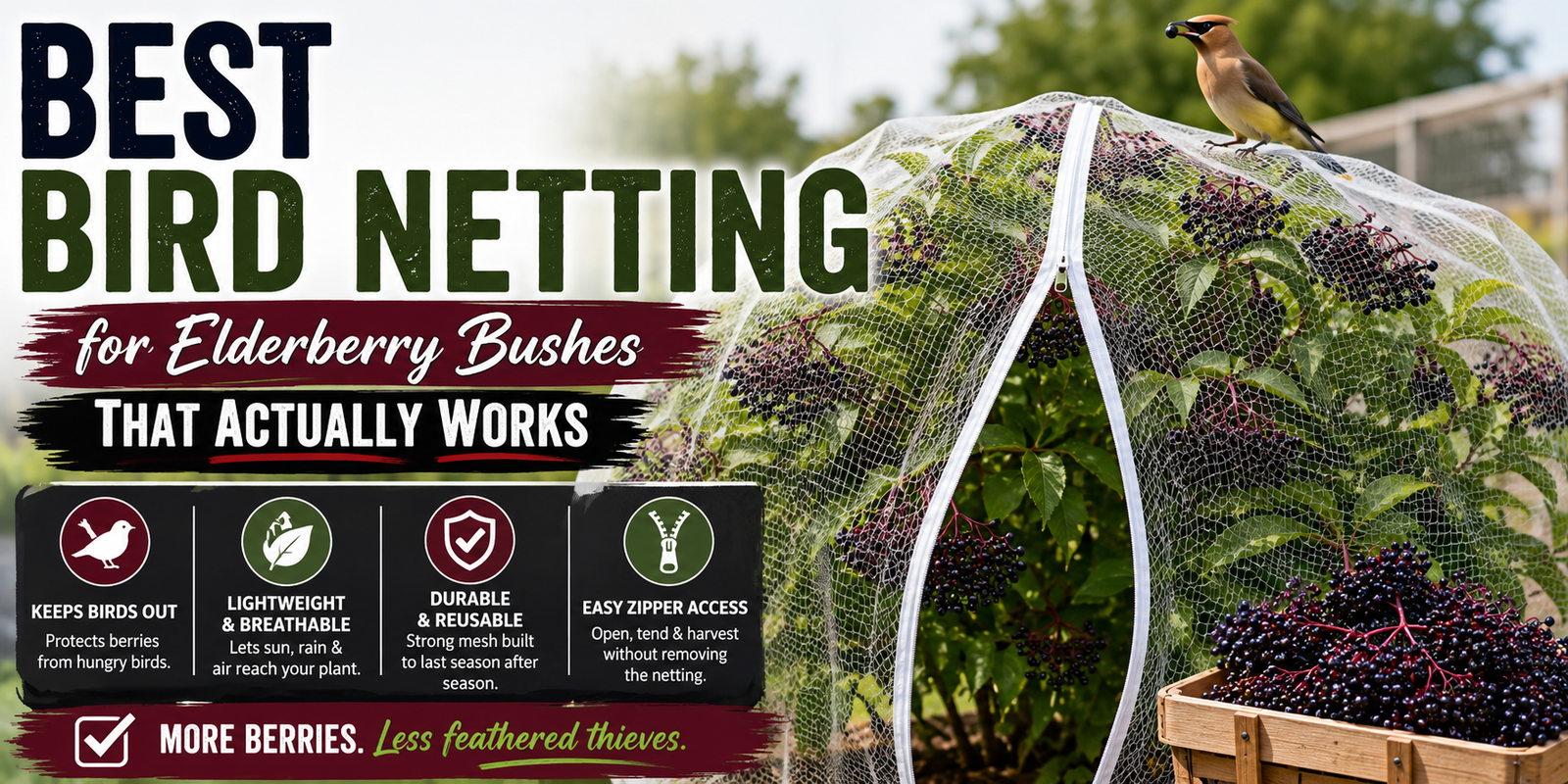

Fertilizer And Pruning Work Together
One thing I’ve noticed over the years is that pruning and fertilizing complement one another.
Pruning encourages healthy new growth.
Proper nutrition helps support that growth.
Neither one replaces the other.

After pruning season, I pay close attention to how the bushes respond once spring arrives. If I feel they could benefit from a little extra support, I’ve had good results using the Farmer’s Secret Fruit & Bloom Booster Fertilizer . I like it because it’s easy to apply and focuses on flowering and fruit production instead of simply creating lots of leafy growth.
Of course, fertilizer isn’t magic.
Healthy soil, sunlight, and water still matter far more.
Every Bush Doesn’t Need The Exact Same Pruning
This is something I wish someone had told me years ago.
It’s easy to search online looking for a formula.
Remove exactly this many branches.
Cut everything to this height.
Leave this many canes.
Real gardens don’t work that way.
Every elderberry bush grows a little differently.
Some naturally stay open.
Others become crowded very quickly.
Some produce vigorous new canes every year.
Others grow much more slowly.
Instead of following a rigid formula, I look at what each individual plant needs.
That approach has given me much better results than trying to make every bush look identical.
Pruning Starts Long Before The Loppers Come Out
One thing I’ve learned is that successful pruning actually begins when you plant the bush.
Healthy spacing.
Plenty of sunlight.
Good airflow.
Those decisions make every future pruning session easier.
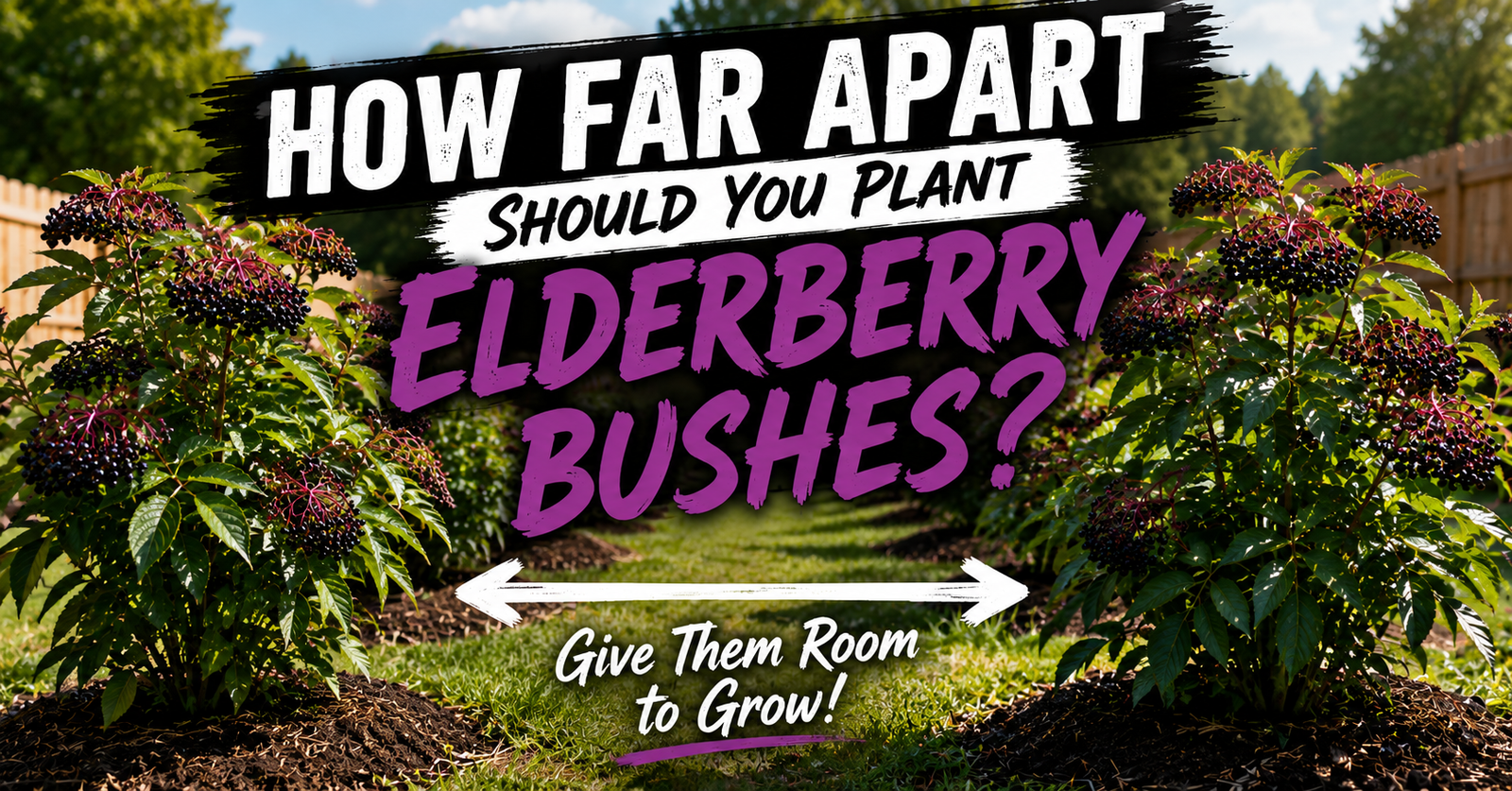
That’s why I always encourage new growers to spend time planning before they ever dig the first hole. If you’re still laying out your planting, my guide on how far apart you should plant elderberry bushes explains why giving them enough room today prevents a lot of work later.
Likewise, if you’re planting your very first bushes, the elderberry growing guide from Weaver Family Farms Nurseryis packed with practical advice that pairs well with everything we’ve covered here.
Don’t Chase A Perfect-Looking Bush
This might sound strange coming from someone writing about pruning.
I don’t actually want my elderberries to look perfect.
I want them to be productive.
Nature isn’t perfectly symmetrical.
Healthy elderberries aren’t either.
If one side grows a little differently than the other, that’s okay.
If one cane leans slightly, that’s okay too.
My goal isn’t creating a picture-perfect shrub.
My goal is creating a healthy bush that produces an incredible harvest every summer.
That’s the standard I judge my pruning by.
Pruning Season Is The Perfect Time To Propagate New Plants
One unexpected benefit of annual pruning is that it often provides the perfect opportunity to grow additional elderberry bushes.
Every year I remove healthy canes that would otherwise be discarded.
Instead of throwing all of them away, I look for straight, vigorous sections that can be used as propagation material.
It’s one of my favorite ways to expand an elderberry planting without buying more bushes.
Over time, one healthy elderberry can become several.
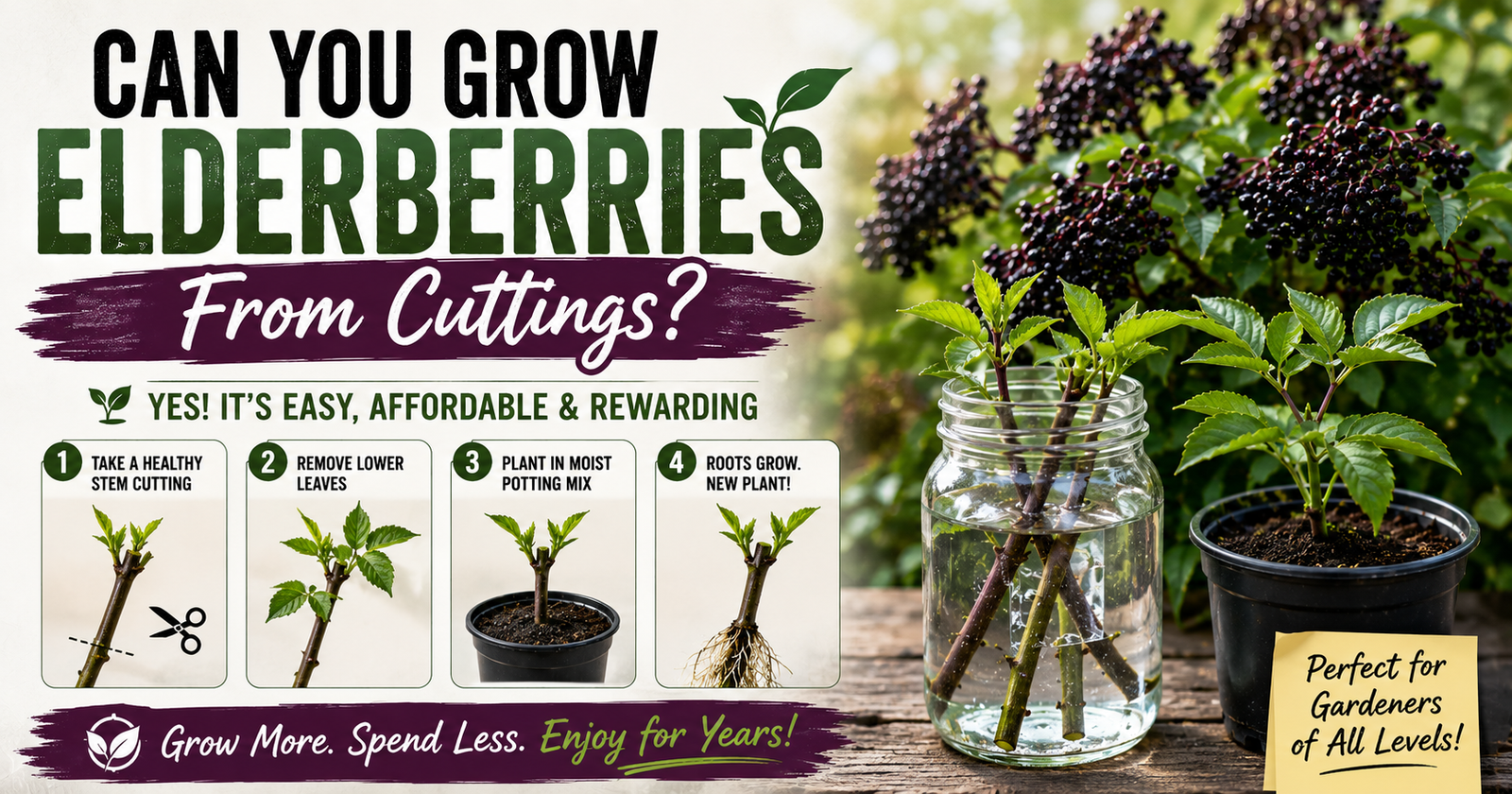
If you’ve never tried propagation before, Can You Grow Elderberries From Cuttings? explains why cuttings have become the preferred method for most experienced growers and why they’re usually much more predictable than growing from seed.
Healthy Pruning Supports Bigger Harvests
I don’t think of pruning as simply removing branches anymore.
I think of it as preparing the bush for next season.
Removing older wood encourages vigorous new canes.
Opening the center improves airflow.
Better sunlight reaches developing shoots.
Harvesting becomes easier.
Each small improvement builds toward healthier bushes and larger berry crops over time.
Pruning works best when it’s combined with proper watering, fertilization, spacing, and pollination instead of treating it as a stand-alone task.
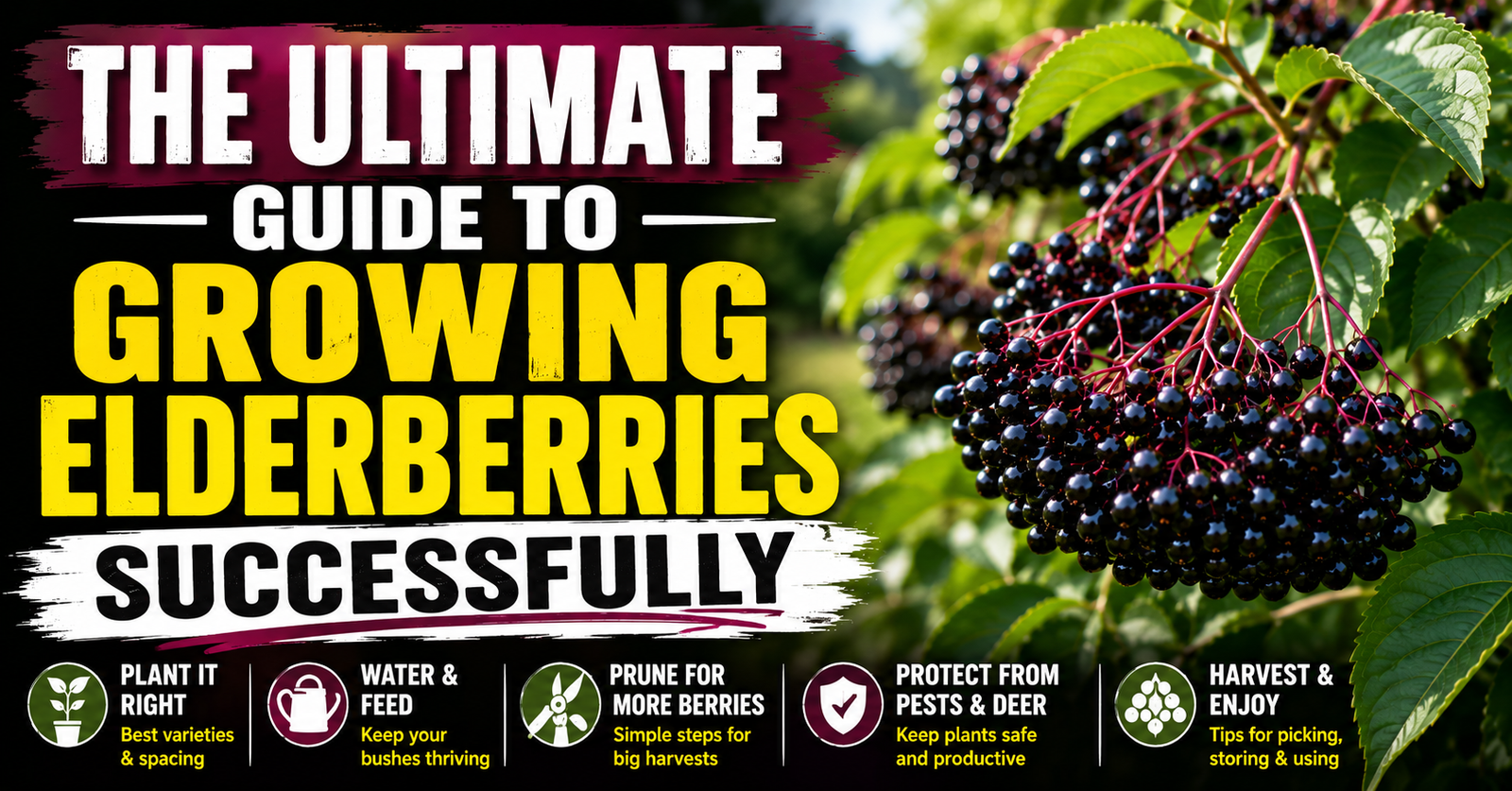
If you’d like to see how every part of elderberry care fits together throughout the year, The Ultimate Guide to Growing Elderberries Successfully ties the entire growing process together into one complete resource.
Questions I Hear About Pruning Elderberries
After helping quite a few people get started with elderberries, I’ve noticed the same questions come up every year once winter starts coming to an end.
Can I Prune Too Much?
Yes.
Elderberries are tough plants, but that doesn’t mean they enjoy having half the bush removed every year.
I like thinking of pruning as guiding the plant instead of rebuilding it.
If you remove dead wood, damaged branches, crowded growth, and a few older canes, you’re usually accomplishing exactly what the bush needs.
There’s rarely a reason to aggressively cut everything back unless you’re trying to rejuvenate a severely neglected planting.
What Happens If I Never Prune?
Your elderberry will probably survive.
It may even continue producing berries for several years.
The problem is that the bush gradually becomes harder to manage.
Older canes accumulate.
New growth becomes crowded.
Airflow decreases.
Harvesting becomes more frustrating.
Eventually you’re spending more time untangling branches than picking berries.
A few minutes of pruning each year is much easier than trying to restore an overgrown bush later.
Can I Prune During The Summer?
I generally avoid heavy summer pruning.
If I notice a broken branch or something that’s obviously damaged, I’ll remove it without hesitation.
But major pruning usually waits until the plant is dormant.
I’ve found that’s less stressful on the bush and makes it much easier to see what actually needs to be removed.
Should Every Elderberry Bush Look The Same?
Not at all.
Every variety grows a little differently.
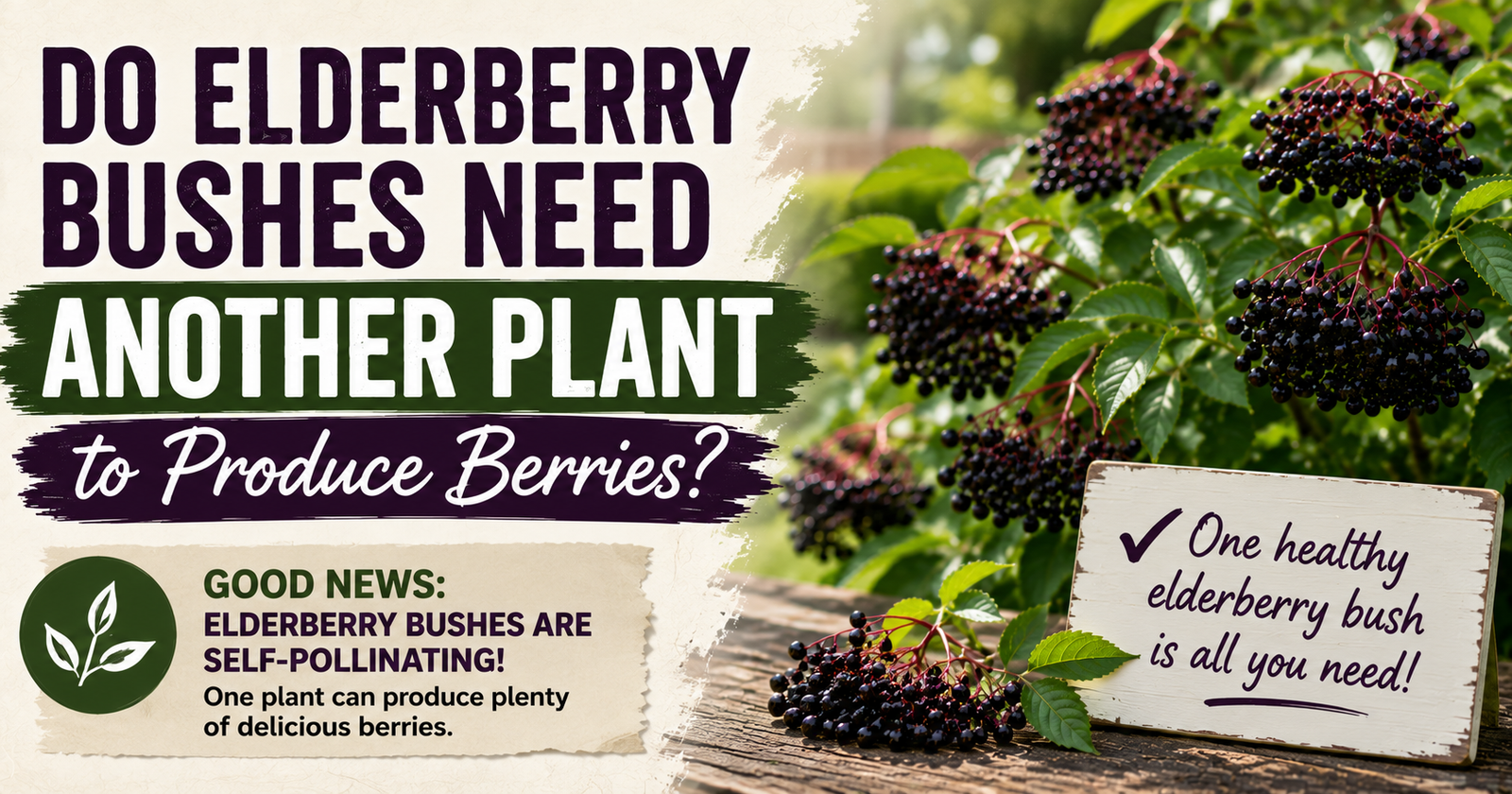
Even two bushes of the same variety growing only a few feet apart may develop completely different shapes. If you're deciding whether to add another bush, whether one bush is enough explains how a compatible planting can affect berry production.
One of mine naturally grows upright.
Another spreads much wider.
Instead of forcing them to look identical, I simply help each one stay healthy and productive.
Pruning Is Only Part Of The Story
One thing gardening has taught me is that there’s almost never one single reason an elderberry succeeds or struggles.
Pruning matters.
But so do sunlight, spacing, soil quality, watering, pollination, and plant nutrition.
I’ve seen beautifully pruned bushes produce disappointing harvests because they were planted in too much shade.
I’ve also seen neglected bushes surprise people with huge crops simply because they were growing in nearly perfect conditions.
The goal isn’t finding one magic trick.
It’s stacking lots of good decisions together.
That’s exactly why this growing series exists.
Each article answers one important question, but together they build a complete picture of what healthy elderberry plants actually need.
My Pruning Routine Today
People sometimes ask whether I have a complicated pruning system.
Honestly, it’s pretty simple.
Every year I:
- Walk around each bush before making a single cut.
- Remove dead, damaged, or diseased wood first.
- Thin crowded areas to improve airflow.
- Remove a few older canes when necessary.
- Step back often to make sure I’m improving the overall shape instead of just cutting branches.
That’s it.
No complicated charts.
No measuring tape.
Just thoughtful pruning with the long-term health of the plant in mind.
The Reward Shows Up Months Later
One thing I enjoy most about pruning is that the reward doesn’t happen immediately.
After you’re finished, the bushes actually look smaller.
You don’t really appreciate the work until spring arrives.
Fresh shoots emerge.
The bush fills back in.
Flower clusters begin appearing.
Then, later in the summer, you’re standing there harvesting berries from a plant that’s healthier, easier to manage, and far more enjoyable to work around.
That’s when the few hours you spent pruning suddenly feel completely worthwhile.
Keep Growing Your Elderberry Knowledge
Pruning is just one piece of growing healthy elderberries.
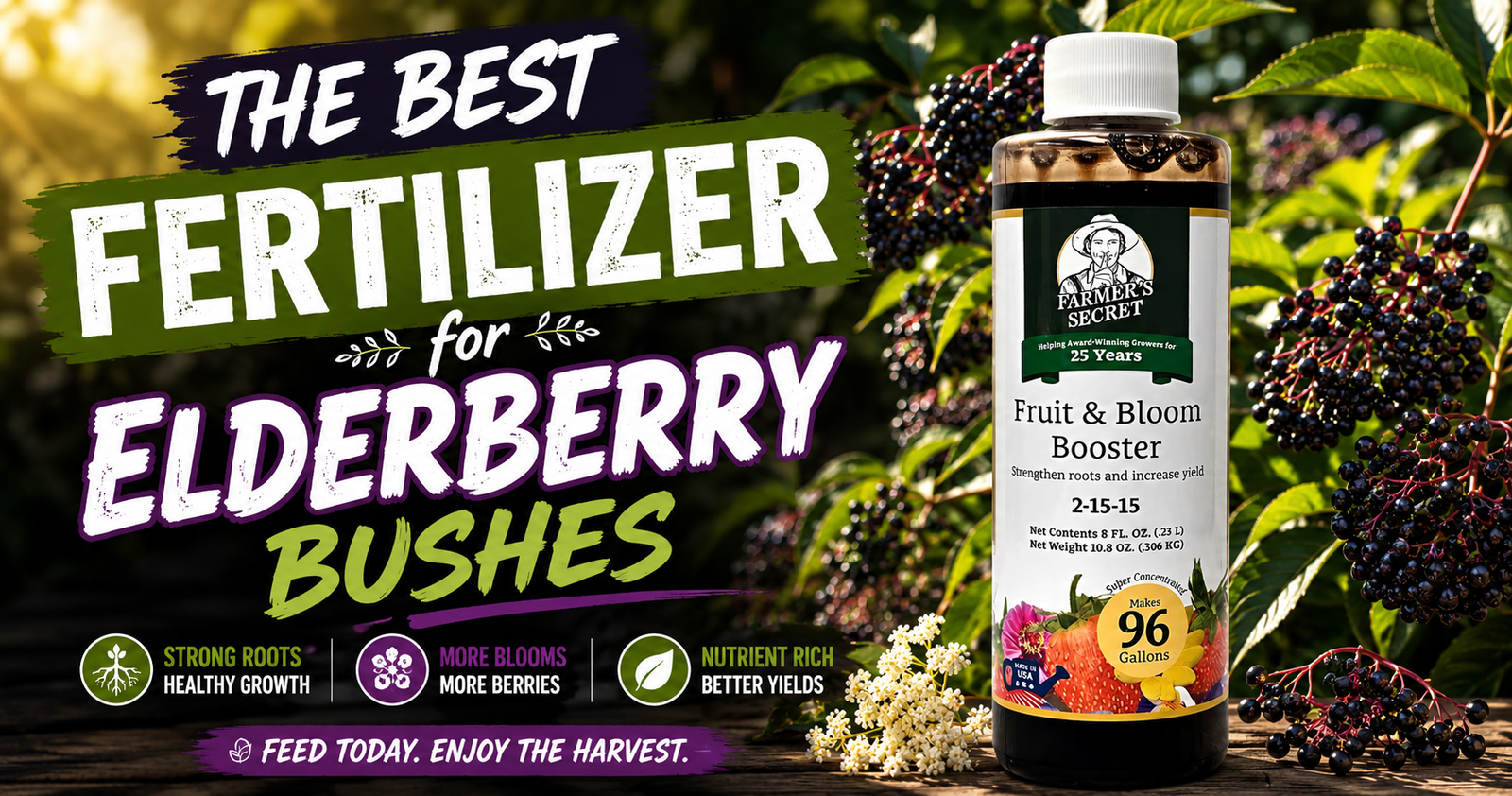
If you’re building a productive backyard planting, I’d also recommend reading Best Fertilizer for Elderberry Bushes That Actually Works to make sure you’re feeding your plants appropriately. If you’re still deciding where to plant them, Can Elderberries Grow in Shade? Here’s What I Learned explains how sunlight affects berry production. And if your bushes still aren’t producing the way you expected, Why Isn’t My Elderberry Bush Producing Berries? walks through the most common causes and practical solutions.
One thing I’ve learned after years of growing elderberries is that success rarely comes from one big secret.
It comes from doing the small things well, year after year.
Pruning is one of those small things.
Get it right, stay patient, and your elderberry bushes will reward you with healthier growth and bigger harvests for many seasons to come.
About the Author
Caleb Morgan
Caleb Morgan is a lifelong backyard gardener, native fruit grower, and plant enthusiast who enjoys helping home gardeners get more from every growing season. Through Elderberry Pro, he shares practical advice based on years of growing elderberries, testing different techniques, and learning what consistently leads to healthier bushes and better harvests.