
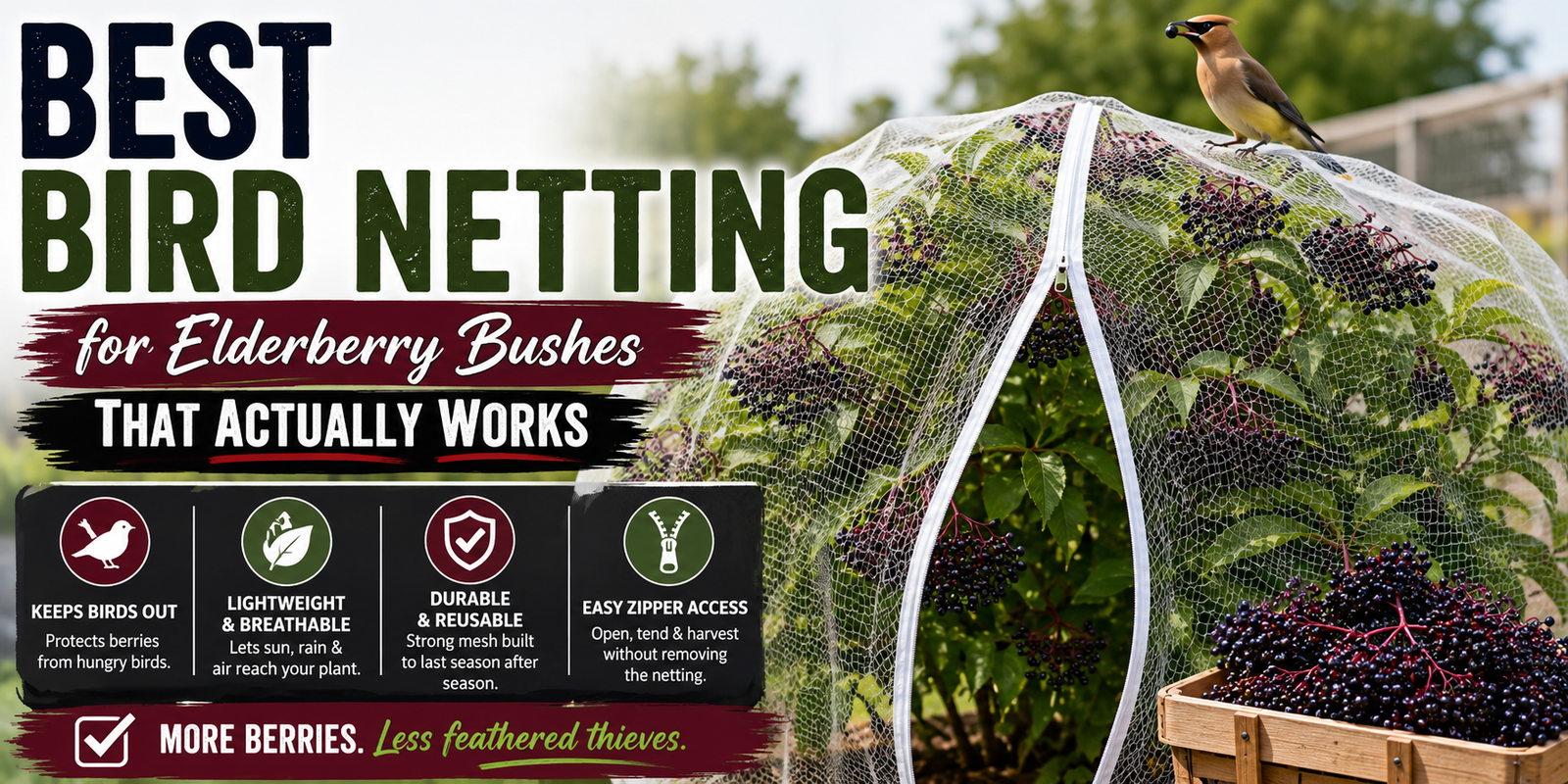
I don’t mind sharing a few elderberries with the birds.
I really don’t.
They were here long before I started growing elderberries, and I enjoy watching wildlife around the yard.
But one year, I walked outside planning to harvest my biggest crop ever and realized the birds had beaten me to it.
Not by a little.
By a lot.
Several clusters were nearly empty.
Others had berries knocked onto the ground.
Some clusters looked like someone had picked them overnight.
That’s when I stopped trying gimmicks and started looking for something that actually worked.
After trying reflective tape, fake owls, shiny objects, and a few homemade ideas, I eventually realized the simplest solution was also the most effective.
Create a physical barrier between the birds and the berries.
If you’re serious about protecting your elderberry harvest, here’s what I’ve learned.
Why Birds Love Elderberries So Much
Once elderberries begin turning their deep purple-black color, they become one of the most attractive foods in the landscape.
They’re soft.
Sweet.
Easy to spot.
Easy to eat.
Birds don’t wait until every berry is perfectly ripe.
Many species begin checking bushes every single day as harvest approaches.
If you wait until birds become a problem before protecting your bushes, you’ve probably already lost part of your crop.
That’s why I install protection before they become fully ripe instead of after the birds discover them.
Why Most Bird Deterrents Eventually Stop Working
Over the years I’ve experimented with almost everything.
Reflective tape.
Plastic owls.
Rubber snakes.
Wind chimes.
Pie tins.
Noise makers.
Some of them worked…
For a few days.
Birds are incredibly smart.
Once they realize the shiny object or fake owl never actually hurts them, they simply ignore it.
That’s why I finally stopped relying on scare tactics.
I wanted something that worked every single day instead of only during the first week.

A Physical Barrier Is The Best Solution
The biggest difference with netting is simple.
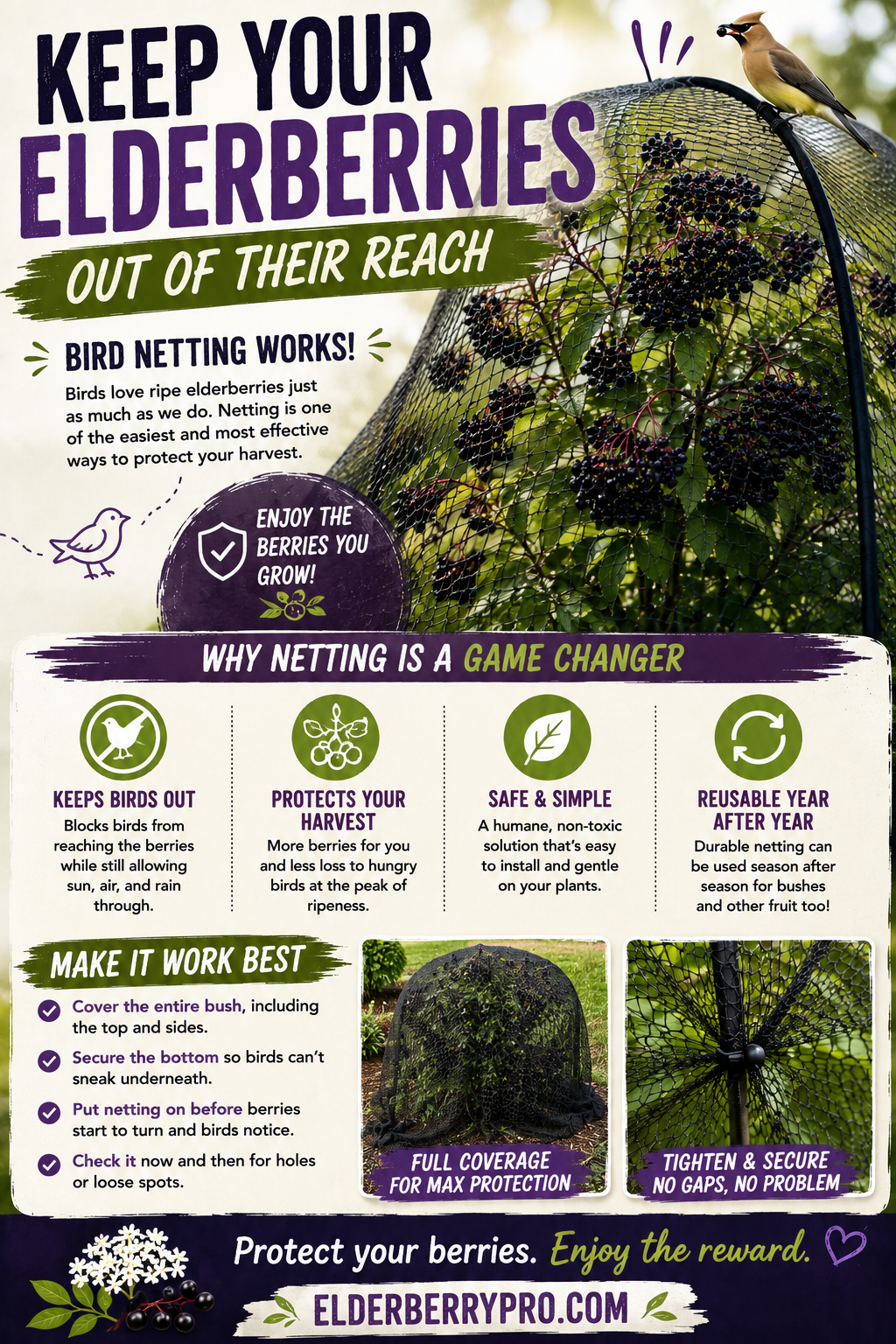
Birds can’t eat berries they can’t reach.
Instead of hoping wildlife stays away, you’re preventing access altogether.
For me, that’s been far more reliable than constantly moving fake predators around the yard.
Once the netting is installed correctly, I can usually stop worrying about birds and start looking forward to harvest day.
What I Look For In Bird Netting
Not every bird net is the same.
After trying several styles, there are a few features I’ve learned to appreciate.
First, I want something that’s easy to install.
Second, I don’t want to spend half an hour untangling a giant sheet of netting every season.
Third, I want plenty of airflow around the berries.
Finally, I want something durable enough to reuse year after year.
Those simple features make a much bigger difference than people realize.
The Bird Netting I Recommend
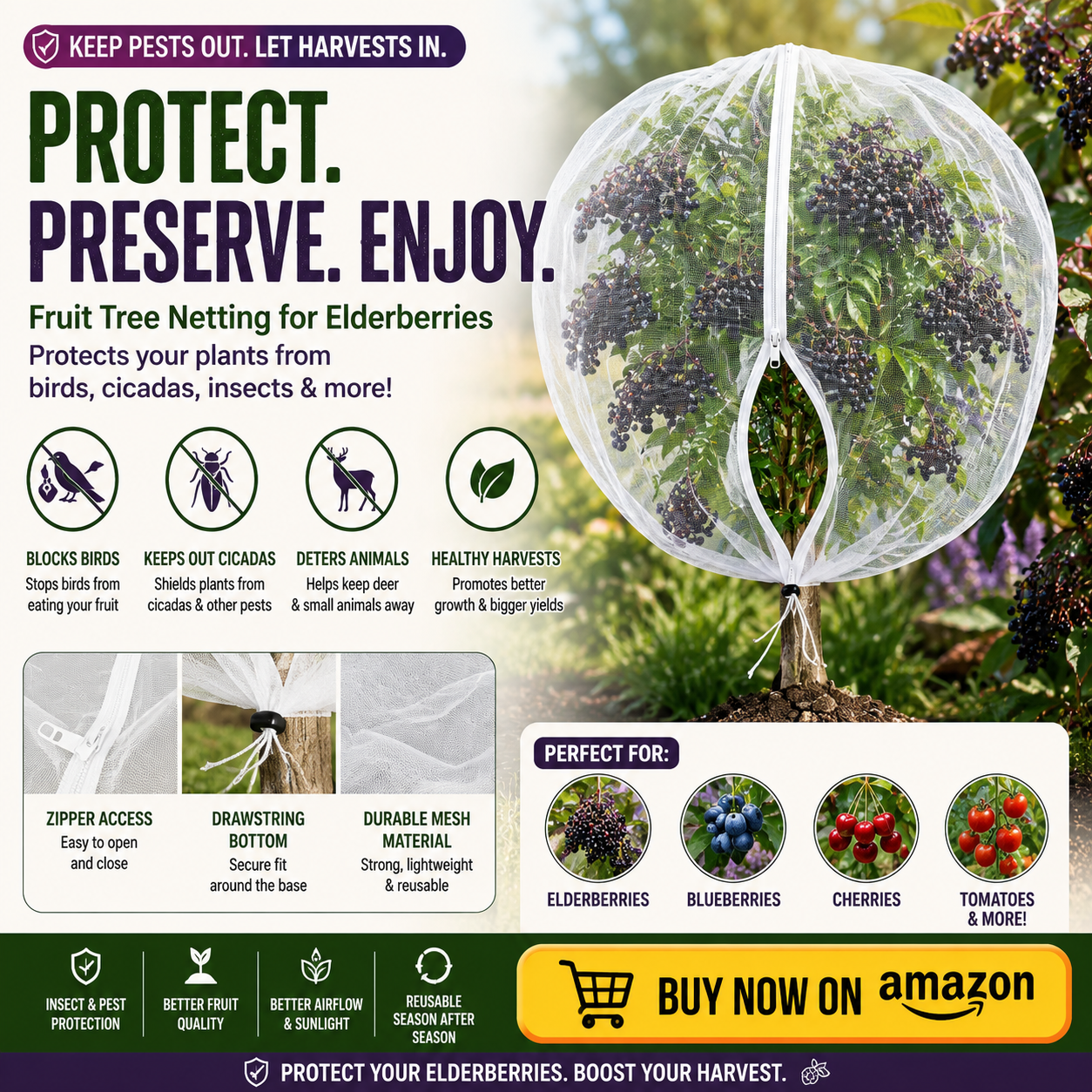
After trying different options, one of my favorites has been the Fruit Tree Netting with Zipper and Drawstring.
Instead of wrestling with one enormous piece of netting over an entire bush, these individual mesh bags slide over fruiting branches or smaller bushes quickly. The built-in zipper makes installation incredibly simple, while the drawstring helps secure the opening around the branch so birds can’t sneak inside.
I also like that the mesh still allows sunlight, rainfall, and good airflow to reach the berries while keeping hungry birds away.
As an added bonus, they also help reduce damage from cicadas and many larger insects that might otherwise land directly on developing fruit.
For backyard growers, it’s one of the simplest upgrades I’ve made, and it’s saved far more berries than any scare device ever did.
Bird Netting Works Best As Part Of A Healthy Growing Plan
One thing I’ve noticed over the years is that protecting the berries is only one part of growing successful elderberries.
Even the best bird netting can’t make up for bushes that are struggling with poor sunlight, inconsistent watering, or inadequate pollination.
Think of bird netting as protecting the harvest you’ve already worked hard to produce.
Healthy bushes produce larger crops.
Bird netting simply helps make sure those berries stay on the plant long enough for you to harvest them.
If you’re still building your elderberry planting, The Ultimate Guide to Growing Elderberries Successfully walks through everything from choosing a planting location to harvesting ripe berries.
Why I Prefer Individual Netting Bags Over Large Bird Nets
I’ve used the giant rolls of bird netting before.
They work.
But they’re not always enjoyable to use.
If you’ve ever unfolded one, you know exactly what I mean.
The net catches on branches.
It tangles around itself.
It snags on every little twig.
By the time you’re finished, it can feel like you’ve spent more time fighting the net than protecting the berries.
That’s why I switched to individual netting bags for most of my elderberries.
Instead of covering an entire bush, I simply protect the clusters that are closest to ripening.
Installation is faster.
Removing the bags for harvest is easier.
When the season is over, storing them takes only a fraction of the space.
For backyard growers with a handful of bushes, I honestly think it’s a much more practical solution.
The Zipper Makes A Bigger Difference Than I Expected
I’ll admit, I didn’t think much about the zipper when I first ordered these bags.
Now it’s one of my favorite features.
Without it, you’re constantly trying to stretch the opening over branches without damaging fruit.
With the zipper, I simply wrap the bag around the cluster, zip it closed, and tighten the drawstring around the stem.
The entire process takes less than a minute.
When harvest day arrives, I unzip the bag, cut the berry cluster, and move on to the next one.
It’s a small feature, but after protecting dozens of clusters, it saves a surprising amount of time.


They Protect More Than Just Birds
Birds were the main reason I bought these netting bags.
They’ve ended up doing much more than that.
The fine mesh also helps reduce damage from:
- Cicadas
- Grasshoppers
- Larger beetles
- Curious squirrels trying to investigate individual clusters
- Wind knocking berries loose after birds land on the branches
No product will stop every possible pest, but adding a physical barrier gives your berries a much better chance of reaching harvest in excellent condition.
Airflow And Sunlight Still Reach The Fruit
One concern I had before trying netting was whether covering the berries would slow ripening.
Fortunately, that hasn’t been my experience.
Because the mesh is lightweight and breathable, sunlight still reaches the clusters, and plenty of air continues moving around the fruit.
Rainwater also passes through the mesh instead of pooling inside.
That means I can leave the bags in place until harvest without constantly removing and reinstalling them after every shower.
Install Them Before The Birds Find Your Bushes
If I could give one piece of advice, it’d be this:
Don’t wait until birds start eating berries.
By then, you’re already behind.
I usually install my netting shortly before the berries become fully ripe.
The birds may still visit the bushes, but instead of enjoying an easy meal, they’re greeted with a barrier they can’t get through.
That one decision has probably saved me more berries than anything else I’ve done.
Healthy Bushes Produce More Than Enough Fruit
One thing I’ve noticed over the years is that healthy elderberries often produce surprisingly heavy crops.
That’s why I spend just as much time keeping the bushes healthy as I do protecting the berries.
Proper watering, annual pruning, good spacing, and adequate sunlight all contribute to larger harvests.
If your bushes aren’t producing as well as you’d hoped, Why Isn’t My Elderberry Bush Producing Berries? is a great place to start because it covers many of the underlying issues that reduce fruit production.
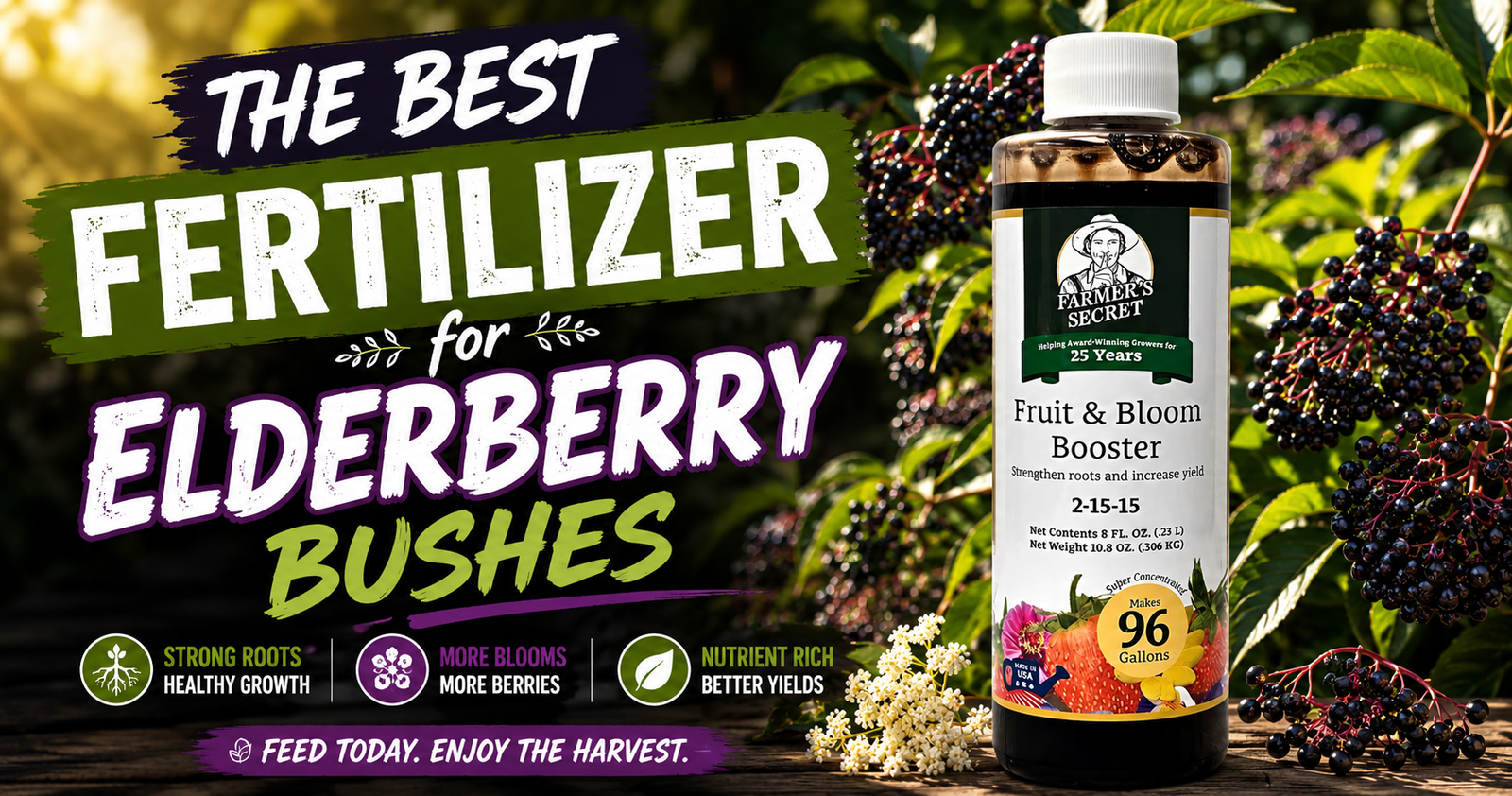
Likewise, Best Fertilizer for Elderberry Bushes That Actually Works explains how I feed my bushes without encouraging excessive leafy growth.
Netting Is Much Cheaper Than Losing Your Harvest
When you think about the time involved in growing elderberries, bird netting starts looking like an inexpensive investment.
You’ve already spent months:
- Watering.
- Fertilizing.
- Pruning.
- Weeding.
- Waiting for the berries to ripen.
Losing a large percentage of the harvest because you skipped a simple protective barrier doesn’t make much sense.
I’d much rather spend a little money once and enjoy the berries than watch wildlife enjoy all the hard work I put into growing them.
Questions I Get About Bird Netting For Elderberries
After recommending bird netting to other gardeners, I’ve noticed many of the same questions come up every season.
Here are the ones I hear most often.
When Should I Put Bird Netting On My Elderberries?
Earlier than you think.
I usually install the netting just before the berries reach full ripeness.
If you wait until birds are already helping themselves to your harvest, you’ve probably already lost some of your best fruit.
I treat bird netting like insurance.
It’s much easier to prevent damage than to stop it once birds have discovered your bushes.
Can Bees Still Pollinate The Flowers?
Yes, as long as you wait until after flowering has finished.
I never cover my bushes while they’re blooming because bees and other pollinators still need access to the flowers.
Once the flowers have been pollinated and the berries have started developing, that’s when I install the netting.
By then, the pollinators have already done the hard work.
Will Rain Get Through The Netting?
Absolutely.
One thing I like about these mesh bags is that they don’t trap water around the fruit.
Rain passes through naturally, sunlight still reaches the berries, and plenty of air continues circulating around the clusters.
I’ve left mine on through heavy summer storms without any problems.
Can I Reuse Them Next Year?
Yes.
That’s actually one of the reasons I recommend buying a quality set instead of the cheapest option you can find.
At the end of the season, I simply remove the bags, shake out any leaves or debris, let them dry completely, and store them in a sealed tote until the following summer.
With a little care, they’ve lasted through multiple growing seasons.
They Save Time During Harvest Too
One unexpected benefit I discovered is that the netting actually makes harvest easier.
Instead of searching the entire bush for ripe clusters, I already know exactly which ones I’ve protected.
I simply unzip the bag, clip the cluster, and move on to the next one.
The berries are usually cleaner too because they’ve been protected from bird droppings, leaves rubbing against them, and some larger insects throughout the ripening process.
It’s one of those small conveniences I didn’t expect until I started using them.
Pair Bird Protection With Good Harvest Timing
Even the best netting won’t help if the berries stay on the bush for weeks after they’re ready.
Once elderberries reach full ripeness, I like harvesting them fairly quickly.
That reduces the chances of losing berries to birds, storms, or natural fruit drop.
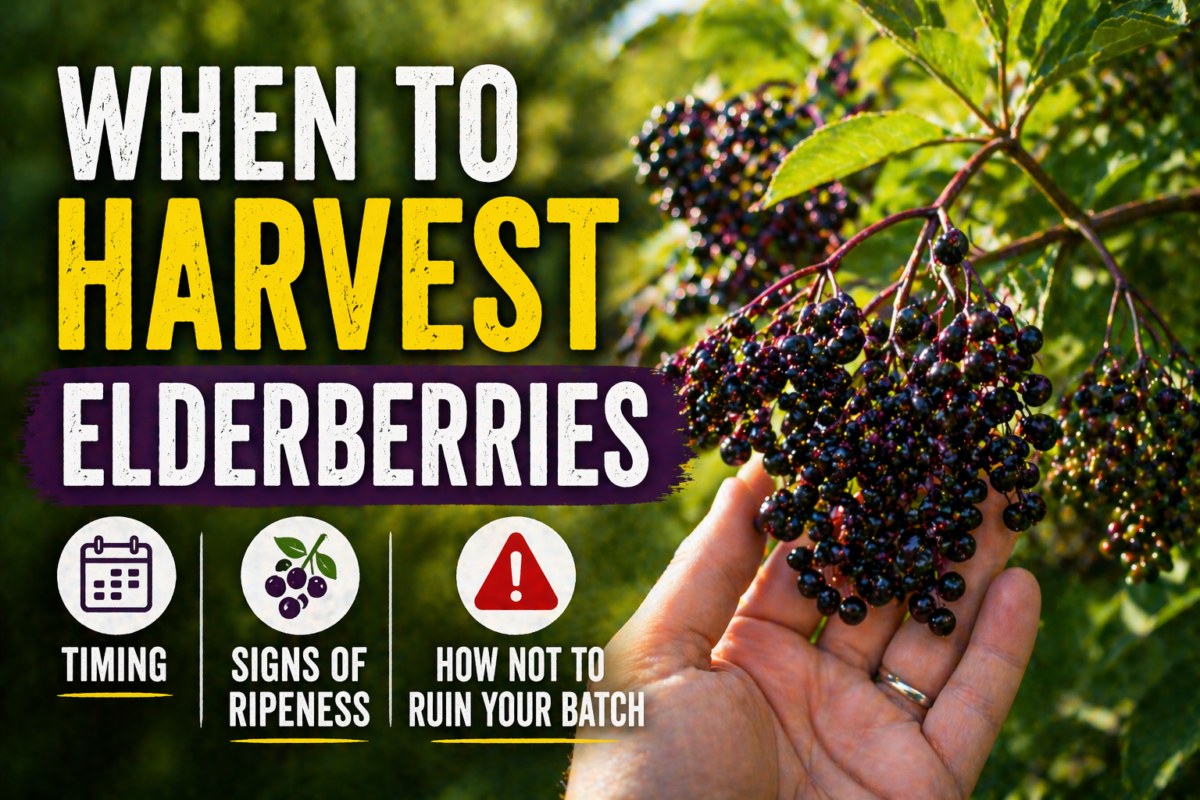
If you’re still learning what ripe elderberries actually look like, When to Harvest Elderberries explains the color, texture, and other signs I use before picking every season.
Protecting Your Harvest Doesn’t End After Picking
After spending months growing beautiful elderberries, I don’t want them losing quality once they’re inside the house.
If I’m not making syrup or jelly right away, I freeze the berries.
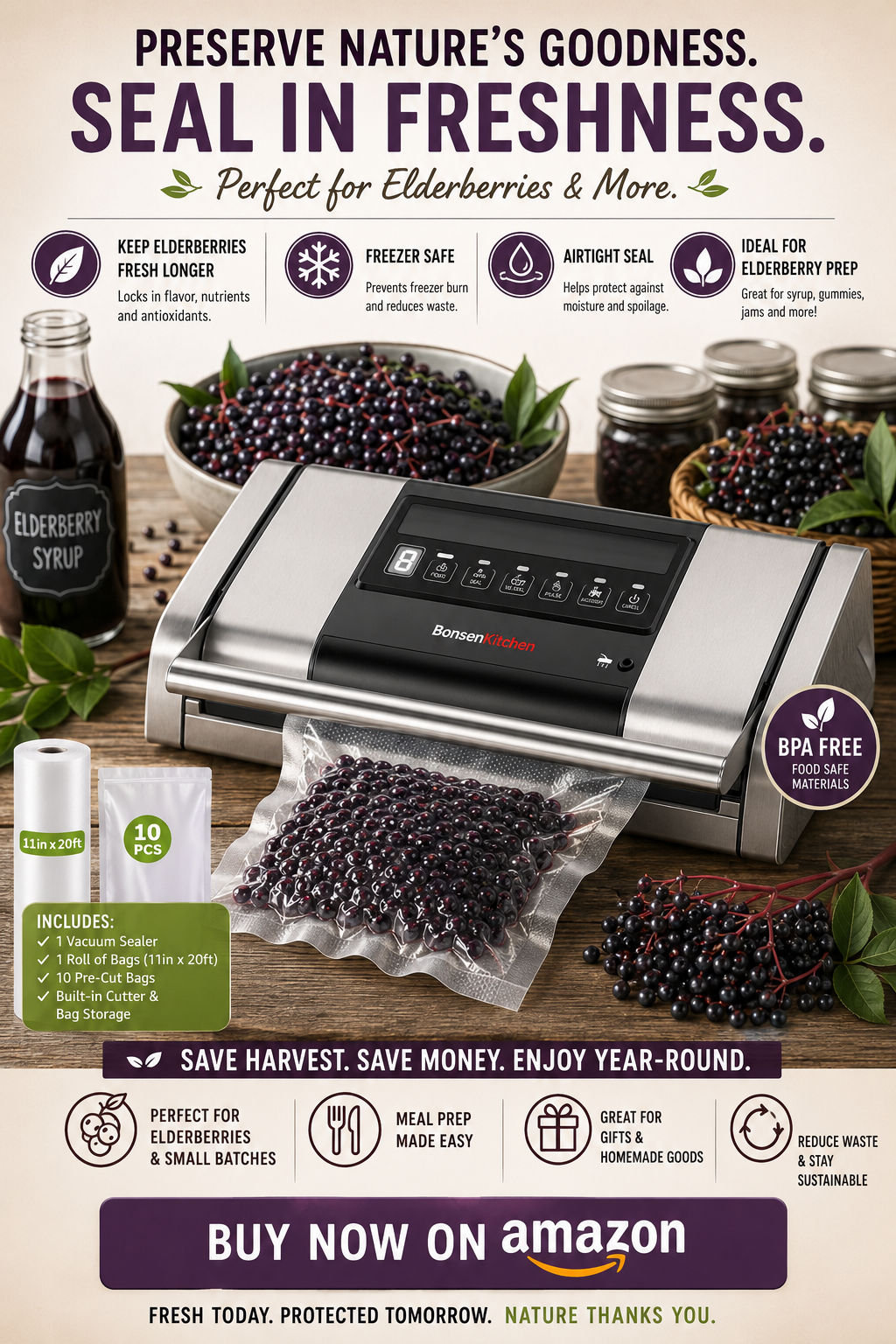
Before they go into the freezer, I vacuum seal them using the Bonsenkitchen Vacuum Sealer because it’s done an excellent job keeping freezer burn to a minimum. When I’m ready to make syrup months later, the berries still taste remarkably fresh.
Protecting the harvest doesn’t stop when you pick the berries.
It continues until you’re finally ready to enjoy them.
Is This Bird Netting Worth Buying?
For me, without question.
I’ve tried enough homemade bird deterrents to know they rarely keep working for long.
This netting solves the problem instead of trying to scare birds away from it.
The zippered design makes installation quick.
The drawstring helps keep birds from sneaking inside.
The breathable mesh allows sunlight, airflow, and rain to reach the fruit while keeping most hungry visitors out.
Most importantly, it lets me enjoy far more of the harvest that I spent an entire growing season producing.
If you’re serious about growing elderberries, I honestly think the Fruit Tree Netting with Zipper and Drawstring is one of the smartest purchases you can make before harvest season arrives.
Install Protection Before Birds Become Interested
One lesson I learned the hard way is that timing matters.
Installing netting after birds have already been feeding on your bushes often means you’ve already lost part of the crop.
Instead, I watch the berries carefully as they begin changing color.
Once they start approaching full ripeness, I install protection before birds decide they’re ready.
That simple change has dramatically improved how many berries I harvest each season.
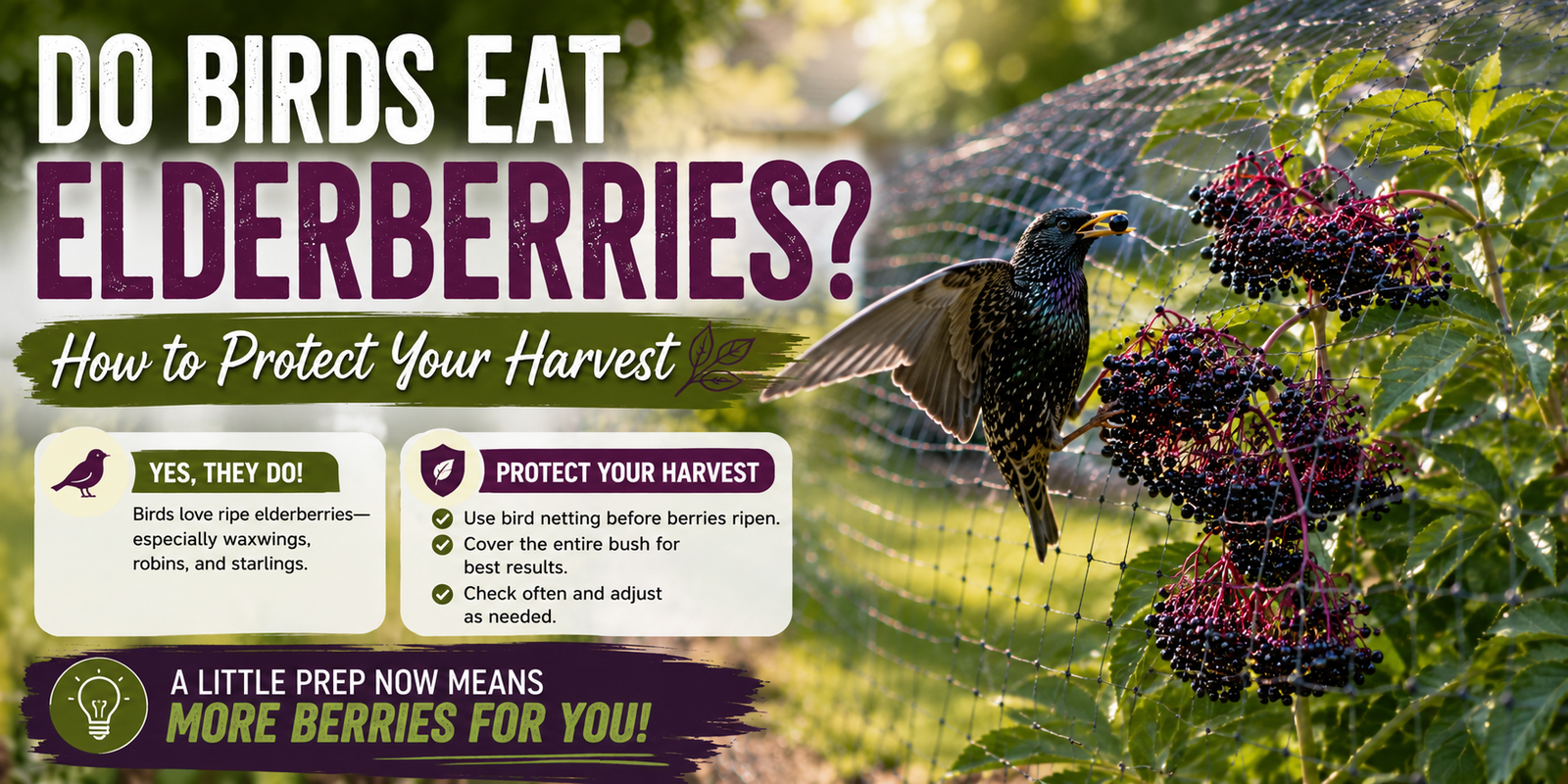
If you’re still wondering exactly why birds target elderberries so aggressively, Do Birds Eat Elderberries? How to Protect Your Harvest explains what attracts them and why acting early usually produces the best results.
Keep Getting More From Every Elderberry Harvest
Bird netting is one of the easiest ways I’ve found to protect ripe berries, but it’s only one piece of growing productive elderberry bushes. Healthy plants that receive enough sunlight, water, and yearly care almost always reward you with larger harvests to protect in the first place.
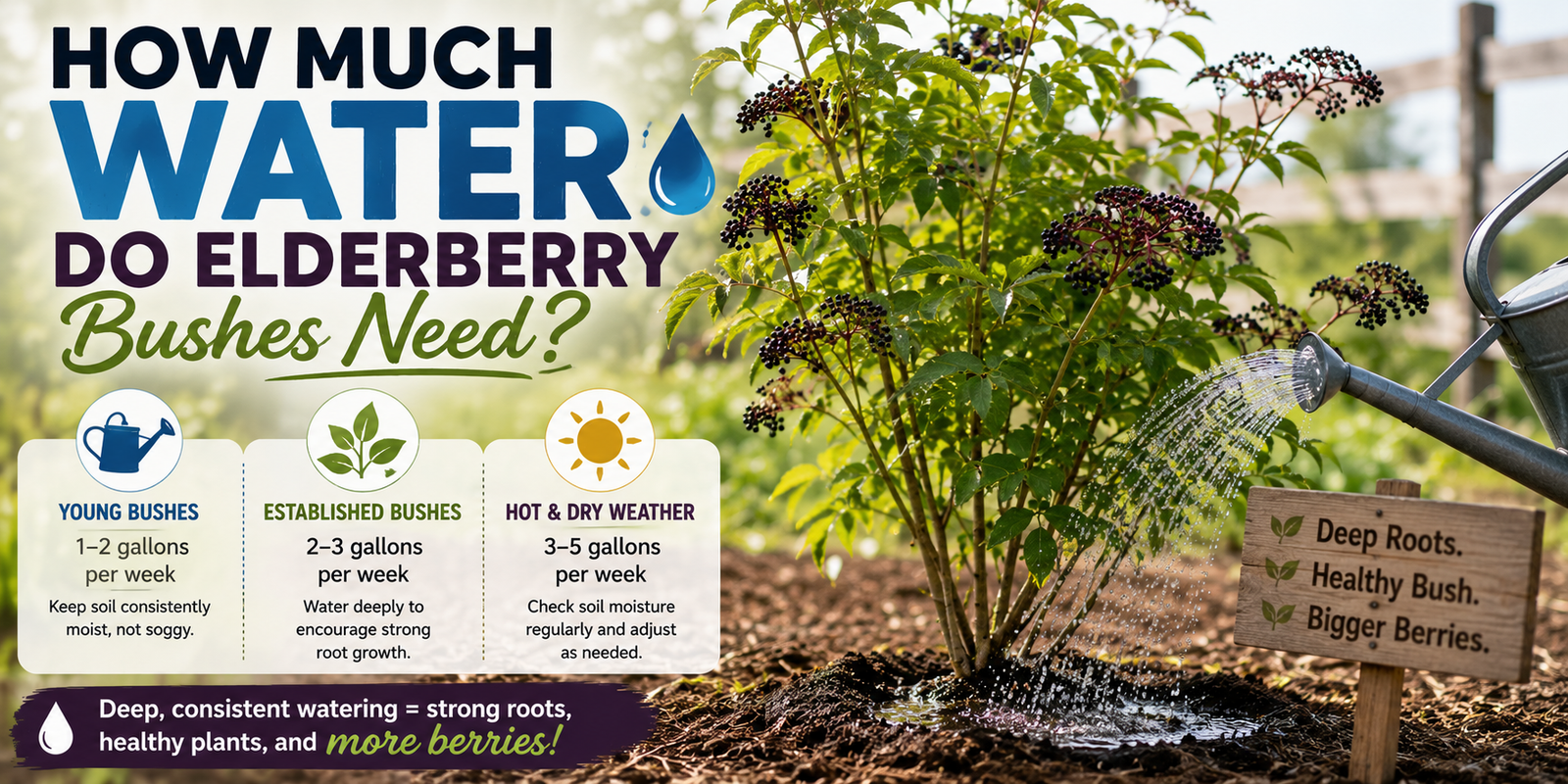
If you’re continuing to improve your elderberry patch, I’d also recommend reading Do Birds Eat Elderberries? How to Protect Your Harvest for additional bird-control tips, How Much Water Do Elderberry Bushes Need? to keep your bushes healthy during the growing season, and When Should You Prune Elderberry Bushes? Here’s What Works to encourage vigorous growth and bigger harvests year after year.
A little preparation before the berries ripen can make the difference between watching birds enjoy your crop and filling your own freezer with fresh elderberries.
About the Author
Caleb Morgan
Caleb Morgan is a lifelong backyard fruit grower and gardening writer who has spent years growing elderberries and testing practical ways to protect harvests from birds and other wildlife. Through Elderberry Pro, he shares real-world growing tips, honest product recommendations, and experience-based advice to help home gardeners enjoy healthier plants and bigger harvests.