

When I planted my first elderberry bushes, I had what I thought was the perfect location picked out.
It was tucked along the edge of the yard where the plants would get some morning sun and afternoon shade. It seemed protected, the soil stayed moist, and honestly, it looked like a great place for them to grow.
The bushes survived.
In fact, they looked pretty healthy.
The problem was they weren’t producing nearly as many berries as I expected.
That experience taught me an important lesson.
There’s a big difference between a place where an elderberry bush can survive and a place where it can truly thrive.
If you’re wondering whether elderberries can grow in shade, the short answer is yes.
But if your goal is large harvests filled with heavy clusters of berries, the full story is a little more complicated.
Yes, Elderberries Can Grow In Partial Shade
One of the reasons elderberries have become so popular is because they’re incredibly adaptable.

Unlike some fruit plants that demand perfect conditions, elderberries tolerate a fairly wide range of environments. Once you understand their growing needs, you can explore Where to Buy American Elderberry Plants (My Real Experience) for planting options.
They’ll often continue growing in partial shade.
You’ll usually still see:
- Healthy green leaves.
- New canes each spring.
- Steady growth.
- Beautiful white flower clusters.

At first glance, everything appears perfectly normal.
That’s why shade can be so deceptive.
The plant doesn’t necessarily look unhealthy.
It simply doesn’t perform as well as it could.
More Sun Usually Means More Berries
After talking with growers and watching elderberries over several growing seasons, I’ve noticed one trend that’s remarkably consistent.
The bushes growing in the most sunlight almost always produce the largest harvests.
That’s because sunlight powers everything the plant does.
Producing flowers.
Developing berries.
Ripening fruit.
Building strong canes for next year.
The more energy the plant can produce, the more resources it has available for fruit instead of simply maintaining itself.
If your elderberry receives full sun for most of the day, you’re already giving it one of the biggest advantages possible.


Does Shade Affect Pollination Too?
When most people think about pollination, they picture bees moving from flower to flower.
What many gardeners don’t realize is that sunlight and pollination often work together.
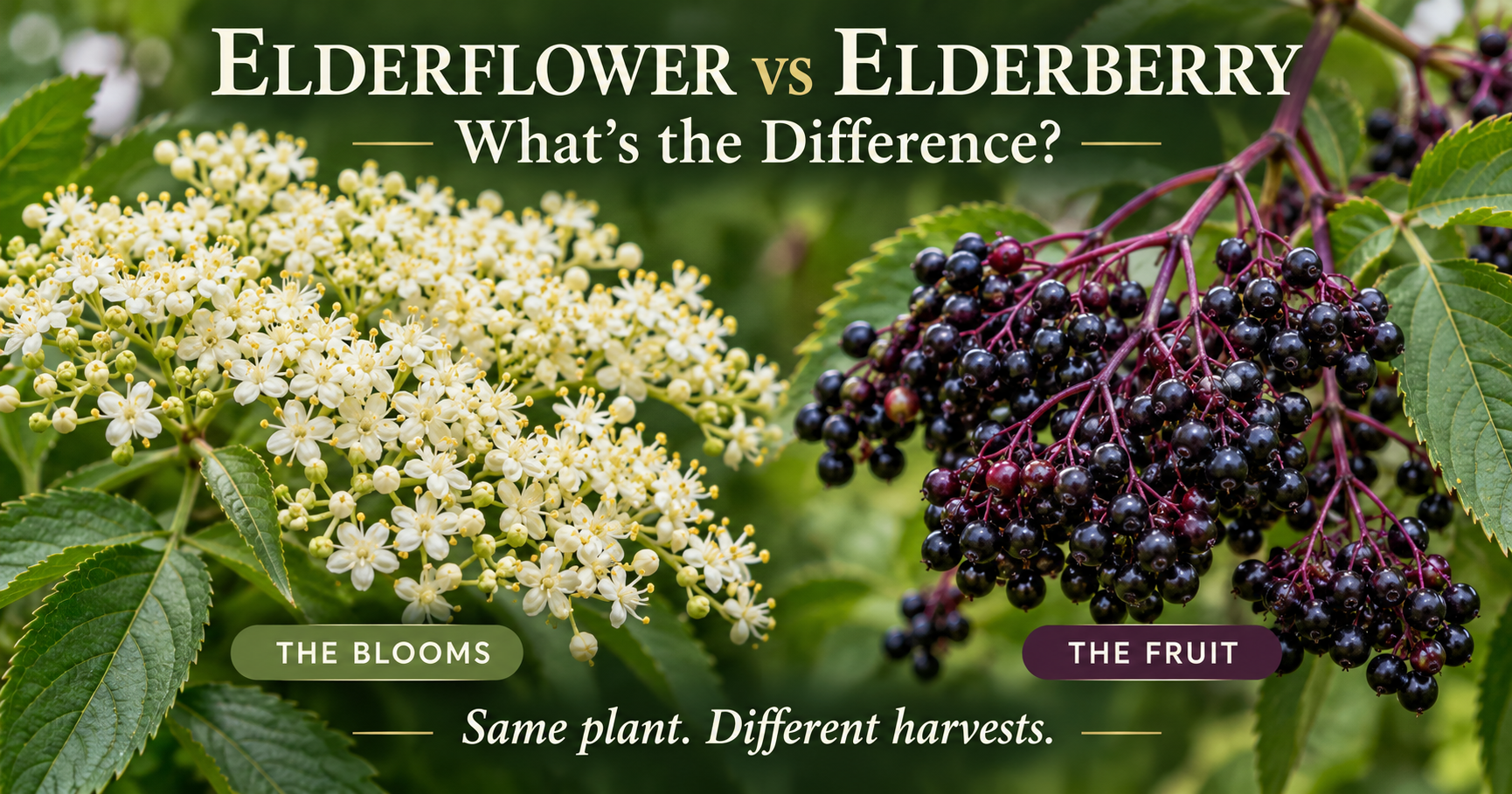
A healthy elderberry bush growing in full sun typically produces more vigorous growth and larger flower clusters than one struggling in heavy shade. More flowers naturally attract more bees and other beneficial pollinators throughout the blooming season.
If a bush receives too little sunlight, it may produce fewer flowers to begin with. Even if pollinators are active nearby, there simply aren’t as many blossoms available to turn into berries.
That’s one reason two bushes growing only a few feet apart can produce completely different harvests if one spends most of the day in shade while the other enjoys full sun.
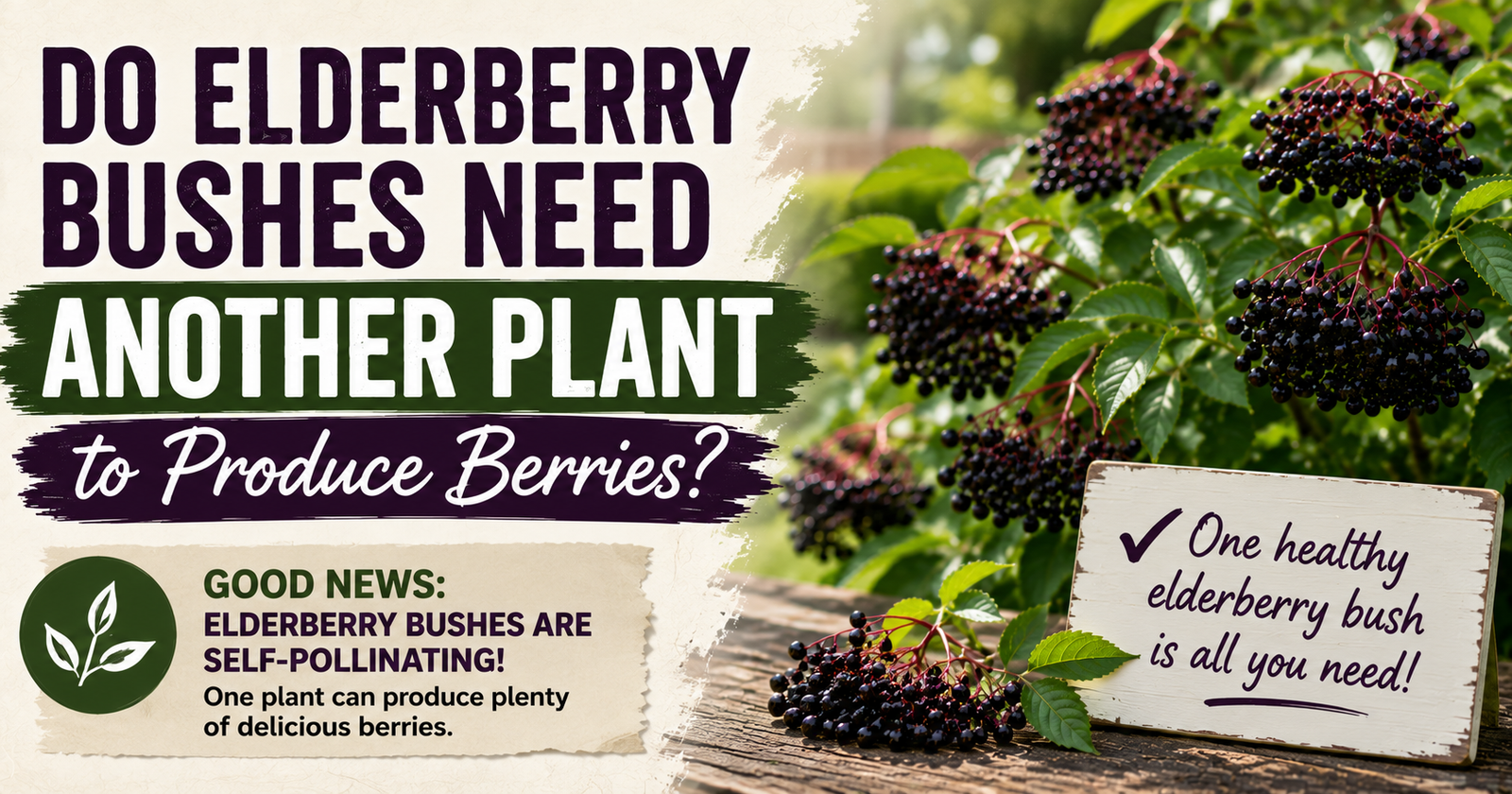
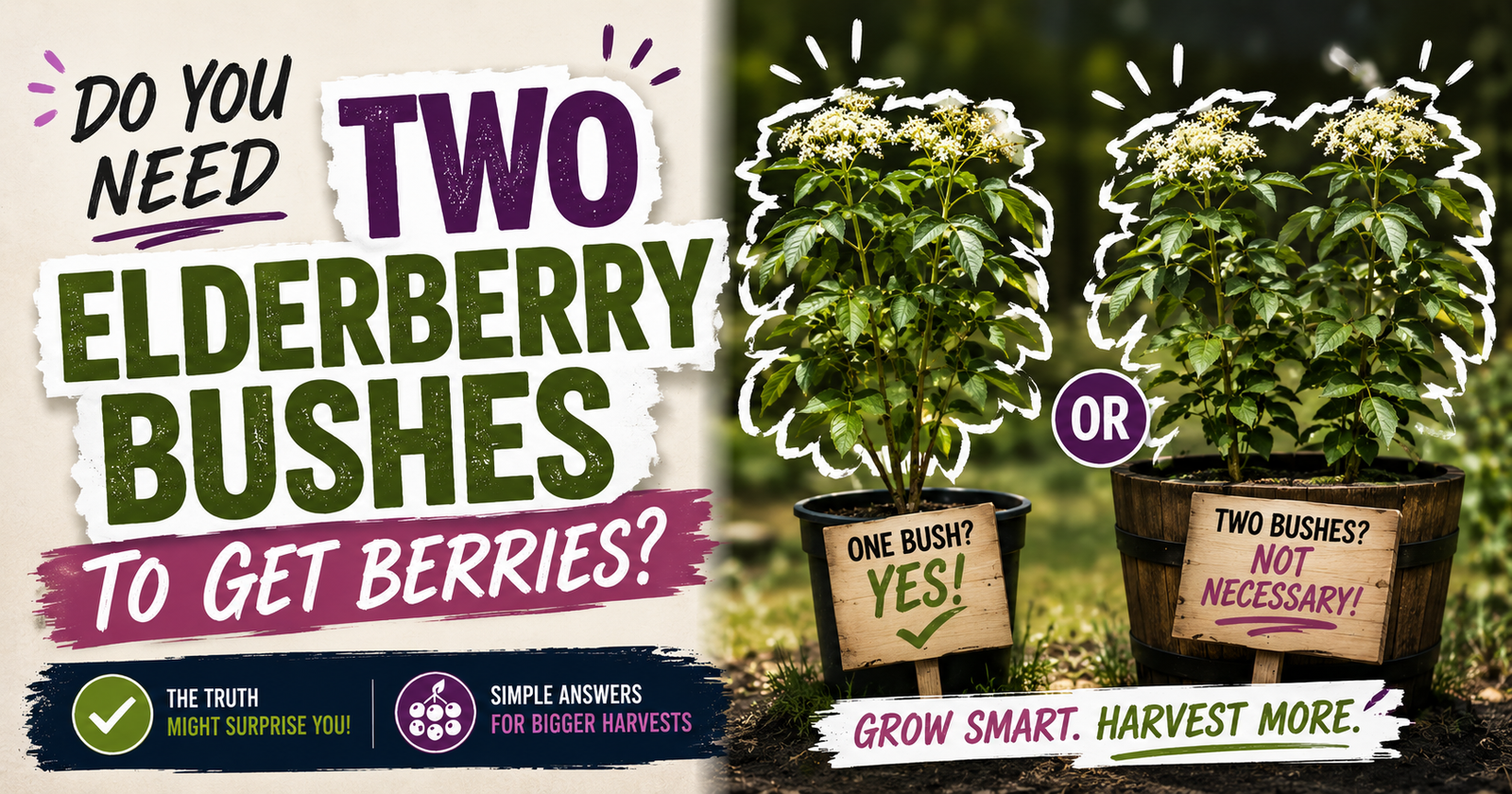
If you’re trying to maximize berry production instead of simply keeping a bush alive, it’s also worth understanding how cross-pollination affects fruit set. Do Elderberry Bushes Need Another Plant to Produce Berries? explains why adding a second compatible elderberry can often increase the number of berries each bush produces.
The Difference Between Morning Shade And Full Shade
Not all shade is created equal.
A bush that receives six or seven hours of direct sunlight before afternoon shade is in a completely different situation than one growing beneath mature trees all day.
I’ve found elderberries generally perform well when they receive plenty of morning and midday sunshine.
Heavy shade from dense tree canopies is where production often begins to suffer.
When someone tells me their elderberry “gets some sun,” I always ask another question.
How much?
Sometimes what feels like a sunny location is actually receiving only three or four hours of direct light.
That can make a surprising difference over time.


When Shade Starts Becoming A Problem
One thing I’ve learned is that elderberries usually don’t complain dramatically.
Instead, they give you subtle clues.
You might notice:
- Fewer flower clusters.
- Smaller berry clusters.
- Slower growth.
- Longer, thinner canes reaching toward sunlight.
- Fewer berries than previous years.
Many gardeners immediately assume the bush needs fertilizer.
Sometimes that’s true.
But many times the real problem is simply a lack of sunlight.
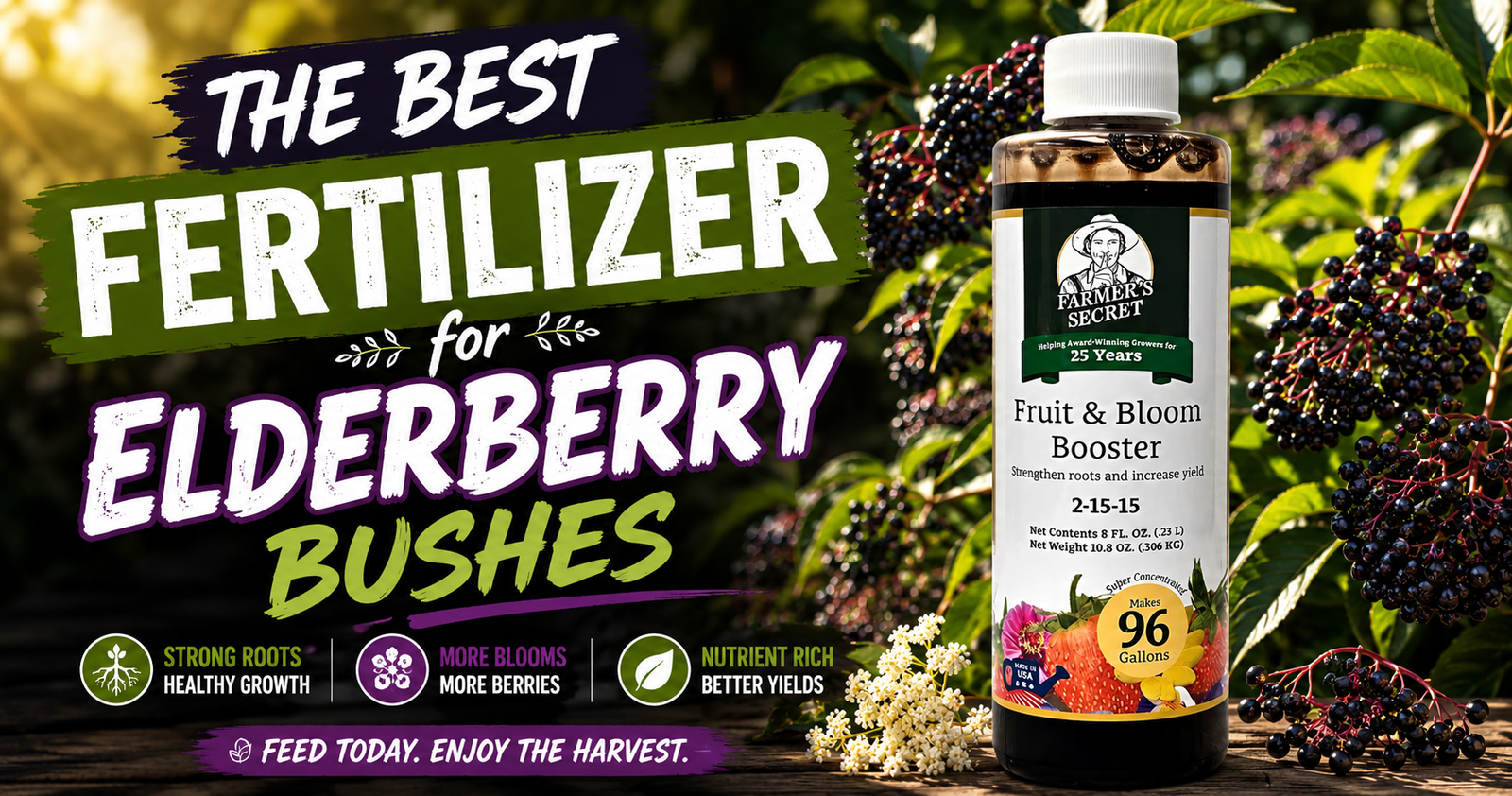
Before buying anything, I’d recommend reading my guide on Best Fertilizer for Elderberry Bushes That Actually Works because fertilizer helps healthy plants perform better, but it can’t replace the energy that only sunlight provides.
Choosing The Right Spot Before You Plant
If you haven’t planted your elderberries yet, you’re in the best possible position.
You can avoid years of frustration simply by choosing a better location from the beginning.
Whenever possible, I look for an area that receives full sun for most of the day while still having good soil drainage.
That’s one decision you’ll probably never regret.
If you’re still planning your planting, I also recommend reading the excellent elderberry growing guide from Weaver Family Farms Nursery. It covers site selection, soil preparation, watering, and many of the same lessons I’ve learned through experience.
Likewise, their guide on the best time to plant elderberries is worth reading before you bring new plants home, since timing can make establishment much easier.
Sometimes Moving The Bush Is Worth It
I’ve had people ask whether it’s worth transplanting an elderberry bush into a sunnier location.
Sometimes the answer is yes.
If your plant is still relatively young and growing beneath heavy shade, moving it may improve its long-term performance.
Yes, transplanting creates temporary stress.
But elderberries are resilient.
A season of recovery may be worth decades of better harvests afterward.

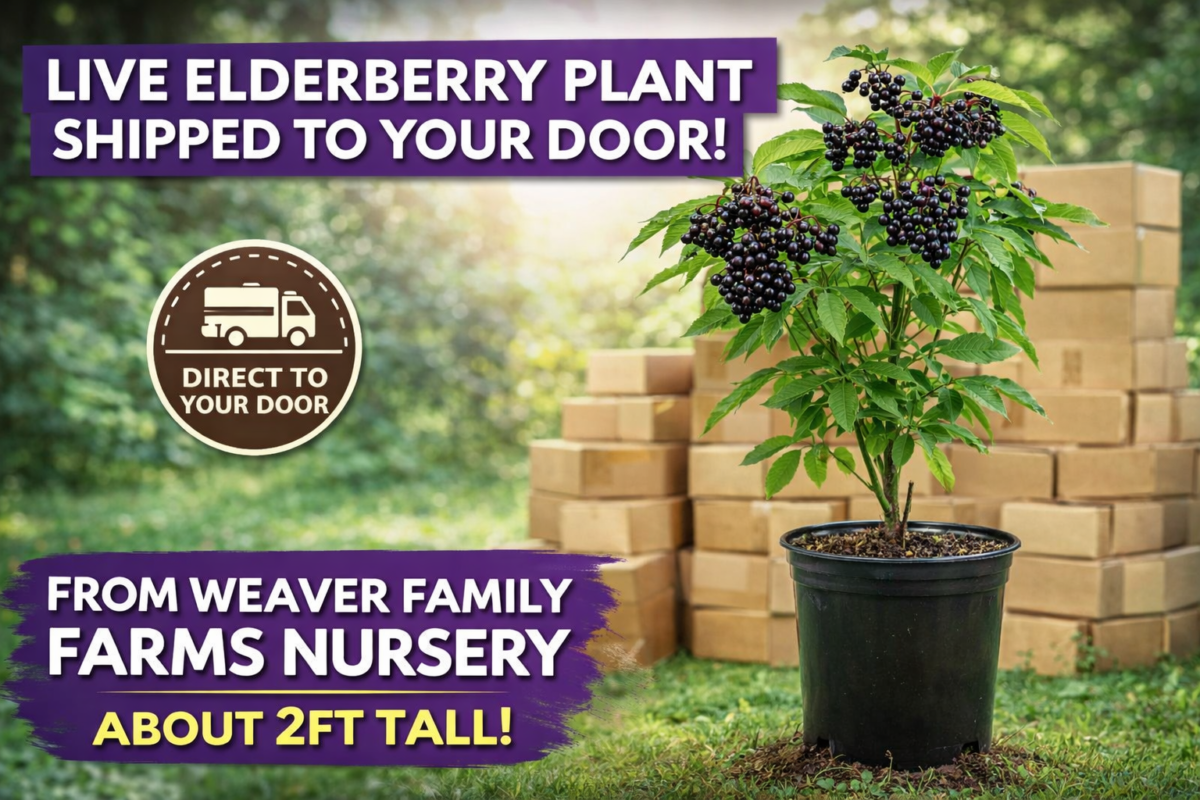
If you’re adding another bush instead of moving the old one, I’ve had great luck recommending the live American elderberry plants from Weaver Family Farms Nursery. Starting with healthy nursery-grown plants in the right location often produces better results than trying to make an unsuitable planting site work.
Shade Isn’t Always The Only Problem
It’s easy to blame everything on sunlight.
Sometimes that’s correct.
Other times, shade is only part of the story.
I’ve seen bushes in full sun produce disappointing harvests because they:
- Needed another variety for better pollination.
- Were still too young.
- Received too much nitrogen.
- Flowered during a late frost.
- Experienced prolonged drought.
That’s why I always encourage people to look at the whole picture instead of assuming there’s only one cause.
If your bush still isn’t producing the way you hoped, my guide explaining why elderberry bushes stop producing berries walks through the most common problems one by one.
Healthy Plants Start With Healthy Varieties
Not all elderberries are identical.
Some varieties grow more vigorously.
Some produce larger berry clusters.
Others mature at slightly different times.
If you’re just starting your elderberry journey, it’s worth taking a few minutes to learn the differences between American and European elderberries before deciding what to plant.
Choosing the right variety from the beginning can save years of second-guessing later.
One Afternoon Changed The Way I Think About Sunlight
There was one growing season that really drove this lesson home for me.
Two elderberry bushes were growing on the same property.
Both received similar care.
Both were watered when they needed it.
Both had healthy soil.
One was planted in open sun.
The other spent much of the afternoon shaded by several mature trees.
By midsummer, both bushes looked healthy enough that most people probably wouldn’t have noticed a difference.
Harvest time told a completely different story.
The bush growing in full sun was covered with heavy clusters of berries.
The shaded bush produced fruit too, but nowhere near the same amount.
That was the moment I stopped thinking about sunlight as simply keeping the plant alive.
Sunlight wasn’t just helping the bush survive.
It was directly affecting how much fruit I could actually harvest.



Full Sun Doesn’t Mean Dry Soil
One concern I hear fairly often is this:
“If I plant my elderberries in full sun, won’t they dry out?”
They certainly can if they’re neglected.
But that’s a watering issue, not a sunlight issue.
Elderberries appreciate consistent moisture, especially during hot summer weather.
A sunny location combined with mulch and occasional deep watering is usually a much better combination than planting in heavy shade simply to keep the soil cooler.
I like applying several inches of organic mulch around my bushes every spring.
It helps conserve moisture, keeps weeds under control, and slowly improves the soil as it breaks down.
It’s one of those simple habits that pays off year after year.
Don’t Mistake Fast Growth For Good Production
One thing I’ve noticed is that shaded elderberries sometimes grow surprisingly tall.
At first glance that sounds like good news.
Unfortunately, that growth isn’t always productive.
Plants naturally stretch toward available light.
Instead of putting energy into thick, sturdy growth and heavy berry clusters, they often invest it into reaching higher.
That’s why I don’t judge an elderberry bush by its height alone.
I’d much rather have a slightly shorter bush that’s loaded with fruit than a towering plant producing very little.
Before You Blame The Shade
If your elderberry isn’t producing the way you hoped, don’t automatically assume the lack of sunlight is the only problem.
Ask yourself a few questions.
Did it flower this spring?
How old is the bush?
Is there another compatible variety nearby?
Has it been fertilized heavily?
Sometimes several small problems combine to create one disappointing harvest.
For example, a bush growing in partial shade might still produce very well if everything else is working in its favor.
On the other hand, a bush planted in full sun can still struggle if it’s dealing with poor pollination or excessive nitrogen.
That’s one reason I always encourage people to look at the entire growing picture rather than chasing one single solution.
Should You Cut Down Nearby Trees?
Sometimes people ask whether they should remove trees just to give their elderberries more sunlight.
That depends.
If a few carefully pruned branches would dramatically increase sunlight, it might be worth considering.
If removing mature trees would create problems elsewhere on your property, I’d probably leave the trees alone and simply plant future elderberries in a sunnier location.
Sometimes it’s easier to move the plants than to redesign the landscape.
Planning Ahead Makes Growing Elderberries Much Easier
I’ve found that the gardeners who enjoy the biggest harvests usually spend more time planning than correcting mistakes later.
They choose the planting location carefully.
They select healthy nursery plants.
They think about pollination before digging the first hole.
If you’re still in that planning stage, it’s worth starting with vigorous plants rather than whatever happens to be sitting on the clearance rack at the local garden center. I’ve had great experiences recommending the live American elderberry plants from Weaver Family Farms Nursery because healthy plants establish quickly when they’re planted in the right location.
Choosing a good planting site from the beginning is much easier than trying to fix a poor location several years later.
Don’t Forget About Harvest Season
Finding the right amount of sunlight isn’t the finish line.
It’s the beginning.
Once your bushes begin producing larger harvests, you’ll want to be ready.
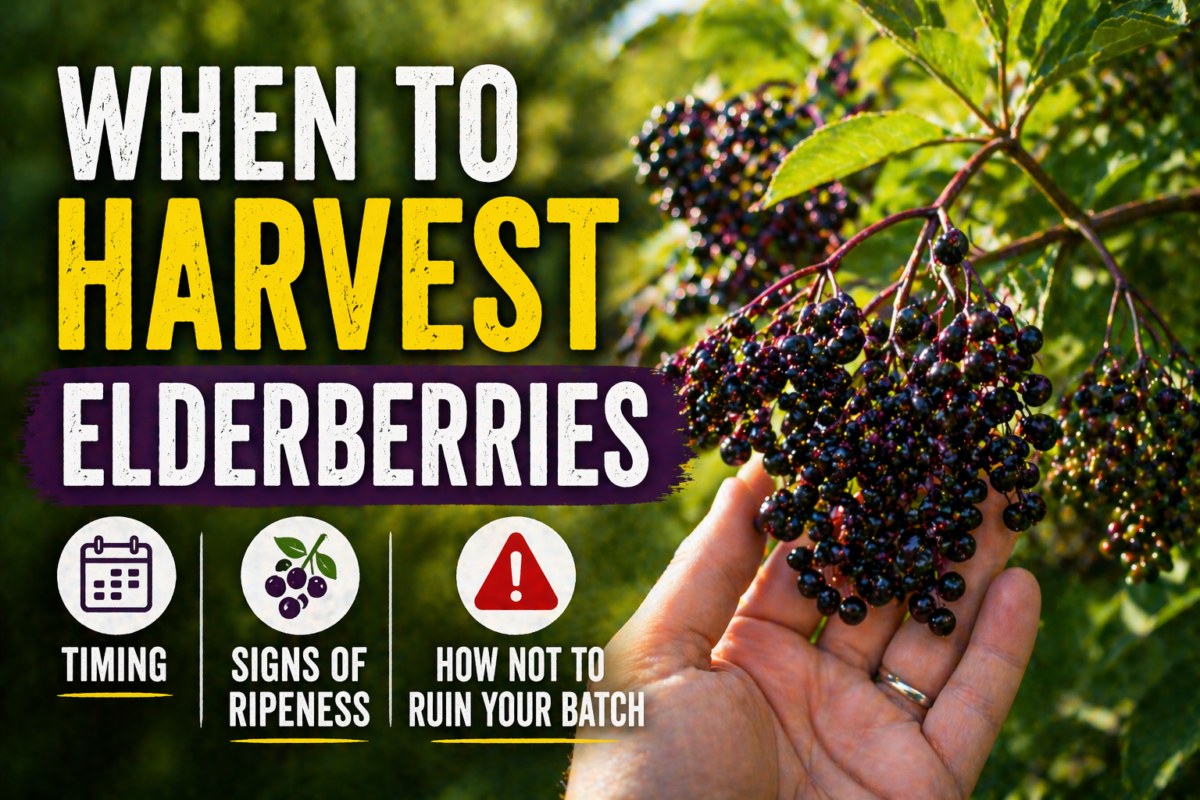
I always keep a close eye on berry color as harvest approaches because picking too early affects both flavor and quality. If you’re still learning when berries are truly ready, my guide on when to harvest elderberries explains exactly what I look for before cutting an entire cluster from the bush.

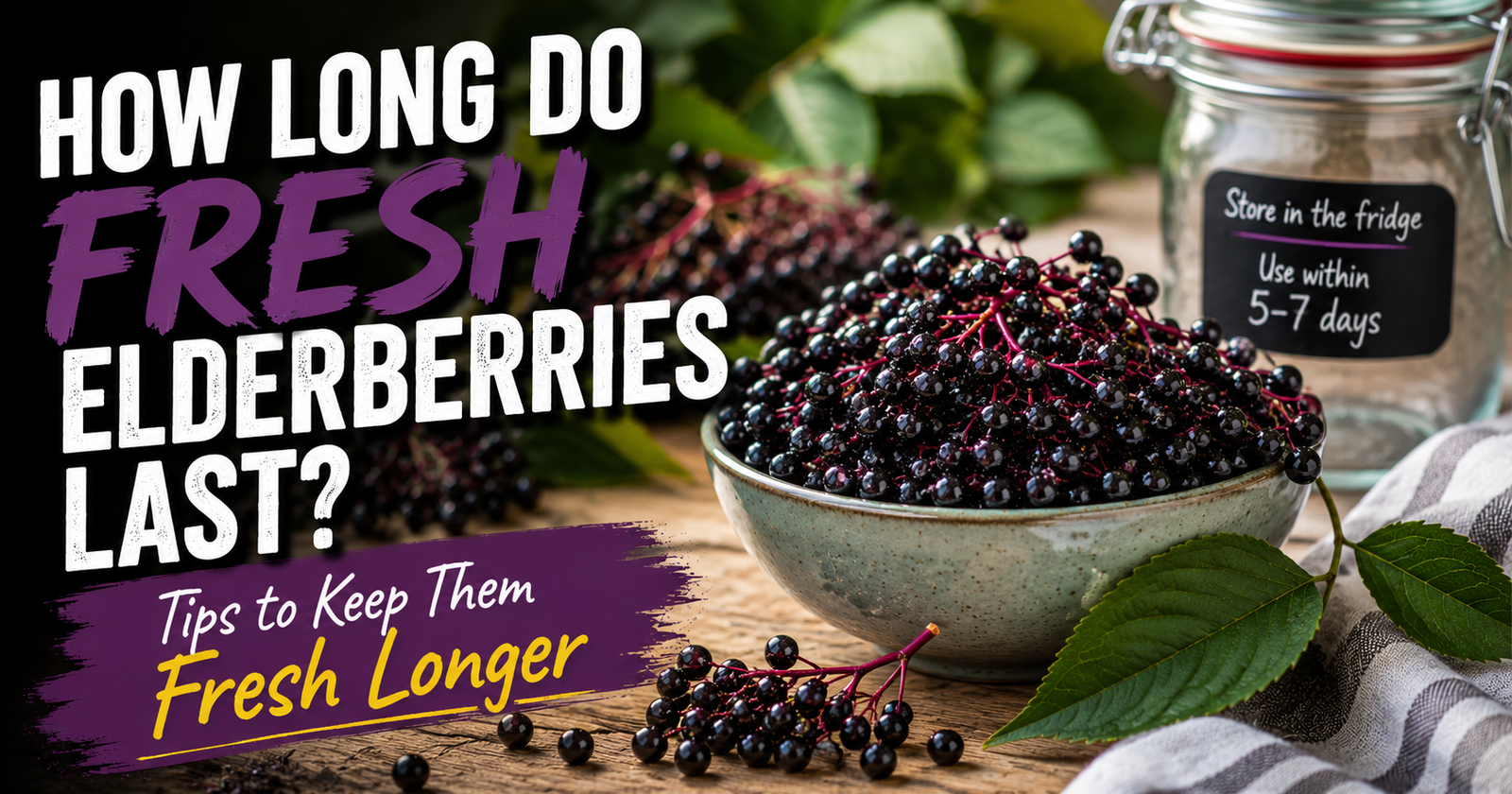
After harvesting, I process the berries as quickly as possible because fresh elderberries don’t last very long. If I can’t make syrup immediately, I freeze them, vacuum seal them, and save them for later. That routine has saved countless pounds of berries over the years, and it’s one reason I recommend the Bonsenkitchen Vacuum Sealer to anyone planning on growing elderberries regularly.
A little preparation goes a long way once harvest season arrives.
Questions I Hear About Growing Elderberries In Shade
As more people start planting elderberries in their backyards, I keep hearing many of the same questions. Here are the ones that come up most often.
Will My Elderberry Die If It’s In Shade?
Probably not.
Elderberries are surprisingly adaptable plants and can tolerate partial shade much better than many fruit trees.
The real question isn’t whether the bush will survive.
It’s whether it’ll produce the kind of harvest you’re hoping for.
A healthy bush growing in too much shade may still live for many years while producing fewer flowers and noticeably fewer berries than the exact same plant growing in full sun.
How Much Sun Do Elderberries Really Need?
If your goal is maximum berry production, I’d aim for at least six to eight hours of direct sunlight each day whenever possible.
Morning sun is wonderful, but the more quality sunlight your bush receives throughout the growing season, the more energy it has available for flowering and fruit production.
That doesn’t mean every location has to be perfect.
It simply means sunlight is one of the easiest things you can control before planting.
Can I Grow Elderberries Along A Woodline?
Yes, but choose your location carefully.
Some woodland edges receive plenty of sunlight because they’re open for much of the day.
Others become heavily shaded once the surrounding trees leaf out in late spring.
If you’re planting along a woodline, pay attention to how much direct sunlight reaches the area during the summer rather than judging it in early spring before the trees have fully leafed out.
I’ve seen more than one gardener accidentally choose a “sunny” location that became heavily shaded a month later.
Is Morning Sun Better Than Afternoon Sun?
Honestly, I’d rather have both.
If I had to choose one, though, I’d much rather have plenty of morning and midday sunshine than a location that only receives a couple hours late in the afternoon.
Consistent sunlight throughout the day generally produces the strongest plants and the best berry harvests.
My Best Advice Before You Plant
If someone asked me for one piece of advice before planting their very first elderberry bush, it would be this:
Don’t rush.
Walk around your property for a few days.
Notice where the sunlight actually falls during the middle of summer.
Think about how large the bushes will eventually become.
Ask yourself whether another compatible variety could fit nearby.
That little bit of planning can easily save years of disappointment later.

It’s also one reason I encourage new growers to read How to Grow Elderberries at Home: What Nobody Tells You Before You Plant before buying their first plant. It covers many of the questions that don’t even occur to most people until after they’ve already planted.
The Right Plant In The Right Place
I’ve become convinced that successful elderberry growing is less about finding shortcuts and more about making good decisions from the beginning.
Choose a healthy variety.
Plant it in plenty of sunlight.
Give it room to grow.
Keep the soil healthy.
Be patient.
That’s really the recipe.
If you’re still looking for quality plants, I’d recommend checking out the live American elderberry plants from Weaver Family Farms Nursery. Starting with vigorous nursery stock gives you a much better chance of enjoying healthy growth from the very first season, and their comparison of American vs. European elderberries can help you decide which type best fits your goals before you plant.
Shade Doesn’t Have To End Your Elderberry Dreams
If you’ve already planted an elderberry in partial shade, don’t panic.
Give it time.
Watch how it performs.
You may still enjoy perfectly respectable harvests, especially if the bush receives several hours of direct sunlight each day.
But if you’re planting from scratch, I’d stack the odds in your favor.
Find the sunniest location you reasonably can.
Your future self will thank you every harvest season.
Over the years, I’ve learned that elderberries are incredibly forgiving plants. They’ll tolerate a lot of mistakes and still reward you with beautiful flowers and useful fruit.
The one thing they can’t create for themselves is sunshine.
Give them enough of it, and you’ve already solved one of the biggest pieces of the puzzle.
Think About The Entire Growing Environment
Over the years I’ve realized it’s easy to focus on just one growing factor.
Maybe sunlight.
Maybe fertilizer.
Maybe watering.
The truth is elderberries don’t grow according to one single rule.
A bush planted in partial shade can still become productive if everything else is working in its favor. Likewise, a bush planted in full sun may still struggle if it lacks water, nutrients, or proper spacing.
Instead of chasing one magic solution, I like looking at the entire growing environment.
Is the bush receiving enough light?
Does the soil drain well?
Is there enough room for mature growth?
Could pollination be improved?
Answering those questions usually leads to healthier bushes than simply trying another fertilizer or watering schedule.
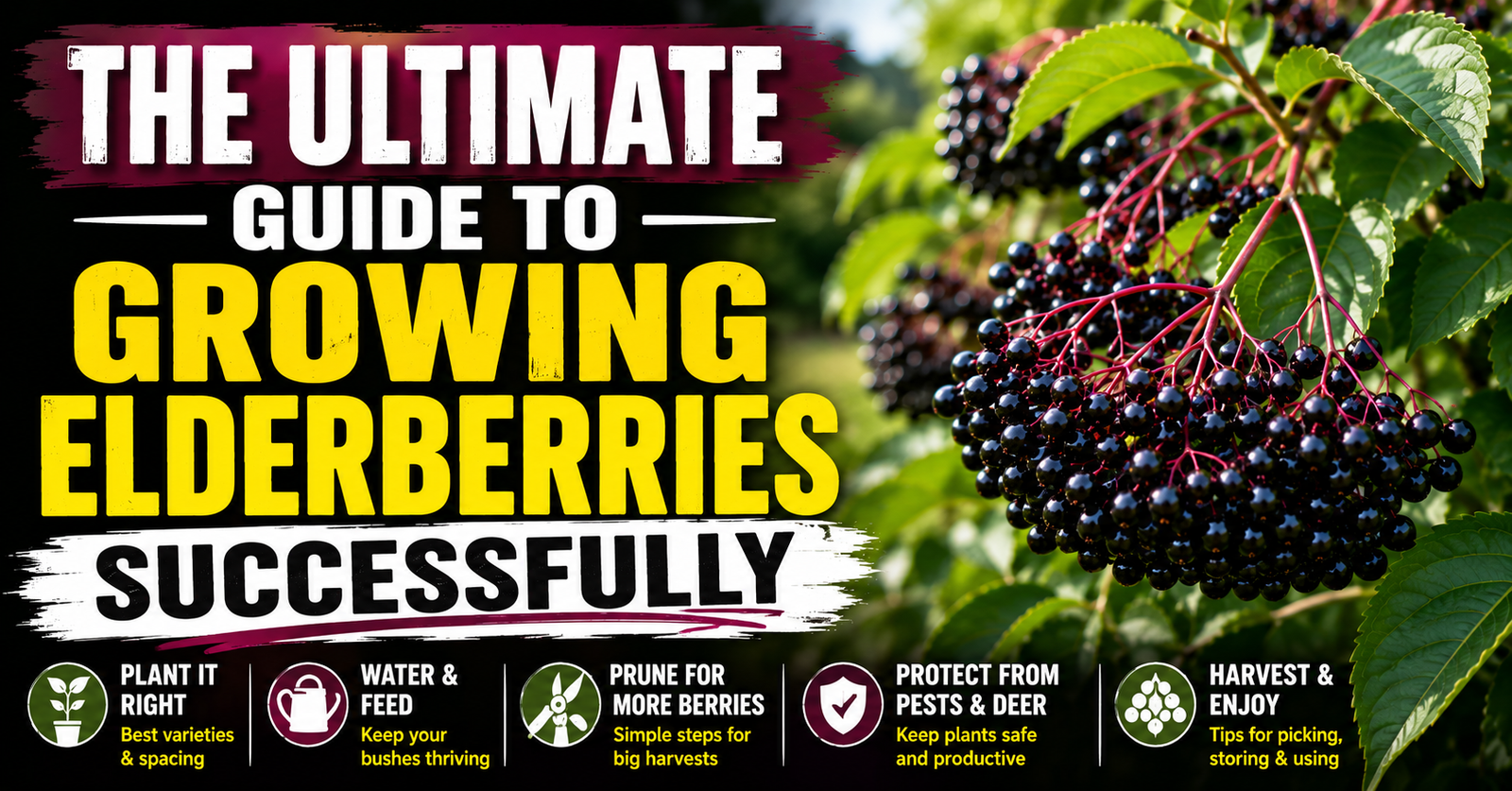
If you’d like to see how all of these pieces fit together, The Ultimate Guide to Growing Elderberries Successfullywalks through every major step from planting your first bush all the way to harvesting healthy berry clusters.
Keep Learning As Your Elderberries Grow
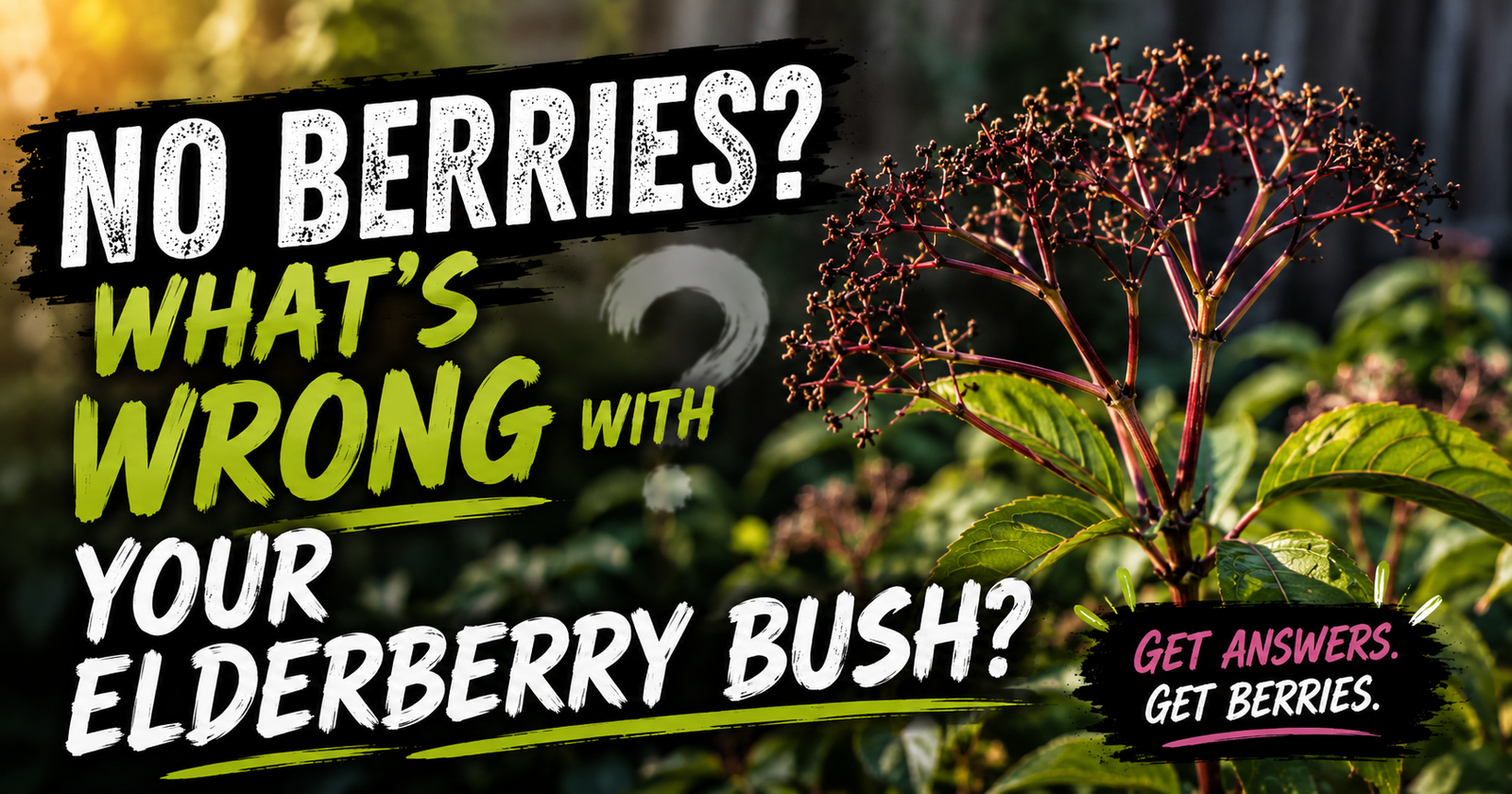
Growing elderberries is a journey, and every season teaches you something new. If you’re building your own backyard berry patch, I’d also recommend reading How Long Does It Take an Elderberry Bush to Produce Fruit?, Best Fertilizer for Elderberry Bushes That Actually Works, and Why Isn’t My Elderberry Bush Producing Berries?. Those guides build naturally on what you’ve learned here and answer many of the next questions gardeners ask as their bushes mature.
About the Author
Kayla S.
Kayla is a lifelong nature lover, fruit grower, and native plant enthusiast with a passion for helping home gardeners succeed. She has spent over a decade growing elderberries, experimenting with different planting techniques, and learning what consistently leads to better bushes and larger harvests. Through Elderberry Pro, She shares practical, experience-based advice to help readers confidently grow, harvest, and enjoy elderberries for years to come! She is also the owner of a local elderberry growers supply store.