
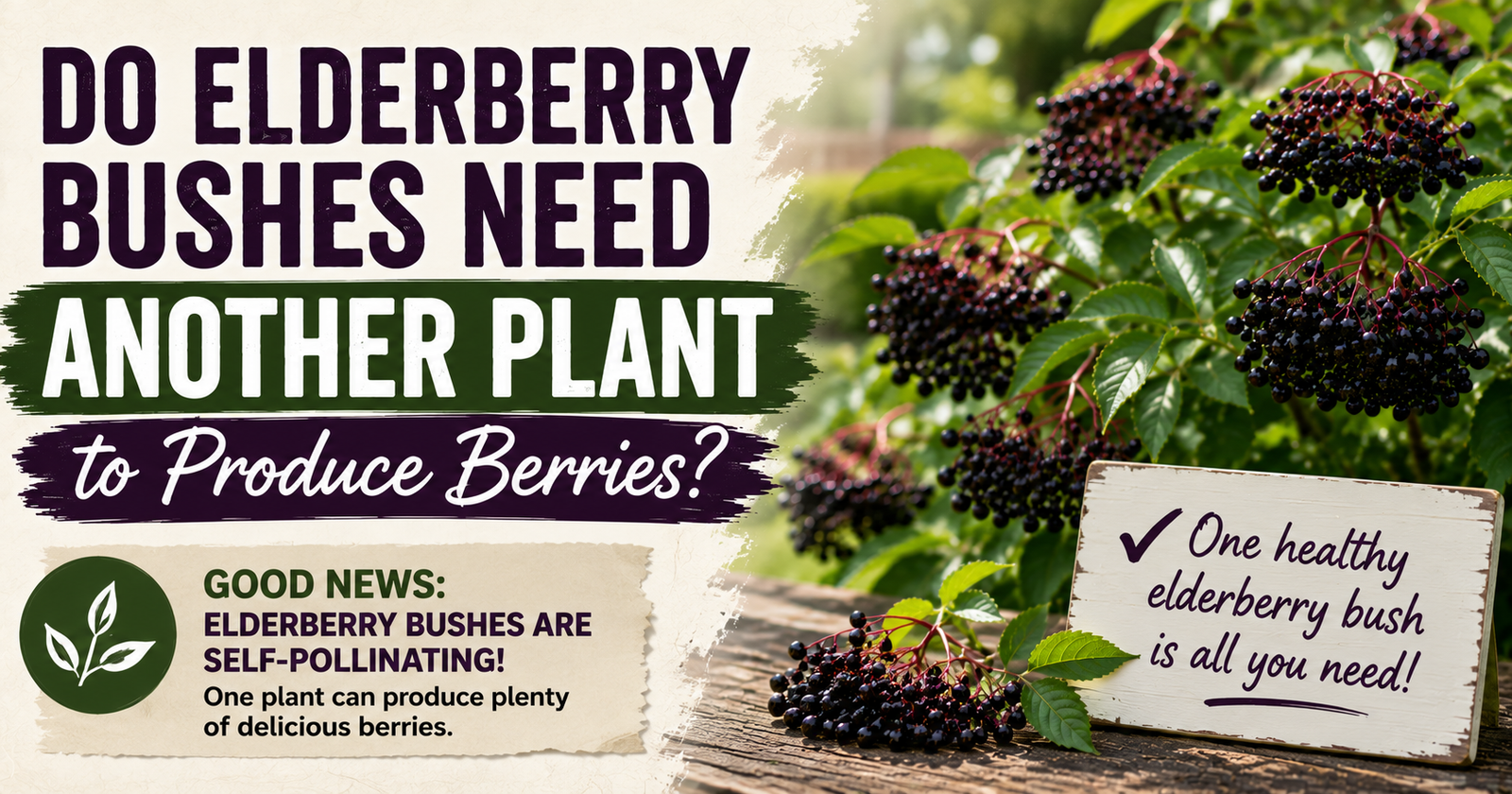
One of the most common questions I hear from new elderberry growers is whether they need to plant more than one bush.
It’s a fair question.
You buy one healthy plant.
You water it.
You fertilize it.
It grows beautifully.
Then spring arrives, flowers appear, and you start wondering…
“Will one bush actually produce berries?”
The answer isn’t quite as simple as yes or no.
Many elderberries can produce at least some fruit on their own, but if your goal is heavy clusters of berries every summer, planting a second compatible elderberry is one of the best decisions you can make.
Here’s what I’ve learned.
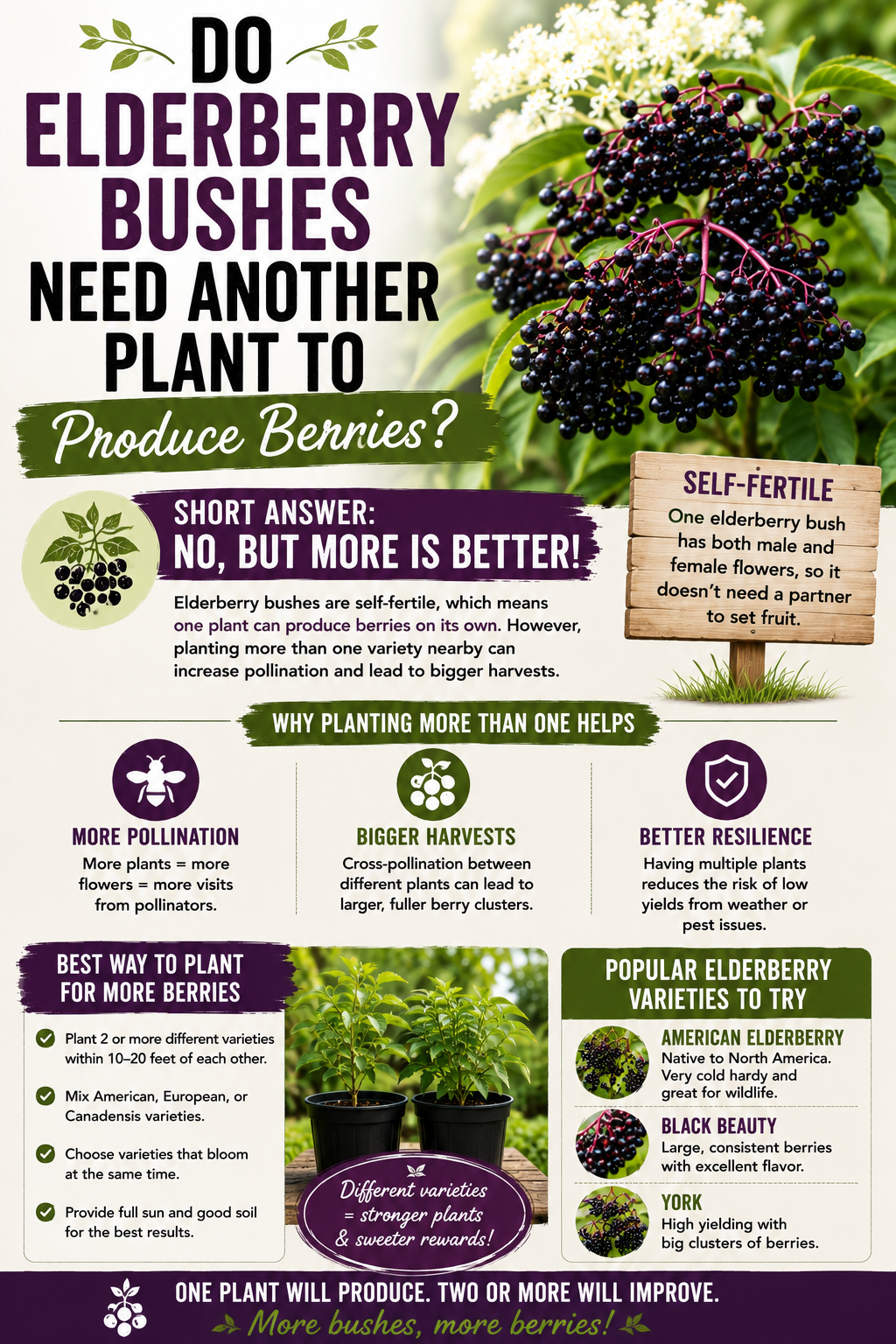
One Elderberry Bush Can Produce Fruit
The good news is that one healthy elderberry bush isn’t necessarily useless.
Many American elderberry varieties are capable of producing at least a small crop without another plant nearby.
So if you’ve only planted one bush, don’t panic.
You may still harvest berries.
However…
That doesn’t mean you’re getting the best possible production.

Two Bushes Usually Produce Much Better Harvests
This is where many gardeners become surprised.
While a single bush may produce some fruit, adding another compatible elderberry nearby often increases pollination and leads to noticeably larger berry clusters and heavier harvests.
That’s why commercial growers almost never rely on just one plant.
They’re growing berries.
Not taking chances.
If I have the room, I almost always recommend planting at least two compatible elderberry bushes instead of one.


Cross-Pollination Is Your Friend
Cross-pollination simply means pollen moves between different compatible elderberry plants while they’re blooming.
Bees and other pollinating insects do most of the work.
As they visit flowers throughout your planting, pollen is naturally transferred from one bush to another.
The result is often:
- Better fruit set.
- More berries.
- Fuller berry clusters.
- More consistent harvests.
That’s exactly what most backyard growers are hoping for.
Don’t Plant Them Too Far Apart
Adding a second elderberry only helps if pollinators can easily move between the plants.
Fortunately, they don’t need to be right beside each other.
As long as they’re planted reasonably close, bees usually have no trouble visiting flowers on both bushes during the same trip.
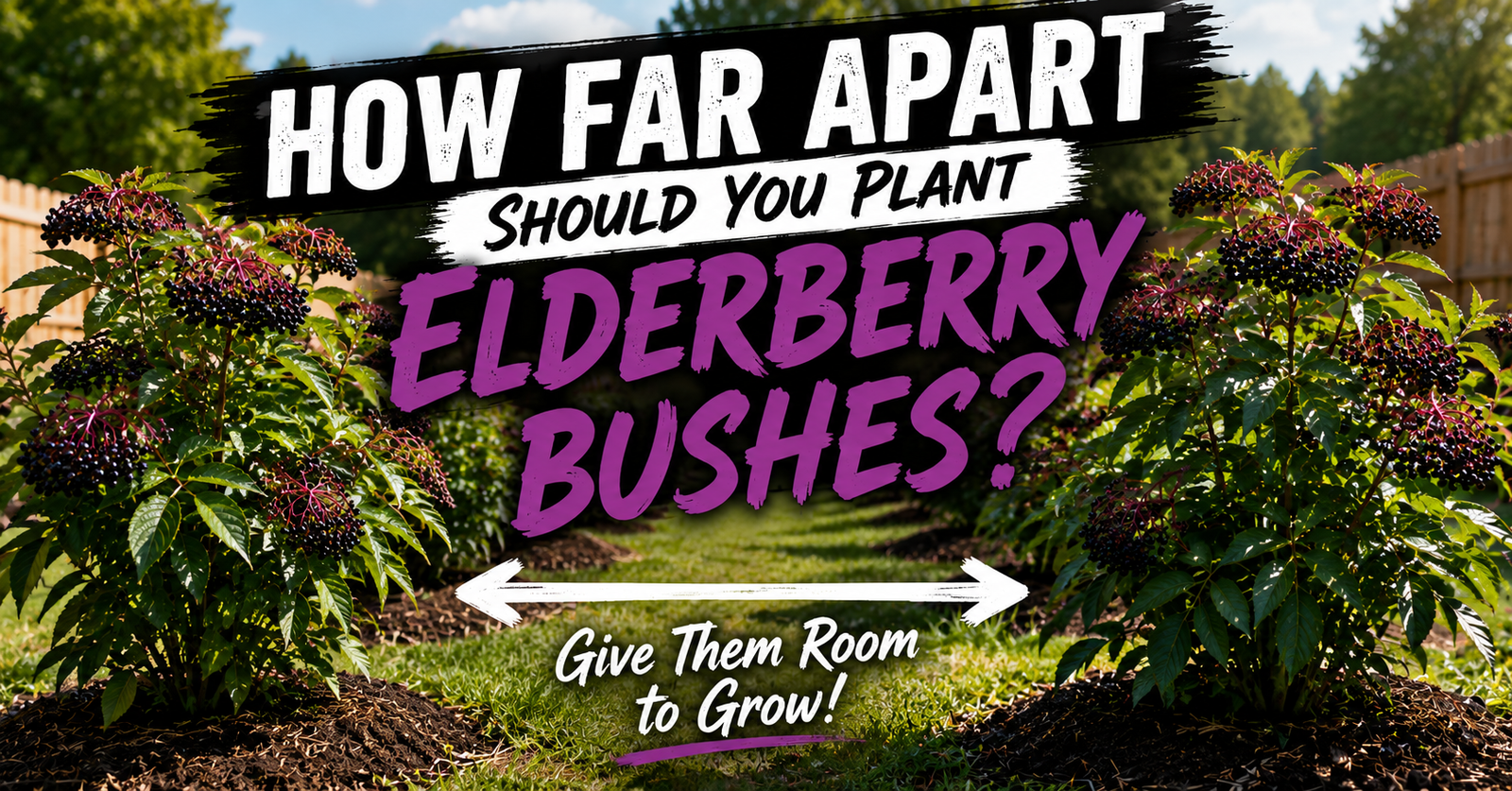
If you’re still deciding where to plant additional elderberries, How Far Apart Should You Plant Elderberry Bushes?explains the spacing that’s worked best for me while still encouraging excellent pollination.



Starting With Healthy Plants Makes Pollination Easier
One thing I’ve learned over the years is that healthy plants naturally produce stronger flowering displays.
More flowers attract more pollinators.
More pollinators usually mean better berry production.

If you’re adding another elderberry to improve cross-pollination, I’ve had excellent success recommending the Live American Elderberry Plants from Weaver Family Farms Nursery because healthy nursery-grown plants establish quickly and make excellent companions for existing bushes.
Their guide comparing American Elderberry vs. European Elderberry is also helpful if you’re deciding which type fits your growing goals before planting a second bush.
Bees Do Most Of The Hard Work
When people think about pollination, they sometimes imagine having to do something themselves.
Thankfully, that’s usually not the case.
Honeybees, native bees, flies, and other beneficial insects handle most of the pollination for elderberries.
Every time they move from one flower cluster to another, they carry pollen with them.
That’s why I avoid spraying insecticides while my elderberries are blooming whenever possible.
The more pollinators visiting your bushes, the better your chances of producing large, healthy berry clusters.


What If My Bush Flowers But Doesn’t Produce Berries?
This is one of the biggest clues that pollination may not be the only issue.
I’ve seen beautiful elderberry bushes covered in flowers that produced very little fruit afterward.
Sometimes a lack of cross-pollination is responsible.
Other times the real problem is:
- Too much shade.
- Drought stress.
- Poor soil fertility.
- Late spring frosts damaging flowers.
- Young bushes that simply aren’t mature enough yet.
That’s why I always encourage people to look at the entire growing situation instead of assuming pollination is the only factor.
If your bushes bloom every year but rarely produce fruit, Why Isn’t My Elderberry Bush Producing Berries? walks through every major cause I’ve encountered.
More Flowers Usually Mean More Pollinators
One thing I’ve noticed is that healthy elderberry bushes seem to attract far more bees than weak, struggling plants.
Bushes growing in full sun with good nutrition often produce larger flower clusters that naturally draw in pollinating insects.
Keeping your plants healthy isn’t just about growing bigger bushes.
It also helps create better conditions for successful pollination.
That’s another reason I don’t overlook basic care like watering and fertilizing.
Don’t Forget About Bloom Time
Planting two elderberries only helps if they’re blooming at roughly the same time.
If one finishes flowering weeks before the other begins, there’s very little opportunity for cross-pollination.
Most commonly sold American elderberry varieties have overlapping bloom periods, which makes them good companions in the garden.
If you’re purchasing another bush, it’s worth confirming that the varieties bloom during similar parts of the season.
Give Pollinators A Reason To Visit
I’ve found that gardens with plenty of flowering plants seem to attract more pollinators throughout the season.
Even if those flowers aren’t elderberries, they help keep bees and beneficial insects visiting the area.
By the time your elderberries begin blooming, many of those pollinators are already nearby.
It’s a simple way to support better berry production while also helping the rest of your garden.
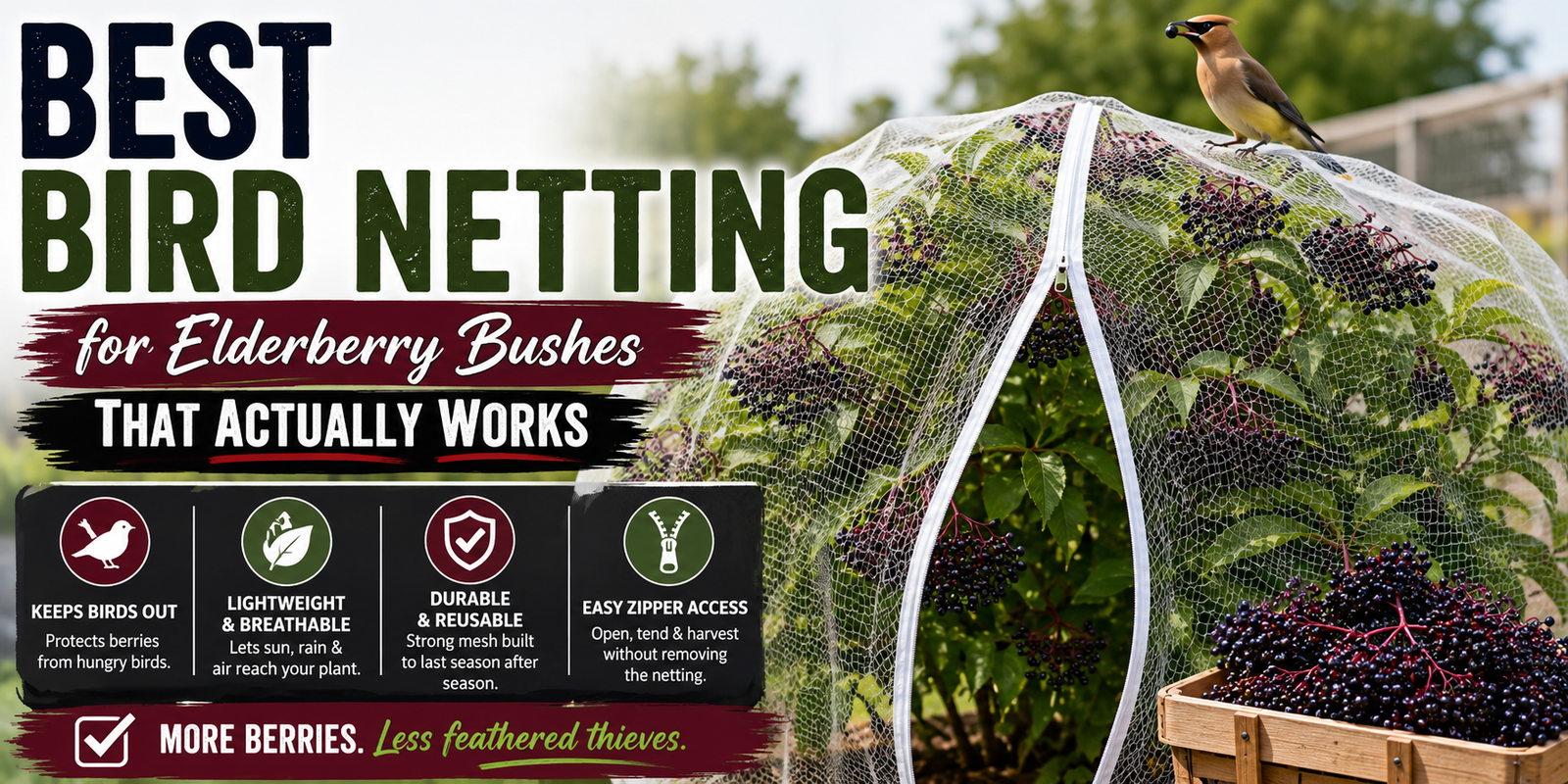

Healthy Bushes Make Better Use Of Good Pollination
Even perfect pollination won’t produce heavy crops if the bush itself is unhealthy.
I’ve found that elderberries growing in full sun with consistent moisture and balanced nutrition almost always make better use of successful pollination than stressed plants.
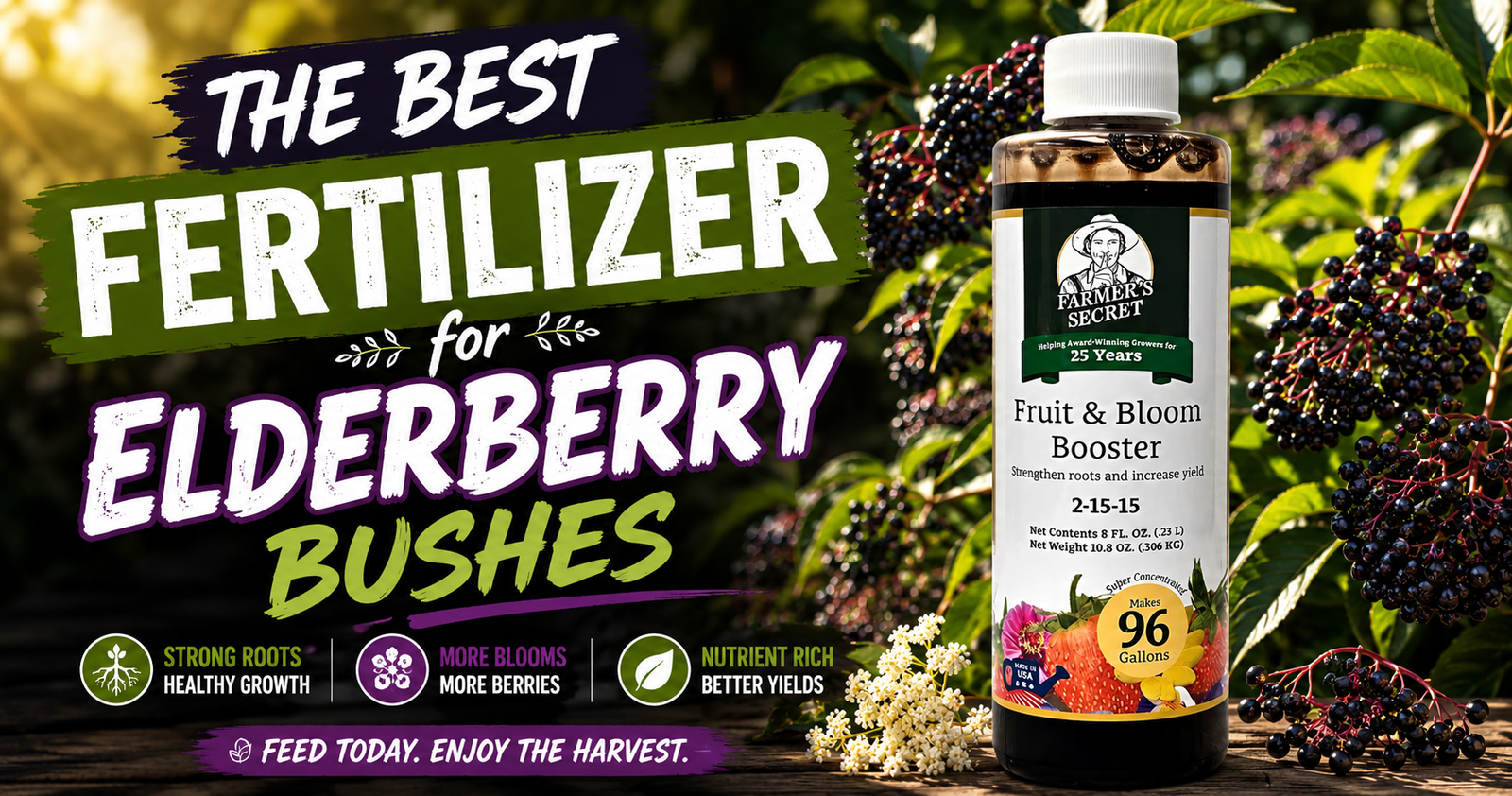
If your bushes are struggling, Best Fertilizer for Elderberry Bushes That Actually Works and How Much Water Do Elderberry Bushes Need? are two guides I’d recommend reading before worrying too much about pollination.
Can You Improve Pollination After Your Bushes Are Already Planted?
Absolutely.
If you already have one healthy elderberry bush growing, you don’t need to dig it up and start over.
Adding a second compatible elderberry nearby is often enough to improve pollination in future growing seasons.
That’s exactly what many gardeners do after noticing their first bush produces flowers but only a light berry crop.
The sooner you establish that second bush, the sooner pollinators can begin moving between both plants while they’re blooming.
Pollination Is Only One Piece Of The Puzzle
I’ve learned not to blame every poor harvest on pollination.
Sometimes the bushes simply aren’t old enough.
Sometimes weather damages the flowers.
Sometimes drought arrives at exactly the wrong time.
Other years, everything lines up perfectly and the bushes are loaded with berries.
Growing elderberries has taught me that successful harvests usually come from several things working together instead of one single factor.
A Little Planning Pays Off For Years
One thing I appreciate about elderberries is that they’re long-lived plants.
Making a smart planting decision today can improve your harvests for many years.
If you’re just starting your planting, thinking about spacing, sunlight, pollination, and variety selection from the beginning saves a lot of work later.
That’s one reason I encourage people not to look at each bush individually.
Instead, think about how the entire planting will work together five years from now.
Pollination Works Best As Part Of A Complete Growing Strategy
Adding a second compatible elderberry can certainly improve pollination, but I’ve learned that pollination is only one piece of producing consistently heavy harvests.
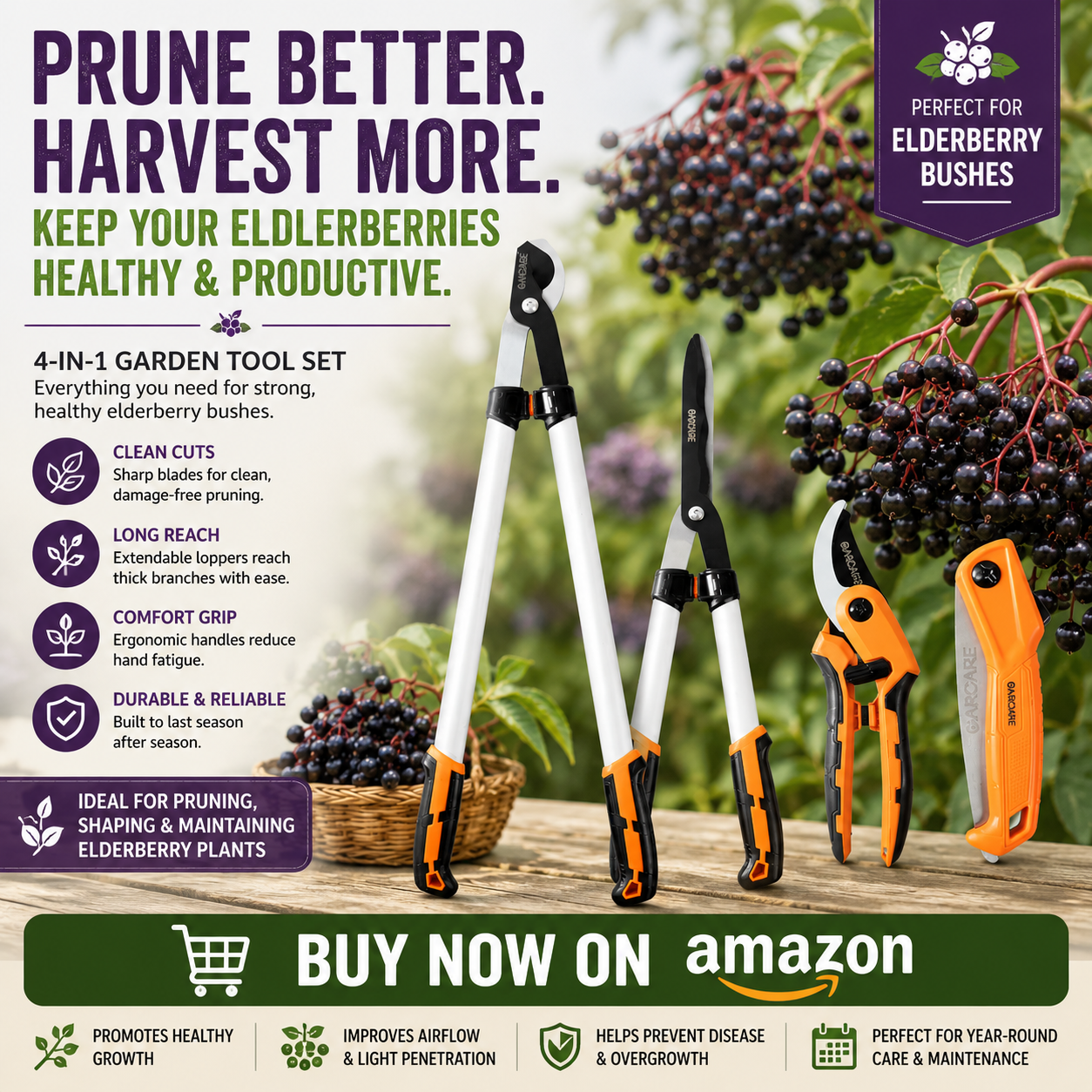
Healthy bushes still need enough sunlight, proper spacing, consistent watering, balanced nutrition, and annual pruning if you want them to reach their full potential. Keep annual pruning practical with pruning tools for elderberry maintenance.
When all of those factors work together, pollination becomes much more effective because the bushes are already growing vigorously and producing abundant flowers.
If you’re looking for a complete roadmap instead of solving one growing issue at a time, The Ultimate Guide to Growing Elderberries Successfully ties every part of growing elderberries together from planting your first bush all the way through harvest.
Continue Building A More Productive Elderberry Patch
Understanding pollination is one of the biggest steps toward producing heavier elderberry harvests, but it’s only part of growing healthy, productive bushes.
If you’re still improving your planting, Can Elderberries Grow in Shade? Here’s What I Learned explains why sunlight affects flowering and berry production. You’ll also find How Long Does It Take an Elderberry Bush to Produce Fruit? helpful for setting realistic expectations, and When Should You Prune Elderberry Bushes? Here’s What Works covers one of the best ways to keep mature bushes vigorous and productive year after year.
For me, planting a second compatible elderberry wasn’t about growing another shrub.
It was about giving both bushes a better opportunity to produce the kind of harvest I’d been hoping for all along.
About the Author
Avery Collins
Avery Collins is a backyard fruit grower and gardening writer who enjoys helping home gardeners grow healthier, more productive elderberries. Through Elderberry Pro, Avery shares practical growing advice, propagation tips, and real-world lessons that make it easier for readers to enjoy bigger harvests season after season.