
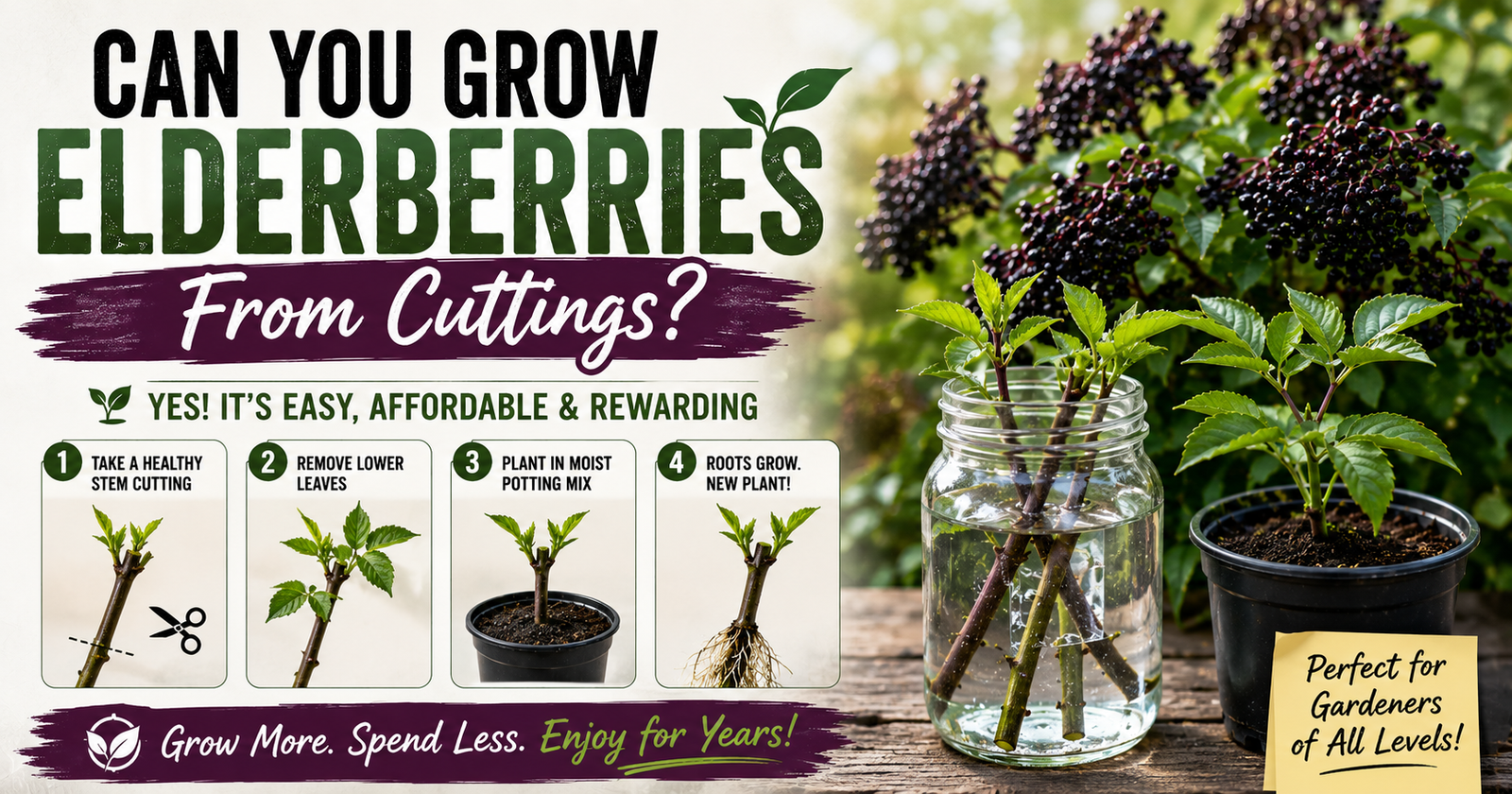
One of my favorite things about growing elderberries is that one healthy bush can eventually become several.
The first time someone told me I could grow a brand-new elderberry bush from a simple cutting, I honestly didn’t believe it would be that easy.
I figured there had to be expensive equipment involved.
Maybe a greenhouse.
Special lights.
Rooting chambers.
Instead, I discovered that elderberries are one of the easiest fruiting shrubs to propagate at home.
That’s one of the reasons so many gardeners enjoy growing them.
If you already have a healthy elderberry bush, you may be able to grow additional plants without buying another one. If propagation is not an option, Where to Buy American Elderberry Plants (My Real Experience) describes the author’s experience finding American elderberry plants.
Here’s what I’ve learned after researching propagation methods and watching new elderberry plants take root.
Yes, Elderberries Grow Very Well From Cuttings
The short answer is yes.
In fact, growing elderberries from cuttings is one of the most common ways people produce new plants.
Unlike growing from seed, cuttings create a new plant that’s genetically identical to the parent bush.
That means if your existing elderberry produces large berries, grows vigorously, or has other characteristics you like, the new plant should develop those same traits.
That’s one reason commercial growers rely heavily on propagation instead of starting from seed.
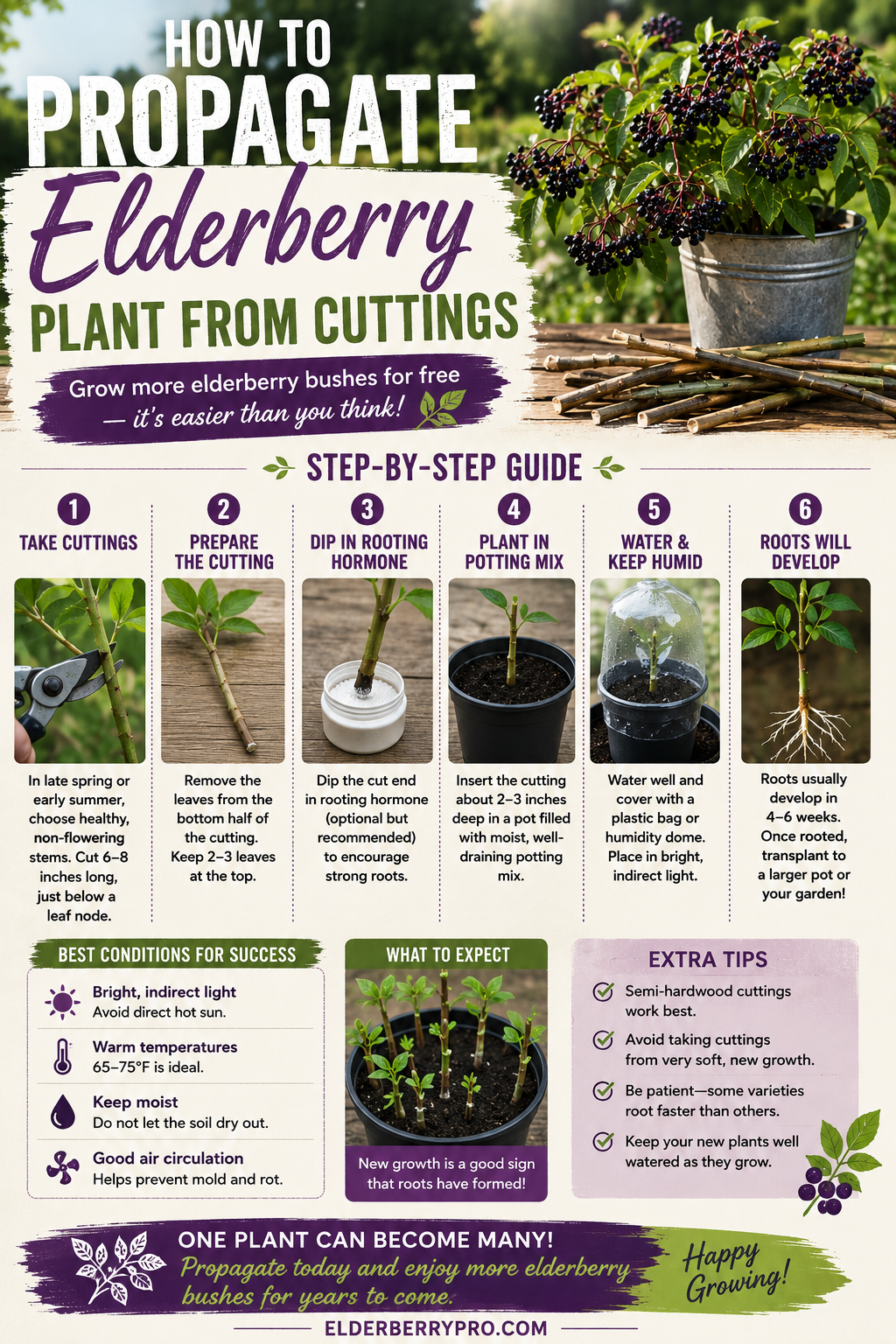
Why I Like Cuttings Better Than Seeds
Seeds certainly work.
They’re just slower.
They also introduce more variation because every seed is genetically unique.
With cuttings, you already know exactly what you’re getting.
The new bush starts as a piece of a proven plant.
If you’re trying to expand your elderberry patch with varieties you already love, cuttings usually make much more sense than starting over from seed.
We’ll cover growing elderberries from seed in a separate guide because it’s a very different process.
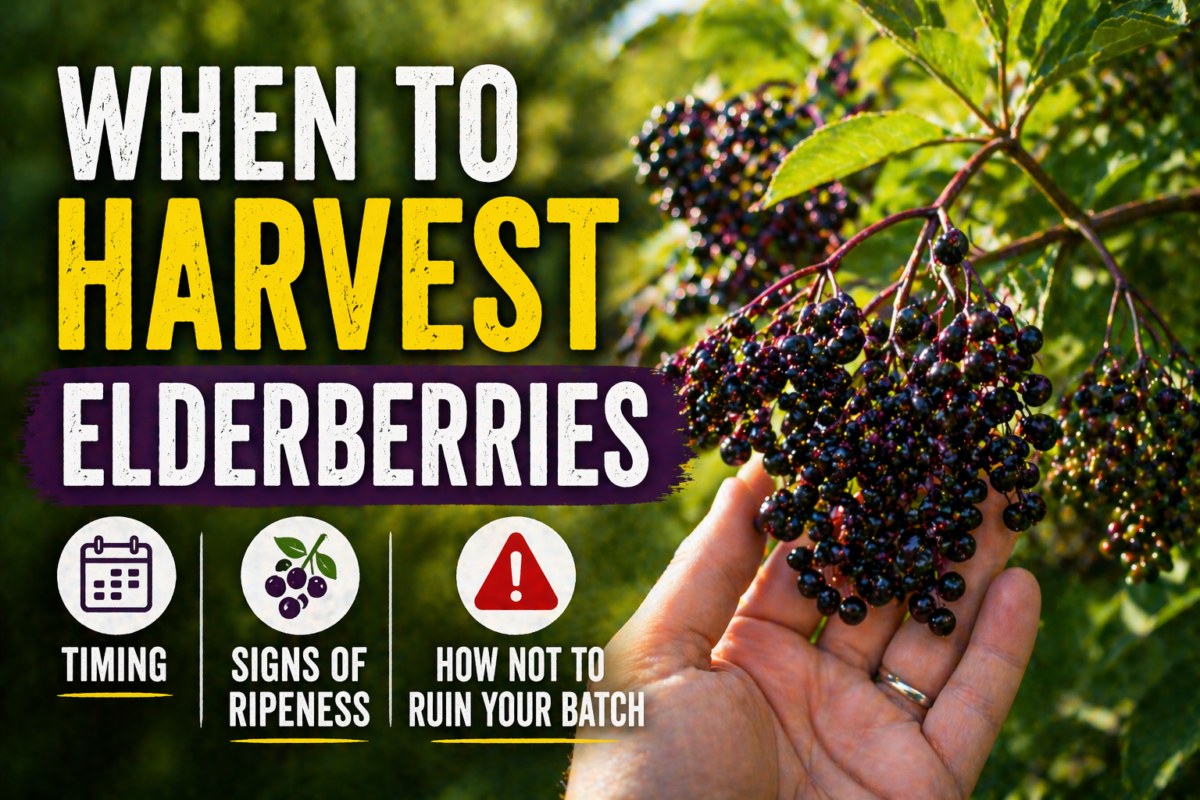


Healthy Parent Plants Produce Better Future Bushes
One thing I’ve learned over the years is that propagation actually begins long before you make the first cut.
The healthier the parent bush is, the better chance your new cutting has of becoming a vigorous plant.
Bushes growing in full sun with consistent moisture and balanced nutrition naturally produce stronger canes than plants struggling with stress.
That’s one reason I spend just as much time caring for my established elderberries as I do rooting new ones.
A healthy parent plant becomes the foundation for every future bush you propagate.
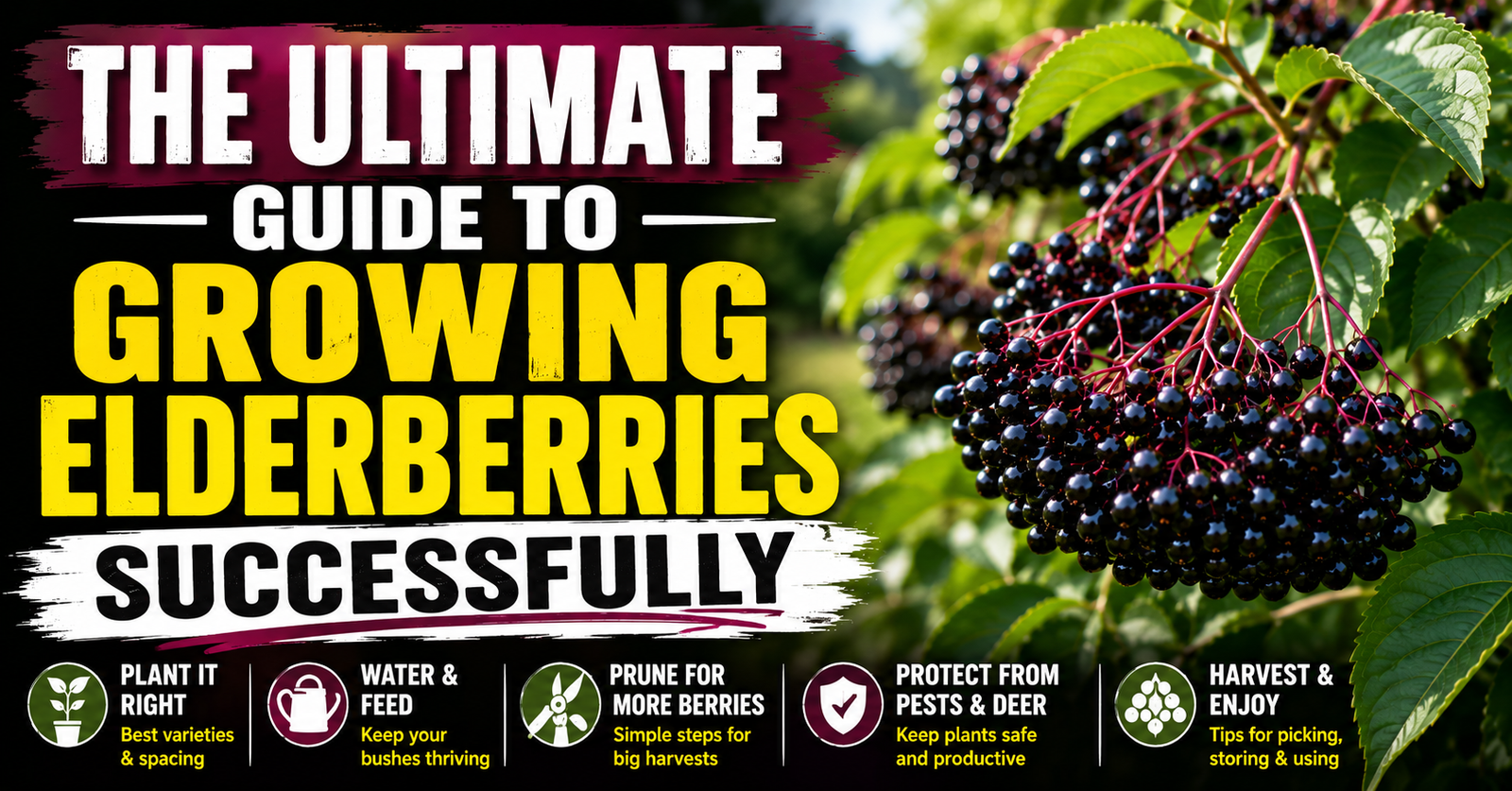
If you’re still working on creating the ideal growing conditions, The Ultimate Guide to Growing Elderberries Successfully explains how sunlight, watering, fertilizing, spacing, pruning, and wildlife protection all contribute to healthier elderberry plants.
You Need A Healthy Parent Plant
One thing I’ve learned is that propagation starts long before you ever make the first cut.
The healthier the parent bush, the better your chances of producing strong new plants.
I never take cuttings from bushes that are struggling with drought, disease, or poor growth.
Instead, I choose vigorous canes that grew well during the current or previous season.
Healthy parent plants produce healthier cuttings.
It’s really that simple.

If you’re still building your elderberry patch, I’ve had excellent success recommending the Live American Elderberry Plants from Weaver Family Farms Nursery because starting with vigorous plants makes every future propagation project much easier.



Not Every Branch Makes A Good Cutting
Another thing that surprised me was that not every stem performs equally well.
I look for healthy canes that are:
- Free from disease.
- Free from insect damage.
- Strong but not overly woody.
- Free from broken tips.
- Actively growing or recently matured, depending on the season.
Starting with quality material gives every cutting a much better chance of rooting successfully.
Timing Matters More Than People Think
Can you take elderberry cuttings any time of the year?
Technically…
Sometimes.
But your success rate often depends on when you do it.
That’s why timing deserves its own guide.
Different seasons call for different propagation techniques, and choosing the right time can dramatically improve your results.
I’ll cover that in detail in When Is the Best Time to Take Elderberry Cuttings?, because it’s one of the biggest factors separating successful propagation from disappointment.
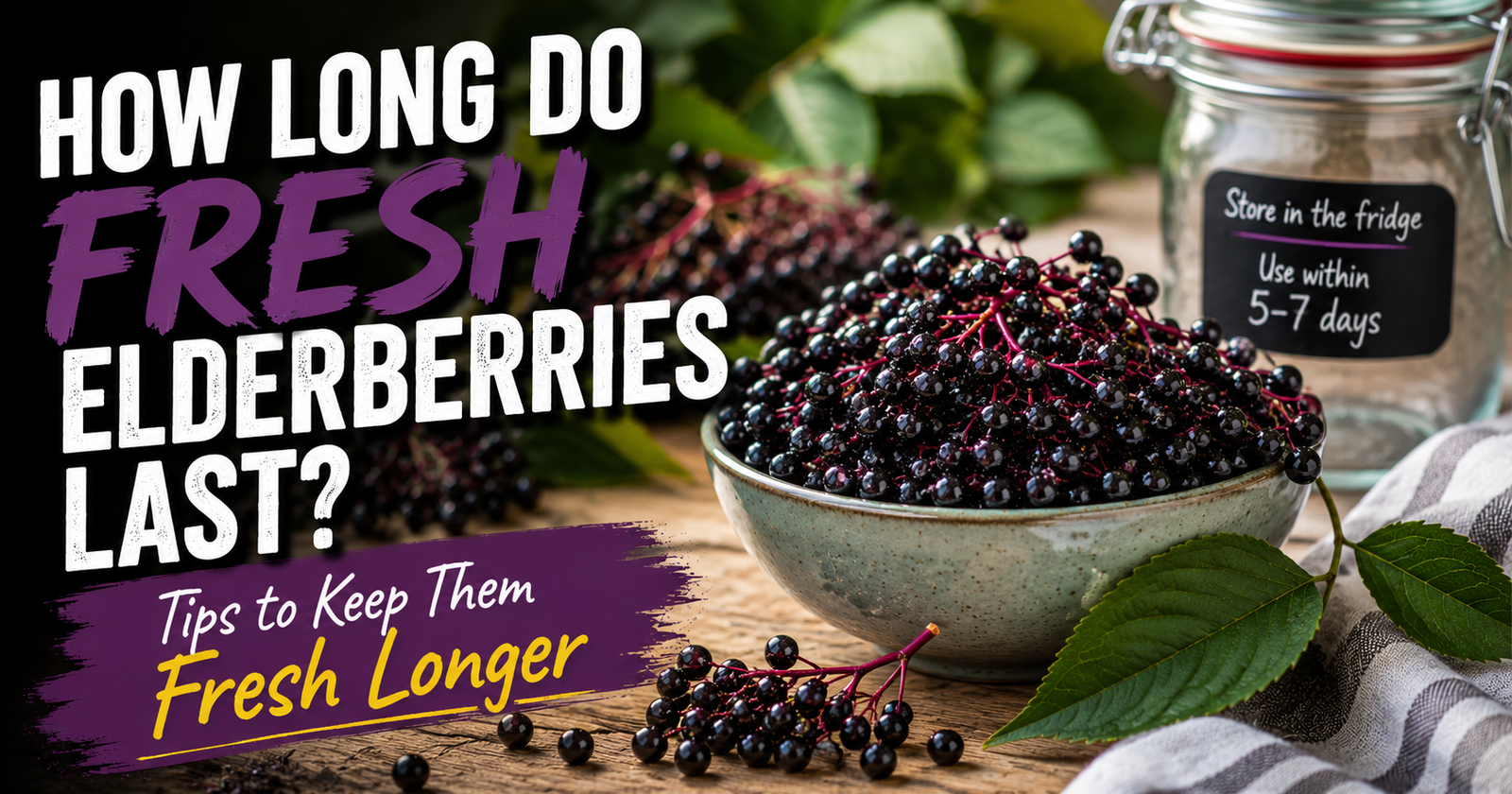


Healthy Plants Produce Better Cuttings
One thing I’ve noticed over the years is that healthy bushes naturally produce stronger propagation material.
Bushes receiving enough sunlight, water, and nutrients grow vigorous new canes that root much more reliably than weak, stressed plants.
If your elderberries aren’t growing well enough to produce quality cuttings, I’d first look at the overall health of the bush.
Simple improvements like better watering, proper spacing, and annual pruning often make a tremendous difference before you ever think about propagation.
Hardwood And Softwood Cuttings Both Work
One thing that confused me when I first started researching elderberry propagation was seeing people talk about hardwood cuttings and softwood cuttings.
At first, I thought one method had to be dramatically better than the other.
The truth is both can work very well.
Hardwood cuttings are taken from dormant wood after the growing season has ended.
Softwood cuttings come from fresh green growth while the plant is actively growing.
Each method has its advantages, which is why I’m putting together a separate guide explaining exactly when I use each one and what kind of success I’ve had.

Don’t Expect Roots Overnight
One mistake I see beginners make is checking their cuttings every couple of days.
I completely understand the excitement.
I’ve done the same thing myself.
Unfortunately, constantly pulling cuttings out to check for roots usually does more harm than good.
Propagation takes patience.
As long as the cutting stays healthy and the growing conditions remain favorable, it’s often best to leave it alone and let nature do its job.
Moisture Is Important, But So Is Air
One of the biggest reasons cuttings fail is because people focus only on watering.
Yes, moisture matters.
But oxygen matters too.
Soggy growing media can cause the cutting to rot before roots ever have a chance to develop.
I aim for a growing medium that’s lightly moist instead of soaking wet.
That balance has consistently given me much better results.
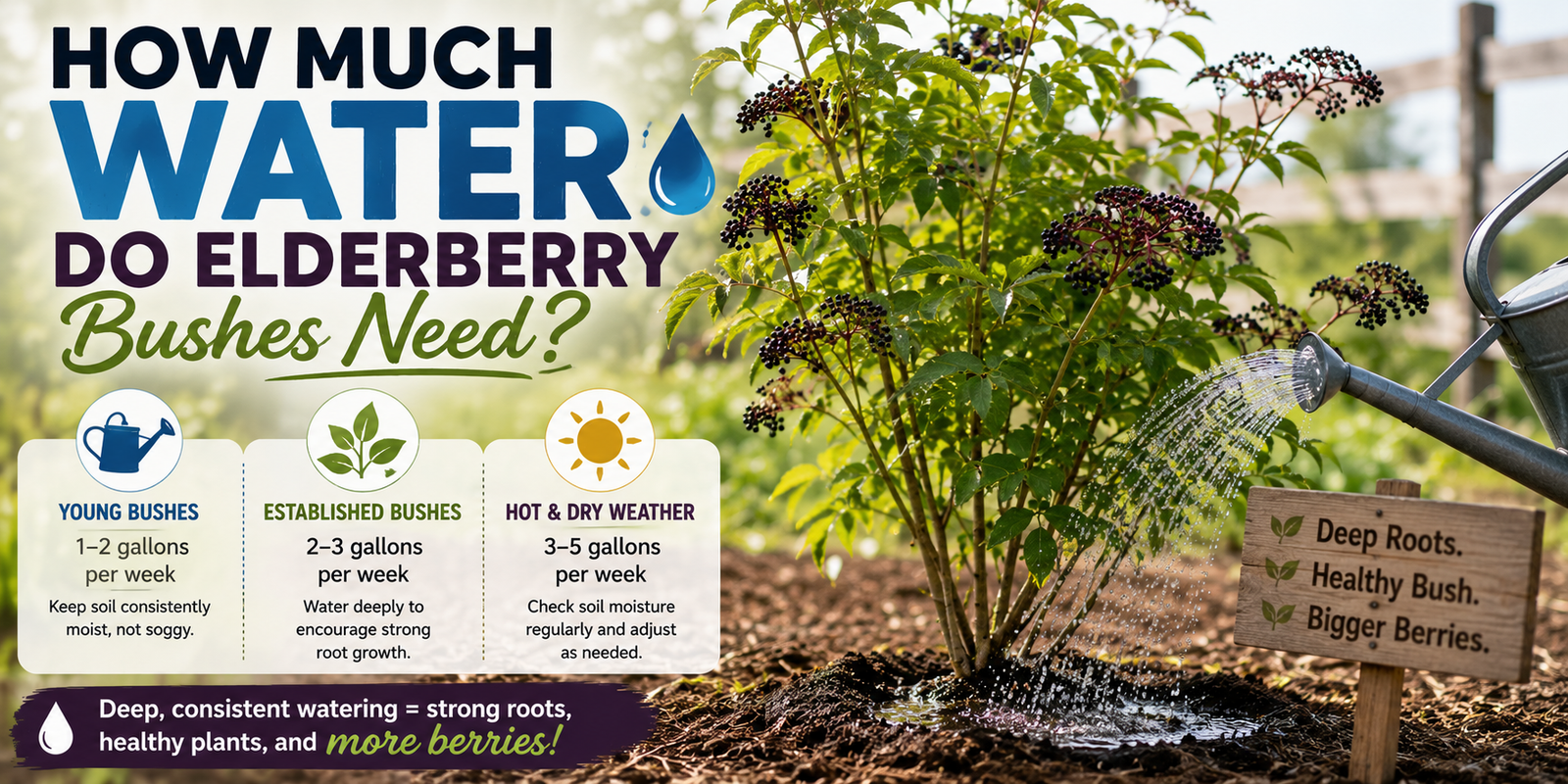
The same principle applies to mature bushes. Too much water can create just as many problems as too little, which is why I always recommend learning how much water elderberry bushes actually need before trying to propagate from them.


Don’t Give Up If Every Cutting Doesn’t Root
This is probably the biggest lesson propagation has taught me.
Not every cutting survives.
That’s completely normal.
Professional nurseries expect some losses, and home gardeners should too.
That’s why I never take just one cutting.
If I need two new elderberry plants, I might start six or eight cuttings.
That way, even if a few don’t root, I still end up with healthy new bushes.
Starting With The Right Variety Matters
Another advantage of growing elderberries from cuttings is knowing exactly what you’re multiplying.
If your current bush produces excellent berries, grows vigorously, and performs well in your climate, every successful cutting has the potential to become another plant with those same qualities.
If you’re still deciding which variety you’d like to grow, the American Elderberry vs. European Elderberry comparison is worth reading before you start propagating. Choosing the right variety now can save years of frustration later.
Pruning Season Often Creates The Perfect Opportunity
One thing I love about propagation is that it naturally fits into normal elderberry maintenance.
Every year I’m already pruning my bushes.
Instead of throwing away every healthy cane I remove, I look for pieces that could become future plants.
It’s a great way to get additional value from work I was already planning to do.
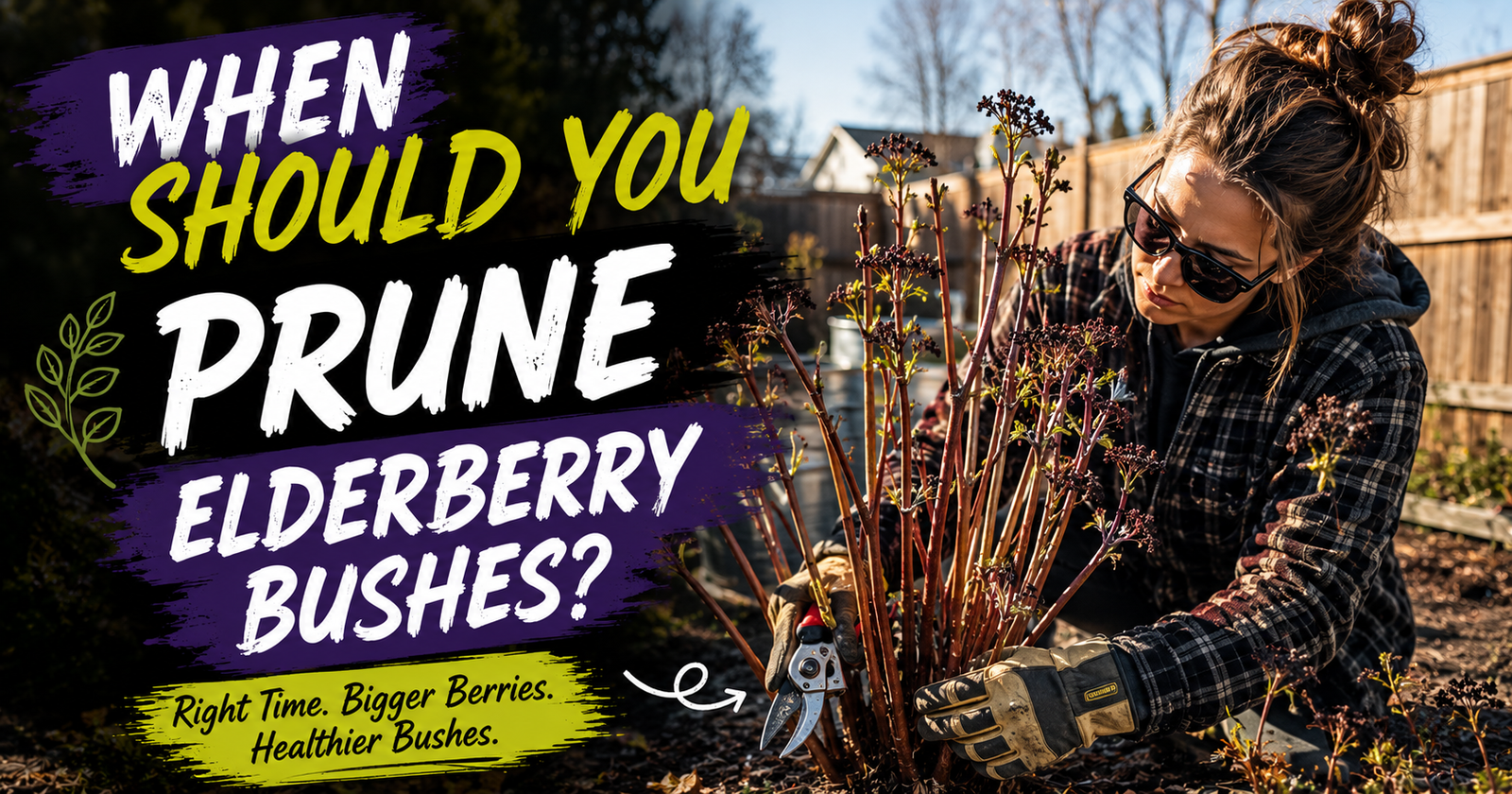
If you’re not pruning yet, When Should You Prune Elderberry Bushes? Here’s What Works explains how I approach pruning each year and why it’s such an important part of growing productive elderberries.
Growing Your Own Plants Is Surprisingly Rewarding
There’s something incredibly satisfying about watching a simple cutting develop into a healthy shrub.
A year or two later, it’s hard to believe that plant started as a small section of another bush.
That’s one of the reasons propagation has become one of my favorite parts of growing elderberries.

Not only does it save money, but it also gives me the opportunity to expand my planting, replace older bushes, or even share new plants with friends and family who want to start growing elderberries themselves. If you're expanding your planting, adding another elderberry bush explains when an additional bush can help improve pollination and harvests.
Questions I Get Emailed In About Growing Elderberries From Cuttings
Once people realize they can create new elderberry bushes from an existing plant, they usually have a lot of questions. Here are the ones I hear most often.
Is Growing From Cuttings Easier Than Growing From Seed?
For most home gardeners, yes.
Growing from cuttings is usually faster, more predictable, and gives you a clone of the parent plant.
With seeds, every new plant is genetically different.
That isn’t necessarily a bad thing, but if you already have an elderberry bush you love, cuttings let you reproduce those same characteristics instead of starting from scratch.
I’ll cover seeds in more detail in a separate guide because the process is very different.
Do I Need Rooting Hormone?
Not always.
Many gardeners successfully root elderberry cuttings without it.
That said, some people like using rooting hormone because it may improve rooting percentages, especially when conditions aren’t ideal.
I’ve found that healthy cuttings taken at the right time are usually much more important than whether or not rooting hormone is used.
How Long Before A Cutting Becomes A Fruit-Producing Bush?
Don’t expect berries right away.
Most new elderberry plants spend their first season developing roots and producing healthy canes.
After they become established, growth usually speeds up considerably.

If you’re wondering when you’ll finally be harvesting berries, How Long Does It Take an Elderberry Bush to Produce Fruit? explains the realistic timeline I’ve experienced and what factors can speed up or slow down production.
Can I Take Several Cuttings From One Bush?
Absolutely.
In fact, that’s one of the biggest advantages of propagation.
A healthy, mature elderberry bush can often provide multiple suitable cuttings during pruning season without harming the plant.
Just remember not to remove an excessive amount of healthy growth at one time.
The goal is expanding your planting while keeping the parent bush vigorous and productive.
Growing More Elderberries Doesn’t Have To Be Expensive
One reason I enjoy propagating elderberries is that it allows my planting to grow without constantly buying new bushes.
Every successful cutting saves money.
It also gives me backup plants if one bush is ever damaged by weather, wildlife, or disease.
Of course, if you’re just getting started and don’t have a healthy parent plant yet, buying a vigorous nursery-grown elderberry is still the fastest way to begin. Once it’s established, you’ll have plenty of opportunities to create additional plants from it in future years.
Propagation Is Only The Beginning
Once your cuttings have successfully rooted, the work isn’t finished.
Young elderberries still need proper spacing, consistent watering, good sunlight, and annual care if you want them to develop into productive bushes.
The good news is you’ve already done the hardest part by creating a healthy new plant.
Everything after that follows the same growing principles you’d use with any established elderberry.
Propagation Is Easier Than Most People Expect
Looking back, I probably spent more time worrying about propagating elderberries than actually doing it.
Once I understood the basics, the process became surprisingly straightforward.
Healthy cuttings.
Good timing.
Consistent moisture.
Patience.
Those four things have done far more for my success than chasing complicated propagation techniques.
The more cuttings you root, the more confidence you’ll gain each growing season.
Keep Expanding Your Elderberry Patch
Learning to grow elderberries from cuttings is one of the most rewarding skills a home gardener can develop. It allows you to multiply healthy plants, replace older bushes, and expand your planting without starting over every time.
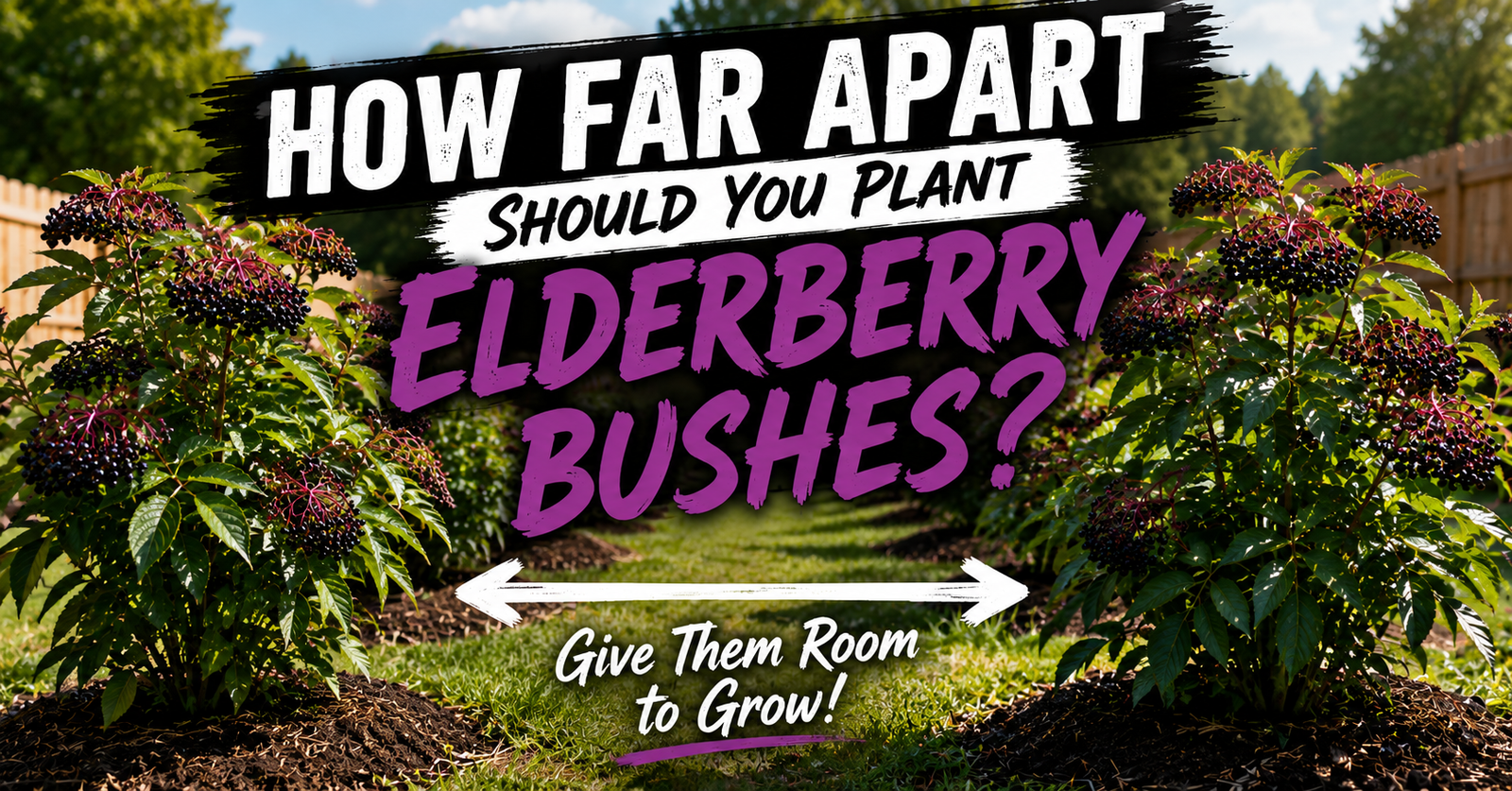
If you’re ready to learn more about propagation, my guide on When Is the Best Time to Take Elderberry Cuttings?explains exactly when I collect cuttings for the highest success rate. You may also find How Far Apart Should You Plant Elderberry Bushes? helpful once your new plants are ready for the ground, and Best Fertilizer for Elderberry Bushes That Actually Works covers how I encourage strong growth after young bushes become established.
The first elderberry cutting you root might feel like a small project.
A few years later, it could become another mature bush producing pounds of berries every season.
About the Author
Avery Collins
Avery Collins is a backyard fruit grower and gardening writer who enjoys helping home gardeners successfully grow elderberries from planting through harvest. Through Elderberry Pro, Avery shares practical growing advice, hands-on propagation tips, and experience-based recommendations to help readers build healthier, more productive elderberry patches.