
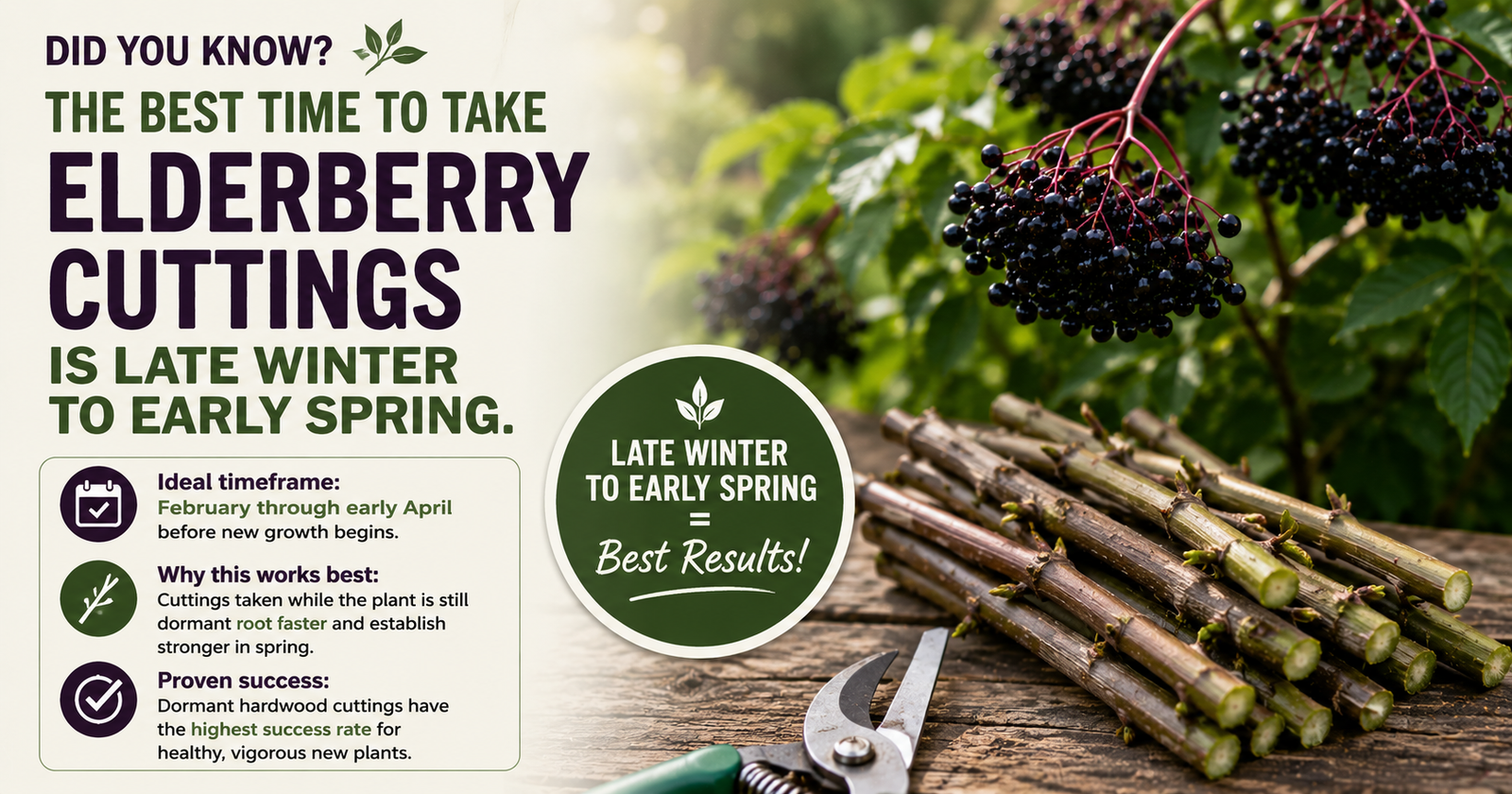
If there’s one lesson I’ve learned about propagating elderberries, it’s that timing can make a huge difference.
You can use the exact same variety.
The exact same pruning tools.
The exact same rooting method.
But if you take the cutting at the wrong time of year, your chances of success often drop dramatically.
That’s why I don’t just grab random branches whenever I feel like making more plants.
Instead, I wait until the bush reaches the stage that’s best for the type of cutting I want to take.
Doing that has consistently given me healthier plants and much better rooting success.
The Best Time Depends On The Type Of Cutting
One thing that surprises many new gardeners is that there isn’t just one “correct” time.
Elderberries can be propagated using both hardwood and softwood cuttings.
Each has its own ideal season.
Hardwood cuttings are generally taken while the plant is dormant, usually from late winter before buds begin to break. Softwood cuttings are taken from fresh, actively growing shoots during the growing season. Both methods are widely used by commercial growers and home gardeners.
The important part is matching the type of cutting to the season instead of forcing the plant to do something it isn’t ready for.
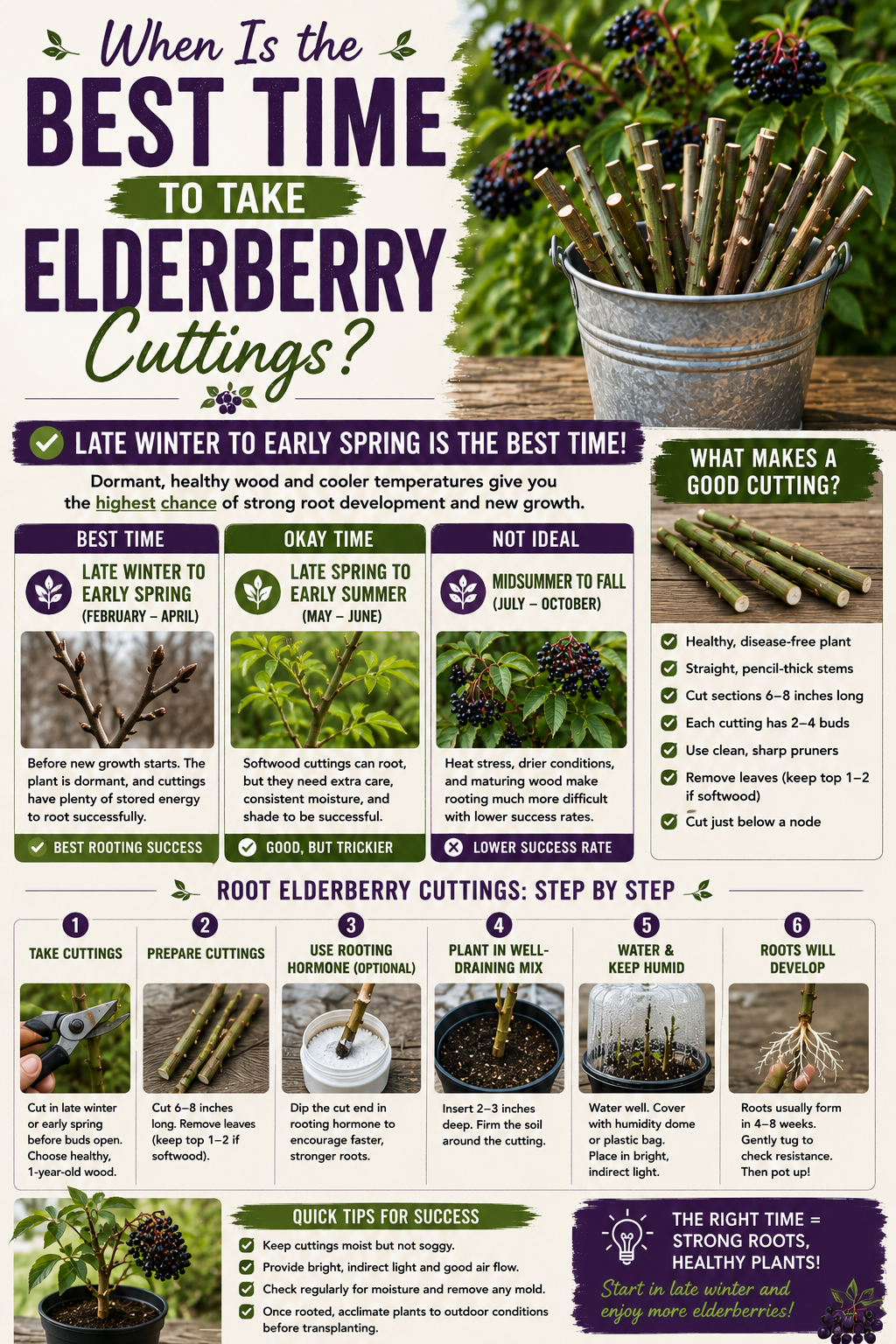
I Usually Prefer Dormant Hardwood Cuttings
If someone asked me which method I recommend for beginners, I’d usually suggest hardwood cuttings.
During dormancy, the plant isn’t spending energy producing leaves, flowers, or berries.
Instead, those stored energy reserves help support new root development once the cutting is planted.
Hardwood cuttings are also easier to handle because there aren’t delicate leaves constantly losing moisture while you’re working.
That’s one reason they’re so popular among nurseries that propagate large numbers of elderberries every year.
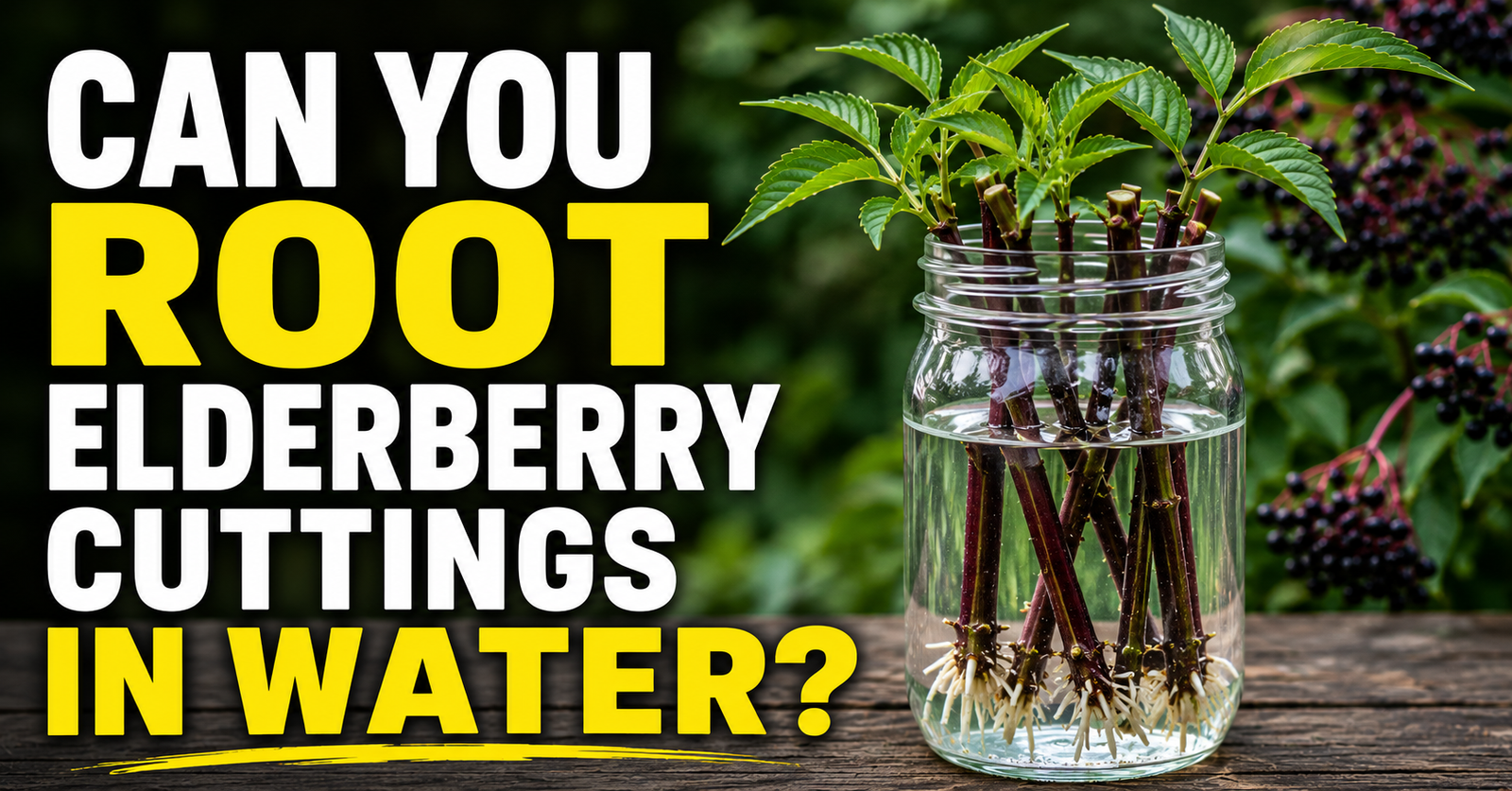


Softwood Cuttings Can Root Quickly Too
That doesn’t mean softwood cuttings are a bad choice. A humidity dome for softwood cuttings can help limit moisture loss while fresh green growth develops roots.
Quite the opposite.
When taken from healthy, vigorous new growth during the growing season, softwood cuttings often root very well if they’re kept humid and protected from drying out. Missouri Extension notes that softwood cuttings root readily when humidity is maintained around them.
The tradeoff is that they usually require a little more attention because fresh green growth dries out much faster than dormant hardwood.
That’s why many beginners find hardwood propagation a little more forgiving.
Don’t Feel Like You Only Get One Chance
One thing I wish I’d known sooner is that missing the ideal propagation window doesn’t mean you’ve ruined the entire year.
Elderberries offer more than one opportunity to propagate depending on whether you’re using hardwood or softwood cuttings.
That flexibility makes the plant much more forgiving than many gardeners expect.
Instead of rushing because you think you’ve missed your opportunity, take time to understand which propagation method best matches the current season.
Successful propagation is usually the result of good planning instead of perfect timing.


Don’t Take Cuttings From Stressed Plants
Timing isn’t just about the calendar.
It’s also about the health of the parent bush.
I never take cuttings from elderberries that are struggling with drought, disease, insect damage, or poor growth.
Instead, I choose vigorous canes from bushes that have been growing well all season.
Healthy plants simply produce healthier propagation material.
If your elderberries aren’t growing vigorously enough to provide quality cuttings, Best Fertilizer for Elderberry Bushes That Actually Works is a good place to start because improving the health of the parent plant usually improves your propagation success later.
Pruning Season Creates The Perfect Opportunity
One reason I like propagating from hardwood cuttings is that it naturally fits into my normal pruning routine.
Every year I’m already removing a few healthy canes.
Instead of throwing those away, I simply select the best sections for propagation.
It’s one of the easiest ways to turn routine maintenance into future elderberry bushes.
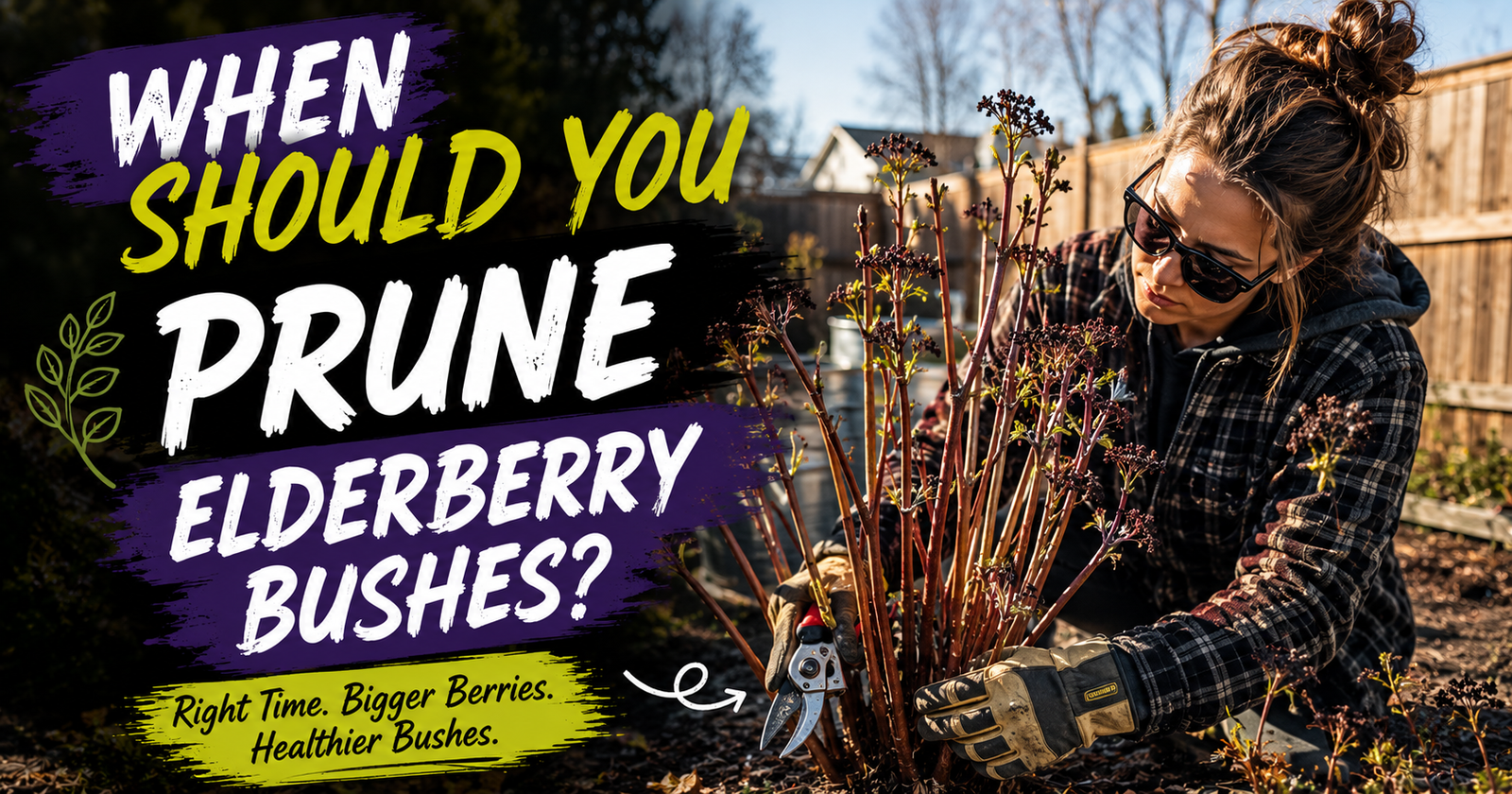
If you’re still learning how and when to prune, When Should You Prune Elderberry Bushes? Here’s What Works explains the approach that’s worked best for me over the years.
Avoid Taking Cuttings During Flowering Or Heavy Fruiting
One mistake I try to avoid is taking cuttings while the bush is putting most of its energy into flowers or developing berries.
At that stage, the plant is focused on reproduction instead of producing new roots.
Can you still try?
Sure.
But I’ve found the results are usually less consistent than taking cuttings during dormancy or from healthy new vegetative growth.
If I’m choosing between harvesting berries or propagating plants, I let the bush finish producing fruit first.
Weather Makes A Difference Too
Even during the right season, I pay attention to the weather.
I avoid taking cuttings during:
- Extreme heat.
- Severe drought.
- Right after a damaging frost.
- Long stretches of very windy weather.
Healthy, well-hydrated plants simply make better cuttings.
If we’ve gone several weeks without rain, I’ll usually water the parent bush well before taking any cuttings.


Morning Is My Favorite Time
If I’m collecting softwood cuttings, I usually head outside early in the morning.
The stems are naturally more hydrated after the cool overnight temperatures.
By late afternoon, especially during summer, plants have already lost a significant amount of moisture through their leaves.
Starting with well-hydrated cuttings gives them a much better chance of surviving the rooting process.
Don’t Forget The Parent Plant
It’s easy to get excited about making new bushes.
But I always remember that the parent plant still needs to remain healthy.
I never remove excessive amounts of growth from one bush.
Instead, I spread my cuttings across several healthy canes so the plant continues growing vigorously after I’m finished.
A strong parent bush means you’ll have even more propagation opportunities in future years.


Good Growing Conditions Lead To Better Cuttings
I’ve noticed something interesting over the years.
The healthiest elderberries almost always produce the best propagation material.
Bushes growing in full sun with consistent moisture and healthy soil simply produce stronger canes.
That’s another reason I spend time improving the growing conditions before I ever think about propagation.

If your bushes are planted in less-than-ideal conditions, Can Elderberries Grow in Shade? Here’s What I Learnedexplains how sunlight affects overall plant health and long-term growth.
Have Everything Ready Before You Start
I also like gathering everything I’ll need before making the first cut.
That includes:
- Clean pruning tools.
- Pots or trays.
- Rooting medium.
- Plant labels.
- Water.
The less time the cuttings spend lying around after they’re removed from the parent plant, the better.
I like moving them into their rooting medium as quickly as possible.
Propagation Gets Easier Every Season
The first year I tried propagating elderberries, I worried about every little detail.
Now it’s become part of my yearly routine.
Each season teaches something new.
Maybe one variety roots a little faster.
Maybe weather conditions change the timing slightly.
The important thing is paying attention and adjusting as you gain experience.
Every successful cutting builds confidence for the next growing season.
Small Timing Mistakes Can Slow Everything Down
One thing propagation has taught me is that success usually comes from getting several small details right instead of finding one magic trick.
Taking healthy cuttings at the right time of year gives you a huge advantage before you ever fill a pot with soil.
After that, the process becomes much simpler. Good moisture, clean cuts, patience, and healthy parent plants will usually do the rest.
I’ve found that trying to force the timing almost never works as well as waiting until the bush is naturally ready.
Every Season Is A Chance To Improve
One year you might root three cuttings.
The next year you might root twenty.
Each season teaches you something new about your elderberries and how they respond in your climate.
Don’t be discouraged if every cutting doesn’t survive.
Even experienced growers don’t expect a 100 percent success rate every year.
The goal isn’t perfection.
It’s ending the season with a few healthy new bushes that will eventually become productive plants.
Build Your Propagation Skills One Step At A Time
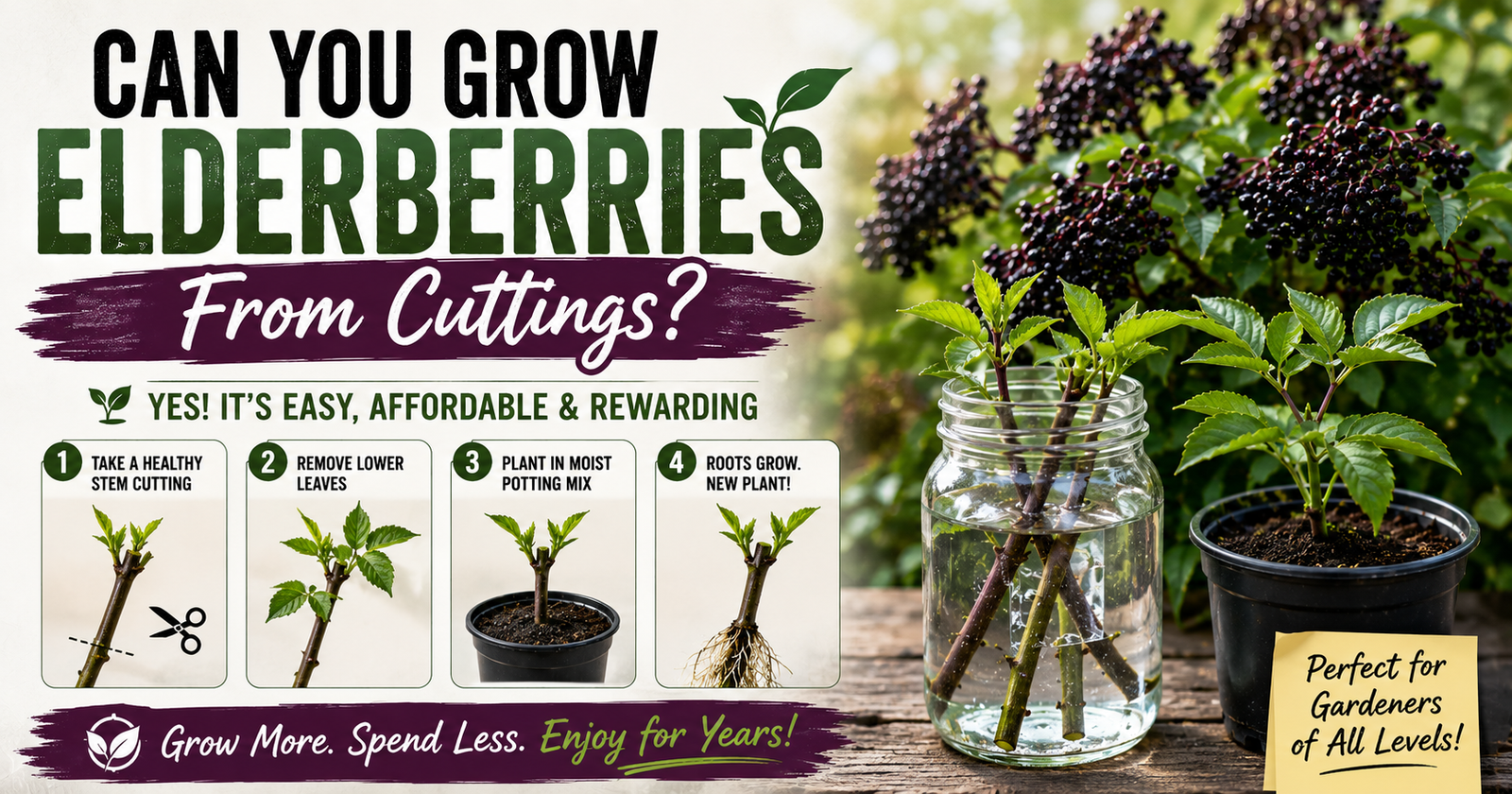
If you’re still deciding whether propagation is worth trying, Can You Grow Elderberries From Cuttings? explains why it’s one of the easiest and most rewarding ways to multiply healthy elderberry bushes.
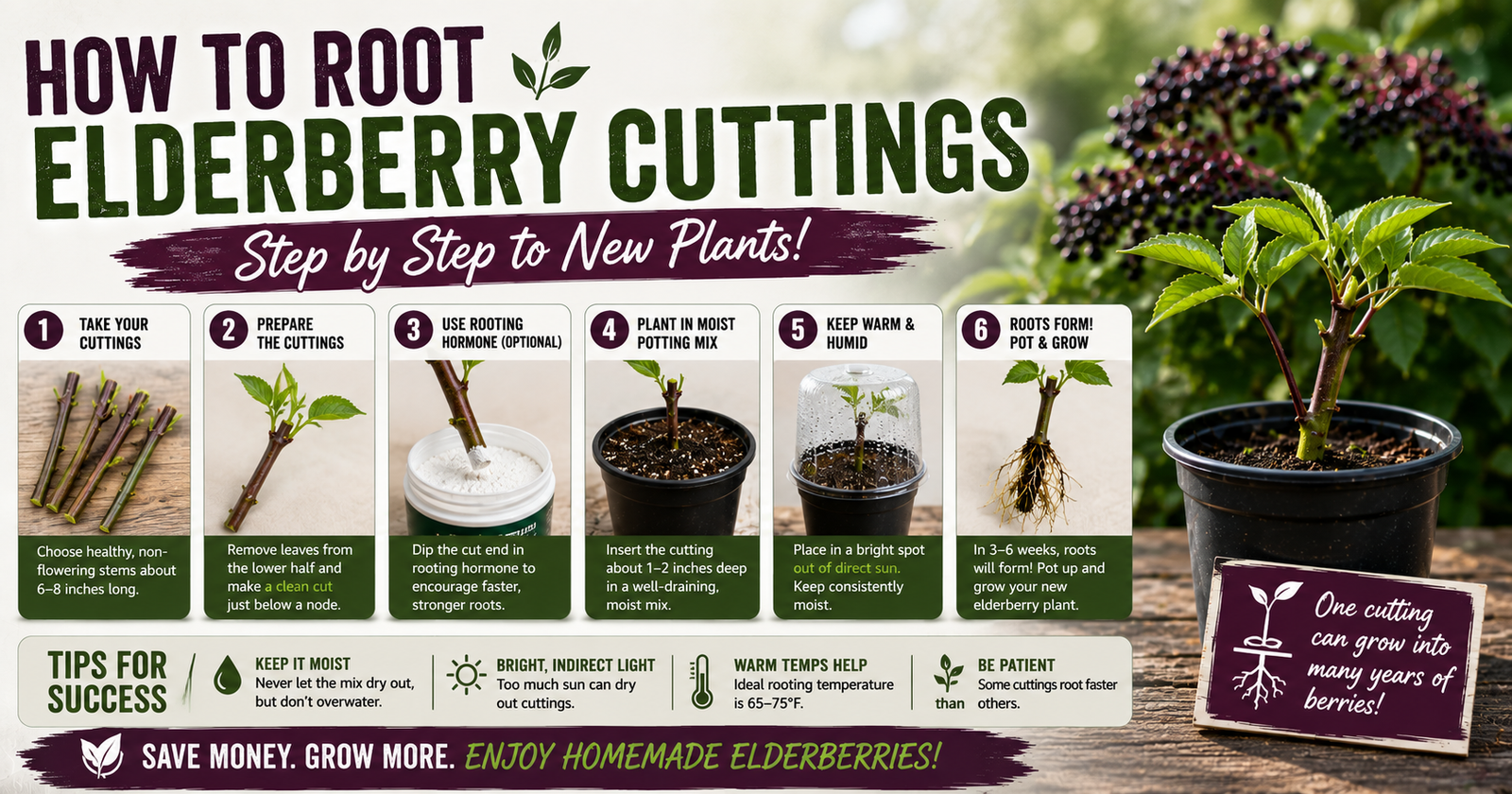
Once you’ve collected your cuttings at the right time, the next step is learning exactly how to root them successfully. That’s where How to Root Elderberry Cuttings Step by Step walks through the entire process from preparing the cuttings to caring for them while new roots develop.
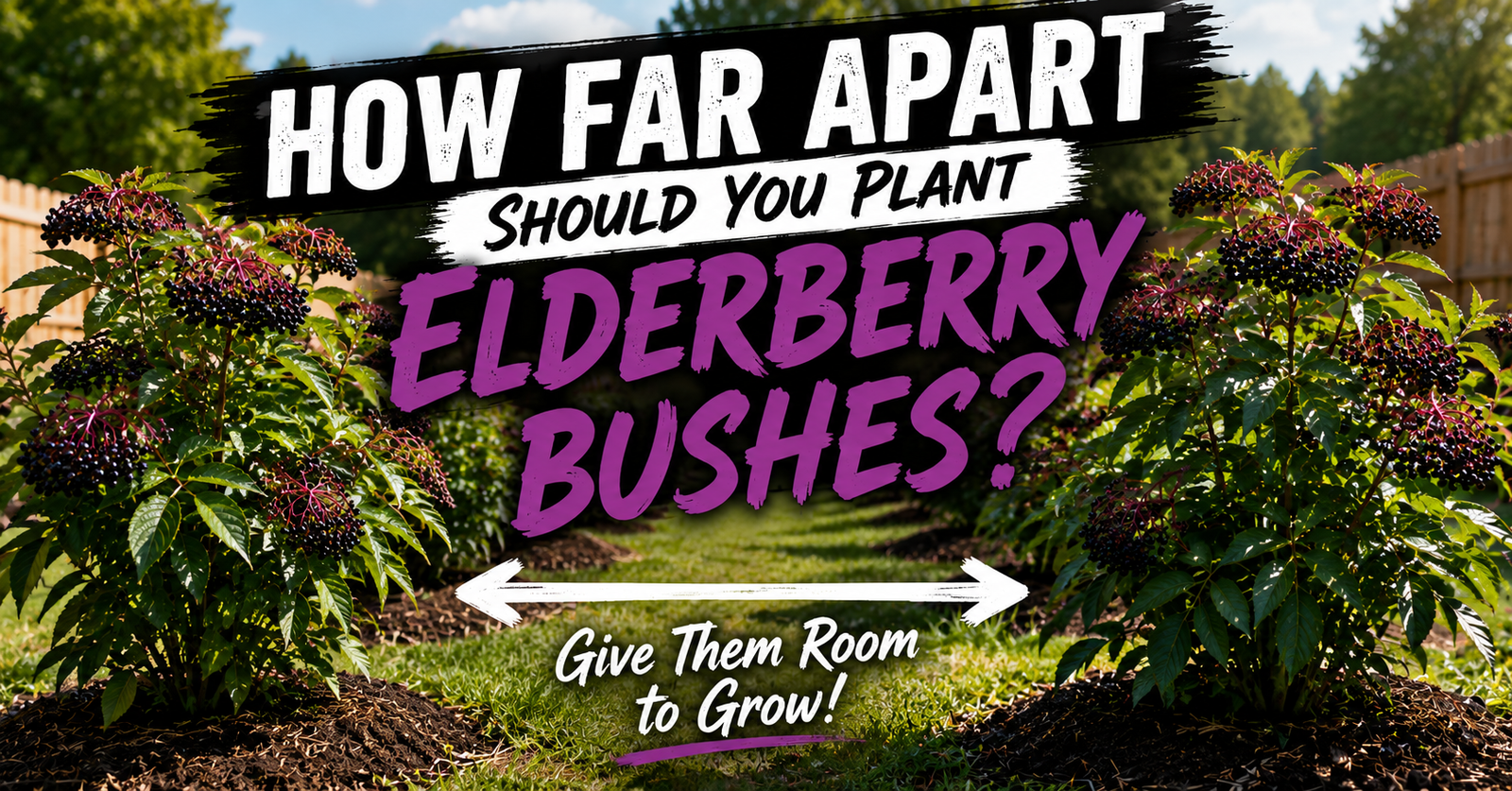
Before long, you’ll have young elderberry plants ready for the garden. When that time comes, How Far Apart Should You Plant Elderberry Bushes? will help you give them enough room to grow into healthy, productive shrubs.
About the Author
Avery Collins
Avery Collins is a backyard fruit grower and gardening writer who enjoys helping home gardeners successfully grow and propagate elderberries. Through Elderberry Pro, Avery shares practical, experience-based advice that makes growing healthier bushes and harvesting more berries easier for gardeners of every skill level.