
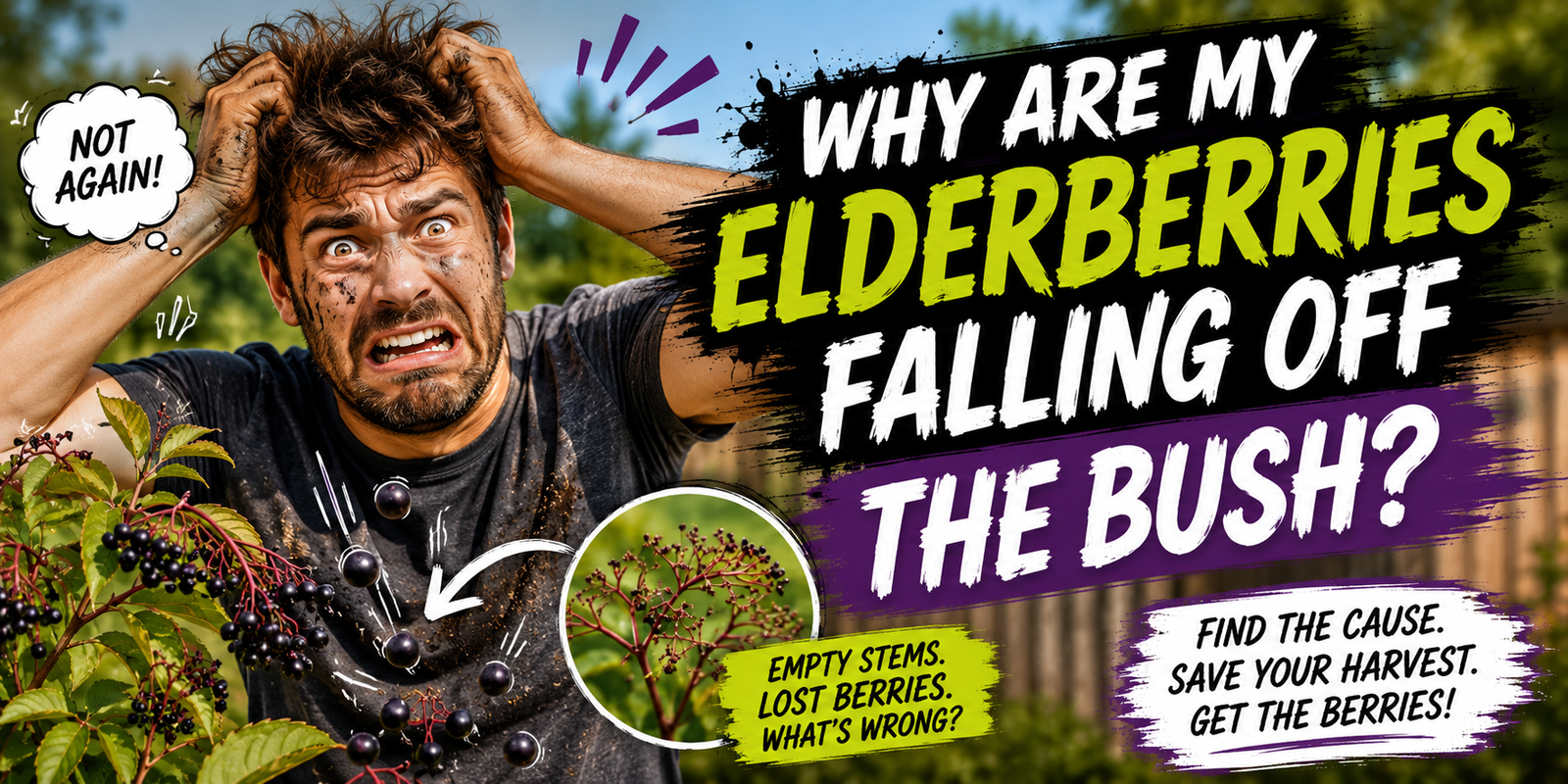
Few things are more frustrating than walking out to your elderberry bushes one morning and finding berries scattered all over the ground.
I’ve been there.
You spend months watching flower clusters develop into tiny green berries.
Everything seems to be going perfectly.
Then suddenly…
The berries start falling off.
Your first thought is usually that something is terribly wrong.
The good news is that’s not always the case.
Elderberries can drop fruit for several different reasons. Some are completely normal parts of the growing process, while others are signs that the plant is under stress.
The key is figuring out which one you’re dealing with before trying to fix it.
Over the years, I’ve learned that berry drop is usually the plant trying to tell you something.
The trick is learning how to listen.
Don’t Panic If Only A Few Berries Fall
One mistake I made early on was assuming every berry that hit the ground meant disaster.
It doesn’t.
Like many fruiting plants, elderberries sometimes naturally shed a small number of berries.
The plant is essentially deciding how much fruit it can realistically support.
If only a handful of berries fall while the remaining clusters continue developing normally, I usually don’t worry about it.
Nature often does a little thinning on its own.
The concern starts when entire clusters begin dropping or when large numbers of berries fall long before harvest.
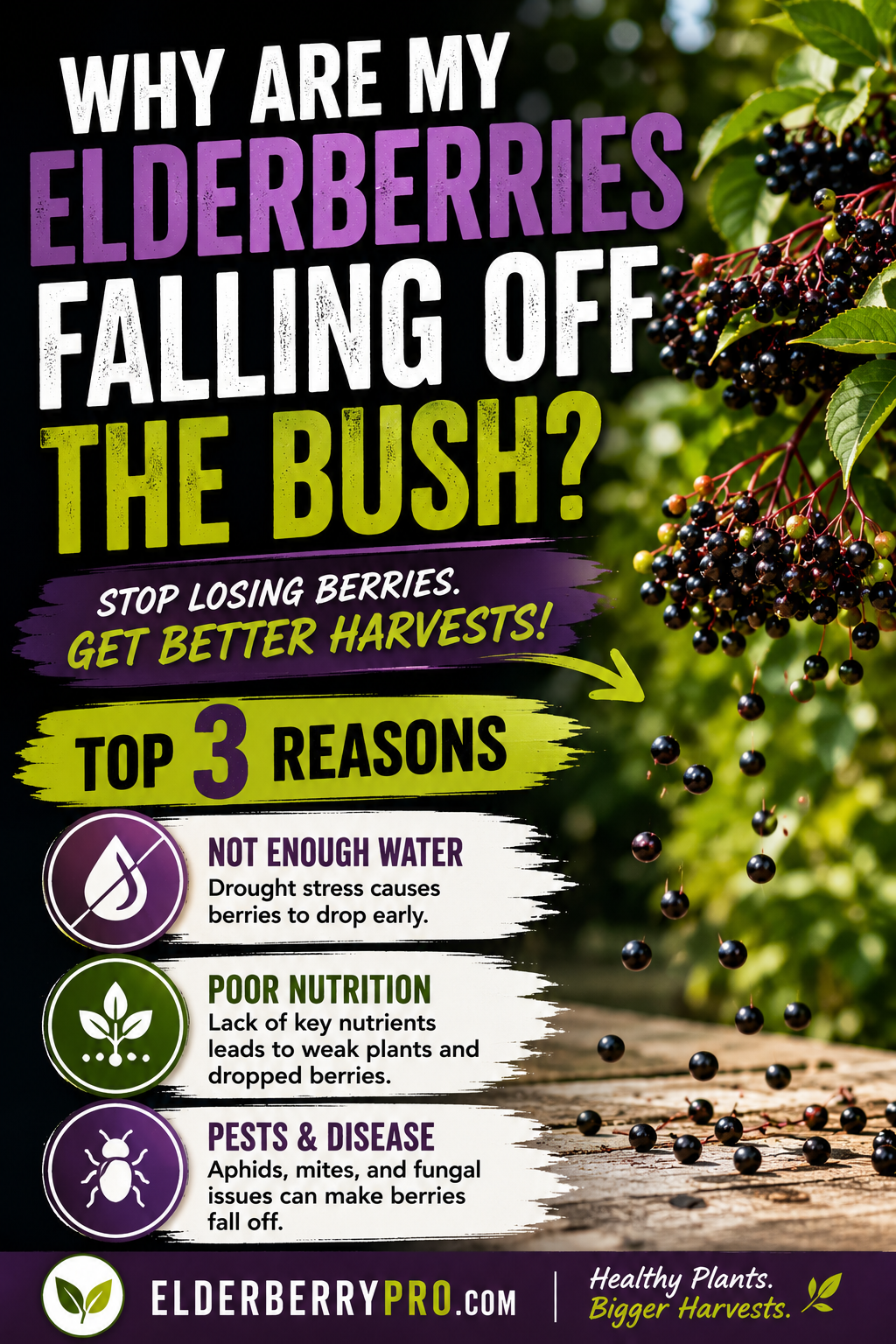
Drought Stress Is A Common Cause
One of the biggest reasons elderberries drop fruit is simple.
They’re thirsty.
During long stretches of hot, dry weather, the plant has to make difficult decisions.
If there isn’t enough moisture available, it often sacrifices some developing berries to help the rest of the plant survive.
It’s actually a pretty smart survival strategy.
I’ve found that deep, consistent watering during extended dry periods works much better than giving the bushes a quick splash every evening.
Healthy roots growing in evenly moist soil are much less likely to drop developing fruit.



Too Much Water Can Cause Problems Too
The opposite extreme isn’t good either.
Waterlogged soil stresses elderberry roots just as much as drought.
When roots sit in saturated soil, they struggle to absorb oxygen.
That stress eventually works its way upward through the plant.
Sometimes yellow leaves appear first.
Other times berry drop becomes the first noticeable symptom.
If you’ve recently experienced several days of heavy rain, take a close look at the planting area before assuming something else is wrong.
Poor Pollination Can Lead To Tiny Berries Falling Off
This one surprises many new gardeners.
Sometimes berries begin forming after flowering, but because pollination wasn’t complete, those tiny berries never fully develop.
Instead, they eventually fall from the cluster.
That’s one reason I always encourage people to grow more than one compatible elderberry variety whenever possible.
Better pollination usually means fuller berry clusters and fewer disappointing surprises later.
If you’re only growing one bush, my guide on Do You Need Two Elderberry Bushes to Get Berries? explains why adding another variety can make such a noticeable difference.


Your Bush Might Simply Be Carrying Too Much Fruit
Believe it or not, a healthy elderberry can sometimes produce more berries than it can comfortably support.
When that happens, the bush occasionally sheds part of the crop naturally.
It’s the plant’s way of putting its energy into producing fewer but healthier berries.
I’ve noticed this most often on mature, vigorous bushes growing under excellent conditions.
As frustrating as it seems, a little natural thinning isn’t always something that needs fixing.
Don’t Forget About Sunlight
One thing I’ve noticed over the years is that bushes growing in heavier shade often seem more sensitive to stress.
Less sunlight means less energy.
Less energy means the plant has fewer resources available to mature every berry.
That’s another reason I always recommend planting elderberries where they’ll receive plenty of direct sunlight whenever possible.

If you’re unsure whether your planting location is part of the problem, I’d recommend reading Can Elderberries Grow in Shade? Here’s What I Learned because sunlight affects much more than just growth. It influences flowering, berry development, and the overall health of the plant.


Healthy Plants Hold Onto More Fruit
Whenever someone asks me how to stop berry drop, my answer is almost never a single product.
Healthy elderberries hold fruit better because they’re better prepared for stressful weather.
That starts long before flowering.
Healthy soil.
Good spacing.
Proper watering.
Reasonable fertilization.
Annual pruning.
Each of those small habits helps the plant stay strong enough to support a full crop.
That’s why I usually encourage people to build healthy bushes first instead of chasing quick fixes later.

If you’re still establishing your planting, I’ve had excellent success recommending the Live American Elderberry Plants from Weaver Family Farms Nursery because vigorous nursery-grown plants establish faster and tend to handle environmental stress much better than weak stock.
Likewise, the elderberry growing guide from Weaver Family Farms Nursery is packed with practical advice that helps prevent many of the problems that eventually lead to fruit drop.
Birds May Be Stealing More Than You Think
Sometimes the berries aren’t actually falling off on their own.
They’re being knocked off.
Birds absolutely love ripe elderberries, and they often begin visiting bushes before gardeners realize the fruit is nearly ready to harvest.
As birds hop from cluster to cluster, it’s common for some berries to end up on the ground.
I’ve walked outside more than once and initially blamed the plant, only to discover several birds happily enjoying breakfast in the middle of my bushes.
If you notice missing berries, partially eaten clusters, or berries scattered beneath otherwise healthy plants, birds may be the real culprit.
I’ll be covering ways to protect your harvest in an upcoming guide about keeping birds away from elderberries because it can become one of the biggest challenges once your bushes start producing consistently.


Wind Can Knock Off Ripening Fruit
Heavy summer storms can also play a role.
Strong winds are capable of shaking mature berry clusters, especially when the berries are fully ripe and hanging heavily from the stems.
Most healthy clusters hold together surprisingly well.
But after severe weather, it’s not unusual to find some berries on the ground.
If the rest of the bush looks healthy, I usually consider storm-related berry loss part of gardening rather than something that needs fixing.
Heat Stress During Summer
One thing I’ve noticed during particularly hot summers is that elderberries sometimes struggle to keep every berry developing normally.
Extended periods of high temperatures combined with dry soil create a lot of stress.
The plant begins focusing on survival instead of maximizing fruit production.
That’s another reason I keep several inches of organic mulch around every bush.
Mulch helps regulate soil temperature, slows moisture loss, and gives the roots a much more consistent environment throughout the hottest part of the season.
Those simple steps don’t eliminate heat stress completely, but they certainly help.


Sometimes Poor Pollination Shows Up Later
One thing that surprised me was learning that fruit problems don’t always begin when berries start falling.
Sometimes they begin weeks earlier while the flowers are still blooming.
If flowers aren’t properly pollinated, the bush may begin developing berries that never fully mature. Instead of producing large, healthy clusters, some berries stop developing and eventually fall from the plant.
That’s one reason I don’t automatically blame watering or fertilizer every time I notice berries dropping.
Good pollination lays the foundation for a successful harvest long before the fruit begins changing color.
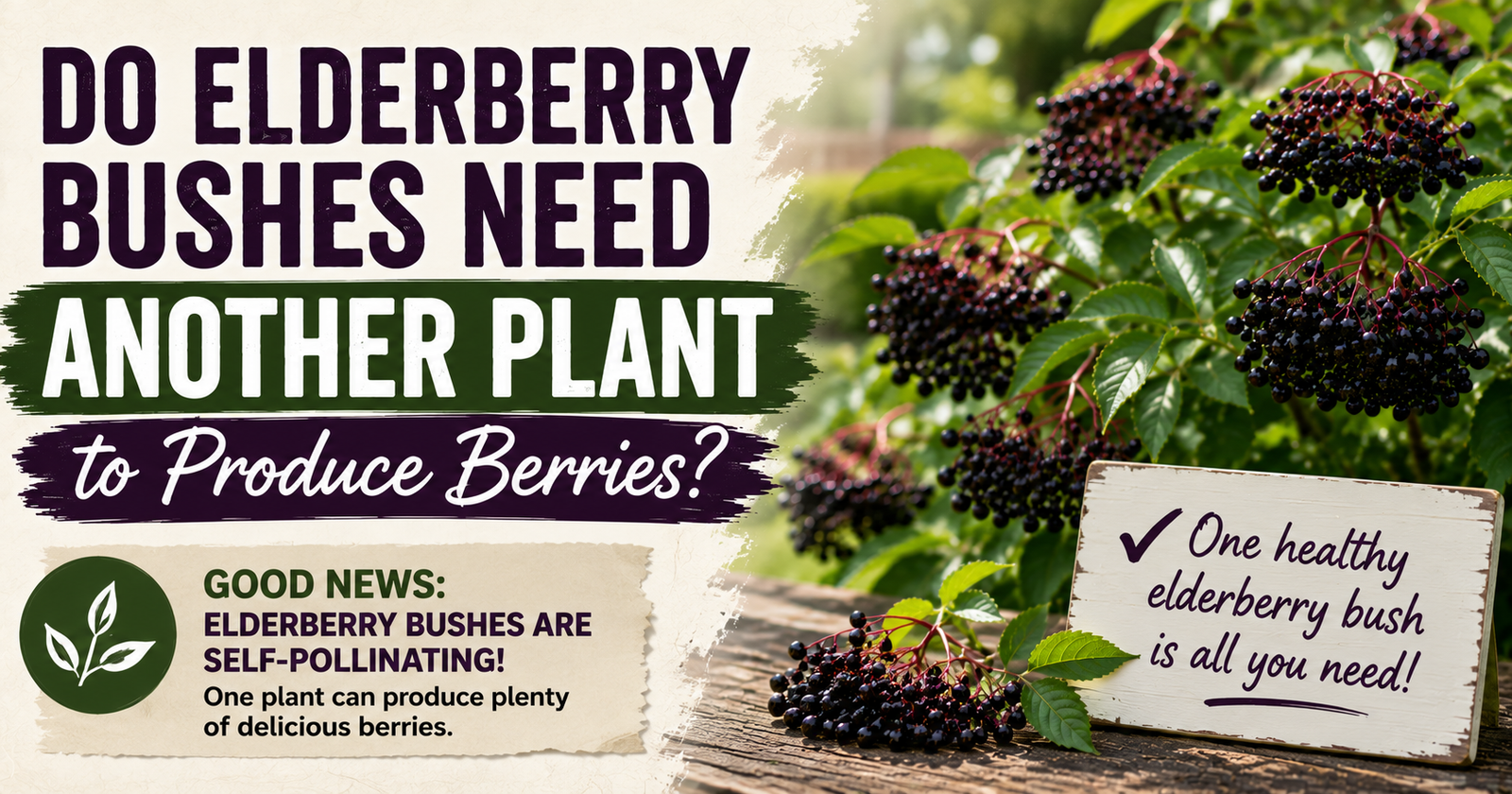
If you’ve never looked closely at how elderberries are pollinated, Do Elderberry Bushes Need Another Plant to Produce Berries? explains why adding a second compatible bush often improves berry production.
Could Insects Be Responsible?
Occasionally.
While elderberries are fairly resilient, insects can damage flowers, stems, or developing fruit.
Sometimes the damage is obvious.
Other times you’ll simply notice berries dropping without an immediately obvious explanation.
Whenever I notice unusual fruit drop, I spend a few minutes inspecting the clusters closely.
I look underneath the leaves.
I check the stems.
I look for chewing damage, tiny insects, or anything that seems unusual.
That careful inspection usually tells me much more than guessing ever could.
Fertilizer Isn’t Always The Answer
Whenever berries begin dropping, one of the first questions I hear is,
“Should I fertilize?”
Maybe.
Maybe not.
If your elderberry is already healthy and producing strong growth, adding more fertilizer may not help at all.
In fact, excessive nitrogen can encourage lush leafy growth at the expense of fruit production.
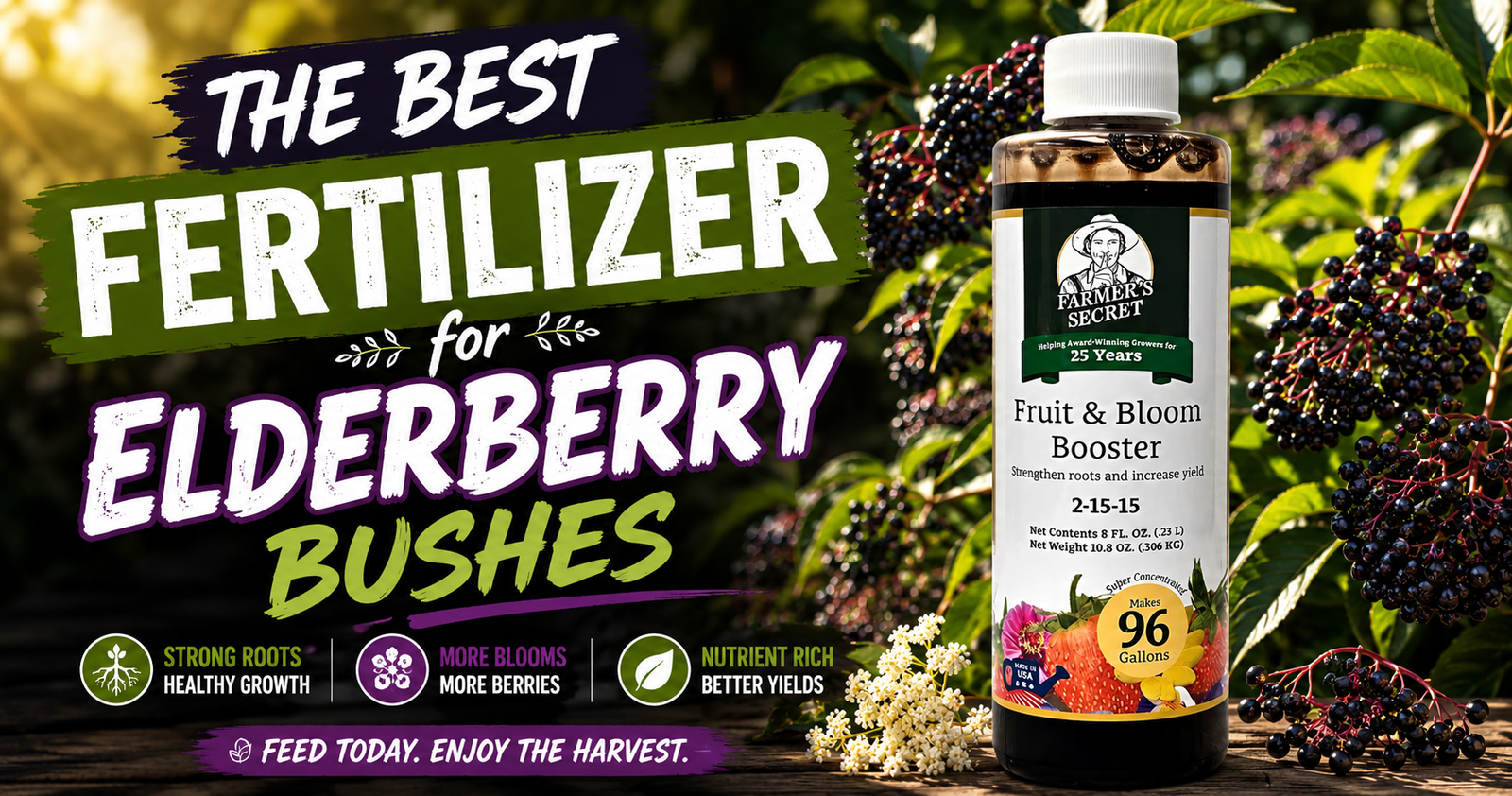
That’s why I recommend understanding what your bushes actually need before feeding them. If you’re unsure, my guide on Best Fertilizer for Elderberry Bushes That Actually Works explains the approach that’s worked best for me and why more fertilizer isn’t always better.
Pruning Plays A Bigger Role Than You Might Think
Healthy pruning isn’t just about making a bush look nice.
It also improves sunlight penetration and airflow throughout the plant.
Overcrowded bushes often experience more stress because the center receives less light and stays damp longer after rain.
That’s one reason I make pruning part of my yearly routine instead of waiting until the bushes become overgrown.
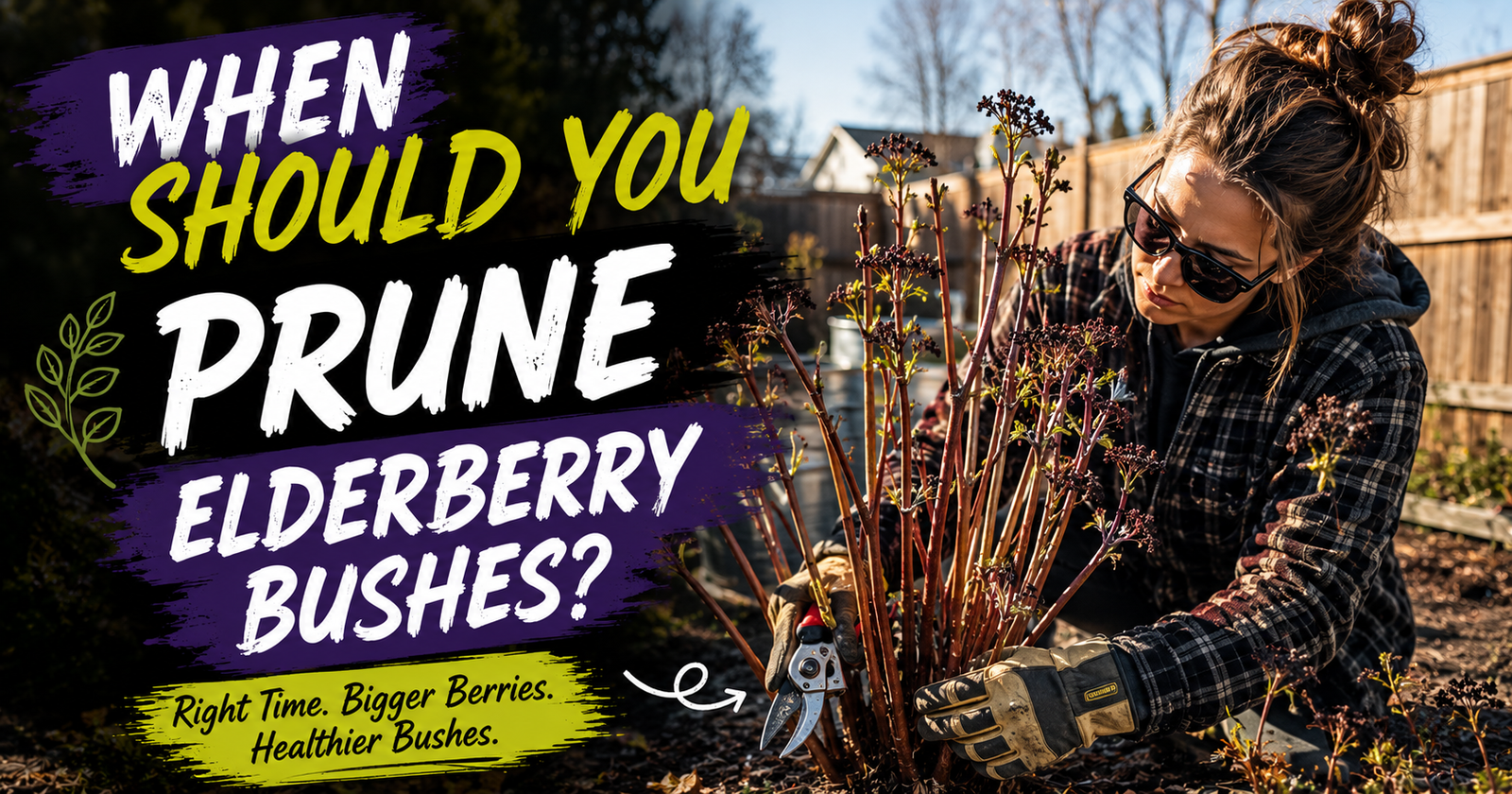
If you’re still unsure when or how to prune, my guide on When Should You Prune Elderberry Bushes? Here’s What Works walks through exactly how I approach each season.
Sometimes The Bush Is Simply Too Young
This surprises a lot of new growers.
Young elderberry bushes often behave differently than mature ones.
During the first couple of growing seasons, they’re putting enormous energy into establishing roots and producing strong new canes.
That means they sometimes abandon part of an early fruit set because they simply aren’t ready to support a heavy harvest yet.
It’s frustrating, but it’s also completely normal.
If your bushes are still young, don’t get discouraged.
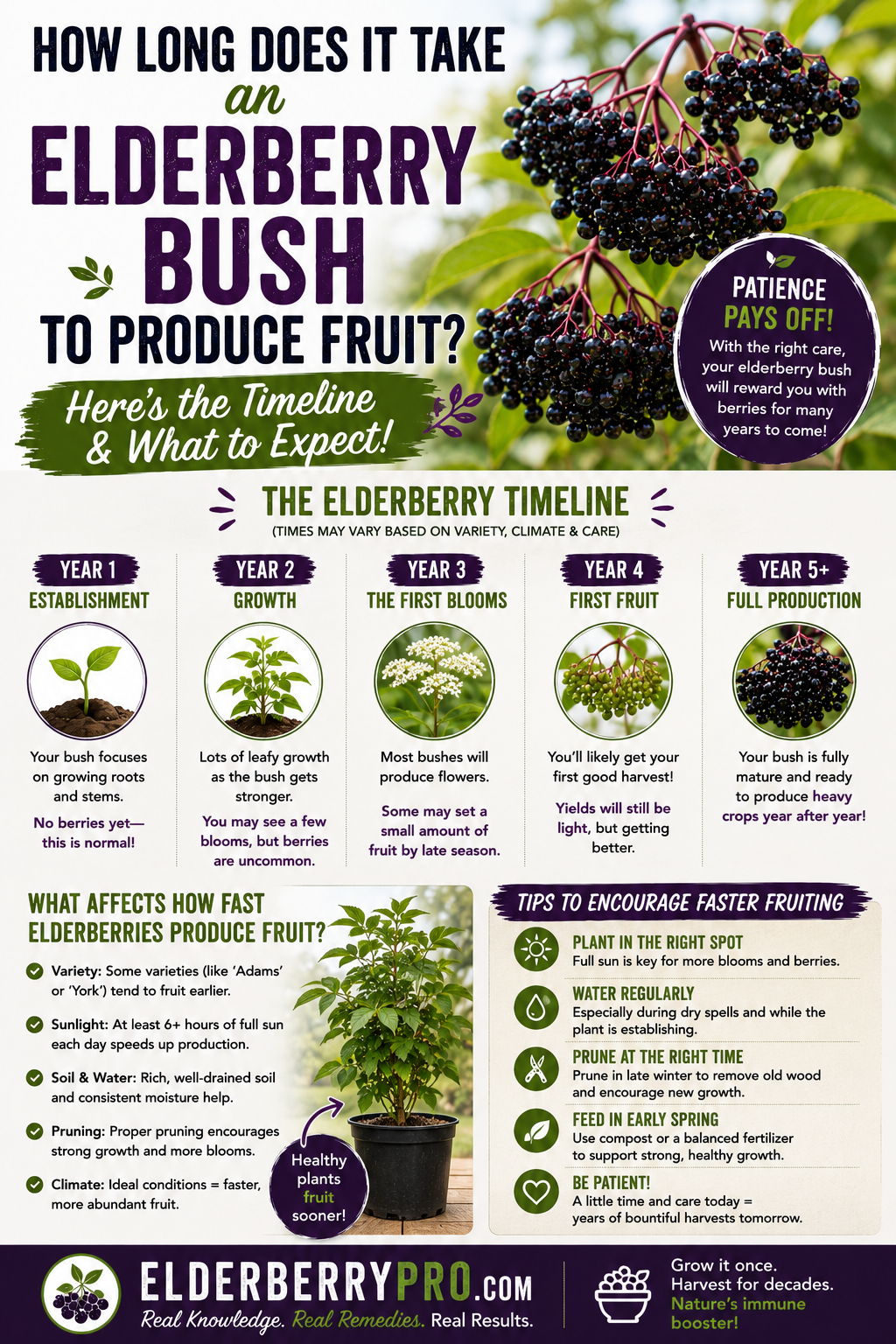
My article How Long Does It Take an Elderberry Bush to Produce Fruit? explains what a realistic production timeline looks like and why patience is often rewarded with much larger harvests in the years ahead.
Walk Your Elderberries Every Few Days
One habit that’s helped me more than almost anything else is simply spending a few minutes walking through my elderberry patch every few days.
I don’t always take tools.
Sometimes I don’t even touch the plants.
I just look.
Small changes become obvious when you see your bushes regularly.
A little berry drop.
A few yellow leaves.
Storm damage.
Bird activity.
New growth.
Those short walks have allowed me to catch problems early instead of wondering weeks later what went wrong.
The healthiest elderberry bushes usually aren’t owned by gardeners who know every answer.
They’re owned by gardeners who pay attention before little problems become big ones.
Questions I Get About Elderberries Falling Off The Bush
After talking with plenty of backyard gardeners, I’ve realized berry drop is one of those problems that makes everyone nervous. Fortunately, the answer usually isn’t as complicated as people expect.
Will The Bush Produce More Berries This Year?
Usually, no.
Once berries fall from the bush, they won’t grow back that same season.
That’s why it’s important to figure out why they dropped instead of simply hoping the plant will replace them.
The good news is that most of the common causes can be corrected before next year’s growing season.
Should I Pick The Remaining Berries Early?
Not necessarily.
If the remaining clusters look healthy and continue ripening normally, I usually leave them alone.
Harvesting too early often means giving up flavor, juice, and the deep color elderberries are known for.
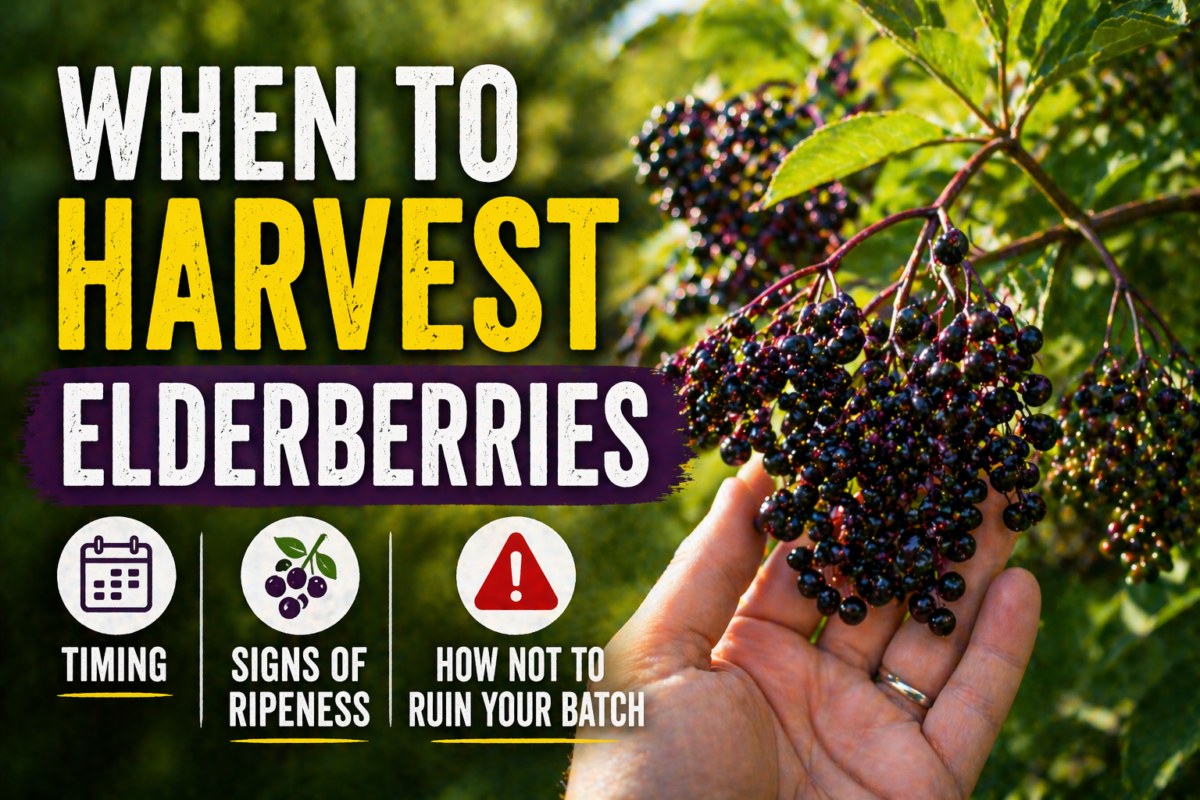
Instead, I keep a close eye on the bushes and harvest once the clusters have reached full ripeness. If you’re unsure exactly what that looks like, my guide on When to Harvest Elderberries walks through the signs I watch for every season.
Can Heavy Rain Cause Berries To Fall?
It certainly can.
After several days of heavy rain, berries may become heavier, stems may weaken slightly, and strong winds that follow storms can knock ripe fruit loose.
Fortunately, this type of berry loss is usually temporary and doesn’t mean your bush has a long-term problem.
Can I Stop Every Berry From Falling?
Probably not.
Even perfectly healthy elderberry bushes lose an occasional berry.
Nature isn’t aiming for perfection.
Your goal shouldn’t be preventing every single berry from dropping.
Your goal should be growing a healthy bush that consistently produces large, high-quality harvests year after year.
What I Do Once Harvest Finally Arrives
After waiting all season, I don’t like letting fresh elderberries sit around very long.
They’re at their absolute best shortly after harvest.

If I have enough time, I’ll usually make a fresh batch using my favorite elderberry syrup recipe made from fresh berries while everything is still incredibly fresh.
If life gets busy, I freeze the berries instead.
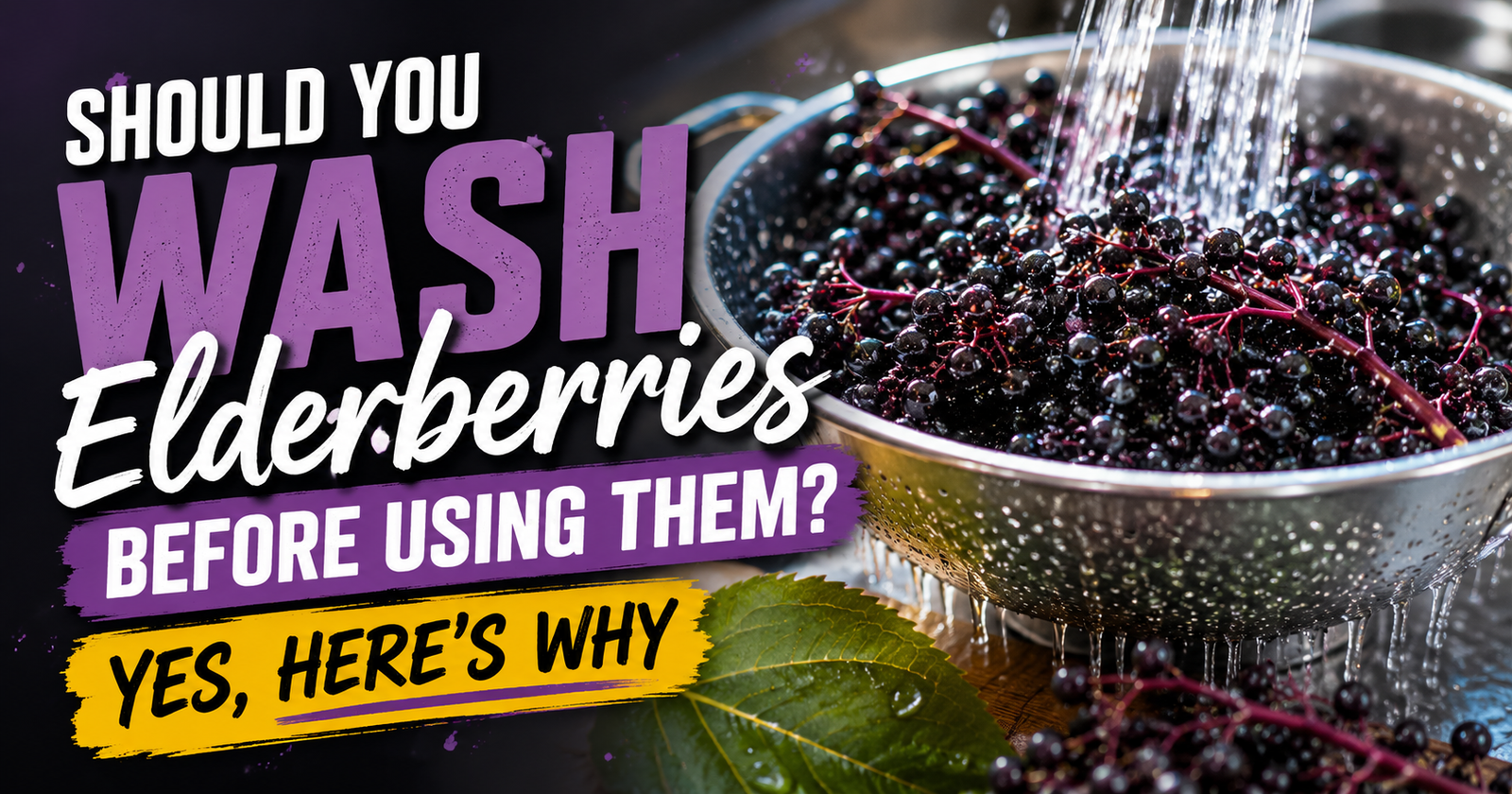
Before freezing, I always wash them carefully because they’re often carrying bits of stems, dust, or insects from the garden. My guide on why you should wash elderberries before using them explains exactly how I prepare mine before they ever reach the freezer.

Once the berries are dry, I vacuum seal them using the Bonsenkitchen Vacuum Sealer . It’s honestly become one of the most-used tools in my kitchen because it keeps elderberries tasting fresh for months while dramatically reducing freezer burn.
A Healthy Bush Usually Solves Most Problems
The longer I grow elderberries, the more I realize that healthy bushes solve many problems before they ever start.
Bushes planted in full sun.
Bushes with healthy soil.
Bushes that receive consistent moisture.
Bushes that are pruned every year.
Bushes with plenty of room to grow.
Those plants almost always outperform bushes that are constantly struggling.
That’s why I spend much more time preventing problems than trying to fix them later.
Healthy Bushes Hold Onto More Fruit
No elderberry bush keeps every single berry it produces.
Some natural fruit drop is perfectly normal.
The goal isn’t preventing every berry from falling.
The goal is giving the bush everything it needs to mature the vast majority of its crop successfully.
Consistent watering.
Good sunlight.
Healthy soil.
Proper nutrition.
Annual pruning.
Those simple practices have done more to reduce fruit loss in my own garden than any single product I’ve ever tried.

If you’re looking for a complete roadmap instead of solving one issue at a time, The Ultimate Guide to Growing Elderberries Successfully ties together every major aspect of growing healthier elderberries from planting through harvest.
Keep Building Your Elderberry Knowledge
Berry drop can be frustrating, but it’s usually just one piece of a much bigger picture. The more you understand how elderberries grow, the easier it becomes to recognize what’s normal and what deserves your attention.
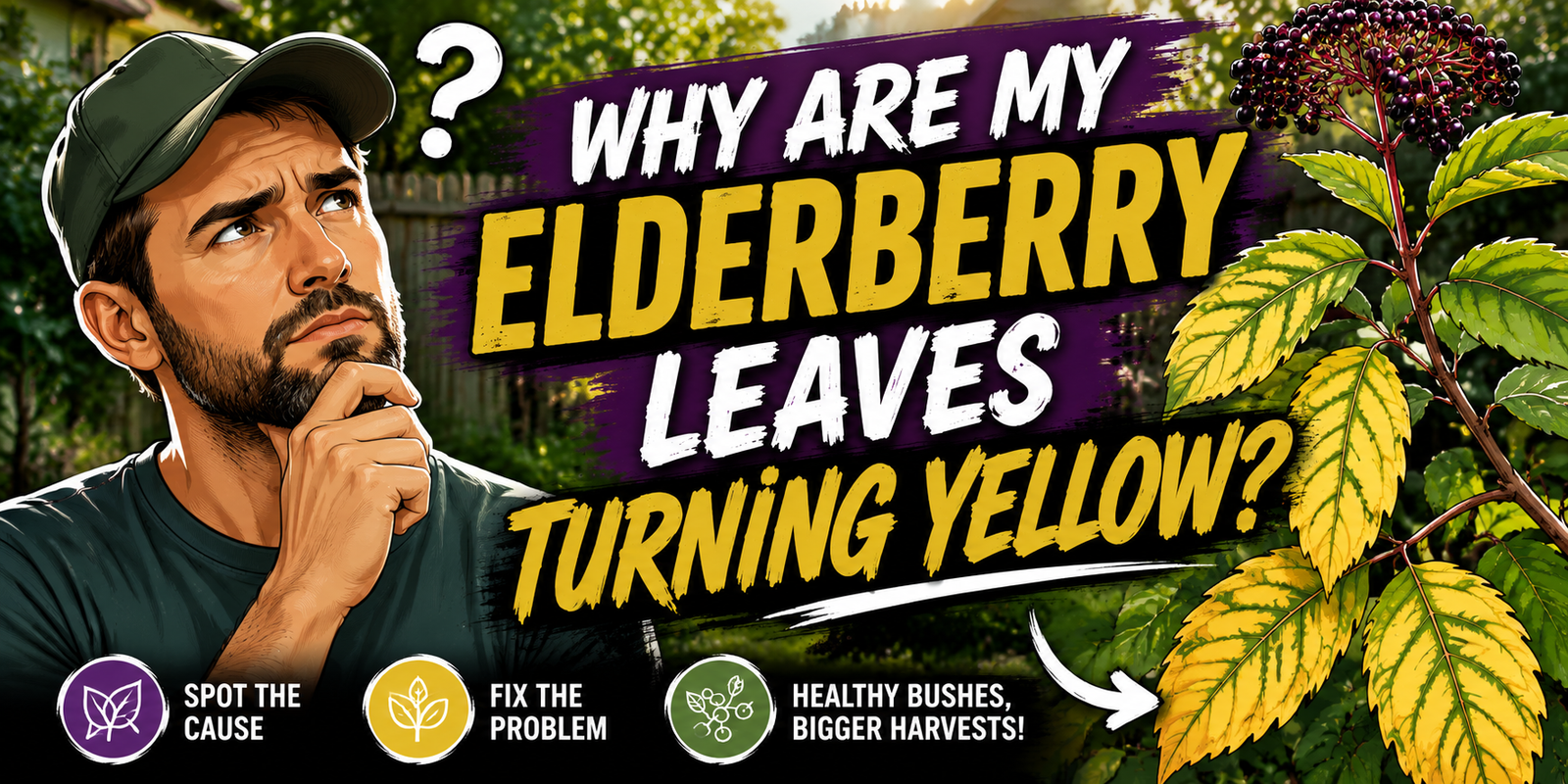
If you’re continuing to improve your elderberry patch, I’d also recommend reading Why Are My Elderberry Leaves Turning Yellow? if your bushes are showing signs of stress, Best Fertilizer for Elderberry Bushes That Actually Works to make sure you’re feeding them appropriately, and How Far Apart Should You Plant Elderberry Bushes? if you’re planning to expand your planting or start over with new bushes.
One thing I’ve learned after years of growing elderberries is that successful harvests rarely happen by accident.
They’re usually the result of dozens of good decisions made throughout the entire growing season.
The healthier your bushes become, the fewer berries you’ll find on the ground and the more you’ll find in your harvest bucket.
About the Author
Caleb Morgan
Caleb Morgan is a lifelong backyard gardener, native fruit grower, and elderberry enthusiast who enjoys helping home gardeners grow healthier, more productive plants. Through Elderberry Pro, he shares practical growing advice, honest product recommendations, and real-world experience to help readers enjoy bigger harvests and avoid common gardening mistakes.