
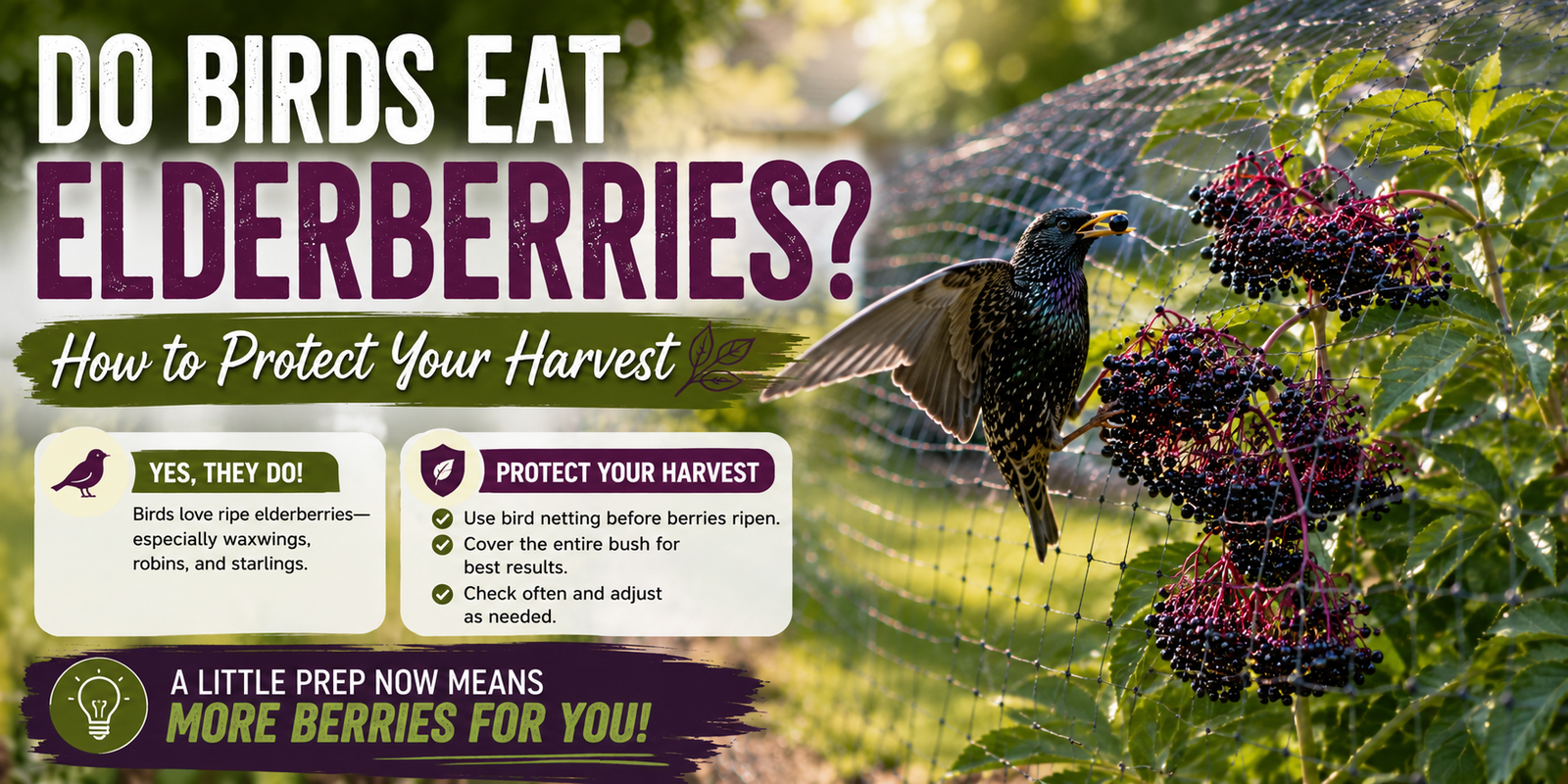
The first year my elderberry bushes produced a truly impressive crop, I made one big mistake.
I waited.
The berries looked almost perfect, but I kept telling myself I’d give them another day or two before harvesting.
When I walked outside that weekend, I couldn’t believe what I saw.
Entire berry clusters looked half empty.
There were berries scattered on the ground, birds flying in and out of the bushes, and a harvest that suddenly looked much smaller than it had only a couple of days earlier.
That experience taught me something every elderberry grower eventually learns.
You’re not the only one watching those berries ripen.
Birds know exactly when elderberries are ready, and if you don’t protect your bushes, they’ll happily enjoy the harvest before you do.
Yes, Birds Absolutely Eat Elderberries
The short answer is yes.
In fact, ripe elderberries are one of the favorite late-summer foods for many wild birds.
As the berries become darker, softer, and sweeter, they become much more attractive than they were only a week earlier.
Some birds eat just a few berries before flying away.
Others arrive in groups and can strip a productive bush surprisingly fast.
If you’ve ever wondered why your elderberry crop seemed to disappear overnight, birds are one of the first things I’d investigate.

Which Birds Love Elderberries?
Depending on where you live, you may see several different species visiting your bushes.
Some of the most common include:
- Cedar waxwings
- American robins
- Bluebirds
- Northern mockingbirds
- Gray catbirds
- European starlings
- Various thrushes
Cedar waxwings are especially well known for finding elderberries almost as soon as they’re ripe.
Once a flock discovers your bushes, they often return day after day until very little fruit remains.
Waiting Until Birds Arrive Is Usually Too Late
One mistake I made early on was waiting until I actually saw birds eating my elderberries before doing anything about it.
By that point, they had already figured out exactly where an easy meal was waiting.
Once birds discover ripe elderberries, they’ll often return several times a day until the crop is gone.
Now I try to stay one step ahead.
As soon as the berries begin changing color and approaching maturity, I start thinking about protection instead of waiting for the first signs of damage.
Planning ahead has saved far more fruit than reacting afterward ever did.
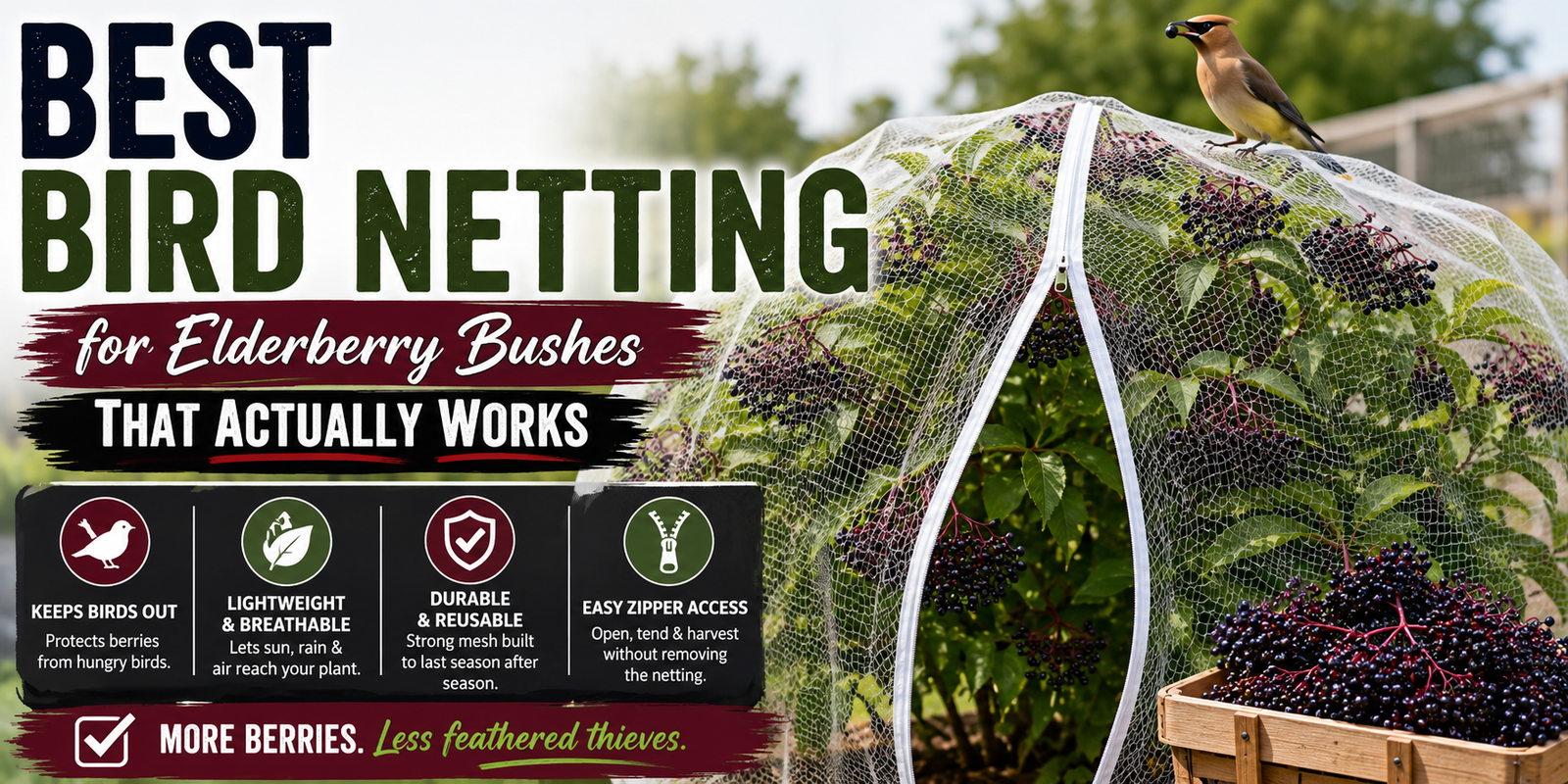
If you’re looking for the protection method that’s worked best for me, Best Bird Netting for Elderberry Bushes That Actually Works explains exactly why I chose that style of netting and how I use it each season.
Birds Usually Beat You To The Harvest
One thing I’ve noticed over the years is that birds seem to recognize ripe elderberries before I do.
I’ll walk past my bushes thinking they probably need another few days.
Meanwhile, the birds have already decided breakfast is ready.
That’s why I don’t wait for every single berry on every cluster to become perfectly ripe anymore.
Instead, I start harvesting once most of the berries have reached full color and the clusters are mature.
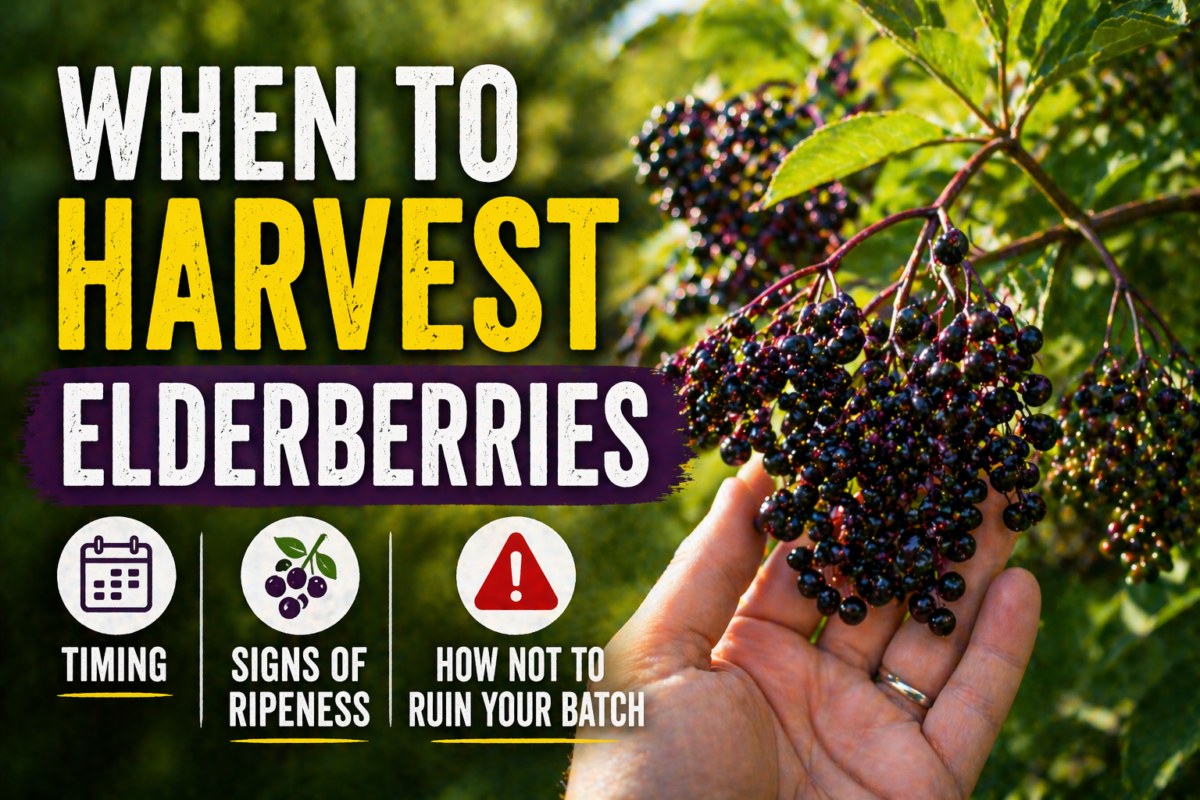
If you’re still learning exactly when that happens, When to Harvest Elderberries explains the signs I look for every season so I don’t lose unnecessary fruit.
The Best Way I’ve Found To Protect Elderberries
Over the years I’ve experimented with reflective tape, fake owls, wind chimes, and several homemade bird deterrents.
Some worked…
For a few days.
Then the birds figured them out.
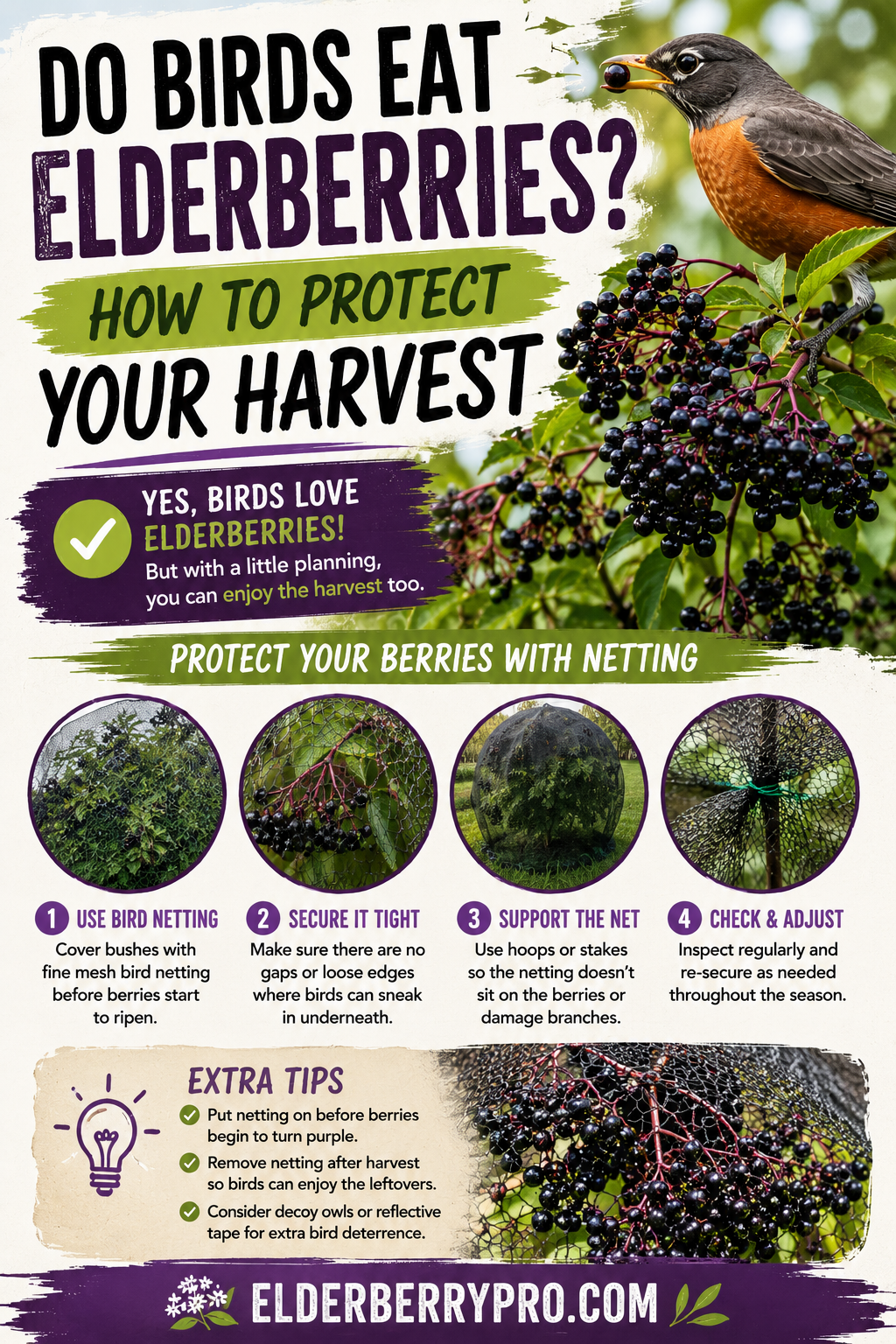
The solution that’s consistently worked best for me is simply creating a physical barrier between the birds and the berries.
I’ve been impressed with these fruit tree netting bags with built-in zipper and drawstring because they’re incredibly easy to slip over individual berry clusters or smaller bushes. The zipper makes installation much simpler than wrestling with large rolls of netting, and the fine mesh keeps birds out while still allowing sunlight and airflow to reach the fruit. Instead of covering an entire planting, I can protect the clusters that are closest to being harvested.
For backyard growers, it’s one of the easiest ways I’ve found to save a surprisingly large portion of the crop without making harvest more difficult.
Don’t Wait Until The Birds Arrive
One mistake I only made once was waiting until birds had already discovered the berries.
By then, I’d already lost part of the harvest.
Now I install protection just before the berries reach full ripeness.
It’s much easier to prevent bird damage than it is to stop it after the birds have established your bushes as one of their favorite feeding spots.

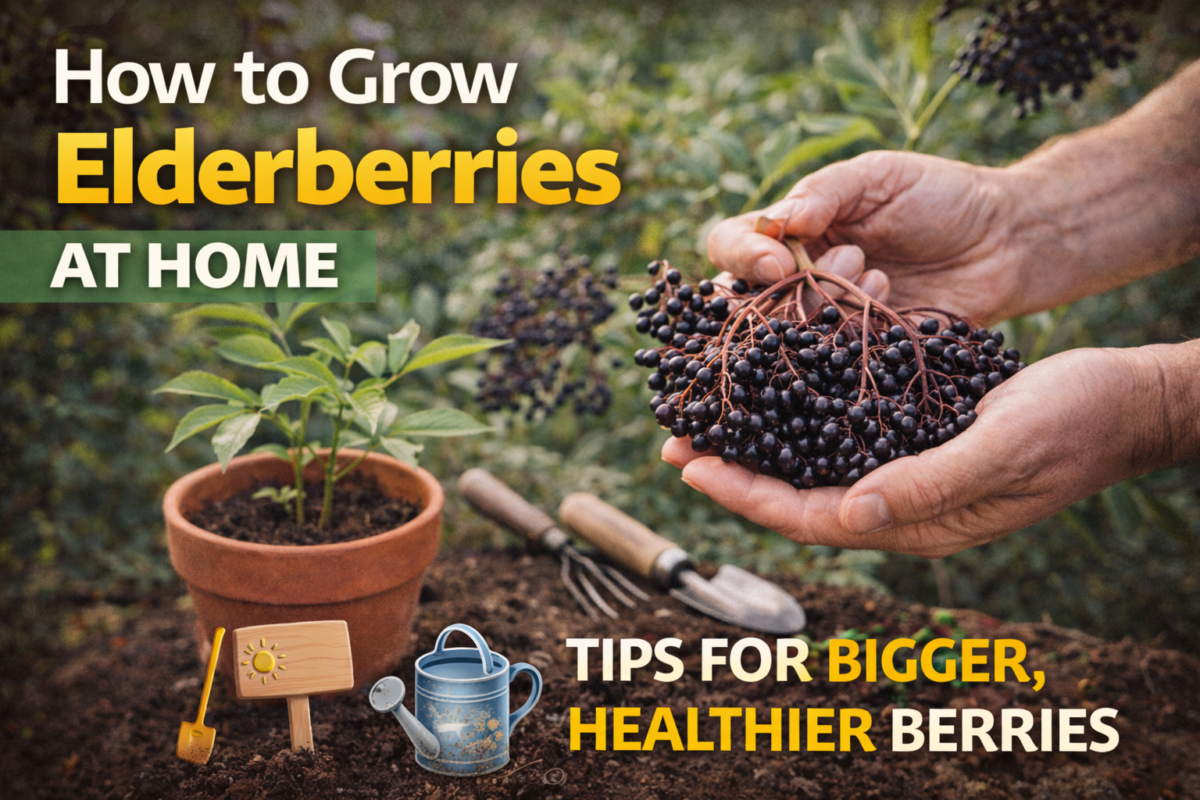
Healthy Bushes Produce Bigger Harvests
Bird protection helps, but it can’t replace healthy growing practices.
The more berries your bushes produce, the less frustrating it is when wildlife enjoys a small share of the crop.
That’s why I spend the rest of the year focusing on healthy plants.
Good sunlight.
Consistent watering.
Annual pruning.
Proper spacing.
Healthy soil.
Those habits usually produce far more berries than any bird deterrent ever could.

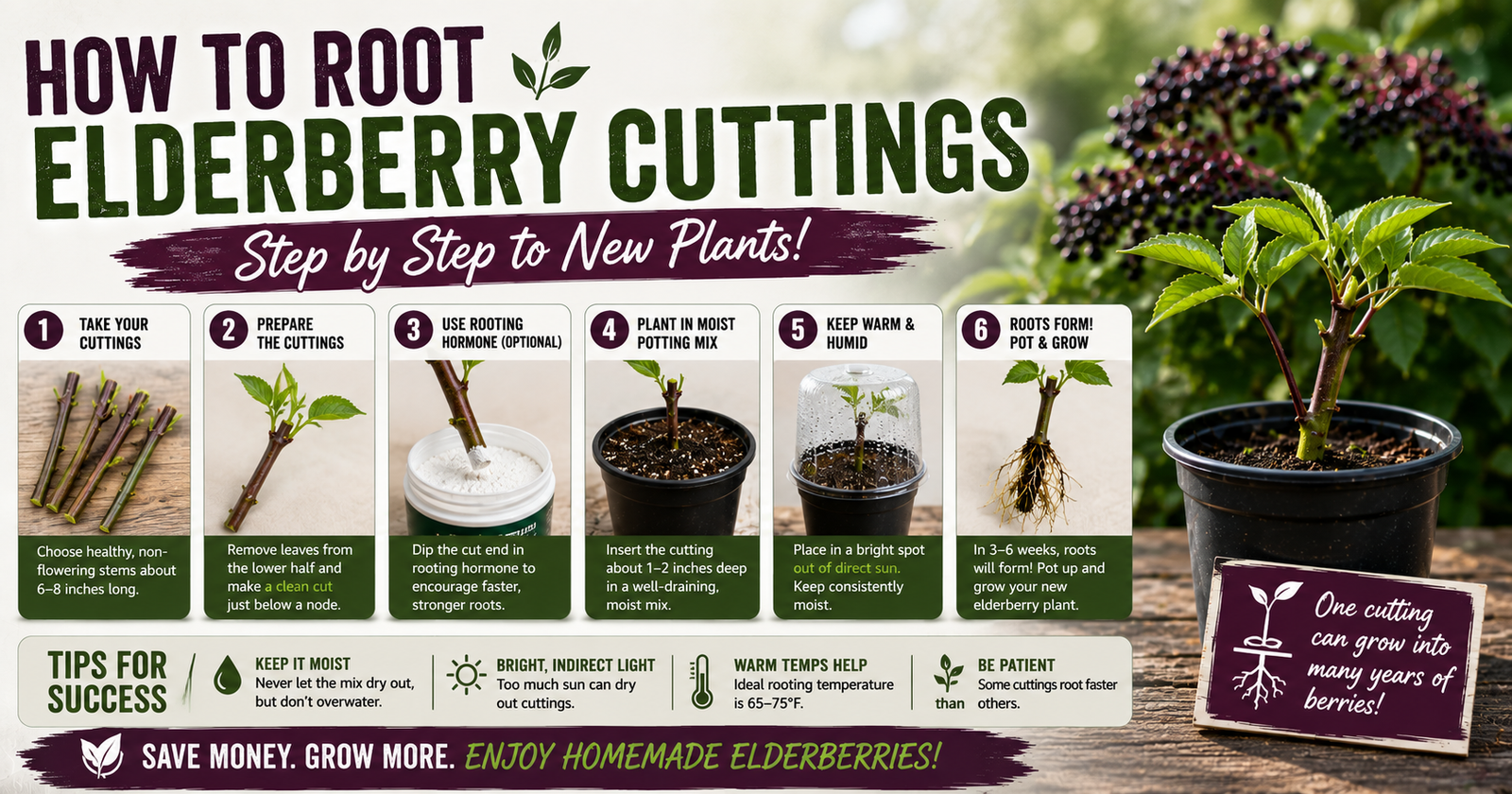
If you’re still building your elderberry patch, I’ve had excellent success recommending the Live American Elderberry Plants from Weaver Family Farms Nursery because vigorous plants establish quickly and reward good care with larger harvests over time. Their elderberry growing guide is also full of practical tips that help growers build healthier bushes from the very beginning.
Birds Aren’t The Only Animals Interested
Once berries begin ripening, birds usually get most of the blame, but they’re not always the only visitors.
Squirrels occasionally sample ripe clusters, and other wildlife may investigate if food is scarce.
Even so, birds are almost always responsible for the biggest losses.
That’s why I focus on protecting the berries from above first before worrying about anything else.

Harvest As Soon As The Berries Are Ready
One lesson I’ve learned is that waiting for “perfect” berries usually works in the birds’ favor.
Once the majority of berries on a cluster have turned their deep purple-black color, I don’t wait much longer.
Every extra day gives birds another opportunity to help themselves.
Harvesting promptly has probably saved more berries than any scare device I’ve ever tried.
If you’re unsure whether your berries are actually ready, don’t guess. When to Harvest Elderberries shows exactly what I look for before cutting a cluster from the bush.
Plant Enough To Share
One thing I’ve realized over the years is that growing only one elderberry bush puts a lot of pressure on that single harvest.
If birds eat 20 percent of the crop, it feels like a huge loss.
Once you have several healthy bushes producing at the same time, losing a small portion becomes much less frustrating.
That’s one reason I often encourage gardeners who have the space to plant more than one bush. Besides improving pollination, multiple plants usually mean a much larger overall harvest.
If you’re thinking about expanding your planting, the Live American Elderberry Plants from Weaver Family Farms Nursery have been an excellent option in my experience. Healthy plants establish quickly and give you a much better chance of producing enough berries for your family while still leaving a few behind for the wildlife.



Healthy Bushes Recover Better
Birds eating berries rarely hurts the long-term health of the bush itself.
A healthy elderberry will simply grow again next season.
That’s why I spend much more time keeping the plants healthy than worrying about chasing every bird away.
Proper watering, annual pruning, good spacing, and healthy soil all contribute to stronger bushes that produce heavier crops year after year.
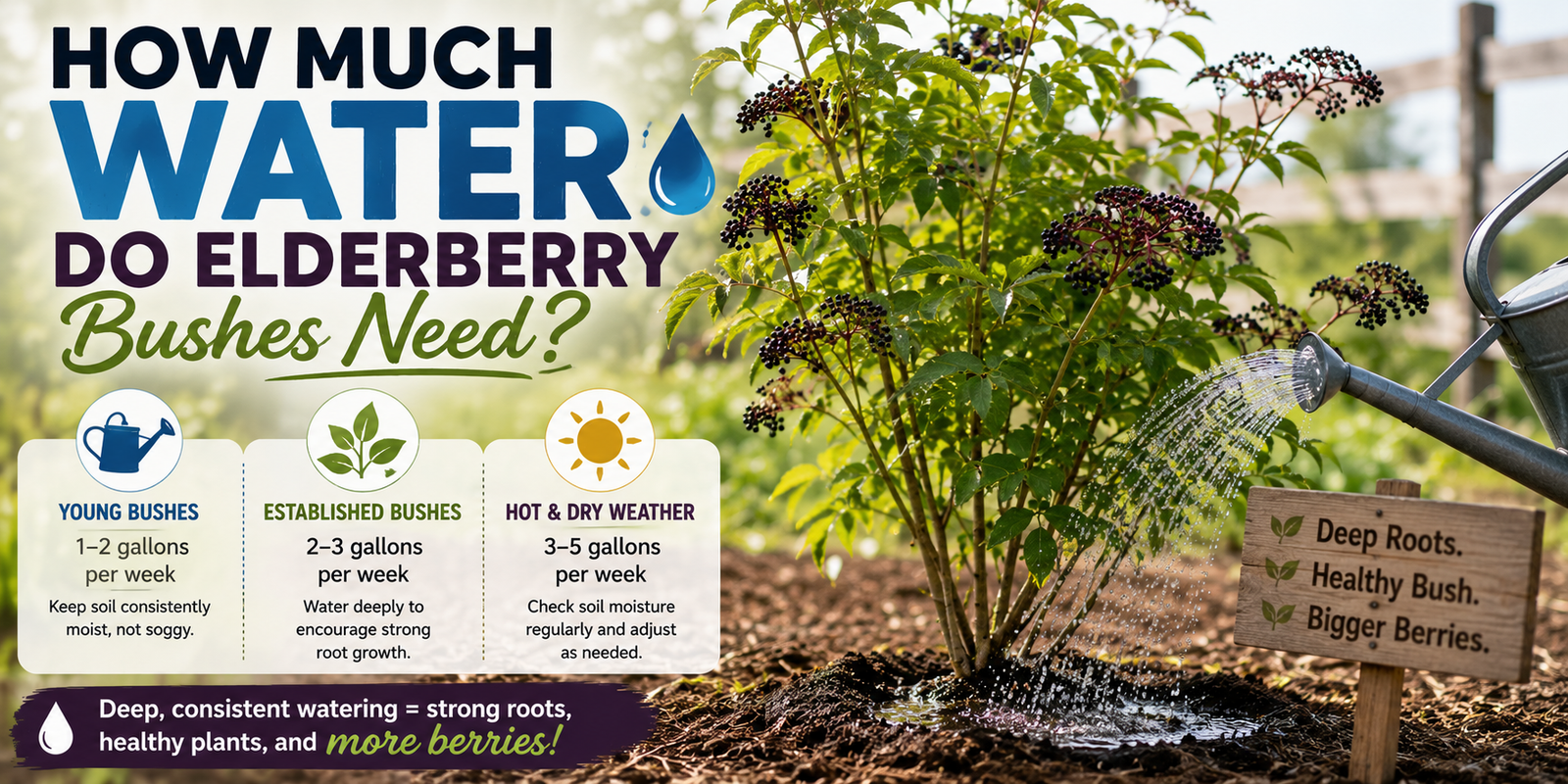
If your plants seem stressed before birds ever become an issue, How Much Water Do Elderberry Bushes Need? and Why Are My Elderberry Leaves Turning Yellow? are two guides I’d recommend reading first.
What I Do After Harvest
Once I’ve picked my berries, I don’t let them sit around very long.
Fresh elderberries don’t stay at peak quality for many days.
I wash them carefully, remove as much of the stem material as possible, and either use them immediately or preserve them for later.
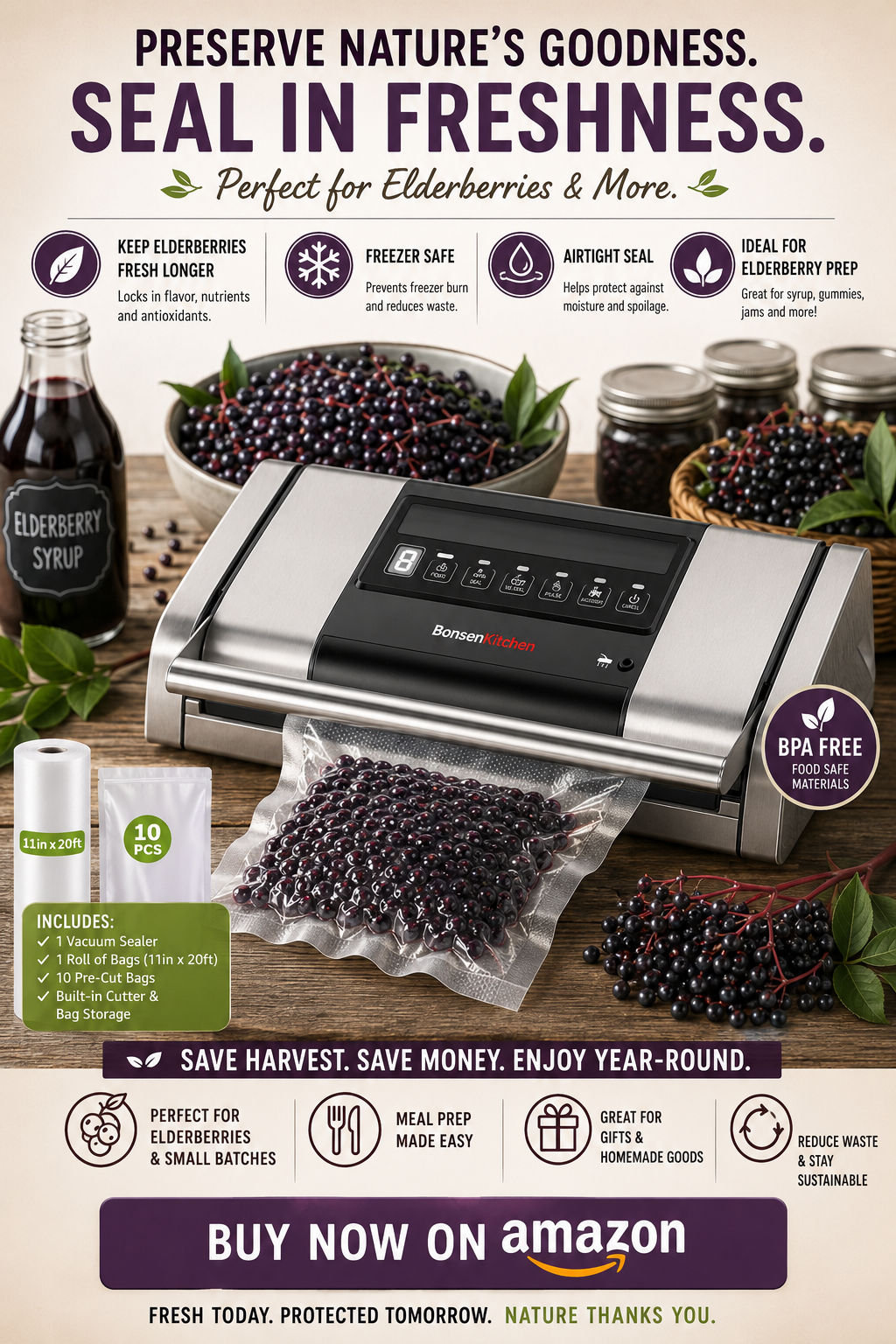
If I’m freezing part of the harvest, I like sealing them in freezer bags using my Bonsenkitchen Vacuum Sealer . Vacuum sealing has dramatically reduced freezer burn for me, and the berries taste much fresher months later when I’m ready to make syrup, jelly, or wine.
Questions I Get About Birds And Elderberries
Will Birds Eat Green Elderberries?
Usually no.
Most birds wait until the berries begin ripening and become much sweeter.
That’s why bird activity often increases very suddenly over just a few days.
Should I Feed The Birds Instead?
Some gardeners plant extra berry-producing shrubs specifically for wildlife, and that’s certainly one option.
Personally, I’d rather protect my elderberries and let birds enjoy the many other natural food sources around my property.
Everyone has a different balance they’re comfortable with.
Do Fake Owls Really Work?
Sometimes…
For a little while.
I’ve found that birds quickly learn when a fake owl never moves.
If you’re relying on visual scare devices, you’ll need to move them frequently to keep them somewhat effective.
Even then, I’ve had much better long-term success with physical netting.
Protecting Your Harvest Is Worth The Effort
After waiting months for elderberries to ripen, it’s disappointing to watch birds enjoy the harvest before you do.
Fortunately, preventing major losses usually isn’t difficult.
Harvest on time.
Protect ripening clusters with quality netting.
Keep your bushes healthy throughout the growing season.
Those three habits have made the biggest difference for me.
Healthy Bushes Deserve A Chance To Produce A Full Harvest
Growing elderberries takes time.
You spend months watering, pruning, fertilizing, and caring for the bushes long before the berries ever ripen.
That’s why it can be incredibly frustrating to lose most of the crop during the final week before harvest.
Protecting the berries isn’t about fighting nature.
It’s about making sure all of that work actually results in fruit you can enjoy yourself.
The healthier and more productive your bushes become, the more worthwhile it becomes to protect each year’s harvest.
Keep Learning As Your Elderberries Mature
Birds are just one challenge you’ll eventually face as your elderberry bushes become more productive. If you’re continuing to build your knowledge, I’d also recommend reading Why Are My Elderberries Falling Off the Bush? if you’re losing fruit before harvest, How Much Water Do Elderberry Bushes Need? to keep your bushes healthy during hot weather, and When Should You Prune Elderberry Bushes? Here’s What Works to encourage vigorous growth and larger future harvests.
The better care you give your elderberries throughout the year, the easier it becomes to stay ahead of birds and enjoy the harvest you’ve been waiting for.
About the Author
Caleb Morgan
Caleb Morgan is a lifelong backyard fruit grower and gardening writer who enjoys helping home gardeners grow healthier elderberries and harvest more of what they produce. Through Elderberry Pro, he shares practical growing advice, real-world product recommendations, and years of hands-on experience raising productive berry plants.