
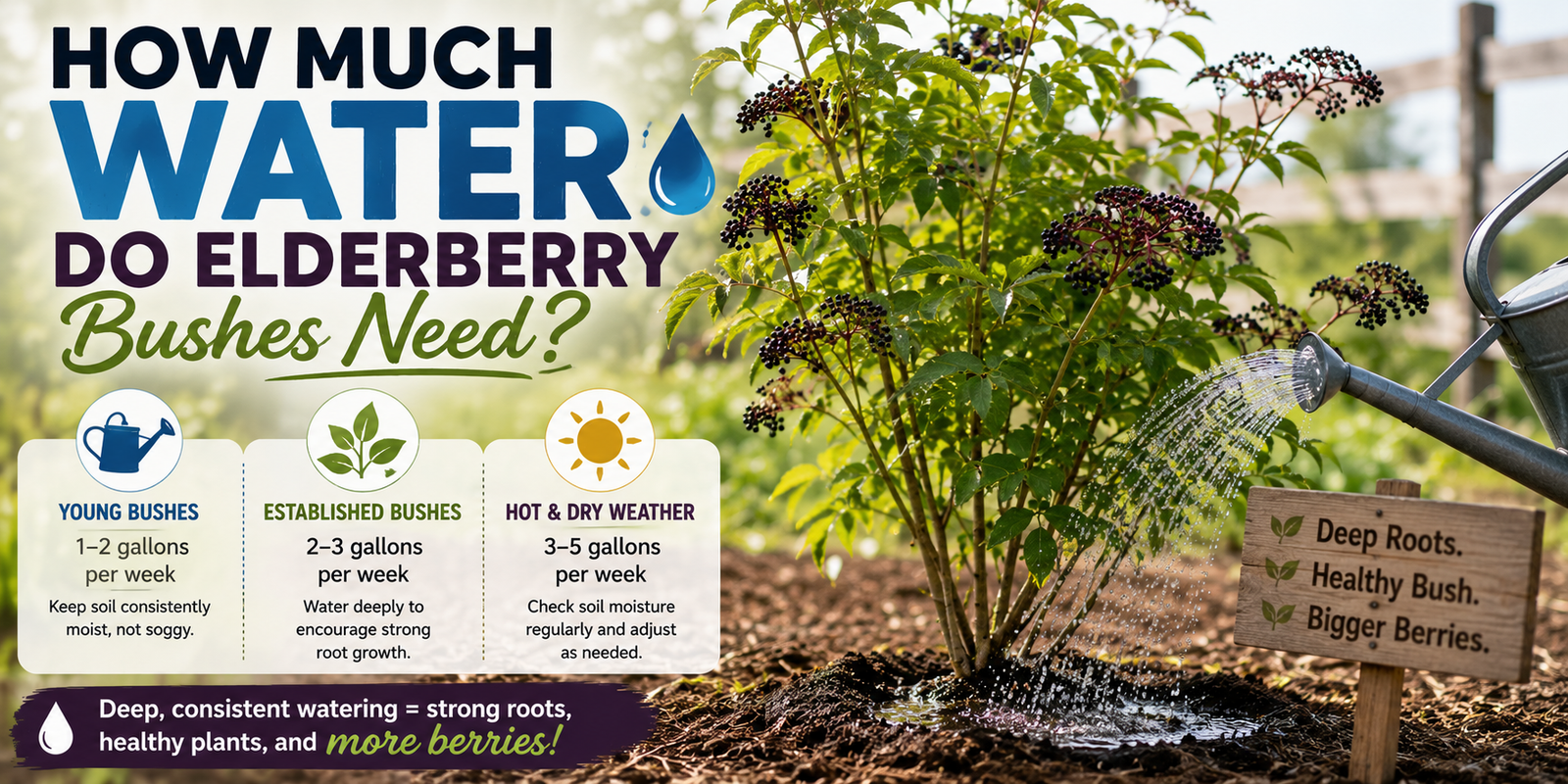
If I had to pick one mistake I see more than almost any other when people start growing elderberries, it would probably be watering.
Not because people don’t care.
Because they care too much.
The first time I planted elderberries, I was convinced they needed water almost every day.
After all, everyone says elderberries love moisture.
So I kept watering.
And watering.
Eventually I realized something.
There’s a huge difference between moist soil and constantly soaked soil.
Once I learned that difference, my elderberries became healthier, grew faster, and produced much better harvests.
If you’re wondering how much water elderberry bushes actually need, here’s what I’ve learned after growing them for years.
Elderberries Like Consistent Moisture
One thing that makes elderberries different from many fruiting shrubs is that they naturally enjoy soil that stays consistently moist.
Notice I didn’t say wet.
There’s an important difference.
Healthy elderberries appreciate steady access to water, especially during active growth and fruit production.
What they don’t enjoy is sitting in standing water where the roots can’t get enough oxygen.

That’s why good drainage matters just as much as watering itself. Drainage is one part of the larger site-selection process described in How to Grow Elderberries at Home (What Nobody Tells You Before You Plant).
I always aim for soil that’s evenly moist a few inches below the surface instead of constantly muddy.
Newly Planted Elderberries Need More Attention
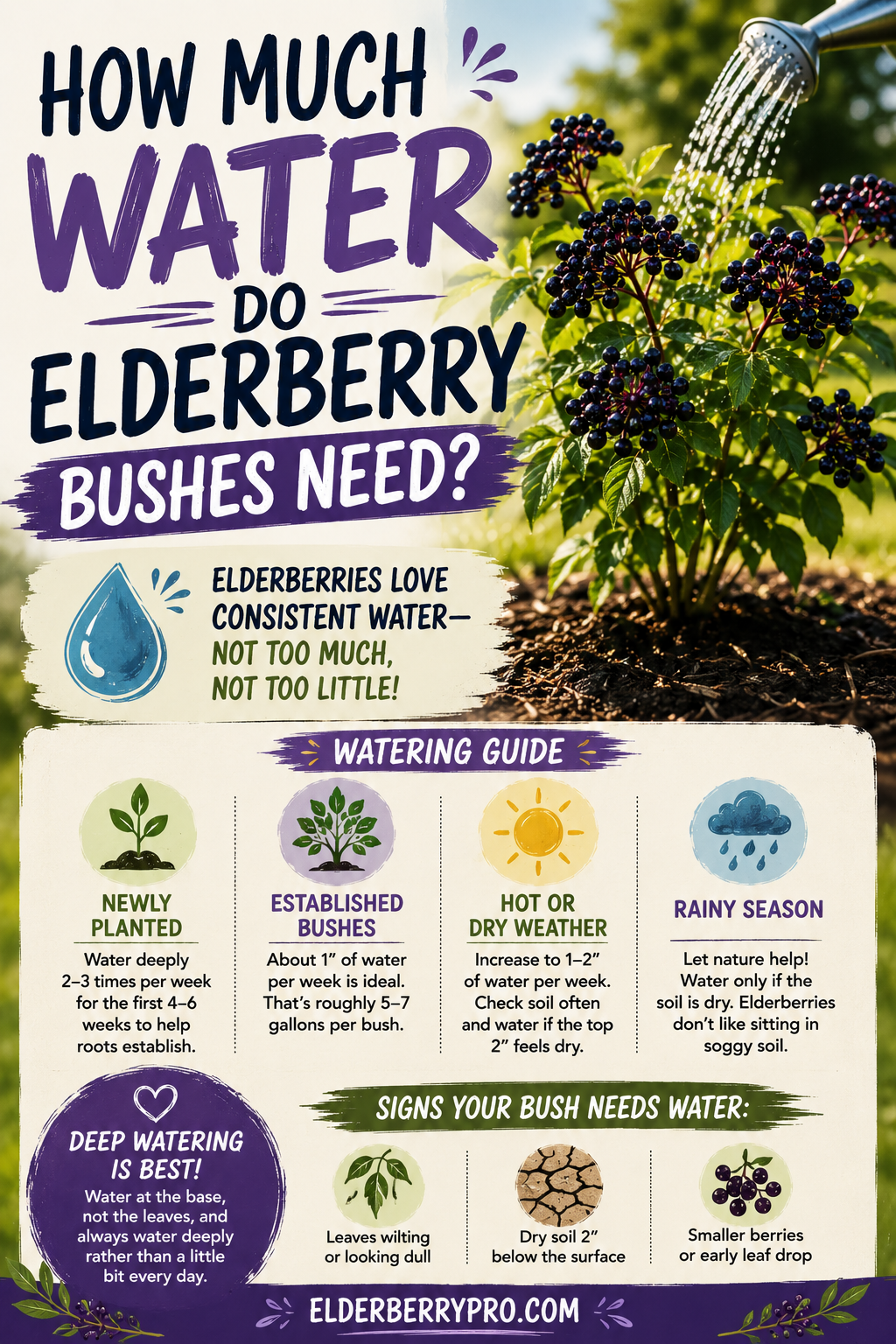
The first year is when watering matters most.
A newly planted elderberry doesn’t have an extensive root system yet.
It can’t reach deep into the soil looking for moisture.
That means you’re responsible for helping it become established.
Whenever I plant a new elderberry, I check the soil much more often than I do around mature bushes.
I’m not watering because the calendar says it’s Tuesday.
I’m watering because the soil actually needs it.
That simple change has prevented far more problems than following a strict watering schedule ever did.


Mature Bushes Become Much More Forgiving
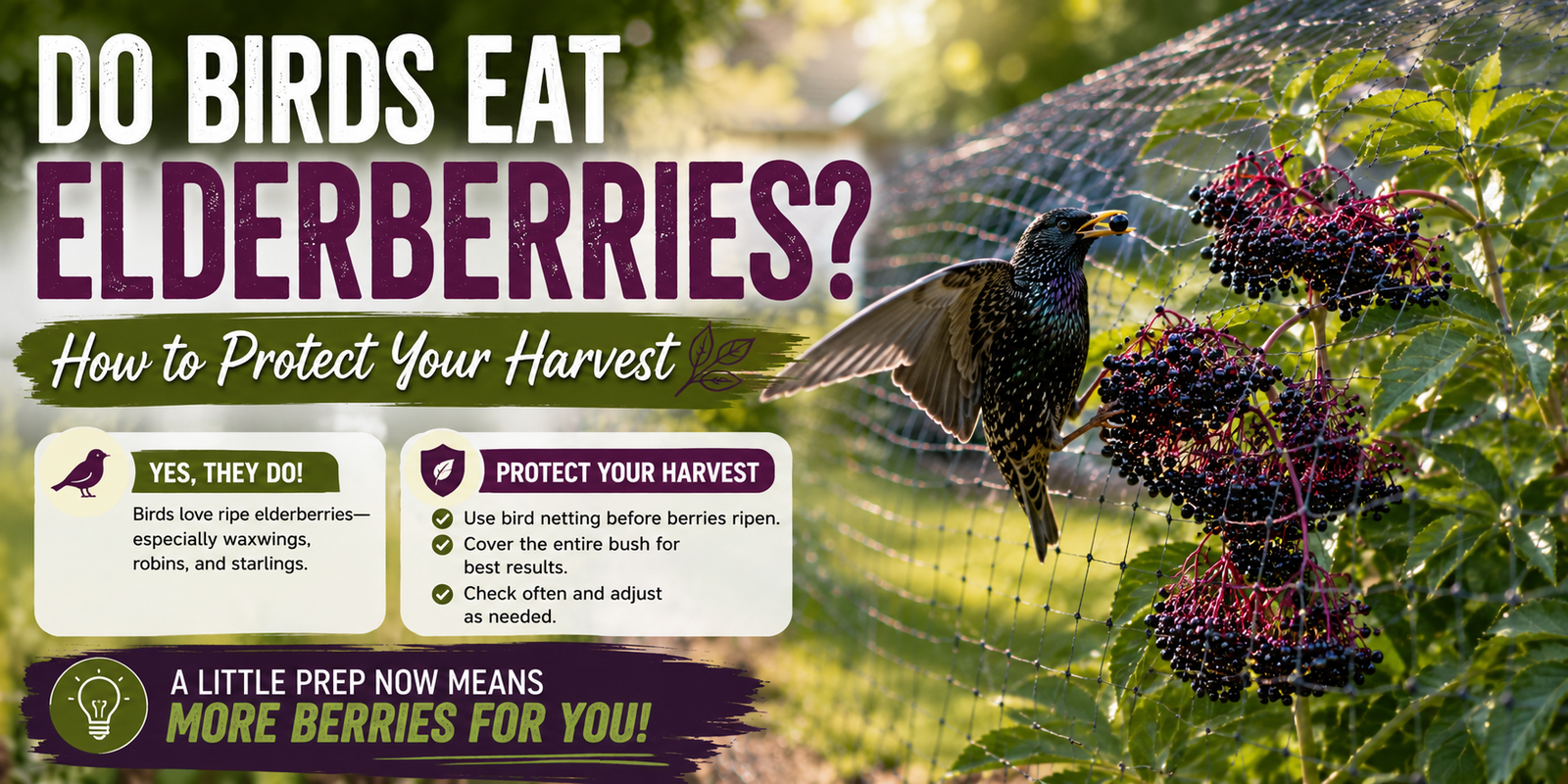
One thing I love about established elderberries is how much tougher they become.
After several growing seasons, healthy bushes develop impressive root systems.
They can tolerate short dry periods much better than young plants.
That doesn’t mean they never need watering.
It simply means they aren’t as dependent on me every few days.
During long stretches of hot, dry weather, I’ll still give mature bushes a deep soaking rather than several light waterings throughout the week.
I’ve found deep watering encourages stronger roots than frequent shallow watering.
Watering Plays A Bigger Role Than Most People Think
One thing I’ve realized after growing elderberries for several years is that watering affects almost every other part of the plant.
Consistent moisture encourages vigorous new canes.
Healthy leaves stay greener longer.
Flowers develop more reliably.
Berries fill out better.
Even the plant’s ability to recover after pruning improves when it’s not constantly dealing with drought stress.
That doesn’t mean elderberries should stay soaking wet.
Quite the opposite.
The goal is giving the roots consistent moisture while still allowing plenty of oxygen to reach them.
Finding that balance has probably improved my elderberries more than any single change I’ve made over the years.

The Soil Tells You More Than The Leaves
When I first started gardening, I looked at the leaves every time I wondered whether a plant needed water.
Now I look at the soil first.
Leaves can droop for several different reasons.
The soil tells the real story.
I’ll usually push my finger a couple inches into the ground.
If it still feels evenly moist, I leave the hose where it is.
If it’s becoming dry several inches down, that’s when I start thinking about watering.
That quick check has saved me from overwatering countless times.
Too Much Water Can Look Like Too Little Water
This confused me for years.
An overwatered elderberry can actually look thirsty.
Leaves may droop.
Growth may slow.
Some leaves may even begin turning yellow.
The natural reaction is to water even more.
Unfortunately, that often makes the problem worse.
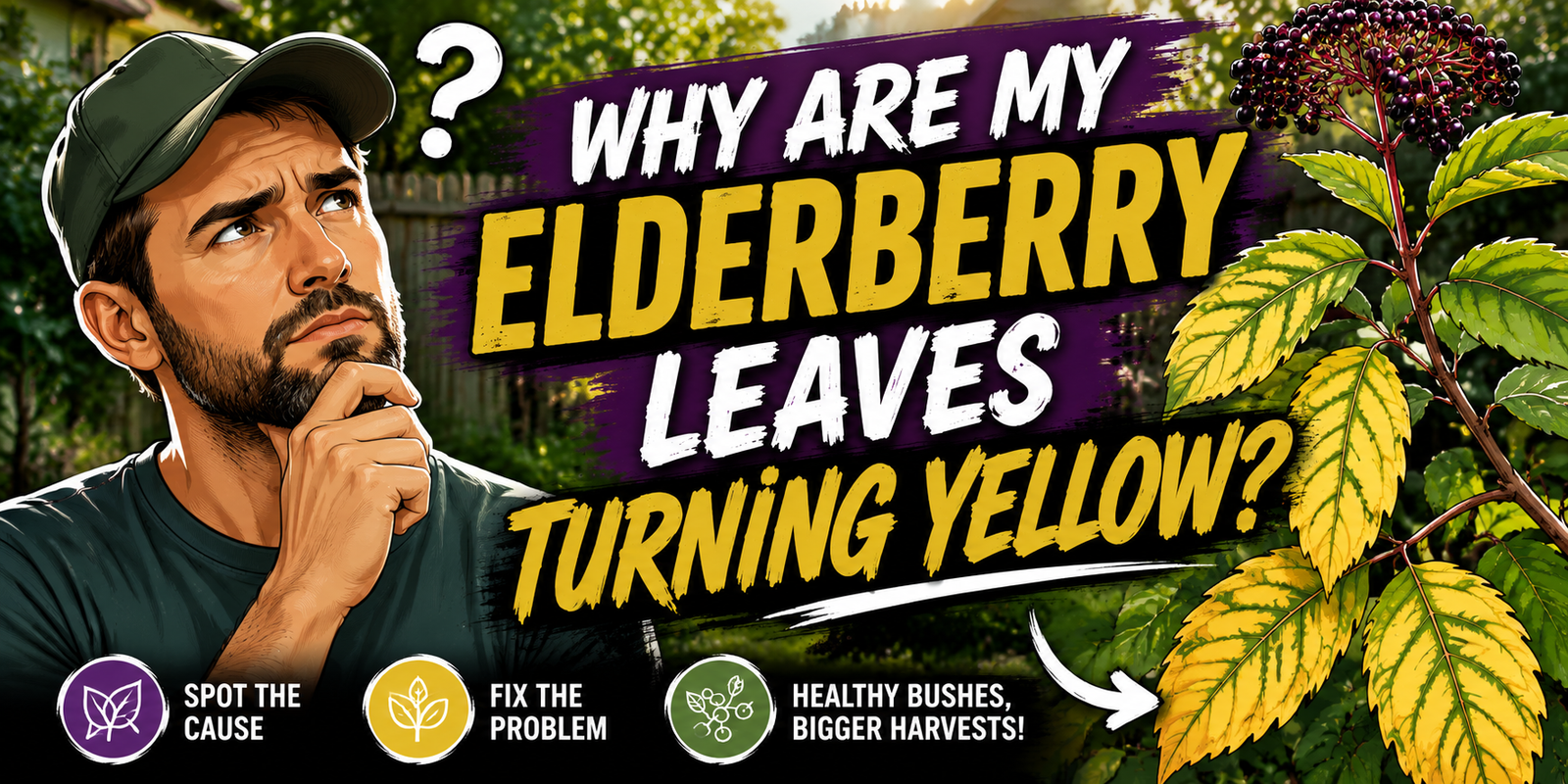
If you’ve noticed yellowing foliage recently, don’t automatically assume drought is the cause. My guide on Why Are My Elderberry Leaves Turning Yellow? walks through several possible reasons, including overwatering, poor drainage, nutrient issues, and normal seasonal changes.


Mulch Is One Of The Best Watering Tools You Can Buy
People often ask me how often I water my elderberries.
My answer surprises them.
I spend more time mulching than watering.
A generous layer of organic mulch helps:
- Slow evaporation.
- Keep the soil cooler.
- Reduce weed competition.
- Improve soil over time.
- Maintain more consistent moisture.
That means the roots experience fewer dramatic swings between soaking wet and bone dry.
It’s one of the simplest improvements I’ve ever made, and I honestly think it’s helped my elderberries as much as almost anything else.
Healthy Plants Handle Dry Weather Better
Strong elderberries recover from stress much faster than weak ones.
That’s why I always encourage people to start with vigorous nursery plants instead of bargain plants that are already struggling.

I’ve had excellent success recommending the 👉👉 Live American Elderberry Plants from Weaver Family Farms Nursery 👈👈 because healthy plants establish quickly and develop the root systems needed to handle changing weather much better than stressed plants.
Their elderberry growing guide also does an excellent job explaining how healthy soil, proper planting, and watering all work together to produce vigorous bushes.


Water Matters Most During Flowering And Berry Production
If there’s one time I pay extra attention to watering, it’s when my elderberries are flowering and later when the berries begin developing.
Those are busy weeks for the plant.
It’s trying to grow new shoots, support leaves, produce flowers, and fill hundreds of berries at the same time.
A long stretch without adequate moisture during this period can reduce berry size and sometimes even cause developing fruit to drop.
I don’t panic every time it goes a few days without rain.
I simply make sure the soil doesn’t become excessively dry during one of the most important parts of the growing season.
Don’t Water A Little Every Day
Years ago, I’d grab the hose every evening and spray around the bushes for a few minutes.
It made me feel like I was helping.
In reality, I wasn’t doing the plants many favors.
Light daily watering often encourages roots to stay near the surface because that’s where the moisture is.
I would much rather water thoroughly and allow that moisture to soak deeper into the soil.
Deep watering encourages the roots to grow downward, making the bush much more resilient during future dry spells.
That simple change made a noticeable difference in how my elderberries handled summer heat.

Rain Doesn’t Always Mean Your Bush Has Enough Water
This one surprised me when I first started gardening.
Just because it rained doesn’t necessarily mean your elderberry received enough moisture.
A quick passing shower may only wet the surface while the soil a few inches down remains dry.
On the other hand, a slow soaking rain can provide enough moisture to last for several days.
That’s why I never decide whether to water based only on the weather forecast.
I still check the soil.
It only takes a few seconds, and it’s much more reliable than guessing.
Watch The Leaves, But Don’t Let Them Fool You
Your elderberry leaves can tell you a lot.
They can also be misleading.
Drooping leaves don’t automatically mean drought.
Yellow leaves don’t automatically mean overwatering.
That’s why I always combine what I see above ground with what I feel below the surface.
The soil usually tells the real story.
If you’re seeing widespread yellowing, I’d encourage you to also read Why Are My Elderberry Leaves Turning Yellow? because several different issues can produce similar-looking symptoms.
Proper Watering Helps Prevent Berry Drop
One thing I’ve noticed over the years is that elderberries growing through long periods of moisture stress are much more likely to drop developing fruit.
The bush is simply protecting itself.
If it doesn’t have enough resources to mature every berry, it’ll often sacrifice part of the crop.
That doesn’t necessarily mean you’ve done something wrong.
It simply means the plant is responding to difficult conditions.
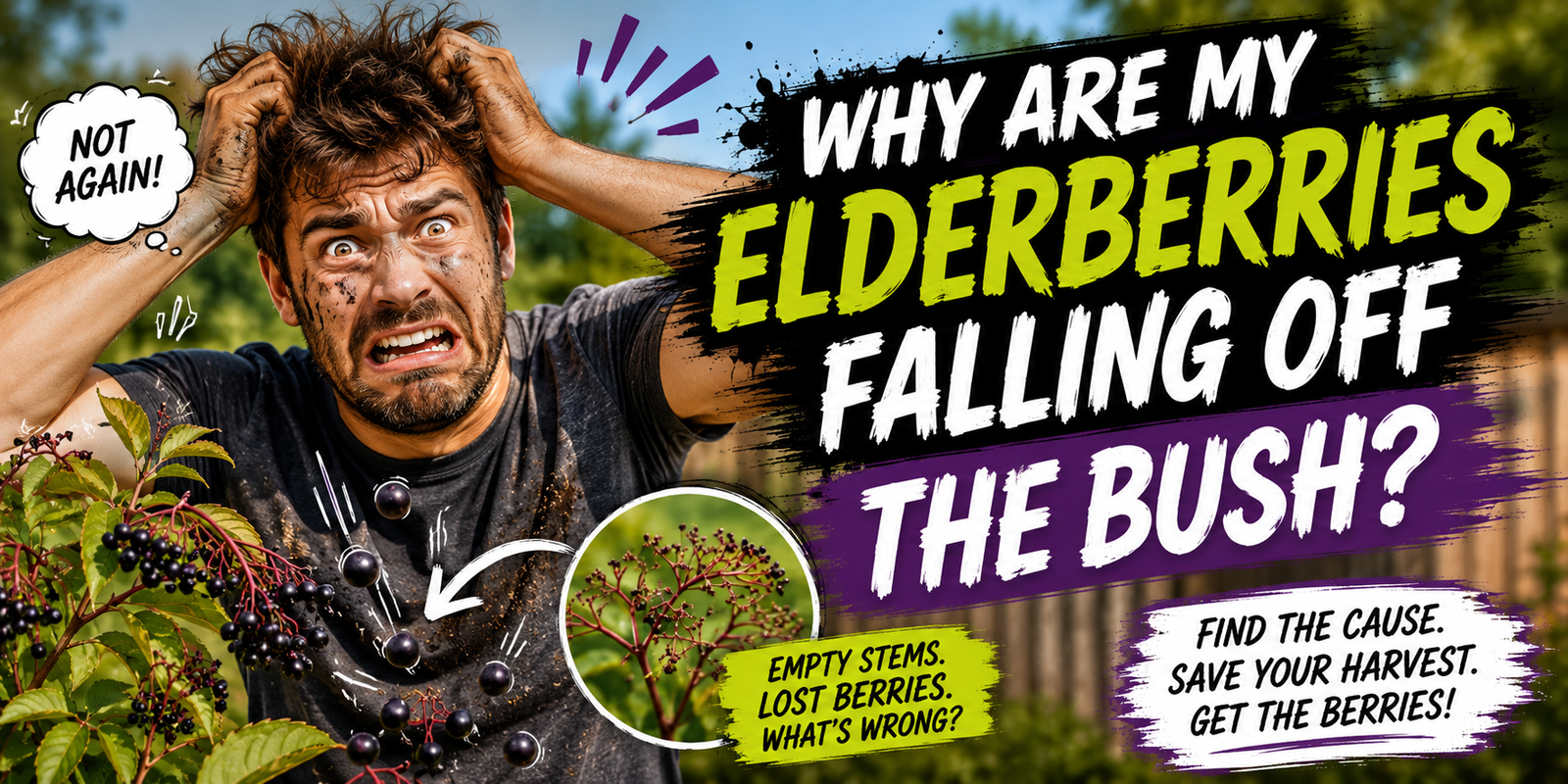
If you’ve recently found berries on the ground beneath otherwise healthy bushes, my guide on Why Are My Elderberries Falling Off the Bush? covers several common causes and what you can do to reduce fruit loss in future seasons.
Fertilizer Can’t Replace Good Watering
Sometimes gardeners try solving watering problems with fertilizer.
Unfortunately, those two things aren’t interchangeable.
A thirsty plant won’t suddenly thrive because it received more nutrients.
Likewise, a waterlogged plant won’t recover simply because fertilizer was added.
Healthy elderberries need both water and nutrition working together.

When my bushes are growing in healthy soil and receiving consistent moisture, I’ll occasionally supplement them with the 👉👉 Farmer’s Secret Fruit & Bloom Booster Fertilizer 👈👈 during the growing season. I like it because it supports flowering and fruit production without making fertilizer the center of my growing routine.
The fertilizer helps.
But only after the watering basics are already right.
Watering Starts Before You Ever Plant
Looking back, I think one of the smartest things I ever did wasn’t buying a better hose.
It was choosing a better planting location.
Healthy soil that drains well while still holding moisture naturally makes watering much easier.
That’s another reason I encourage people to spend time preparing the planting site instead of simply digging a hole and hoping for the best.
If you’re still planning your elderberry patch, the best time to plant elderberries and the American vs. European elderberry guide from Weaver Family Farms Nursery are both excellent resources that pair nicely with everything we’ve covered here.
Consistency Beats Perfection
One thing gardening has taught me is that elderberries don’t expect perfection.
They expect consistency.
Consistent watering.
Consistent care.
Consistent observation.
Missing one watering usually isn’t a disaster.
Ignoring the bushes for three weeks during the hottest part of summer often is.
I’ve found that checking on my elderberries regularly is much more valuable than following a rigid watering schedule.
Healthy plants usually tell you what they need long before they reach the point of serious stress.
Questions I Get About Watering Elderberries
Watering sounds simple until you start growing elderberries.
Then suddenly you find yourself wondering whether you’re watering too much, too little, or at the wrong time of day.
Here are the questions I hear most often.
Should I Water Elderberries Every Day?
Usually not.
Unless you’re dealing with extreme heat, very sandy soil, or a newly planted bush that’s drying out quickly, daily watering usually isn’t necessary.
I would much rather give the plant a deep soaking and then allow the soil to gradually dry slightly before watering again.
Healthy roots grow stronger when they have to search a little deeper for moisture.
What’s The Best Time Of Day To Water?
Early morning has always worked best for me.
The water has time to soak into the soil before the hottest part of the day, and any moisture that splashes onto the leaves has a chance to dry.
If I can’t water in the morning, I’ll usually wait until later in the evening rather than watering during the hottest part of the afternoon.
Can Elderberries Survive A Drought?
Established bushes are surprisingly resilient.
They may slow their growth.
They may produce fewer berries.
They may even drop some fruit to conserve resources.
But healthy, established elderberries often recover once regular moisture returns.
Young bushes are much less forgiving.
That’s why I pay much closer attention to watering during the first couple of growing seasons.
Is Rainwater Better Than Well Water?
Honestly, I haven’t noticed a dramatic difference.
What matters most is that the plant receives consistent moisture.
If rain supplies enough water, great.
If it doesn’t, I don’t hesitate to supplement with a hose.
The elderberries care far more about consistent soil moisture than the source of the water.
My Simple Watering Routine
People sometimes expect me to have a complicated schedule written on a calendar.
I don’t.
Instead, I follow a simple routine.
Every few days during the growing season I walk through the elderberry patch.
I look at the plants.
I feel the soil.
I pay attention to the weather forecast.
If the bushes need water, I water them.
If they don’t, I leave them alone.
It sounds almost too simple, but it’s worked far better than watering on a fixed schedule.
Plants don’t own calendars.
They respond to growing conditions.
A Moisture Meter Took The Guesswork Out
For years I relied entirely on sticking my finger into the soil.
That still works.
But after adding more elderberry bushes around the property, I eventually picked up a simple soil moisture meter to speed things up.
It’s especially useful after several days of scattered rain when it’s difficult to know how much moisture actually reached the roots.
Instead of guessing, I can check several bushes in just a few minutes.
If you have multiple elderberries or other fruit plants, I honestly think a moisture meter is one of the handiest tools you can own because it prevents both overwatering and underwatering before either becomes a serious problem.
Water Is Only One Piece Of The Puzzle
One thing I’ve learned over the years is that watering doesn’t exist on its own.
It works together with everything else.
Healthy soil holds moisture better.
Proper spacing improves airflow.
Good pruning reduces unnecessary stress.
Adequate sunlight helps the plant use that water efficiently.
When all of those pieces come together, elderberries become remarkably easy plants to grow.
That’s why I rarely focus on only one topic when troubleshooting.
Healthy gardens are built by combining lots of good habits instead of relying on one perfect trick.
Water Is Only One Piece Of A Healthy Elderberry Bush
Although watering is incredibly important, I’ve found it works best when combined with the other basics.
Healthy soil helps hold moisture.
Proper spacing improves airflow.
Full sunlight encourages stronger growth.
Balanced fertilizer supports vigorous new canes.
Good pollination helps turn flowers into berries.
Each piece builds on the others.
That’s why I always encourage new growers to think about elderberry care as one complete system instead of a collection of unrelated chores.

If you’d like to see how everything fits together from planting your first bush through harvesting berries, The Ultimate Guide to Growing Elderberries Successfully walks through the entire process step by step.
Keep Building Healthier Elderberry Bushes
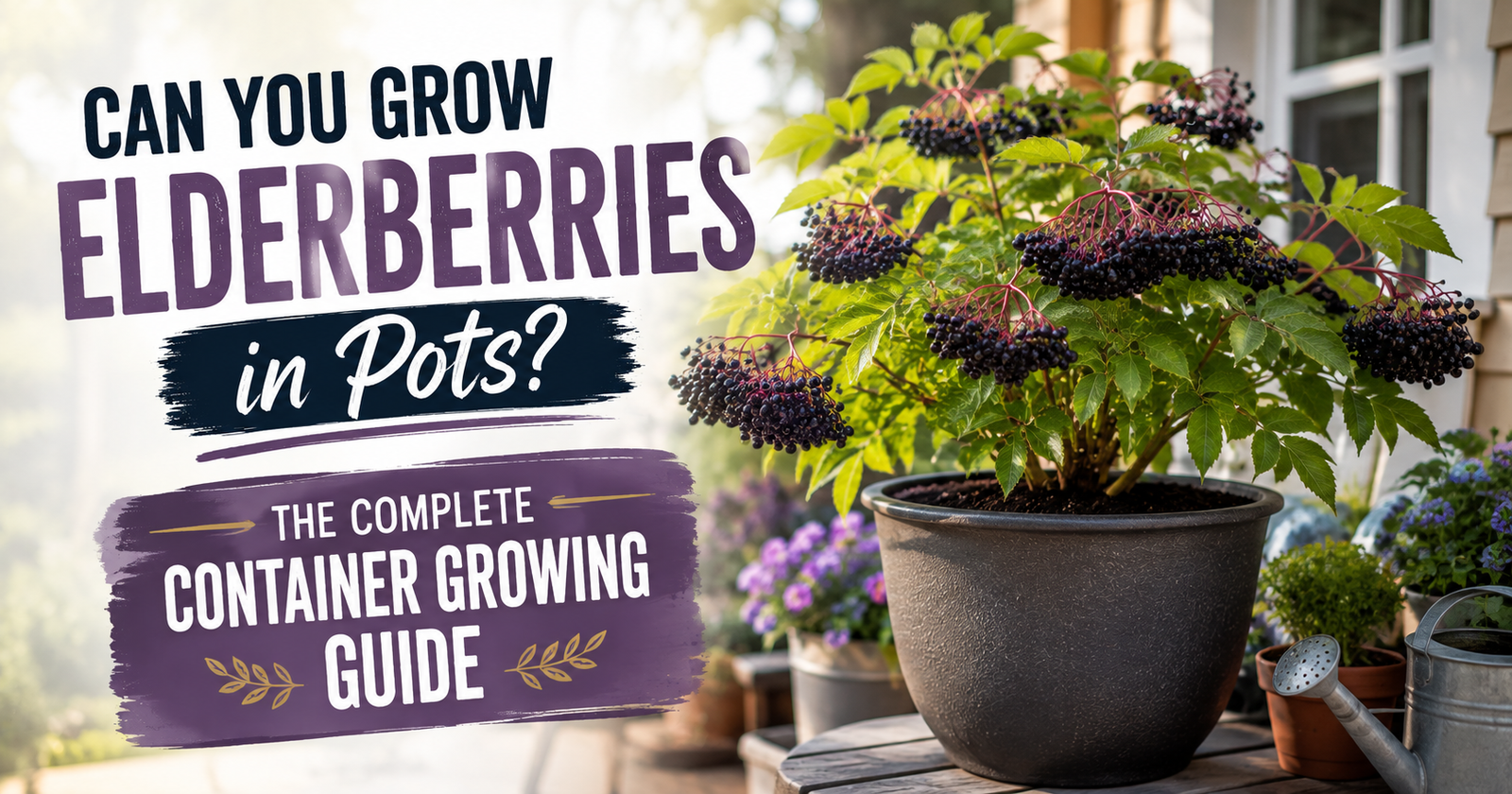
Learning how much water your elderberries need is one of the biggest steps toward growing healthier plants, but it’s only part of the picture. The more you understand how these bushes respond to sunlight, soil, pruning, and nutrition, the easier it becomes to recognize small problems before they affect your harvest. Those same factors become even more important when growing elderberries in containers, where limited soil volume can make small care problems develop quickly.

If you’re continuing to improve your elderberry patch, I’d recommend reading Can Elderberries Grow in Shade? Here’s What I Learned to make sure your bushes are getting enough sunlight, When Should You Prune Elderberry Bushes? Here’s What Works to keep them healthy and productive, and Why Are My Elderberries Falling Off the Bush? if you’re seeing fruit drop during the growing season.
The longer I grow elderberries, the more convinced I become that successful gardeners aren’t the ones who water the most.
They’re the ones who pay attention the most.
A few minutes spent observing your plants every week will usually teach you far more than any watering schedule ever could.
About the Author
Caleb Morgan
Caleb Morgan is a lifelong backyard fruit grower and native plant enthusiast who enjoys helping home gardeners successfully grow elderberries. Through Elderberry Pro, he shares practical, experience-based advice on planting, pruning, harvesting, and troubleshooting so readers can enjoy healthier bushes and bigger berry harvests year after year.