
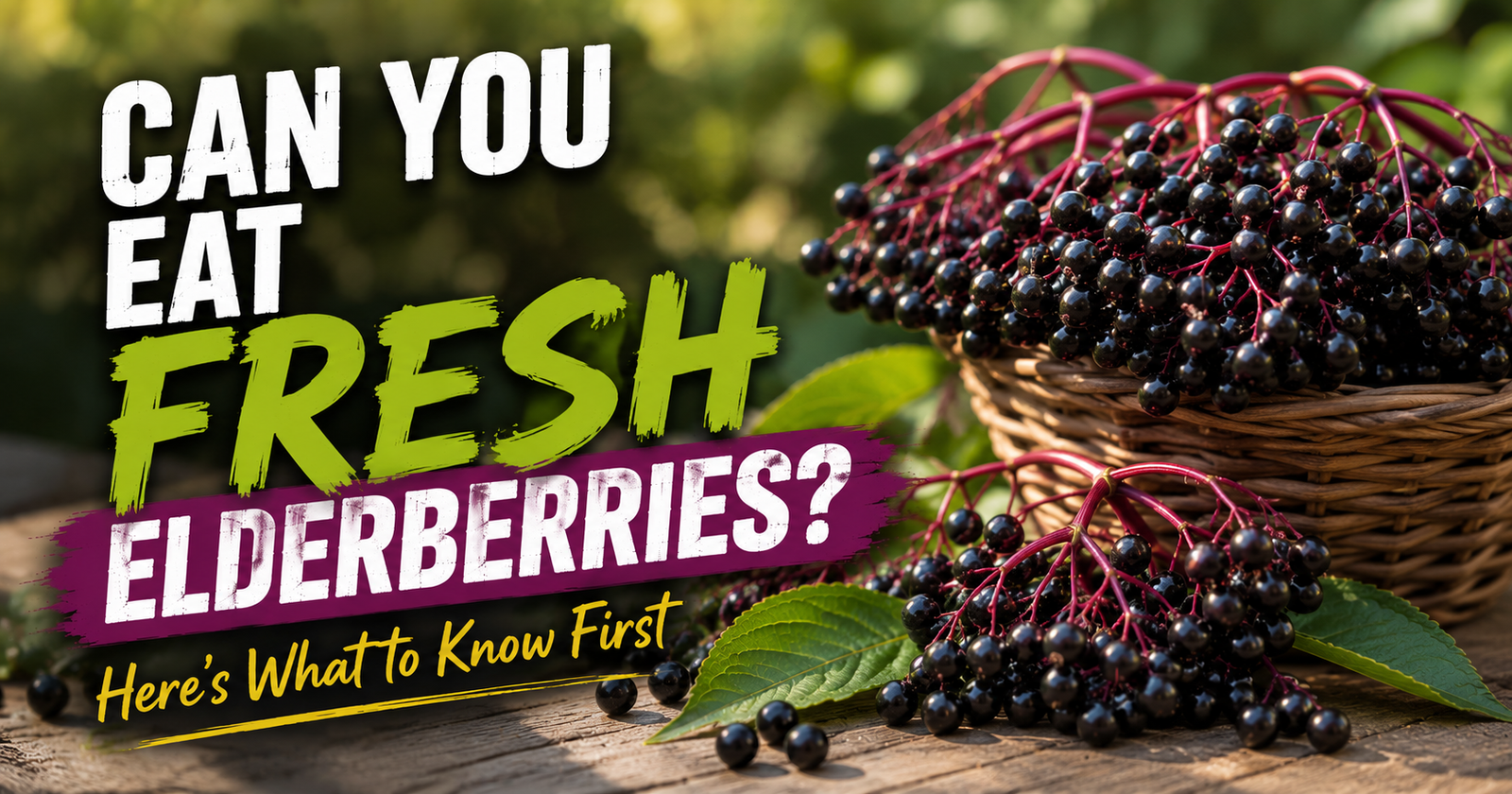
If you’ve ever spotted a heavy cluster of dark purple elderberries hanging from a bush, you’ve probably wondered whether you could just pick a handful and eat them.
It’s a fair question.
After all, blueberries, blackberries, raspberries, and many other berries can be eaten fresh right off the plant. So why would elderberries be any different?
The answer catches a lot of people by surprise.
While ripe elderberries are edible, they usually aren’t considered a berry that’s meant to be eaten fresh by the handful. In fact, eating fresh elderberries the wrong way is one of the most common mistakes beginners make when they’re first learning about this remarkable plant. The risks become clearer in this guide to Never Eat Elderberries Until You Read This.
Understanding why can help you enjoy elderberries safely while avoiding an unpleasant experience.
Why Fresh Elderberries Are Different From Other Berries
Unlike many fruits you’ll find in a grocery store, elderberries contain naturally occurring compounds that deserve a little respect.

Those compounds are found throughout the plant, including:
- Leaves
- Stems
- Bark
- Roots
- Unripe berries

Even ripe berries can contain small amounts, which is one reason elderberries have traditionally been cooked before they’re eaten. The same preparation concern applies when berries are dried, as explained in Are Dried Elderberries Safe to Eat or Totally Off-Limits?.

If you’re completely new to elderberries, I recommend reading One Handful of These Berries Can Send You to the Hospital. Here’s Why. It explains why proper preparation matters far more than most people realize.



Can You Eat A Few Fresh Elderberries?
This is where the internet often gives confusing answers.
Some people report eating a few fully ripe elderberries without any problems.
Others experience stomach cramps or digestive upset after eating only a small amount.
The difference often comes down to:
- How ripe the berries were
- Whether stems were attached
- Individual sensitivity
- The amount consumed
Because reactions vary from person to person, most experienced growers still recommend cooking elderberries before eating them.



Why Cooking Has Always Been Recommended
For generations, elderberries have been transformed into foods such as:
- Syrup
- Jelly
- Jam
- Wine
- Tea
Cooking helps reduce many of the naturally occurring compounds associated with raw elderberries.
That’s why you’ll rarely find traditional recipes that call for eating fresh elderberries by the handful.

If you’re interested in making your own syrup, How to Make Elderberry Syrup From Fresh Elderberries walks through the process step by step.
Do Fresh Elderberries Taste Good?
Honestly?
Not especially.
Many people are surprised by the flavor.
Fresh elderberries are:
- Tart
- Earthy
- Slightly bitter
- Mildly astringent
They’re nothing like sweet blueberries or juicy blackberries.
Cooking with honey, sugar, or other ingredients dramatically improves both the flavor and the overall experience.



Fresh Doesn’t Always Mean Fully Ripe
One mistake I see every year is people harvesting berries too early.
A cluster may look mostly ripe while still containing green or red berries.
Those immature berries should be removed before cooking.
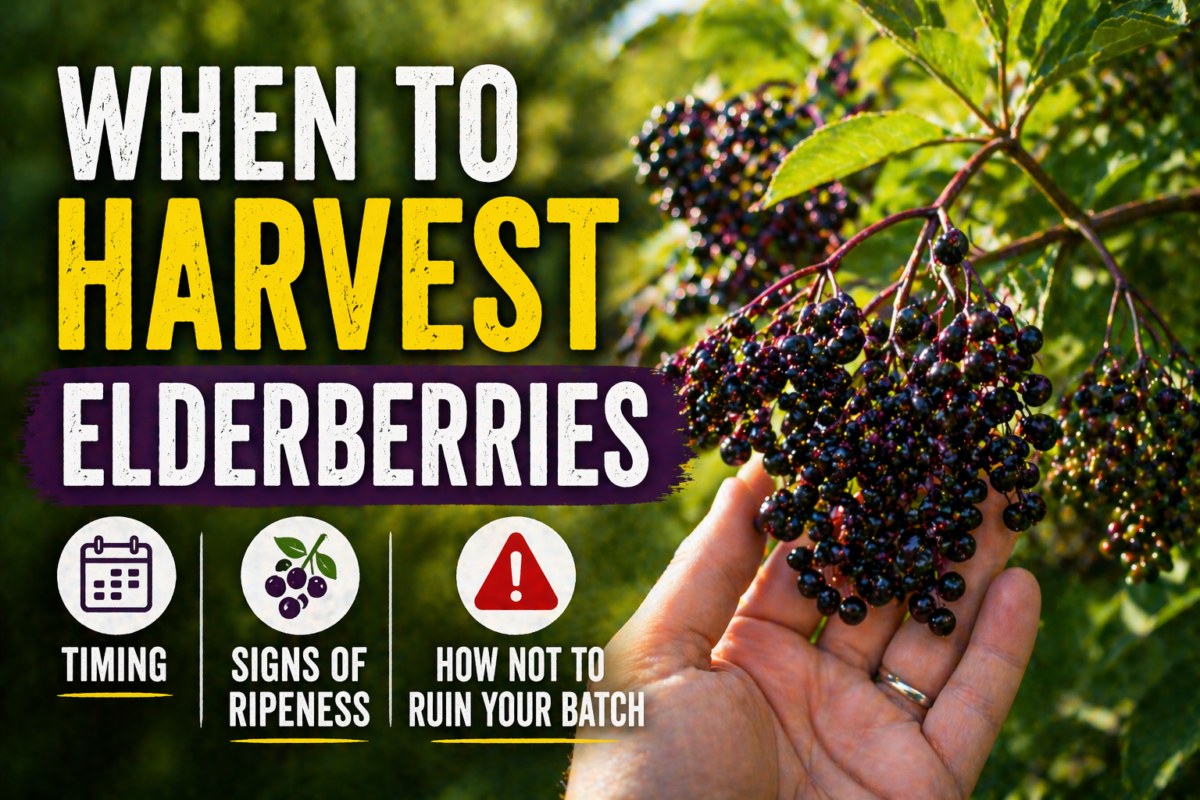
If you’re unsure whether your berries are actually ready, read When to Harvest Elderberries: Timing, Signs of Ripeness, and How Not to Ruin Your Batch before picking your next batch.
Remove The Stems Before Doing Anything Else
Another common mistake is leaving stems attached during preparation.
Even if you plan to cook your berries, removing as much stem material as possible is still recommended.
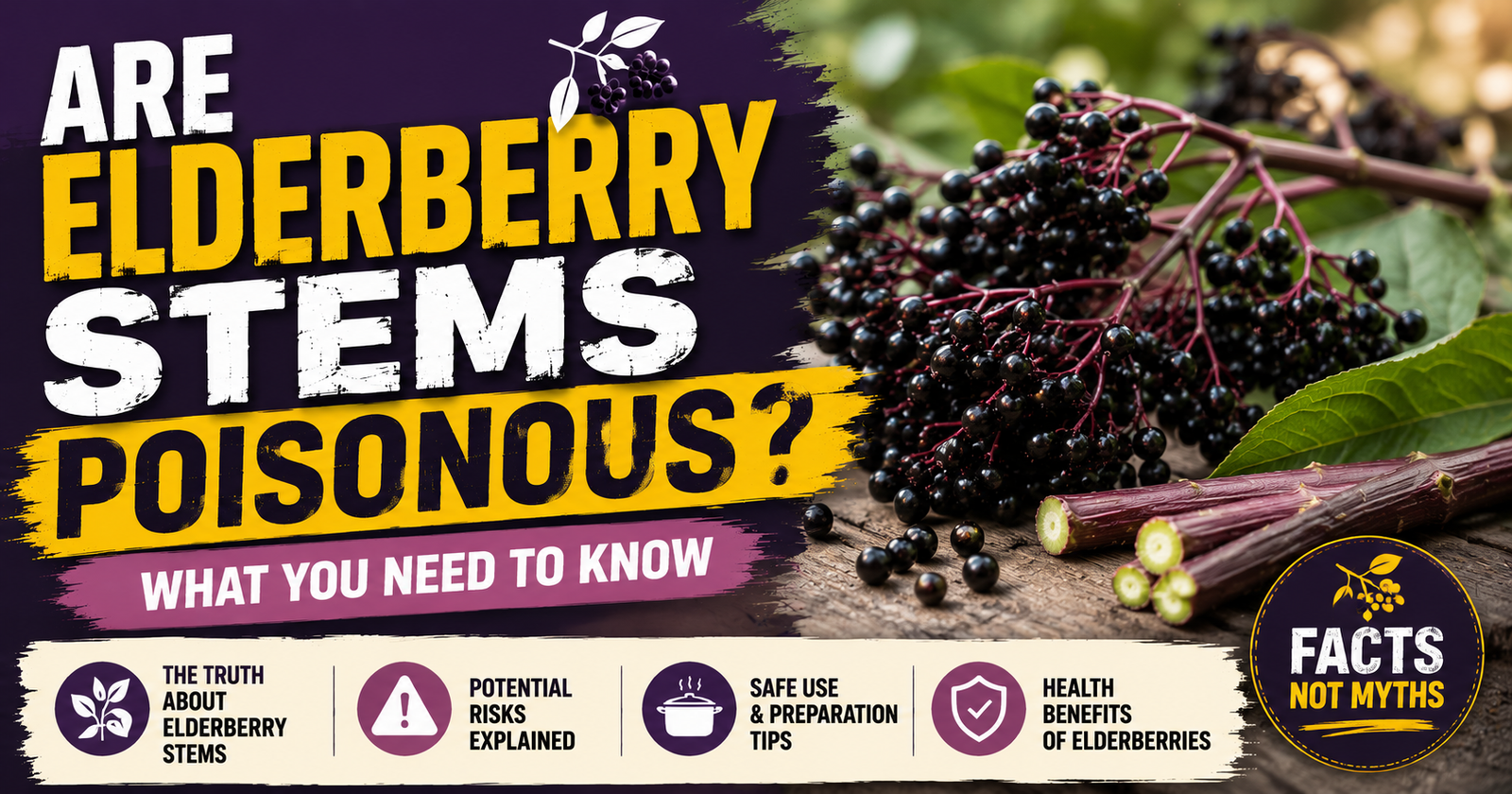
If you’ve ever wondered why recipes stress this step, you’ll find the answer in Are Elderberry Stems Poisonous? What You Need to Know.
Make Sure You’re Picking Real Elderberries
Before you eat any wild berry, positive identification is essential.
Several plants resemble elderberries, but some are much less forgiving if misidentified.

That’s why I encourage every beginner to read How to Identify Elderberry: The Complete Field Guide to Getting It Right Every Time.
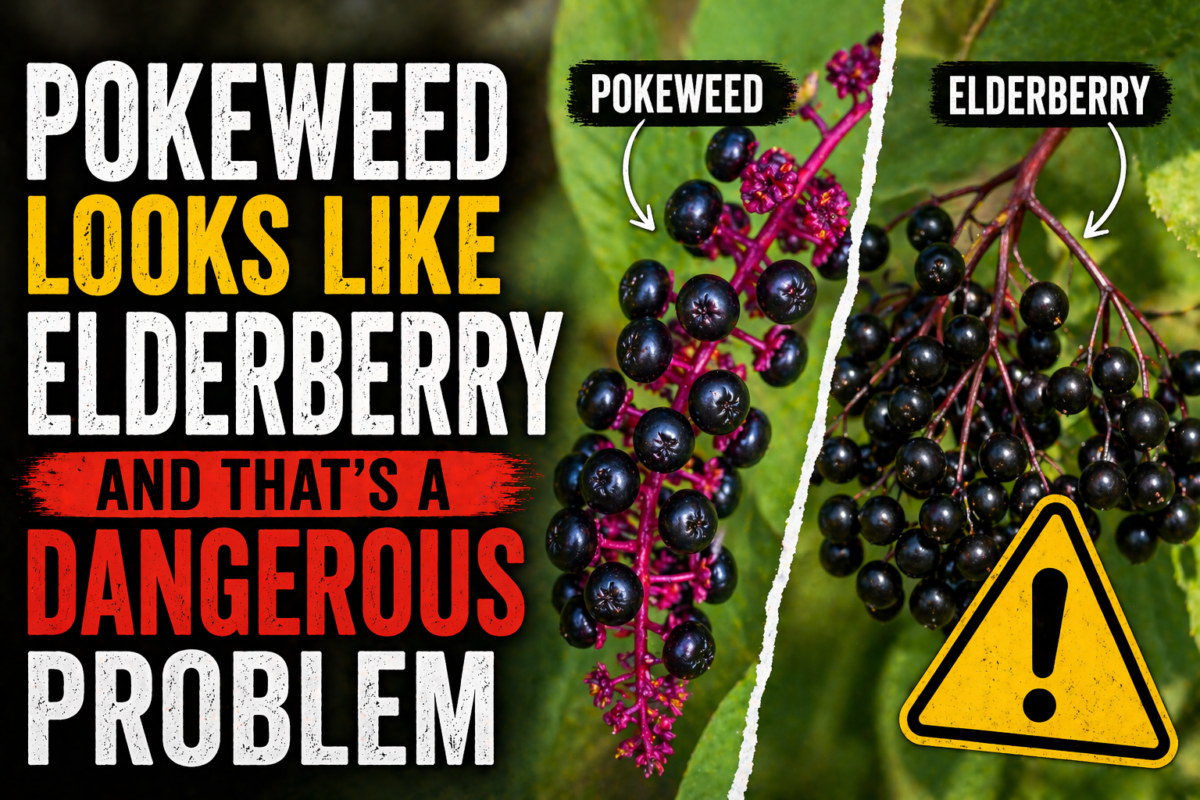
You should also familiarize yourself with Pokeweed Looks Like Elderberry? That’s a Dangerous Problem before harvesting berries in the wild.
Fresh, Frozen, Or Dried?
Fresh berries aren’t your only option.
Many people freeze or dry elderberries after harvest so they can make syrup throughout the year.
Each method has advantages depending on how you plan to use the berries.
High-quality dried elderberries are especially convenient because they’re already cleaned and ready for recipes.

If you’re considering that option, check out Dried Elderberries: Everything You Need to Know Before You Buy and Use Them.
So, Should You Eat Fresh Elderberries?
Personally, I don’t.
Even when I harvest beautiful ripe elderberries from my own plants, I still take them home, remove the stems, and cook them before using them.
That’s how elderberries have traditionally been prepared for generations, and it’s the approach I feel most comfortable recommending.
Before You Grab A Handful
Fresh elderberries may look inviting, but they’re very different from the berries you normally snack on straight from the bush.
If you plan to enjoy elderberries, take the extra time to identify the plant correctly, harvest only ripe berries, remove the stems, and cook them before eating.
Those few simple steps can help you enjoy everything elderberries have to offer while avoiding the mistakes that catch many first-time foragers by surprise.



Author
Sarah Whitmore
Sarah Whitmore is an herbal enthusiast, backyard grower, and independent researcher who has spent years growing elderberries, testing traditional recipes, and researching the safe preparation of medicinal plants. Through Elderberry Pro, she helps readers confidently harvest, prepare, and enjoy elderberries using practical advice backed by experience and careful research.