
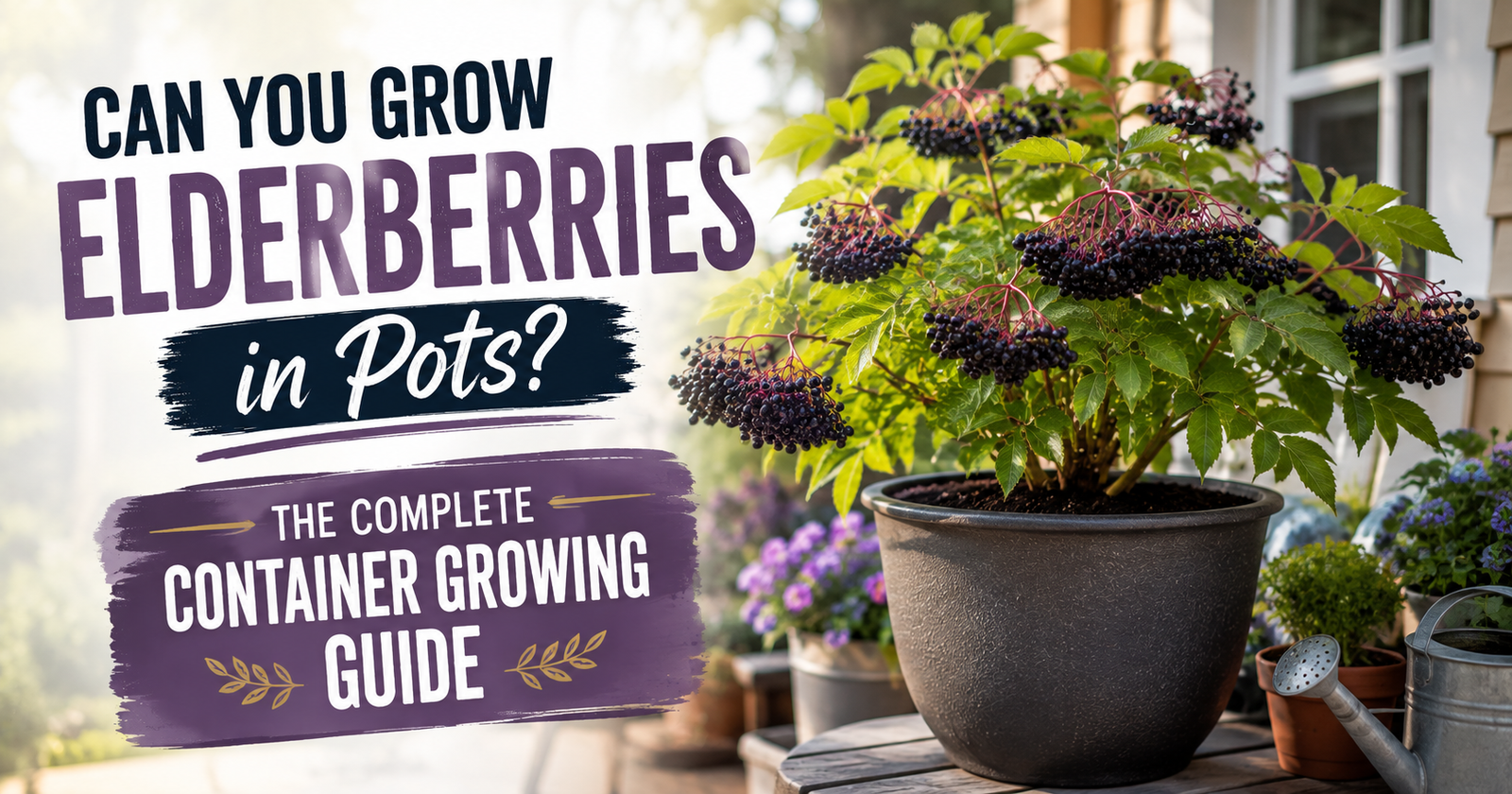
When most people think about growing elderberries, they picture large shrubs planted somewhere out in the yard.
That certainly works, but it’s not the only option.
I’ve been asked many times whether elderberries can be grown in containers on a patio, deck, or even a sunny driveway. The answer is yes, but container-grown elderberries require a little more attention than bushes planted directly in the ground.
The good news is that if you understand what elderberries need, growing them in pots can be surprisingly successful.
Whether you’re short on garden space, renting a home, or simply want to keep an elderberry close to the house, this guide will walk you through everything I’ve learned about growing healthy, productive elderberry bushes in containers.
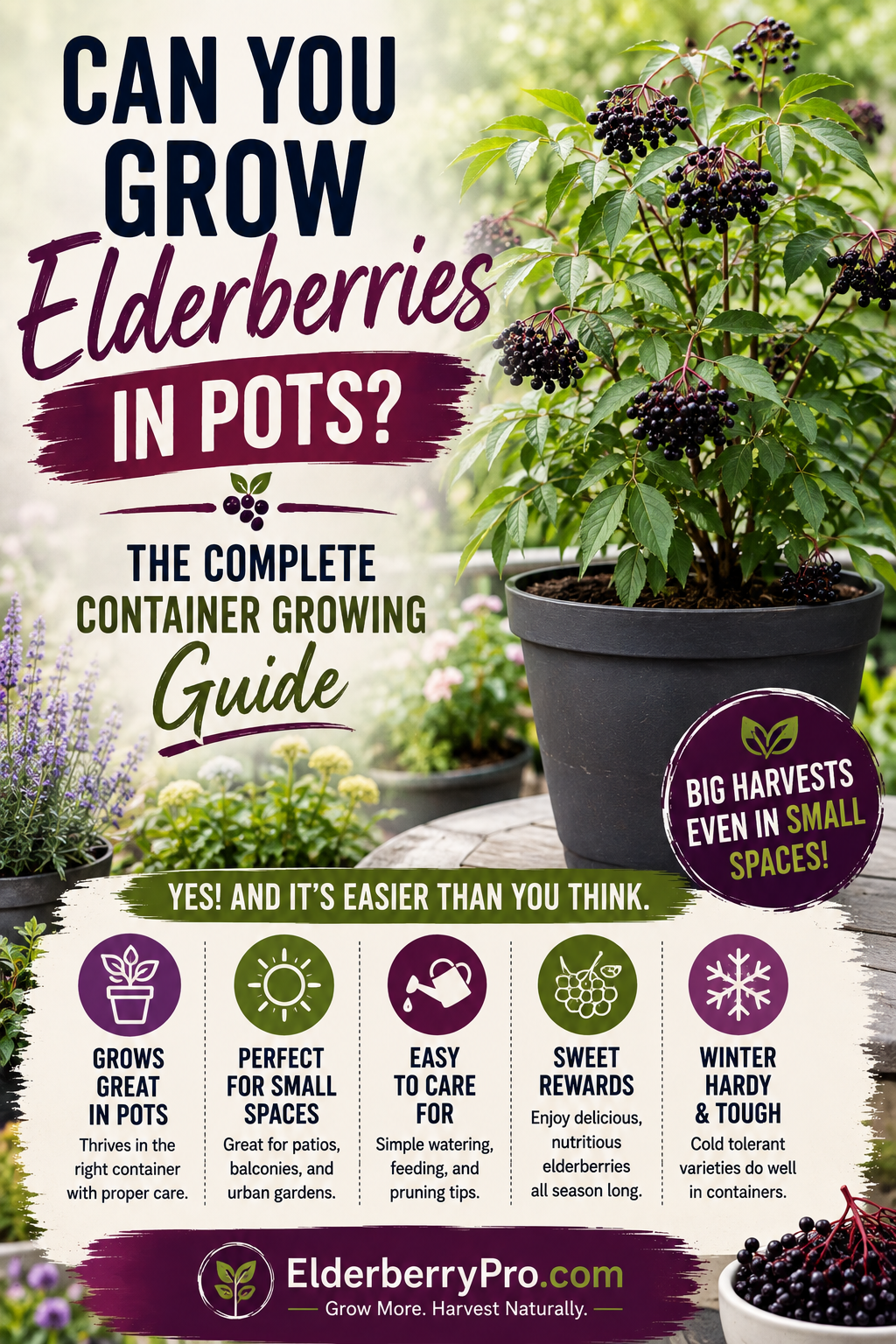
Can Elderberries Really Grow in Pots?
Absolutely.
Healthy elderberries can grow very well in containers for several years when they’re given enough space, sunlight, water, and nutrients.
In fact, many gardeners start young elderberries in containers before eventually moving them into the ground.
Others keep them in large decorative pots permanently.
The biggest limitation isn’t the plant itself.
It’s the size of the root system.
Unlike vegetables or annual flowers, elderberries eventually develop extensive roots that need room to expand. That’s why choosing the right container from the beginning is one of the most important decisions you’ll make.



Why Some Gardeners Prefer Containers
Growing elderberries in pots offers several advantages.
For many people, containers are the only practical option.
Some gardeners simply don’t have enough yard space for multiple shrubs.
Others live in neighborhoods where planting permanent bushes isn’t possible.
I’ve also found containers useful for testing different locations before committing to planting elderberries in the ground.
Some of the biggest advantages include:
- Easy to move while young.
- Better control over soil quality.
- Fewer weeds competing for nutrients.
- Attractive addition to patios and decks.
- Ideal for gardeners with limited space.
Of course, container growing also requires more frequent watering and feeding than growing directly in the ground.


Start With The Largest Container You Can
One mistake I see regularly is choosing a container that’s far too small.
People often buy a beautiful decorative pot because it looks nice, only to discover the elderberry quickly outgrows it.
I prefer thinking several years ahead instead of only considering the plant’s current size.
Larger containers hold moisture longer, provide more room for root growth, and usually produce healthier bushes over time.

If you’re deciding where that container should eventually live, The Ultimate Guide to Growing Elderberries Successfully covers many of the same location considerations that apply whether you’re planting in the ground or growing in containers.
Drainage Is More Important Than Container Material
People often ask whether plastic, ceramic, metal, or fabric containers are best.
Honestly, I’m usually much more concerned about drainage than the material itself.
Elderberries appreciate consistent moisture, but they don’t enjoy sitting in stagnant water.
No matter which container you choose, it should have several drainage holes that allow excess water to escape easily.
Healthy roots need both moisture and oxygen.
Without proper drainage, even the best soil eventually becomes a problem.



Choosing The Right Potting Mix
Good potting soil makes an enormous difference.
Garden soil dug from the yard usually becomes too compact inside containers.
Instead, I prefer a high-quality potting mix that drains well while still holding enough moisture for healthy root growth.
Adding compost can also improve soil structure and provide additional organic matter over time.
Healthy roots are the foundation of a productive elderberry bush.
That’s why I never cut corners when it comes to soil.
Elderberries Need More Water In Containers
One thing I noticed almost immediately after growing elderberries in pots was how much faster the soil dried out compared to bushes planted in the ground.
That’s completely normal.
A container simply can’t hold as much moisture as the surrounding soil in a landscape.
During hot summer weather, I make it a habit to check the soil frequently instead of watering on a fixed schedule.
Some weeks the container may only need water once or twice.
During long stretches of heat and wind, it may need attention every day.
The goal isn’t keeping the soil soaking wet.
It’s keeping it consistently moist without allowing the roots to sit in standing water.
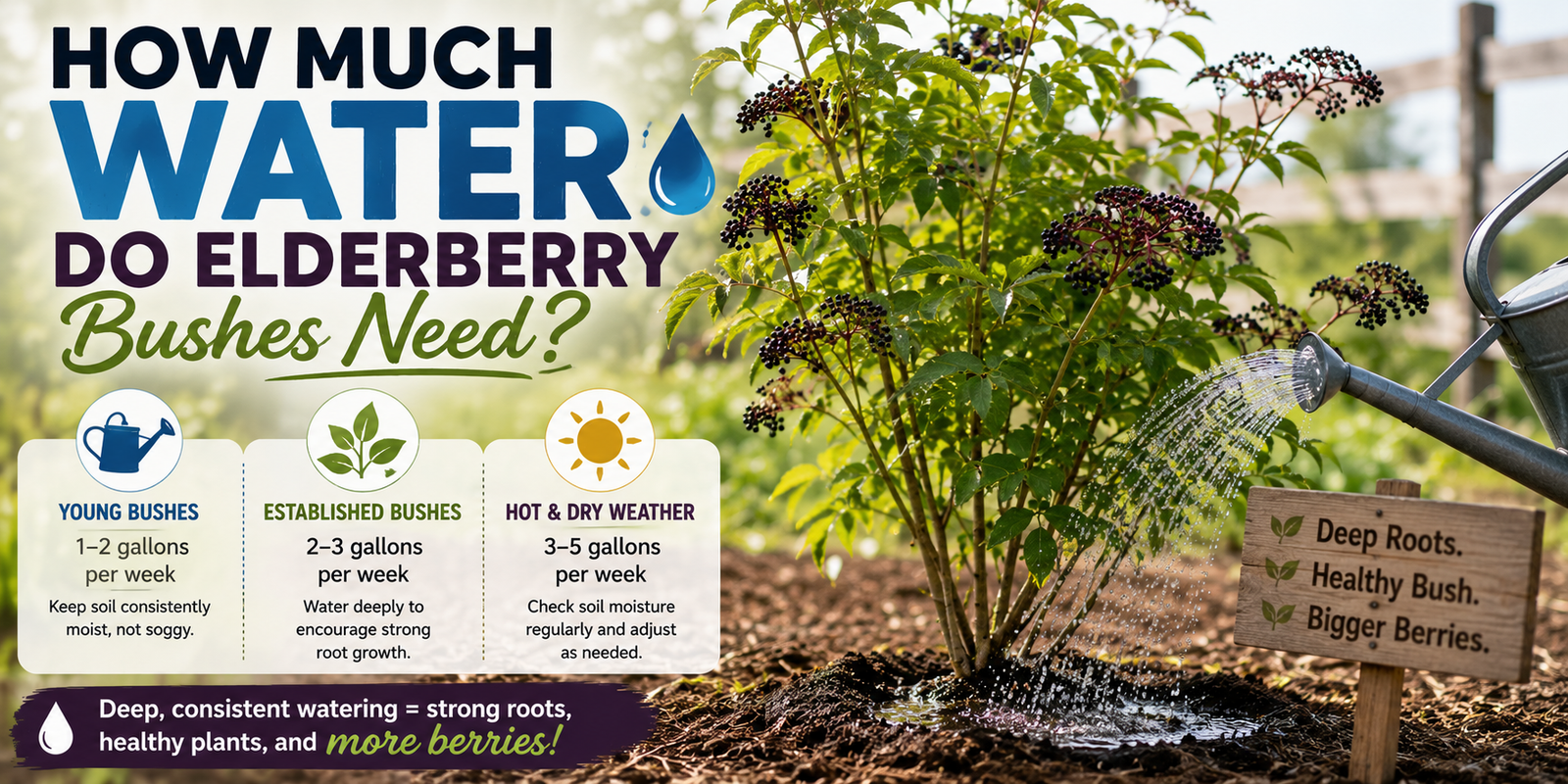
If you’re unsure how much moisture elderberries actually need throughout the growing season, How Much Water Do Elderberry Bushes Need? explains the watering routine that’s worked best for me.
Full Sun Still Produces The Best Results
Growing in a container doesn’t change what elderberries need from the sun.
The healthiest container-grown bushes I’ve seen still receive plenty of direct sunlight throughout the day.
A patio tucked into deep shade might be convenient, but it probably won’t produce the strongest growth or the largest berry harvests.
One advantage of containers, though, is flexibility.
If you realize your elderberry isn’t receiving enough sunlight, you can often move the container before the plant becomes established.
That’s much easier than digging up a mature shrub growing in the ground.
Fertilizer Becomes More Important
Container plants depend entirely on the nutrients available inside the pot.
Every time you water, small amounts of nutrients gradually wash out through the drainage holes.
That’s why I pay closer attention to fertilizing container-grown elderberries than bushes planted directly in the landscape.
I prefer feeding lightly throughout the growing season instead of applying excessive amounts all at once.
Healthy, steady growth is usually much better than encouraging rapid, weak growth that struggles later.
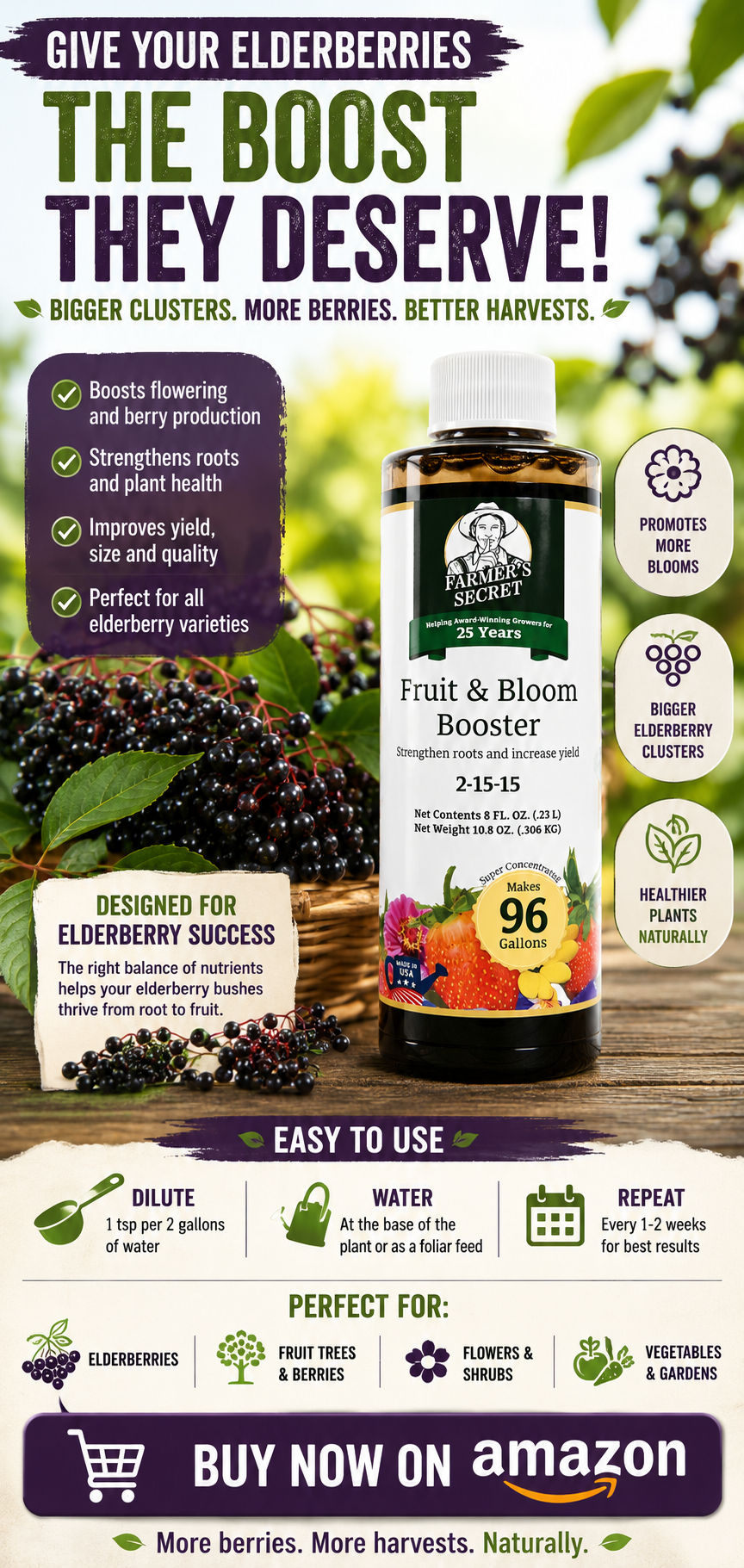
I’ve had excellent results using Farmer’s Secret Fruit & Bloom Booster Fertilizer because it’s easy to apply and helps keep container-grown elderberries growing vigorously without overcomplicating the process.


Will A Potted Elderberry Produce Fruit?
Yes.
A healthy elderberry growing in a sufficiently large container can absolutely flower and produce berries.
The overall harvest may be smaller than a mature shrub planted in the ground, but many gardeners are pleasantly surprised by how productive container-grown elderberries can become.
The biggest factors affecting fruit production are usually:
- Sunlight.
- Water.
- Fertility.
- Pollination.
- Overall plant health.
Meeting those needs consistently makes a much bigger difference than whether the bush happens to be growing in a container or directly in the ground.
Don’t Forget About Pollination
One thing people sometimes overlook is that container-grown elderberries still follow the same pollination rules as those planted in the landscape.
If you’re hoping for heavy berry production, having another compatible elderberry blooming nearby often produces much better results.
Even if both bushes are growing in containers, bees and other pollinators can still move between them while they’re flowering.
If you only have room for one container today, that’s perfectly fine.
Just understand that adding a second compatible bush later may improve your future harvests.

I explain how all of that works in Do Elderberry Bushes Need Another Plant to Produce Berries? because it’s one of the most common questions new growers ask.
Expect To Repot Eventually
Even the largest container won’t last forever.
As your elderberry grows, its roots will gradually occupy more and more of the available space.
Eventually you may notice slower growth, increased watering needs, or roots beginning to circle inside the pot.
When that happens, you generally have two choices.
Move the plant into a larger container.
Or transplant it into the ground where the root system can continue expanding naturally.
Planning for that day ahead of time makes the transition much easier.
Annual Pruning Keeps Container Plants Manageable
One advantage of growing elderberries in pots is that they’re naturally easier to manage than large shrubs planted in the ground.
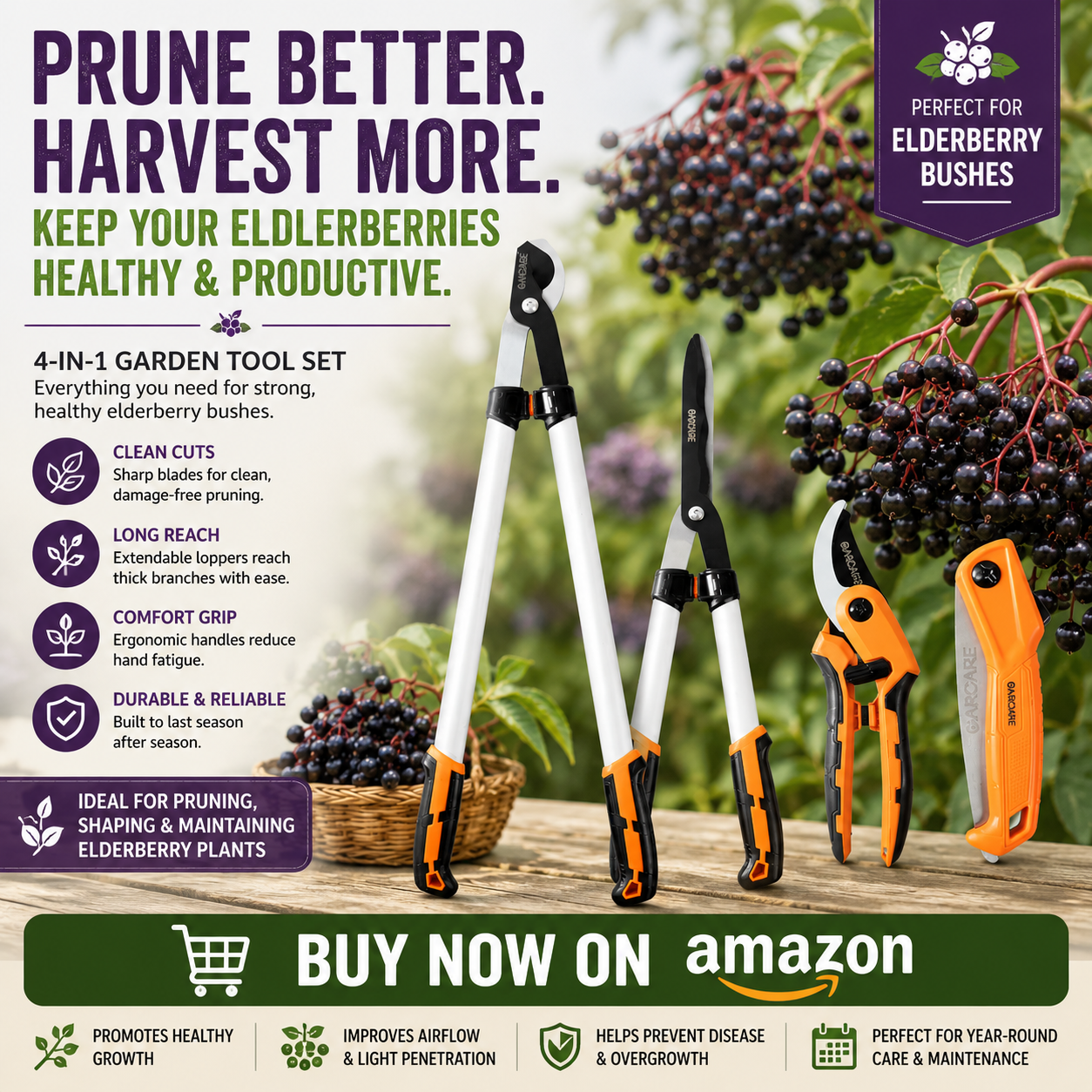
Still, they’ll benefit from regular pruning. Keep suitable pruning tools for container-grown elderberries nearby when seasonal maintenance is due.
Without it, container-grown elderberries can become crowded, produce weaker growth, and eventually outgrow the space you’ve given them.
Each year I like removing dead wood, damaged stems, and some of the older canes to encourage fresh, vigorous growth.
Pruning also improves airflow through the plant, making it easier for sunlight to reach the interior branches.
The goal isn’t making the bush smaller.
It’s helping it stay healthy and productive for many years.
If you’re unsure when or how to prune, When Should You Prune Elderberry Bushes? Here’s What Works explains the timing and approach that’s consistently given me the best results.
Watch For Signs Your Plant Is Becoming Root Bound
One thing I’ve learned is that elderberries usually tell you when they’ve outgrown their container.
The changes aren’t always dramatic at first.
You may notice the soil drying out much faster than usual.
Growth may slow even though you’re watering and fertilizing consistently.
Roots might begin circling the inside of the container or even emerge from the drainage holes underneath.
These are all signs the root system has filled nearly every available inch of space.
When that happens, don’t ignore it.
Repotting into a larger container or moving the plant into the ground gives those roots room to expand again and often leads to noticeably stronger growth.
Winter Care For Potted Elderberries
One thing that surprises many gardeners is that roots growing inside containers are more exposed to cold temperatures than roots protected by the surrounding ground.
In colder climates, that means container-grown elderberries sometimes need a little extra protection during winter.
Some gardeners move containers into an unheated garage or shed.
Others place the pot against a protected wall or wrap the outside of the container with insulating material to reduce temperature swings.
Exactly what works best depends on your climate, but it’s worth remembering that the root system is usually more vulnerable than the branches above it.
Common Container Growing Mistakes
Fortunately, most problems are easy to avoid once you know what to watch for.
The mistakes I see most often include:
- Choosing a container that’s too small.
- Allowing the soil to dry out completely.
- Overwatering because the surface looks dry.
- Growing the bush in too much shade.
- Forgetting to fertilize during the growing season.
- Waiting too long to repot a root-bound plant.
Avoiding those simple mistakes goes a long way toward growing a healthy, productive elderberry in a container.
Can You Keep An Elderberry In A Pot Forever?
Technically, yes.
Many gardeners successfully grow elderberries in large containers for years.
The key is understanding that permanent container growing requires ongoing maintenance.
You’ll likely need to repot occasionally, prune every year, monitor watering more closely, and provide regular nutrients.
For gardeners willing to do that extra work, container-grown elderberries can remain attractive and productive for a long time.
If you’re hoping for the largest possible bushes and harvests, planting in the ground will usually win.
But if space is limited, don’t let that stop you from growing elderberries.
A healthy potted shrub is far better than not growing one at all.
Continue Learning About Growing Elderberries
Growing elderberries in pots is a great solution when space is limited, but the same fundamentals that produce healthy landscape shrubs also apply to container plants.
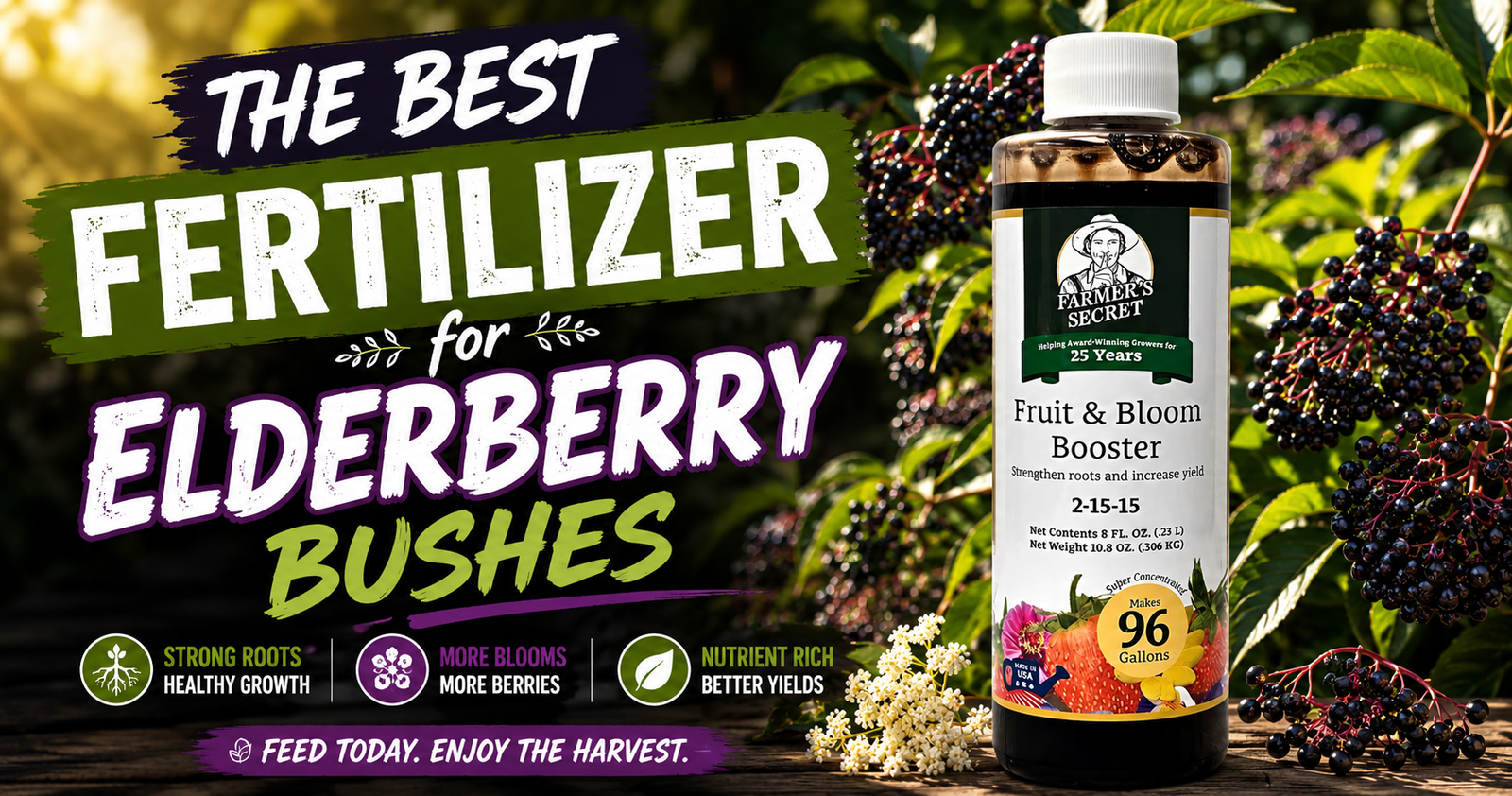
If you’re planning to grow elderberries for many years, The Ultimate Guide to Growing Elderberries Successfully is the best place to continue learning because it brings together every major aspect of elderberry care in one resource. You’ll also want to read Best Fertilizer for Elderberry Bushes That Actually Works to keep container plants growing vigorously, and How Long Does It Take an Elderberry Bush to Produce Fruit? if you’re wondering when your patience is likely to be rewarded with the first berry harvest.
Whether your elderberry is growing in a decorative patio pot or eventually finds a permanent home in the ground, giving it the right care from the beginning will reward you with a healthier plant and better harvests for years to come.
About the Author
Avery Collins
Avery Collins is a backyard fruit grower and gardening writer who enjoys helping home gardeners grow healthier elderberries through practical, experience-based advice. Through Elderberry Pro, Avery shares growing guides, propagation techniques, and real-world tips that help readers enjoy thriving elderberry bushes season after season.