

Elderberry gummies have become one of the most popular elderberry products on the market. They’re easy to take, taste good, and can be found in stores almost everywhere.
Unfortunately, they’re also one of the easiest elderberry products for dogs to accidentally eat.
Unlike elderberry bushes growing outside or homemade syrup stored in the refrigerator, gummies often end up sitting on kitchen counters, bedside tables, purses, backpacks, and other places curious dogs can reach.
If your dog recently ate elderberry gummies, you’re probably wondering whether you should be concerned.
The answer depends on several important factors, including the ingredients, the amount consumed, and the size of your dog.
The Short Answer
A dog eating one elderberry gummy is very different from a dog eating an entire bottle.
In many situations, the elderberry itself may not be the biggest concern.
The ingredients commonly found in gummies often create a much greater risk.
This is why every dog owner should understand exactly what was in the gummies before assuming everything is fine.
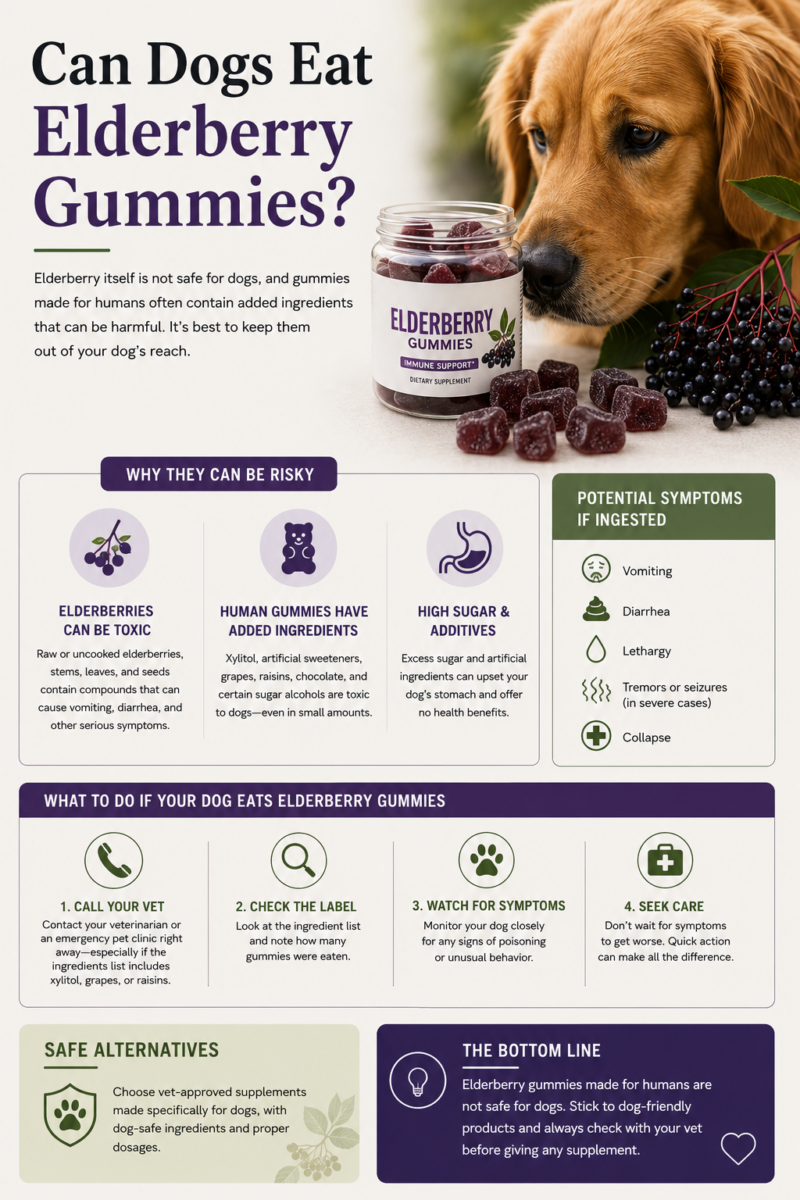
Why Elderberry Gummies Are Different From Elderberries
Many people hear the word elderberry and immediately focus on the berry itself.
However, gummies contain far more than elderberries.
Most products include:
- Sugar
- Gelatin
- Flavorings
- Citric acid
- Preservatives
- Coloring agents
- Vitamins
- Minerals
Some products may also contain additional ingredients designed to support immune health.
When a dog eats gummies, all of these ingredients matter.



What Ingredient Worries Me Most?
When evaluating any gummy product, I immediately look for sweeteners.
Certain sweeteners can be extremely dangerous for dogs.
That is why reading the ingredient label is one of the first things you should do if your dog gets into elderberry gummies.
The elderberry itself may not be the biggest issue.
The added ingredients often deserve the most attention.
Can The Elderberry In Gummies Hurt Dogs?
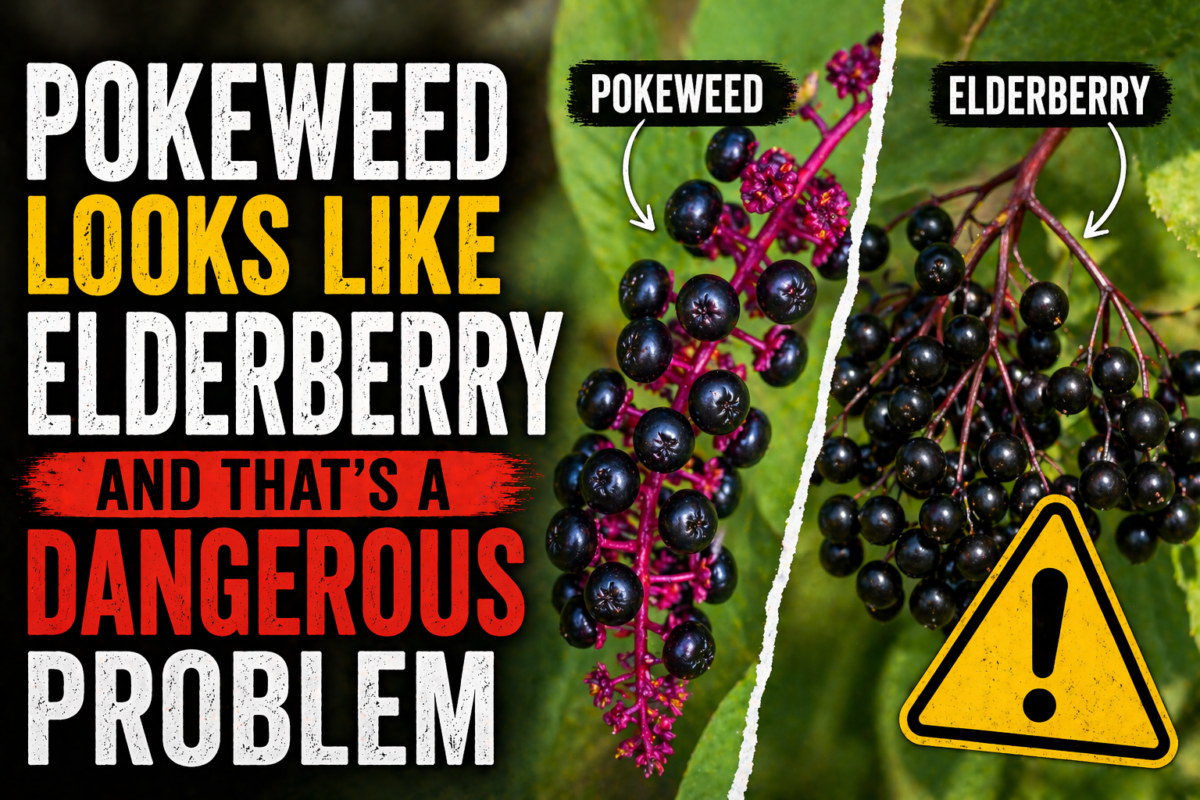
Generally speaking, elderberry gummies are made using processed elderberry ingredients rather than raw elderberries. If a dog has access to berries growing outdoors, raw elderberries can help you tell genuine elderberry from pokeweed before assessing what was eaten.
This is important because raw elderberries contain compounds that create more toxicity concerns.

If you’d like to learn more about that distinction, read Can Dogs Eat Cooked Elderberries? What Every Dog Owner Should Know.
The processing used to create gummies is very different from a dog eating raw berries directly from a bush.



What Happens If My Dog Eats A Few Elderberry Gummies?
Some dogs may show no symptoms at all.
Others may develop mild digestive upset.
Common symptoms can include:
- Vomiting
- Diarrhea
- Excessive drooling
- Stomach discomfort
- Reduced appetite
The larger the amount consumed, the greater the likelihood of symptoms.
What If My Dog Ate The Entire Bottle?
This situation deserves much more attention.
A dog that consumes an entire bottle of gummies is not just eating elderberry ingredients.
They are also consuming large quantities of sugar, flavorings, vitamins, and other ingredients.
In this situation, contacting your veterinarian is generally the safest approach.



Can Puppies Eat Elderberry Gummies?
Puppies should be treated with extra caution.
Their smaller body size means even relatively small amounts may have a larger impact.
Puppies are also much more likely to chew through containers and continue eating until everything is gone.
Symptoms To Watch For
Monitor your dog for:
- Vomiting
- Diarrhea
- Lethargy
- Weakness
- Excessive thirst
- Restlessness
- Loss of appetite
If symptoms become severe or unusual, veterinary attention should be sought immediately.
How Gummies Compare To Elderberry Syrup
Many owners ask whether gummies or syrup are safer.
The answer depends entirely on the ingredients.

If your dog got into syrup instead, read Can Dogs Eat Elderberry Syrup? What Pet Owners Need To Know.
Both products present different risks depending on what manufacturers include.
Why Dogs Love Gummies
The answer is simple.
Most gummies are sweet.
Many dogs view them as candy.
Unfortunately, that makes gummies one of the most common supplement products dogs accidentally consume.



What To Tell Your Veterinarian
If you need to call a veterinarian, try to provide:
- Brand name
- Ingredient list
- Number of gummies consumed
- Dog’s weight
- Time of consumption
- Current symptoms
This information can help determine the best next steps.
What Dog Owners Should Remember
Most elderberry gummy situations involve the additional ingredients rather than the elderberry itself.
While many dogs may experience only mild digestive upset, every product is different.
The safest approach is to check the ingredients immediately, monitor for symptoms, and contact your veterinarian whenever there is uncertainty.
A little caution can go a long way when gummies and curious dogs share the same home.
Author
Sarah Whitmore
Sarah Whitmore is an herbal enthusiast, backyard grower, and independent researcher who has spent years studying elderberries, traditional plant remedies, and home gardening. Through Elderberry Pro, she shares practical guides, safety information, recipes, and research-backed insights to help readers better understand the benefits and risks of elderberries.