
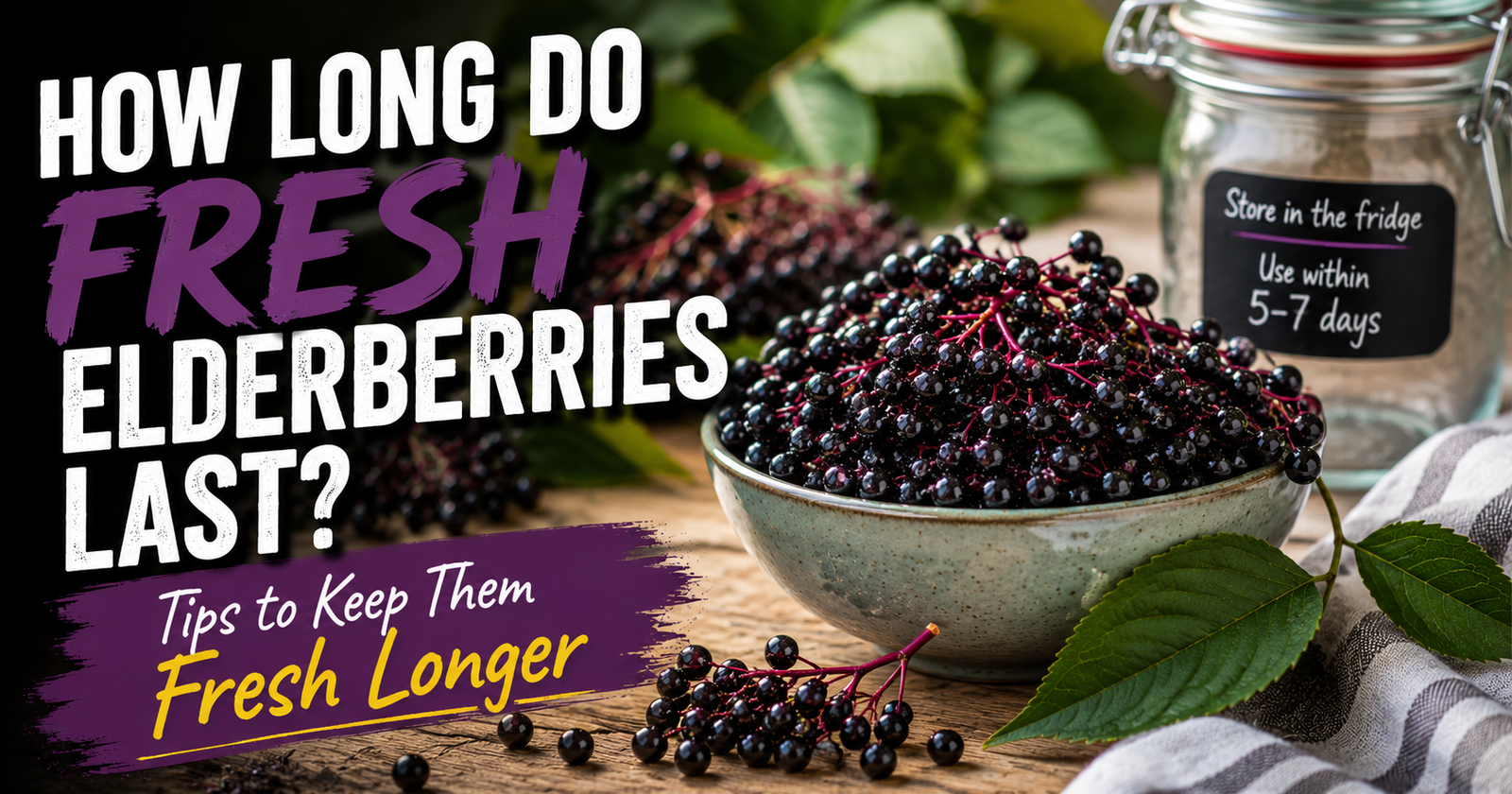
There’s nothing quite like bringing home a fresh harvest of elderberries.
After spending time picking perfectly ripe clusters, the last thing you want is to watch them spoil before you have a chance to turn them into syrup, jelly, wine, or another favorite recipe.
Unfortunately, fresh elderberries are one of the more delicate fruits you can harvest. Once they’re picked, they begin losing freshness fairly quickly, especially if they’re left sitting on the kitchen counter.
The good news is that with a little planning, you can keep your berries in excellent condition until you’re ready to use them. Over the years, I’ve found that a few simple storage habits make a huge difference in preserving both quality and flavor.
Fresh Elderberries Don’t Stay Fresh For Long
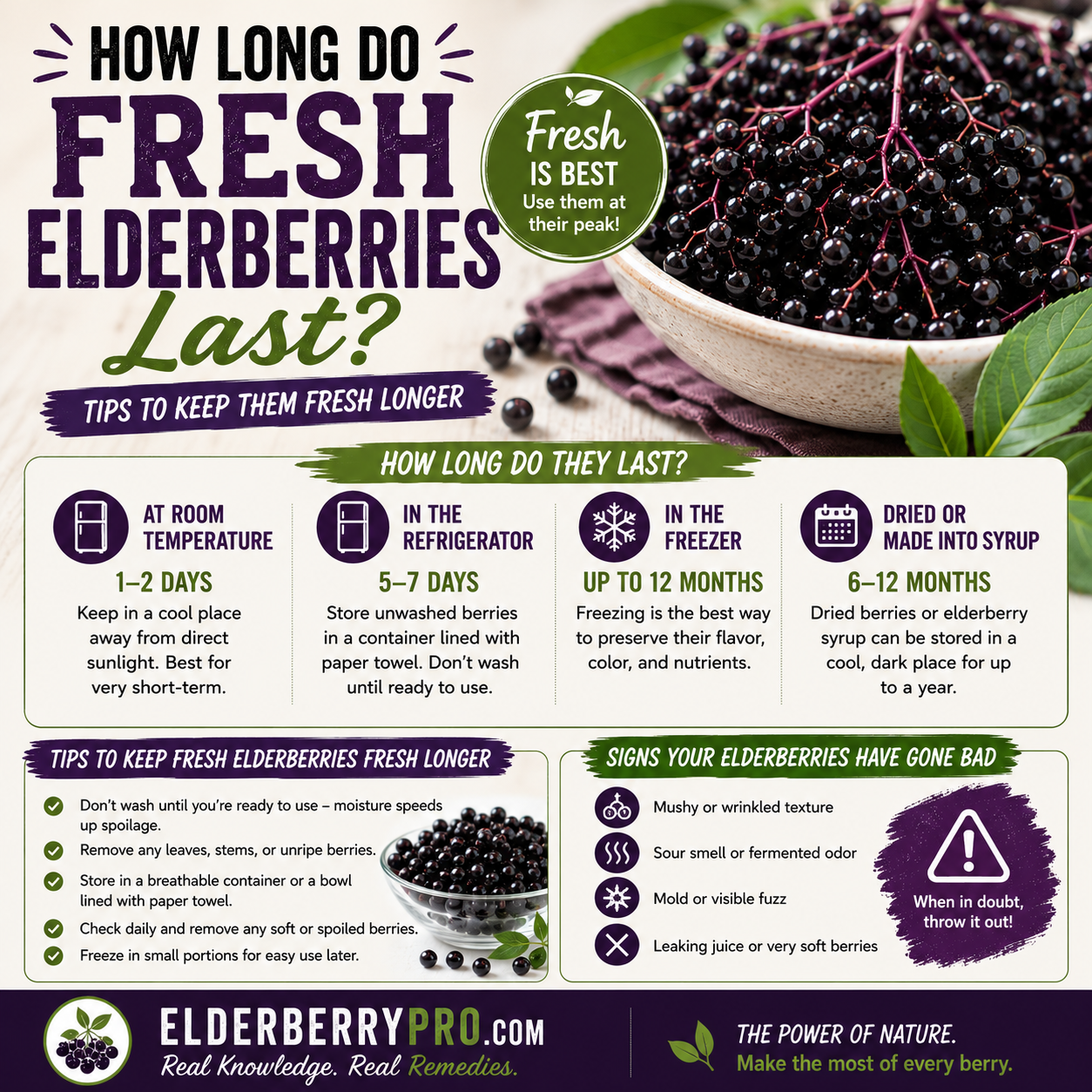
Fresh elderberries are highly perishable.
If they’re left at room temperature, especially during warm weather, they may only stay in good condition for a day or two before they begin softening or showing signs of spoilage.
That’s why I try to decide what I’m doing with my harvest before I even leave the picking site.

Usually my options are simple: One worthwhile way to use a fresh harvest is to How to Make Elderberry Wine at Home (Easy Step-by-Step Guide).
- Make syrup that day.
- Refrigerate them for a short time.
- Freeze them for later.
Waiting several days without a plan usually doesn’t end well.
How Long Do Elderberries Last In The Refrigerator?
Fresh elderberries generally keep best when refrigerated as soon as possible after harvesting.
When stored properly, they’re often at their best for several days.
To help extend their freshness, I recommend:
- Keeping them cool.
- Leaving them as dry as possible.
- Avoiding sealed containers that trap moisture.
- Checking them daily for soft or moldy berries.
Too much moisture is usually the biggest enemy.



Don’t Wash Them Until You’re Ready To Use Them
One mistake I made years ago was washing my berries as soon as I brought them inside.
While it seemed like a good idea at the time, the added moisture actually caused them to deteriorate faster.
Now I leave fresh elderberries dry while they’re in the refrigerator and wait until I’m ready to cook them before washing.
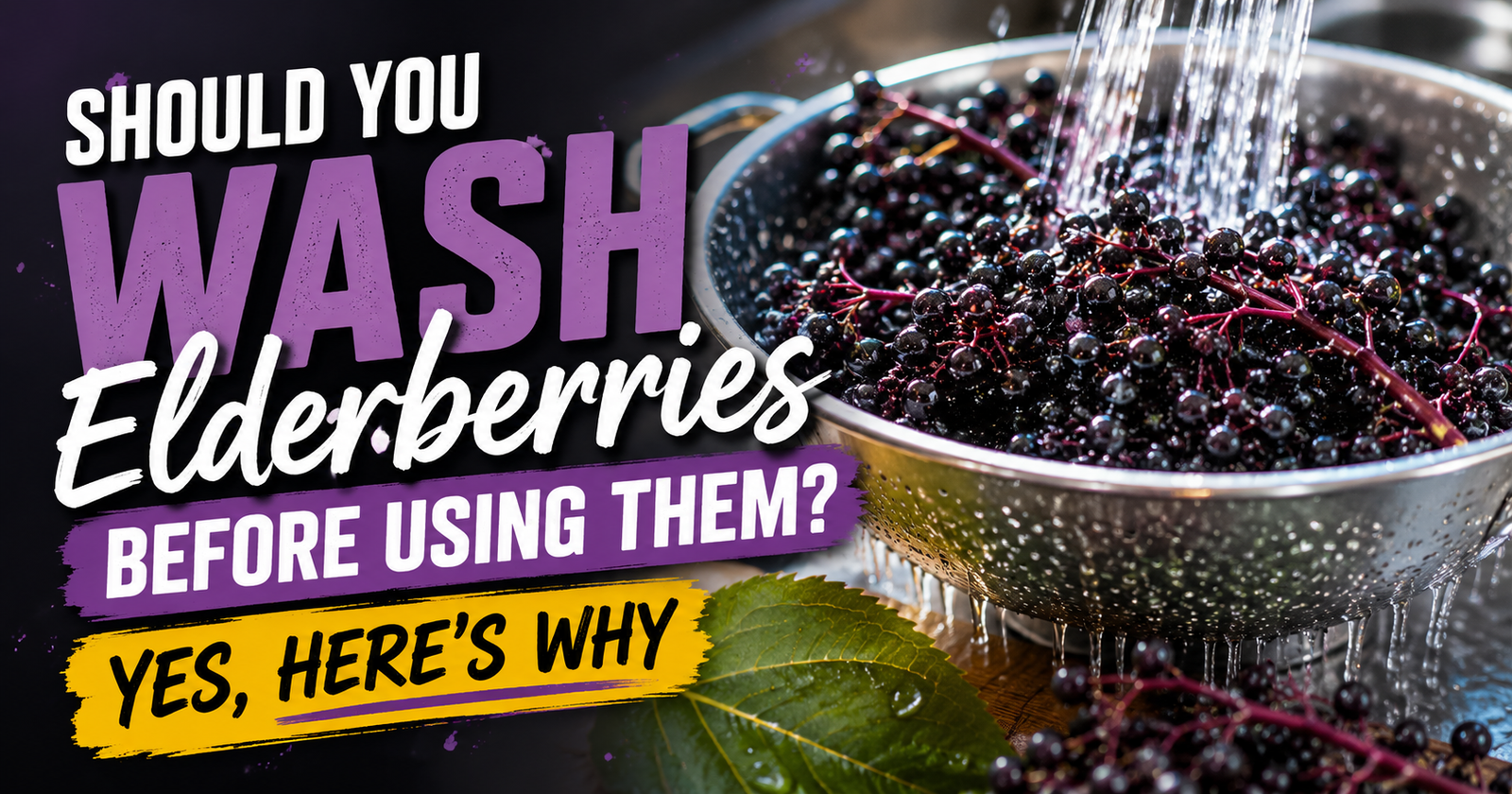
If you’re wondering exactly how I clean mine, take a look at Should You Wash Elderberries Before Using Them? Yes, Here’s Why.
Freezing Is My Favorite Way To Save A Big Harvest
Sometimes life gets in the way.
Maybe you harvested more berries than expected.
Maybe you simply don’t have time to make syrup that afternoon.
That’s where freezing becomes incredibly useful.
Instead of feeling rushed, I simply freeze the berries and make syrup later when I have more time.
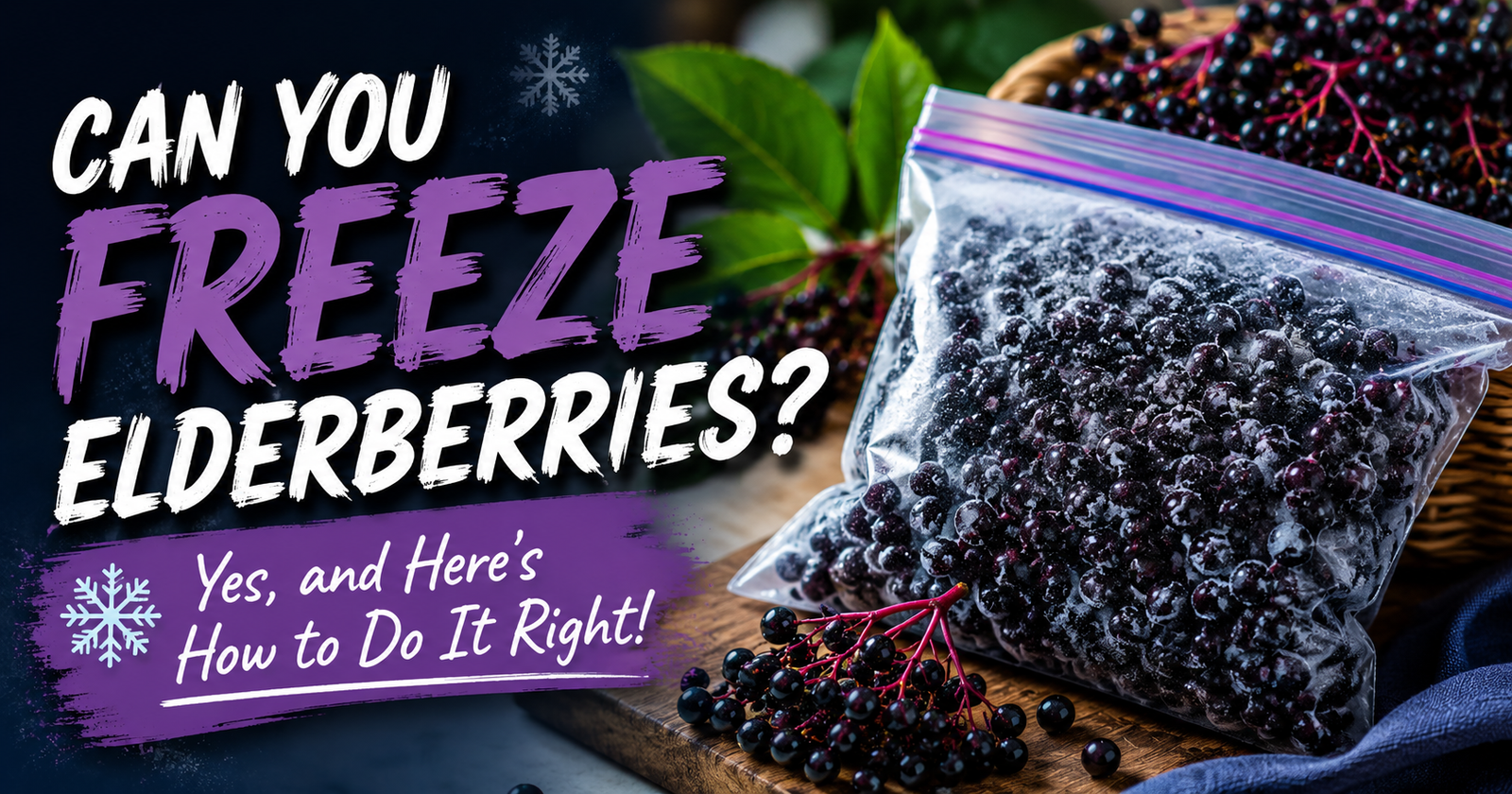
If you’ve never done it before, Can You Freeze Elderberries? Here’s the Best Way to Do It walks you through the entire process step by step.
One Tool That Has Saved Me A Lot Of Freezer Space
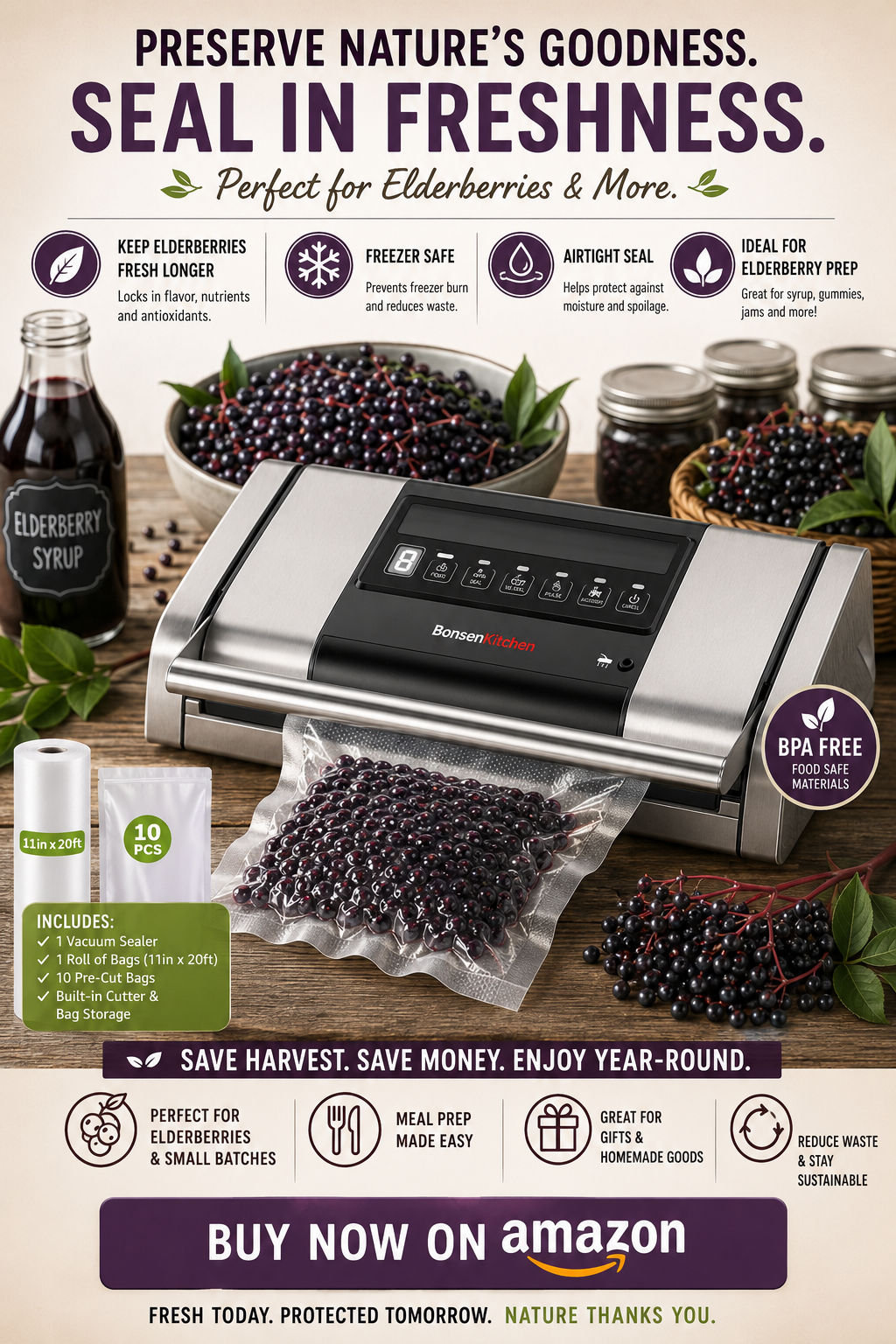
If you freeze elderberries every season, one kitchen tool that’s well worth having is a vacuum sealer. Removing excess air helps protect berries from freezer burn while keeping them fresher for much longer. I use the Bonsenkitchen Vacuum Sealer with Built-In Cutter and Bag Storage because it’s simple to use, seals bags quickly, and works just as well for garden vegetables, meat, and leftovers as it does for elderberries. It’s one of those tools that ends up getting used all year instead of only during harvest season.



Should You Leave Elderberries On The Stems?
If I’m only storing berries for a day or two, I usually leave the clusters intact.
There’s no reason to spend time removing every berry immediately if I’m not ready to process them.
When it’s time to make syrup or freeze the berries, I remove them from the stems first.
If you’ve ever wondered why recipes place so much emphasis on this step, read Are Elderberry Stems Poisonous? What You Need to Know.
How To Tell When Elderberries Have Gone Bad
Before using stored elderberries, I always inspect them carefully.
Throw away berries that are:
- Moldy
- Slimy
- Leaking juice
- Giving off a sour smell
- Covered with fuzzy growth
It’s never worth risking an entire batch of syrup by using questionable berries.
Harvest Timing Makes A Difference
Proper storage actually starts before the berries ever reach your kitchen.
Harvesting fully ripe elderberries helps maximize both flavor and storage life.
If berries are picked too early, they may not ripen properly after harvest.
If you’re still learning when to harvest, I recommend When to Harvest Elderberries: Timing, Signs of Ripeness, and How Not to Ruin Your Batch.
Can You Refrigerate Homemade Elderberry Syrup?
Absolutely.
Fresh berries have a relatively short shelf life.
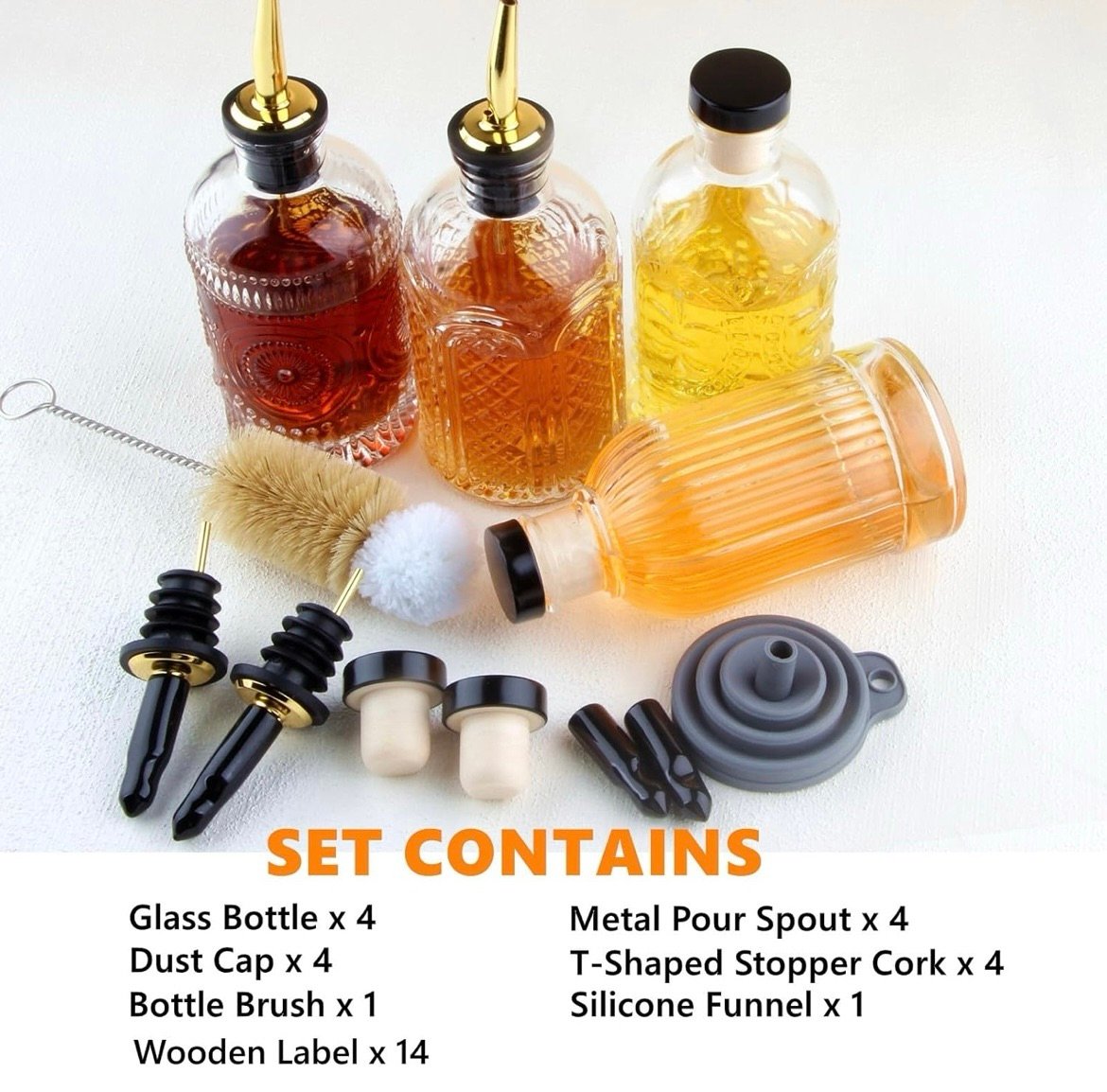
Homemade syrup is a completely different story. Once your berries become syrup, glass syrup bottles can help keep the finished batch organized for refrigeration.
Once you’ve turned your harvest into syrup, proper refrigeration helps extend its freshness considerably.

If you’re ready to turn your berries into syrup, How to Make Elderberry Syrup From Fresh Elderberries: DIY Guidecovers everything from preparation to bottling.
Start With Healthy Berries
One of the easiest ways to improve storage life is simply starting with healthy fruit.
I always remove:
- Damaged berries
- Green berries
- Moldy berries
- Leaves
- Loose stem pieces
Doing this before storing them prevents one bad berry from affecting the rest of the batch.

If you’re new to harvesting elderberries, you’ll also want to read Can You Eat Fresh Elderberries? Here’s What to Know First before tasting berries straight from the bush.
Don’t Wait Too Long
Every harvest season I hear from someone who left a bucket of elderberries sitting in the garage for several days, only to discover mold or fermentation had already started.
Fresh elderberries reward quick action.
Whether you refrigerate them, freeze them, or immediately turn them into syrup, having a plan helps preserve both the flavor and the hard work that went into harvesting them.
A Little Planning Saves Your Harvest
Fresh elderberries may not last as long as many other fruits, but that doesn’t mean they’re difficult to work with.
By keeping them cool, avoiding excess moisture, freezing them when needed, and processing them before they begin to spoil, you can enjoy your harvest long after elderberry season has ended.
Those few extra steps have helped me waste far fewer berries over the years, and they’ve made every batch of homemade syrup just a little bit better.
Author
Sarah Whitmore
Sarah Whitmore is an herbal enthusiast, backyard grower, and independent researcher who has spent years growing elderberries, preserving seasonal harvests, and preparing traditional elderberry recipes. Through Elderberry Pro, she shares practical growing advice, food safety information, storage tips, and research-backed guides to help readers confidently enjoy elderberries from harvest to homemade syrup.