
Most people taking elderberry are doing it slightly wrong.
Not dangerously wrong. But wrong enough that they’re probably getting less out of it than they should — taking too little to have a real effect during illness, or taking it at the wrong time, or grabbing whatever dose is printed on the label without understanding whether that dose is calibrated for their actual goal.
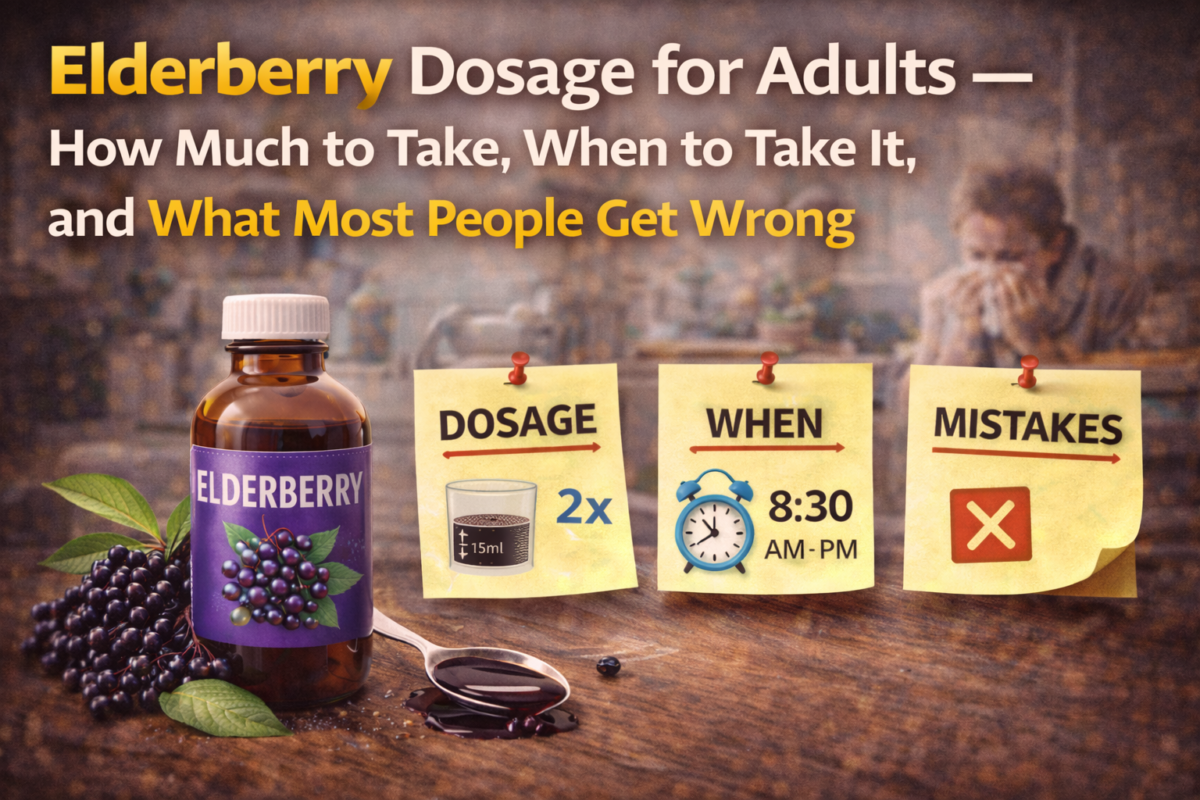
Elderberry dosage isn’t complicated, but it isn’t one-size-fits-all either. The right amount depends on what form you’re taking, whether you’re using it for daily prevention or acute illness, and a few other factors most supplement labels never bother to explain.
This is the complete guide. By the end you’ll know exactly how much to take, when to take it, how long to keep taking it, and what the actual warning signs of too much look like.
Why Dosage Actually Matters With Elderberry
Some supplements are so mild that dosage is mostly a formality. Elderberry isn’t one of them.
At appropriate doses, elderberry has documented effects on immune function — specifically on cytokine production and viral inhibition. That’s why it works. But those effects are dose-dependent. A maintenance dose that keeps your immune system gently supported is meaningfully different from a therapeutic dose intended to shorten an active illness.
Taking a maintenance dose when you’re sick is like bringing a garden hose to a house fire. Technically the same substance, not remotely the same effect.
Understanding the difference — and knowing when to shift gears — is the whole game with elderberry.


The Four Forms and How Dosage Differs Between Them
Before getting into specific numbers, it helps to understand why dosage varies so much between products. The active compounds in elderberry — primarily anthocyanins from the berry’s dark pigment — are present in very different concentrations depending on how the product was made.
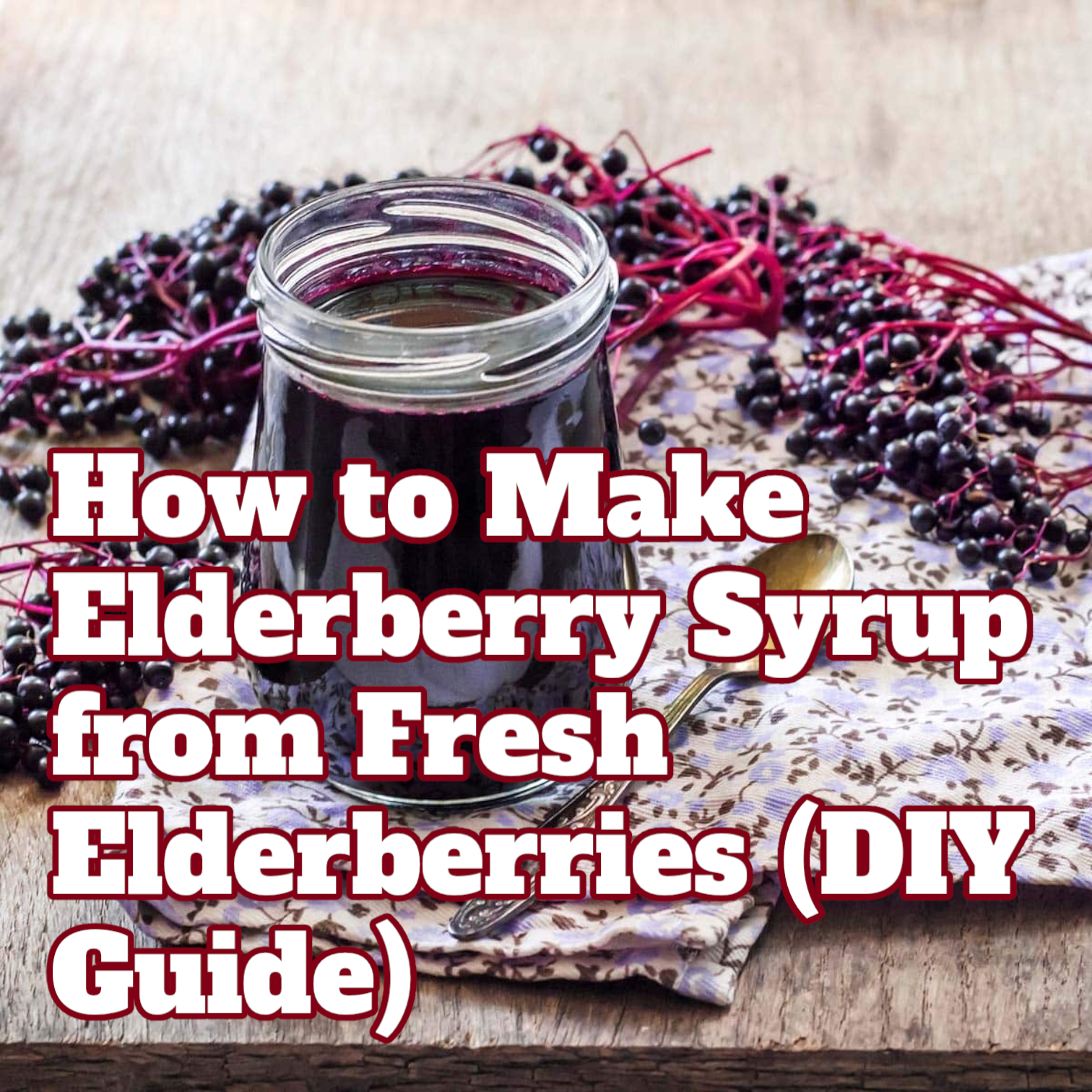
Elderberry Syrup
Homemade elderberry syrup and commercial elderberry syrup are not the same thing, even though they go by the same name.
Commercial syrups vary enormously in concentration. Some are essentially elderberry-flavored sugar water with trace amounts of extract. Others are highly concentrated and standardized. Reading the label matters — look for the amount of elderberry extract per serving, not just that elderberry is an ingredient.
Homemade syrup made from dried elderberries following a standard recipe is typically in the moderate-concentration range — effective, but not as concentrated as the best commercial extracts.
Standard dosing for elderberry syrup:
- Maintenance/prevention: 1 tablespoon (15ml) once daily
- Active illness/therapeutic: 1 tablespoon (15ml) three to four times daily
- Maximum daily therapeutic dose: 4 tablespoons (60ml) per day for adults
The four-times-daily therapeutic dose is what the research studies typically use. If you’re taking one tablespoon and calling it done when you’re actively sick, you’re under-dosing for the situation.
Elderberry Gummies
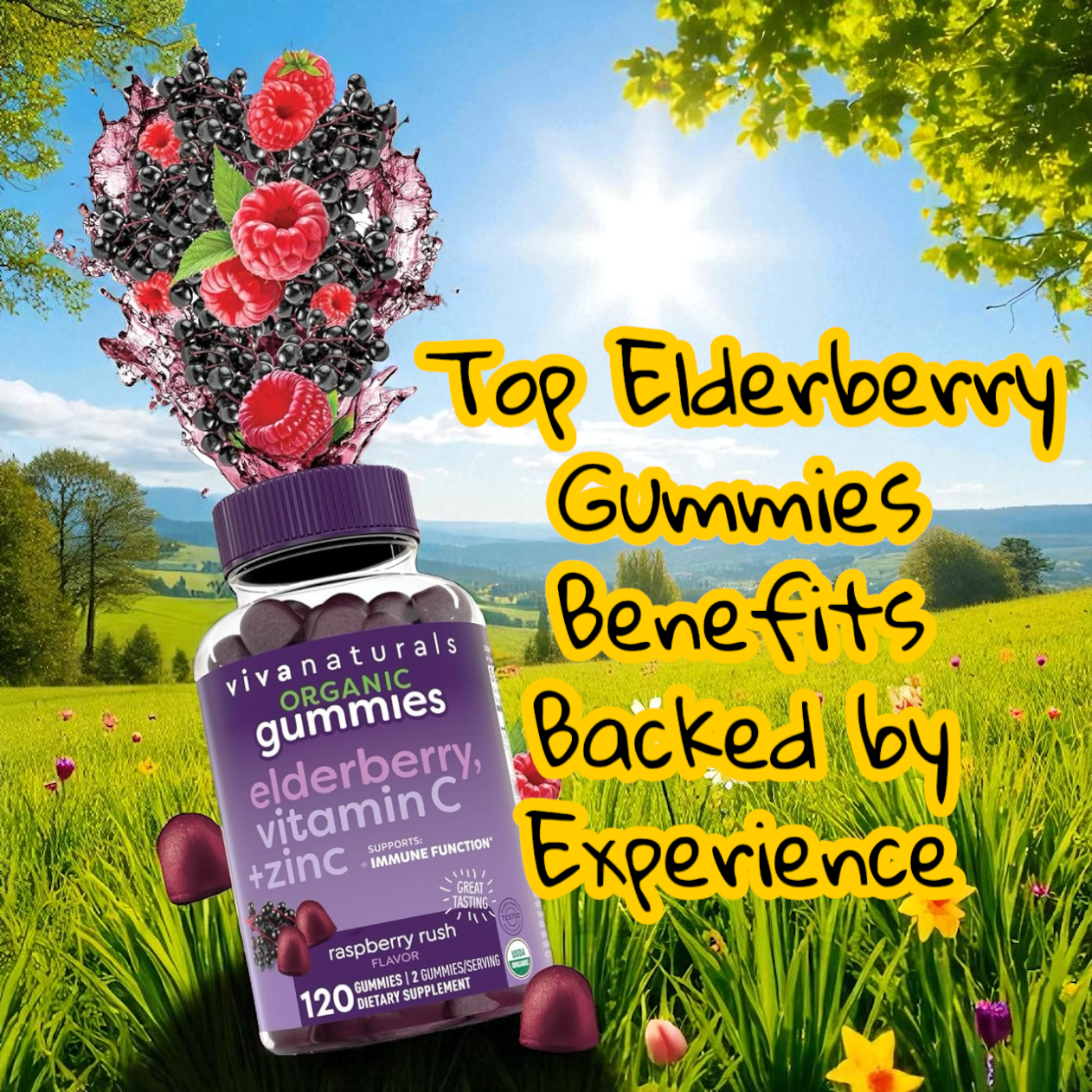
Gummies are convenient and consistent, which is why they’ve become one of the most popular forms — but they’re also where you’re most likely to be getting less elderberry than you think.
Many elderberry gummies on the market are dosed at 50–100mg of elderberry extract per gummy. At that concentration, one or two gummies a day puts you in a reasonable maintenance range. But it also means that during acute illness, scaling up to a therapeutic dose means eating a lot of gummies — and a lot of the sugar that comes with them.
Look for gummies standardized to a specific anthocyanin content rather than just total elderberry extract weight. That tells you something meaningful about potency. If the label just says “elderberry fruit powder” without specifying extract concentration, you’re probably getting a weaker product.
Standard dosing for elderberry gummies:
- Maintenance: follow label — typically 1–2 gummies daily
- Therapeutic: 2–3x the maintenance dose, up to the label maximum
- Always check: is it elderberry extract or elderberry fruit powder? Extract is stronger.
Elderberry Capsules and Tablets
Capsules and tablets offer the most precise and consistent dosing, which is why they’re popular with people who treat elderberry more like a clinical supplement than a food product.
Most capsule products are standardized to a specific extract concentration — commonly 500mg elderberry extract per capsule, sometimes higher. This makes therapeutic dosing easier because you’re not guessing about concentration the way you might with syrup or gummies.
Standard dosing for elderberry capsules:
- Maintenance: 500–600mg elderberry extract daily
- Therapeutic: 600–900mg three times daily during illness
- Research-supported: the 2004 flu study used 15ml of liquid extract four times daily, roughly equivalent to 600–800mg standardized extract four times daily
Elderberry Tea
Tea is the gentlest form of elderberry and the hardest to dose precisely. Steeping dried elderberries in hot water extracts some of the active compounds but far less than a concentrated syrup or extract.
Think of elderberry tea as a daily wellness habit rather than a therapeutic dose. It’s real and it’s beneficial — the health benefits of elderberry tea go beyond just immune support — but if you have an active cold and you’re relying on tea as your primary intervention, you’re under-dosing for the situation.
Standard dosing for elderberry tea:
- 1–2 cups daily for general wellness
- Not adequate as a sole therapeutic intervention during acute illness
- Works well combined with syrup or capsules
Dosage by Goal: Prevention vs. Treatment
This is the distinction most people miss, and it’s the most important one.
Goal 1: Daily Prevention Through Cold Season
You feel fine. You want to stay that way. You’re using elderberry the way you might use vitamin C — as a consistent background support for your immune system through the months when everyone around you is getting sick.
What to take: 1 tablespoon syrup daily, or 1–2 standard gummies, or 500mg capsule. Once a day is enough.
When to take it: Morning is fine for most people. Some find it easier on the stomach with food, especially if they’re prone to digestive sensitivity. Timing relative to meals doesn’t significantly affect absorption.
How long: Through the cold and flu season — typically September through March in most of the U.S. Some people take it year-round. There’s no documented harm in continuous use, though many practitioners recommend cycling off for a month or two in summer simply because the theoretical concern about prolonged immune stimulation is worth respecting cautiously.
Goal 2: You Feel Something Coming On
The scratchy throat. The unusual fatigue at 3pm. That specific feeling you’ve learned to recognize as the beginning of a cold. This is your golden window.
What to take: Immediately shift to therapeutic dosing. 1 tablespoon syrup every 4–6 hours (not just once), or equivalent in your chosen form.
When to start: Now. Not tonight. Not tomorrow morning. The earlier you hit a viral infection with elderberry, the better the evidence supports a meaningful reduction in duration and severity. Waiting 48 hours after symptoms appear is waiting too long for maximum effect.
How long: Continue therapeutic dosing until you’ve been symptom-free for 24–48 hours. Most acute colds resolve in 5–7 days; therapeutic elderberry use typically runs the same window.
Goal 3: You’re Already Sick
You didn’t catch it early. You’re on day three and you’re miserable. Is elderberry still worth taking?
Yes — but adjust your expectations. The research showing dramatic duration reduction is mostly in people who started early. Once a viral infection is fully established and replicating aggressively, elderberry’s mechanism of blocking cell entry is less impactful.
That said, elderberry’s anti-inflammatory properties and immune support still provide meaningful benefit. You’re likely reducing severity even if you can’t fully reduce duration at this point.
What to take: Full therapeutic dose, same as above. No reason to hold back.
Combine with: Zinc lozenges if you haven’t already started them — zinc has its own mechanism of disrupting viral replication that works somewhat independently of elderberry. Vitamin C as a supporting player. And the boring basics: sleep, fluids, rest. For a full comparison of how these stack up against each other, elderberry vs. zinc vs. vitamin C breaks down exactly when to use what.


Dosage Considerations by Individual Factors
Body Weight
Most elderberry research doesn’t dose by body weight the way some medications do. The standard adult doses above apply across a fairly wide weight range. That said, common sense suggests a 120-pound person and a 250-pound person may not have identical optimal doses. If you’re on the larger end of the adult weight range and not getting the results you expect at standard doses, experimenting with the higher end of the therapeutic range is reasonable.
Age
Adult dosing is generally appropriate from late teens onward. For seniors, particularly those over 70, two considerations apply:
First, immune function naturally declines with age — elderberry’s immune support becomes more rather than less relevant. Standard adult dosing is appropriate.
Second, seniors are more likely to be on multiple medications. Elderberry is not known to interact with most common medications, but anyone on immunosuppressants, blood thinners, or diabetes medications should have a conversation with their prescriber before starting. More on interactions below.
For children’s dosing, that’s a different subject with its own nuances — covered in detail here: elderberry for kids — is it safe, how much, and what form actually works.
Autoimmune Conditions
If you have an autoimmune condition — rheumatoid arthritis, lupus, multiple sclerosis, Crohn’s, and others — elderberry’s immune-stimulating properties are the thing to think carefully about. These conditions involve an overactive immune response, and stimulating that response further is theoretically counterproductive at best, problematic at worst.
This isn’t a blanket prohibition — many people with autoimmune conditions take elderberry without issue. But it’s a conversation to have with your rheumatologist or specialist, not a solo decision.
People on Immunosuppressant Medications
Same logic applies. If you’re taking medication specifically to dial down your immune response — post-transplant patients, people managing autoimmune disease with biologics — elderberry’s mechanism works against that goal. Avoid or consult your physician.

When to Take Elderberry: Timing Matters More Than You Think
Most people take elderberry whenever they remember, which is fine for general prevention but suboptimal for therapeutic use.
With food or without? Either works. Some people find elderberry on an empty stomach causes mild nausea, particularly at therapeutic doses. If that’s you, take it with meals. If you don’t have that issue, timing relative to food doesn’t significantly affect how it works.
Morning vs. night? For maintenance dosing, morning is slightly preferable — your immune system does a lot of its work while you sleep, and supporting it through the day gives it more material to work with. For therapeutic dosing, the timing between doses matters more than which time of day you start — maintain consistent 4–6 hour intervals.
Consistency matters more than perfection. Missing a day here and there during prevention mode doesn’t undermine the whole effort. During therapeutic dosing, try to maintain the interval — skipping doses when you’re sick defeats the purpose.
For a detailed breakdown of a real daily routine built around elderberry timing, this is worth reading: when to take elderberry for best results — my proven routine.
Can You Take Too Much Elderberry?
Yes, though it takes some doing.
The most common side effect of too much elderberry is digestive upset — nausea, stomach cramping, or loose stools. This is more common with concentrated extracts or capsules than with syrup or tea, and more common on an empty stomach. If you experience this, reduce your dose and take it with food.
Raw or undercooked elderberries are genuinely toxic and cause more serious symptoms — vomiting, severe nausea, and diarrhea. This is a processing issue, not a dosage issue. All properly prepared elderberry products — commercial or homemade syrup that’s been cooked — have had the problematic compounds destroyed. If you’re buying from a reputable brand or making your own syrup correctly, this isn’t a concern. If you’re eating berries straight from a bush, it is. Details here: never eat elderberries until you read this.
The theoretical concern about prolonged, continuous immune stimulation — essentially, that chronically overstimulating the immune system could cause inflammation or autoimmune-like effects — is worth knowing about but has not been documented in human use at normal supplement doses. It’s the reason many practitioners suggest taking a break from elderberry in summer rather than using it 365 days a year, but it’s not a reason to avoid elderberry during the seasons when you actually need it.
If you’re experiencing stomach pain specifically after elderberry, this covers the most likely explanations and fixes: stomach pain after elderberry — here’s what might be happening.

What to Look For on a Label
Since elderberry products vary enormously in quality and concentration, here’s what to actually look for:
Standardized extract — look for a product that lists the anthocyanin content or is described as a standardized extract. This means the concentration is consistent batch to batch.
Elderberry species — should say Sambucus nigra (European elderberry) or Sambucus canadensis (American elderberry). Both are appropriate.
Extract vs. powder — “elderberry fruit powder” is the whole dried berry ground up. “Elderberry extract” is concentrated. Extract is more potent milligram for milligram. A 500mg extract capsule and a 500mg fruit powder capsule are not equivalent.
Added sugar — relevant especially for gummies and syrups. High sugar content isn’t dangerous but adds calories and undermines the health rationale for taking it in the first place. Look for options sweetened with honey or with lower added sugar overall.
Honey vs. no honey — if you’re giving elderberry syrup to an infant under one year, or if you’re vegan, you need a honey-free formulation. How to make elderberry syrup without honey covers the DIY version.

Building Your Elderberry Routine: A Practical Framework
Here’s how to actually put this into practice without overcomplicating it:
September through March: Take a maintenance dose daily. One tablespoon syrup, or your gummy/capsule equivalent. Morning, with breakfast. Done.
The moment you feel something coming: Switch to therapeutic dosing immediately. Set a phone reminder for every five hours if you need to. Stay on therapeutic dosing until you’ve been symptom-free for a full day.
Keep it on hand. The single biggest mistake people make with elderberry is not having it when they need it. Elderberry is useless if it’s on your shopping list on day two of a cold. Stock it in September. Refill before you run out.
Pair it intelligently. Elderberry works well alongside vitamin C as a daily baseline and zinc lozenges as an acute intervention. They’re not redundant — they work through different mechanisms. Think of them as a layered response rather than alternatives. For more on how I personally run this routine day to day: how I use elderberry to boost my immune system daily.
The Quick Reference
Daily prevention: 1 tbsp syrup OR 1–2 gummies OR 500mg capsule — once daily
First sign of symptoms: 1 tbsp syrup OR equivalent — every 4–6 hours
Active illness: Same as above — maintain interval, don’t skip doses
Maximum adult daily dose: 4 tbsp syrup (60ml) or equivalent in other forms
Duration of therapeutic use: Until 24–48 hours after symptoms resolve
Who should consult a doctor first: Autoimmune conditions, immunosuppressant medications, pregnancy (first trimester especially), infants under one year

About the Author
Dr. James Calloway is a functional medicine practitioner with over twenty years of clinical experience and a long-standing focus on evidence-based natural therapeutics. He completed his medical training at the University of Michigan and holds additional certification in integrative medicine through the Academy of Integrative Health and Medicine. He writes for ElderberryPro.com to help everyday people navigate the gap between supplement marketing and what the research actually shows. Nothing in his writing constitutes personal medical advice.
As an Amazon Associate we earn from qualifying purchases through some links in our articles.