
What the heck does elderberry taste like anyway? We know they are considered a super food but do they taste good or bad?


Key Takeaways
- Never taste raw elderberries — they contain toxic compounds that cause vomiting and nausea
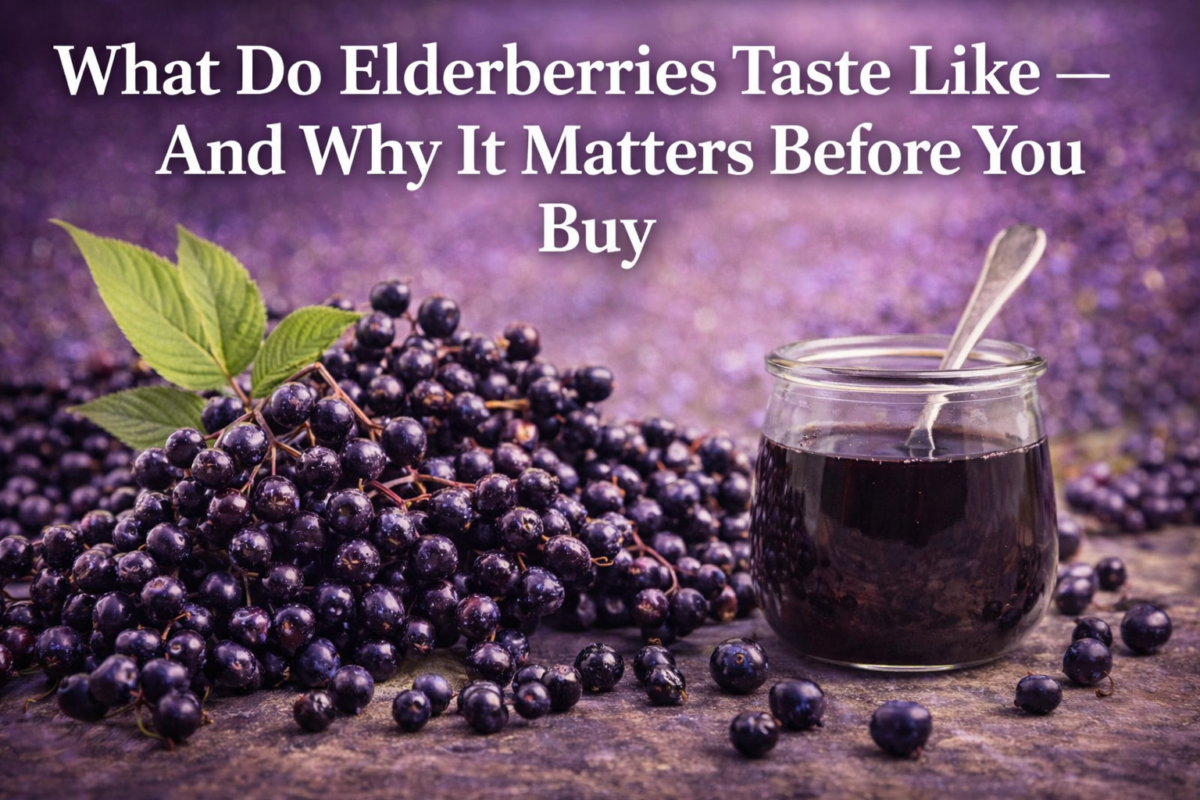
- Cooked elderberries taste deep, earthy, and tart — like a wilder, more complex blackberry
- Elderberry syrup is sweet, rich, and berry-forward — most people genuinely enjoy it
- Elderberry gummies taste like berry candy — the easiest form to take consistently
- Elderberry tea is mild, slightly tart, and earthy — pleasant but subtle
- Elderberry wine is bold, dry, and tannic — more like a red wine than a fruit drink
- The form you choose matters a lot if you’re taste-sensitive or buying for kids
If you’re considering elderberry for the first time — or trying to figure out which form your family will actually take consistently — flavor matters more than most supplement articles admit.
Because it doesn’t matter how effective elderberry is if you hate the taste and stop taking it after three days. Or if your kid spits it out every morning. Or if you spend $25 on a bottle of syrup that tastes nothing like you expected.
Here’s the complete honest guide to what elderberry tastes like in every form — so you know exactly what you’re getting before you buy.


First: Why You Can’t Just Taste a Raw Elderberry
Before getting into flavor descriptions, something important: you cannot safely eat raw elderberries to find out what they taste like.
Raw elderberries contain cyanogenic glycosides — compounds that release cyanide during digestion and cause nausea, vomiting, and stomach cramping. The berries must be cooked to break down these compounds before they’re safe to consume. The same applies to the leaves, stems, bark, and seeds of the plant — all toxic raw.
This is why every elderberry product you’ll actually use — syrup, gummies, capsules, tea — has been either cooked or properly processed. The flavor descriptions below are all based on properly prepared elderberry, not the raw berry. Full details on raw elderberry toxicity: never eat elderberries until you read this.
What Do Cooked Elderberries Taste Like?
Once cooked, elderberries develop a genuinely complex and appealing flavor that surprises most people who expect something purely medicinal.
The best way to describe cooked elderberry flavor: imagine a blackberry or dark blueberry, then make it earthier, more tart, slightly wilder, and more concentrated. There’s real depth — not the simple sweetness of a cultivated berry but something more layered and assertive.
Specific flavor notes people consistently describe:
- Deep dark berry — blackberry and blueberry are the closest comparisons
- Earthy and slightly wild — less refined than store-bought berries
- Tart with a lingering finish — not sharp, but definitely not sweet on its own
- Faintly floral underneath the earthiness
- Slightly tannic — a mild dryness that coats the mouth like a red wine
The intense purple-black color tells you something about the flavor — this is a concentrated, pigment-rich berry with bold character. It’s not subtle.
Most people who describe not liking elderberry are reacting to an improperly made product, an overly concentrated or under-sweetened preparation, or a bad commercial syrup with weak elderberry content buried under artificial flavoring. Quality elderberry prepared well is genuinely enjoyable.
What Does Elderberry Syrup Taste Like?
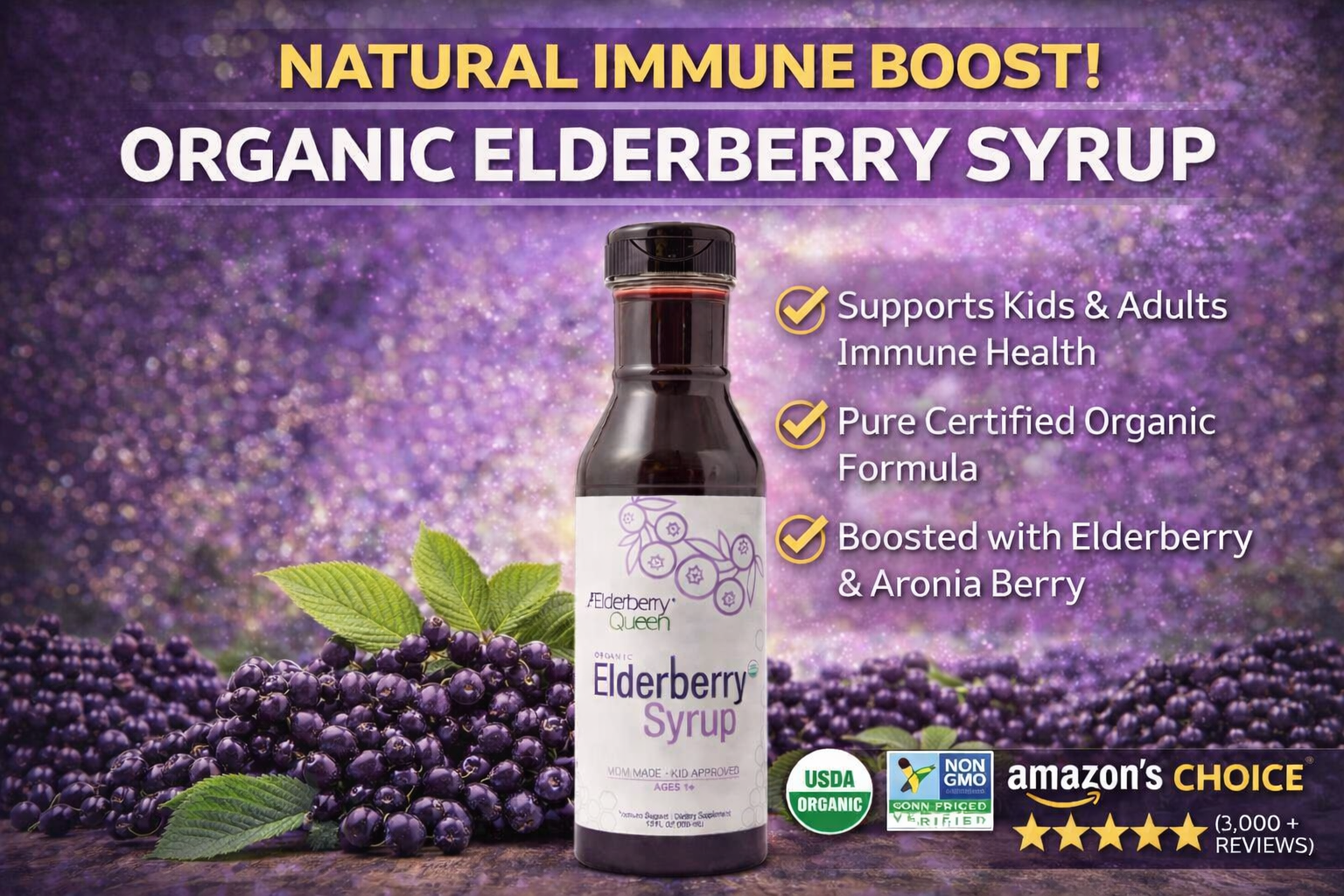
Elderberry syrup is what most people encounter first — and the good news is it’s the most immediately approachable form in terms of flavor.
Good elderberry syrup tastes like a rich, concentrated dark berry syrup with warmth from honey and spice. Think of a high-quality blackberry preserve dissolved into a thick, pourable liquid — with depth, a hint of tartness, and a warm spiced finish from cinnamon and cloves. Sweet but not cloying. Bold but not harsh.
Most people are genuinely pleasantly surprised. It doesn’t taste like medicine the way echinacea tinctures or other herbal preparations do. It tastes like food — specifically like a sophisticated dark berry syrup you’d drizzle over pancakes if it weren’t so potent.
What Affects Syrup Flavor
Honey type — raw local honey adds floral complexity that makes syrup taste rounded and full. Processed honey produces flatter sweetness. Honey-free syrups taste cleaner and more tart but less rich.
Spice blend — cinnamon and cloves are traditional additions that add warmth. Ginger gives a pleasant bite. Some syrups skip the spices entirely for a purer berry flavor — both approaches work, they just taste different.
Concentration — homemade syrup where the liquid has been properly reduced tastes significantly more intense than diluted commercial products. The elderberry should be front and center. If it tastes watery or weak, the syrup is underdone or the product is low quality.
Commercial vs. homemade — many commercial syrups are weaker and sweeter than homemade. Some use elderberry as a minor ingredient with sugar as the primary one. Always check that elderberry extract appears near the top of the ingredient list.
Does Elderberry Syrup Taste Good to Kids?
Most kids take elderberry syrup without significant complaint — which is one of its real advantages as a family supplement. The honey sweetness makes it familiar and the berry flavor doesn’t read as “medicine” to most children.
Some kids resist the tartness or earthiness, especially if they’re accustomed to very sweet processed flavors. If your child fights the syrup, gummies are almost always the solution. For kids who do take it — most do — a tablespoon off the spoon or stirred into a small amount of juice works fine.

What Do Elderberry Gummies Taste Like?
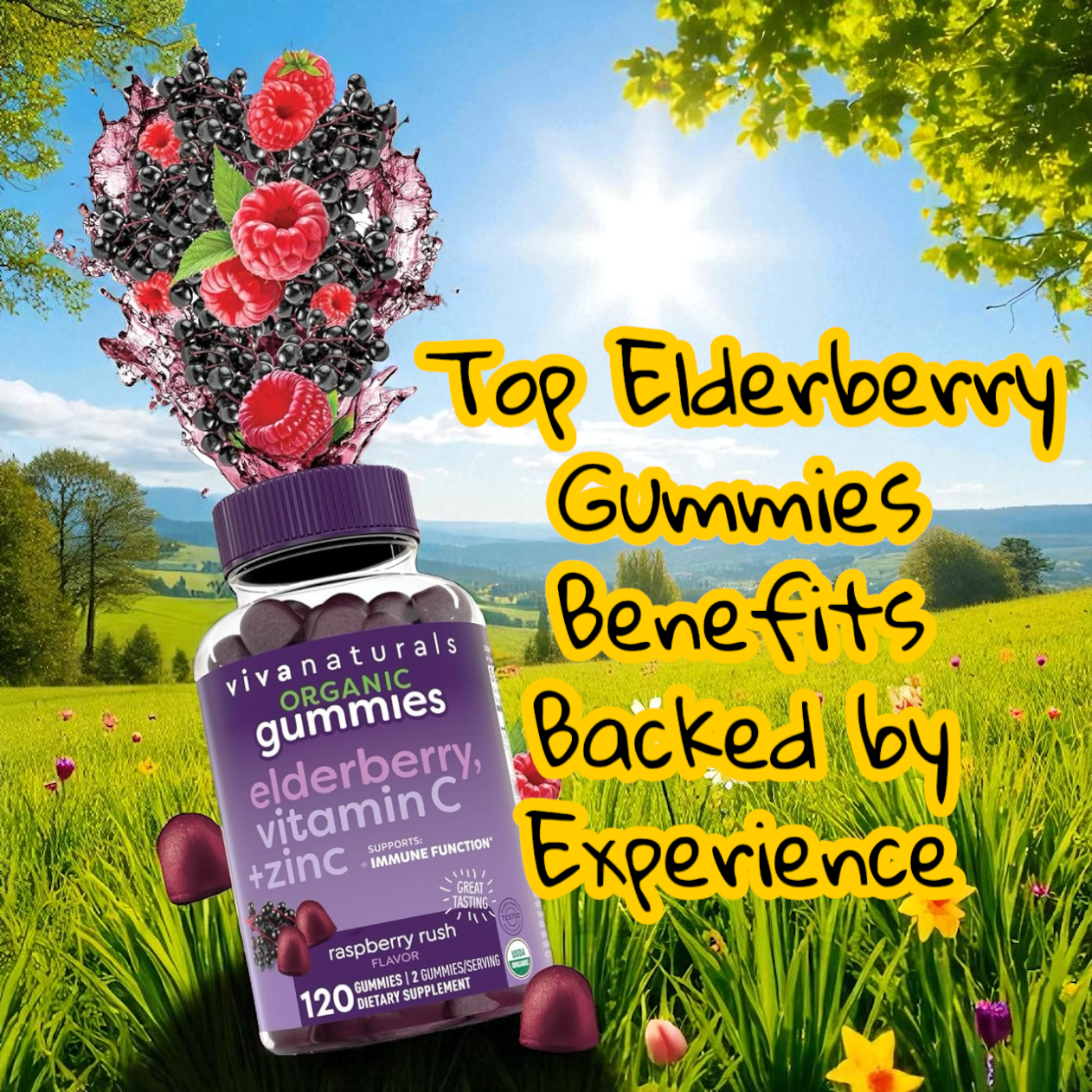
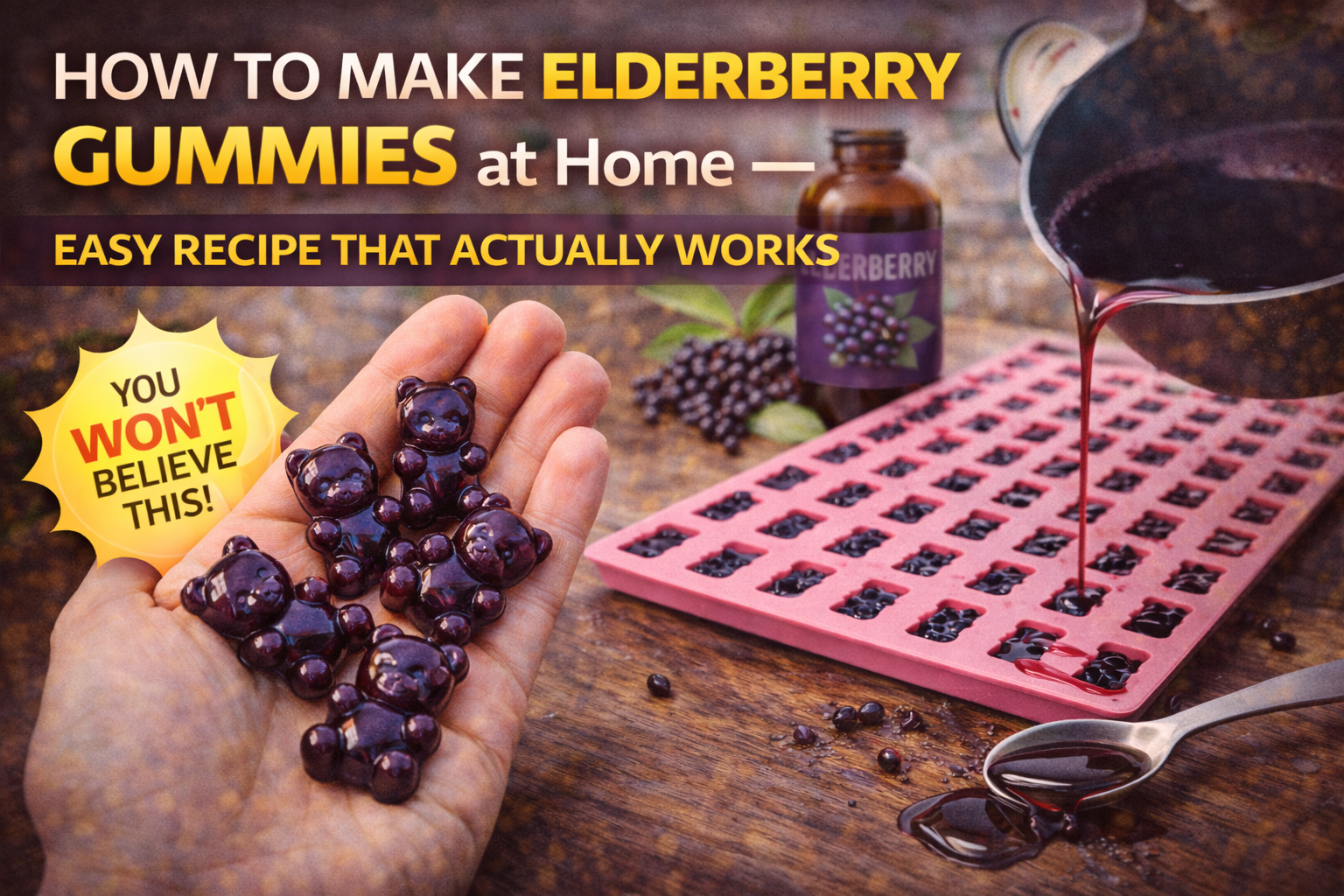
Elderberry gummies taste like berry-flavored candy. That’s accurate and also why they’re the most popular elderberry form for both kids and taste-sensitive adults.
The elderberry flavor is present but softened considerably by sweeteners, citric acid, and other flavoring. What you get is a pleasantly tart, sweet, chewy berry gummy that most people actively enjoy rather than just tolerate. It’s the form that requires the least convincing for daily habit formation.
The trade-off is usually added sugar and somewhat diluted elderberry content compared to syrup or capsules. Many commercial elderberry gummies prioritize palatability over potency — perfectly fine for daily maintenance but worth knowing if you’re trying to dose therapeutically during illness.
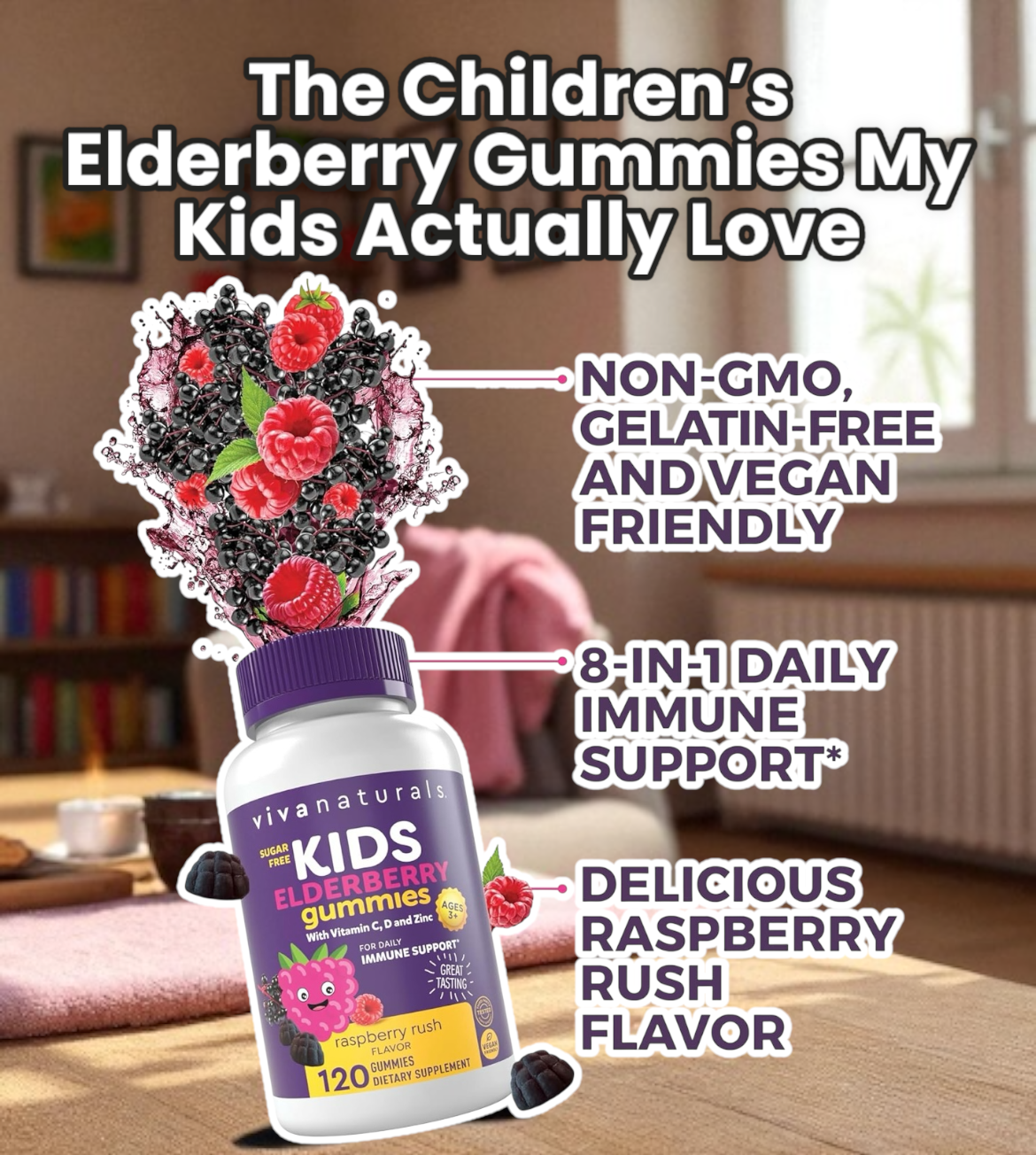
For kids: near-universal success. The challenge is usually preventing them from eating the whole bottle, not convincing them to take their daily dose. The best children’s options tested honestly: the children’s elderberry gummies my kids actually love.
For adults: quality has improved significantly. The best adult gummies now deliver meaningful elderberry extract content alongside genuinely good flavor — not waxy or artificial. Full breakdown: why elderberry gummies for adults are my go-to immune booster.
What Does Elderberry Tea Taste Like?
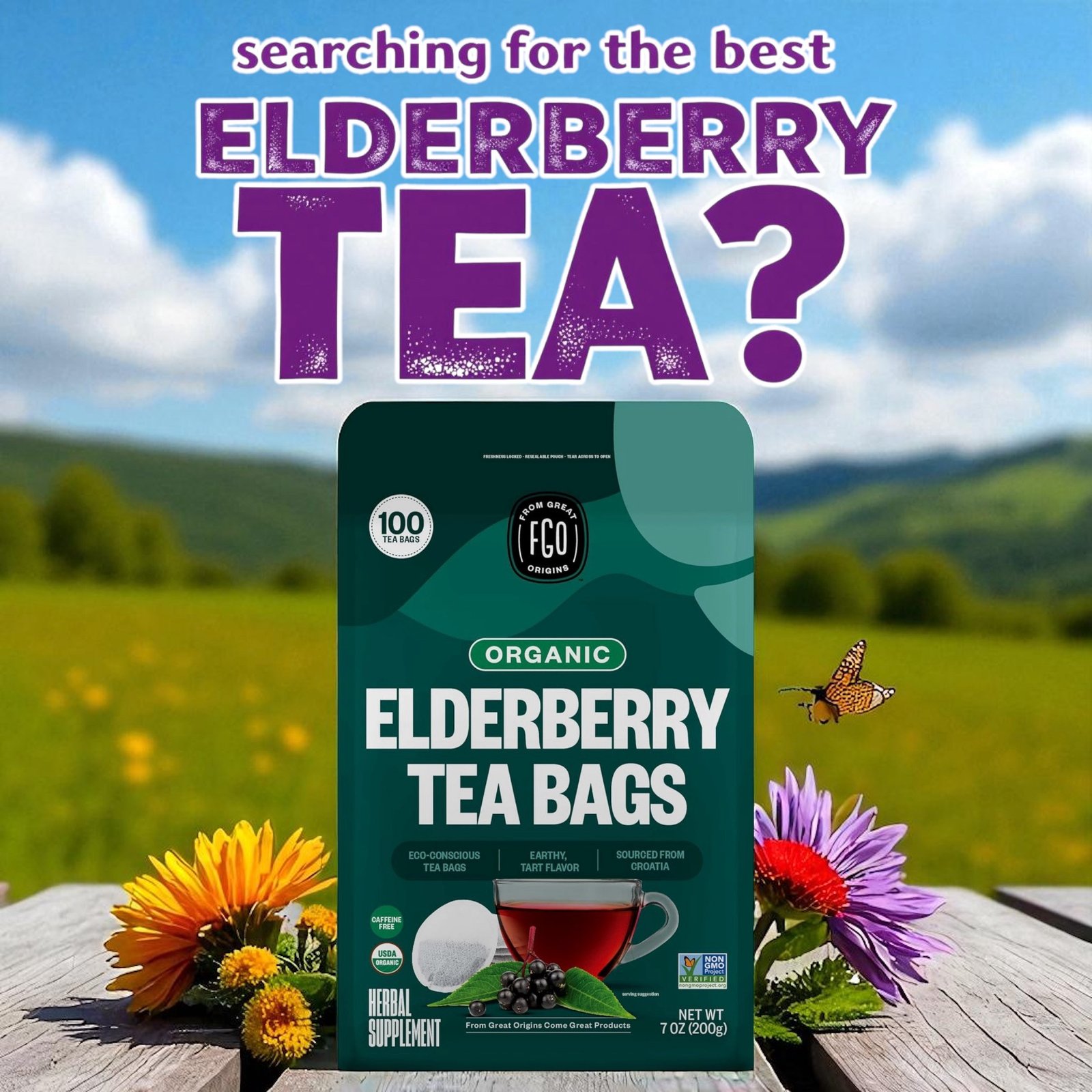
Elderberry tea is the most subtle elderberry form — mild, gently tart, faintly earthy, with a natural berry quality that’s more suggested than pronounced.
If you’re expecting a bold berry punch, you’ll be underwhelmed. Elderberry tea tastes more like a delicate herbal tisane than a fruit tea. The color brews a beautiful deep red-purple that looks more intense than the flavor delivers.
Plain elderberry tea — dried elderberries steeped in hot water — tastes:
- Mildly tart with gentle astringency
- Faintly sweet in an understated, natural way
- Earthy and herbal rather than fruity
- Somewhere between hibiscus tea and a very light red berry tea
Most commercial elderberry teas blend elderberry with complementary flavors — hibiscus, rosehip, cinnamon, blackcurrant — producing a more satisfying and complex cup than plain elderberry alone.
Adding honey transforms elderberry tea into something genuinely delicious. A squeeze of lemon brightens it further. Both additions are worth making standard rather than optional.
Elderberry tea before bed is a popular choice — the mild flavor is soothing rather than stimulating and the warmth is genuinely comforting during cold season. Everything about elderberry tea’s taste, benefits, and best timing: health benefits of elderberry tea — what it does and when to drink it.
What Does Elderberry Wine Taste Like?
Elderberry wine is bold, dry, tannic, and complex — much closer to a red wine experience than a sweet fruit punch.
People consistently describe elderberry wine as:
- Similar to a dry cabernet or merlot but with wilder, earthier character
- Deep and slightly sharp when young, mellowing to rich and smooth with age
- Intensely dark in color with a long finish
- Tart with real tannin structure — this is not a sweet wine
Young elderberry wine under six months can taste quite sharp and aggressive. This is normal and not a sign something went wrong. Given 6–12 months the tartness rounds out, the earthiness integrates, and what emerges is a genuinely impressive wine with real complexity.
It pairs well with bold foods — roast meats, aged cheeses, dark chocolate — rather than light dishes. Serving it slightly cool rather than room temperature tames some of the tannin and brightens the berry character.
Full guide to making it and what to expect at each stage of aging: how to make elderberry wine at home.


What Does Elderberry Smell Like?
The aroma of cooked elderberry is distinctive — dark, slightly floral, earthy, and berry-forward. It smells more complex than it smells sweet. Some people describe a faint musky or jammy note underneath the berry.
Raw elderberry plants have a different smell — the leaves and stems have a somewhat unpleasant, bitter green scent that’s part of why foragers learn to identify the plant by sight rather than smell. The berries themselves when ripe have a subtle, sweet-dark fruit smell.
Elderberry syrup cooking on the stove smells genuinely wonderful — the combination of the dark berry juice reducing with honey, cinnamon, and cloves produces an aroma that fills the kitchen in a way that makes people stop and ask what you’re making.
Choosing the Right Form Based on Taste
Form Flavor Profile Best For Syrup Sweet, rich, bold berry with spice Adults and kids who don’t mind a strong flavor Gummies Mild sweet berry candy Kids, taste-sensitive adults, daily habit Tea Mild, earthy, gentle tartness Tea drinkers, those who want a light daily habit Capsules No flavor — swallow whole People who don’t want to taste anything Wine Bold, dry, tannic, complex Adults who enjoy red wine Jelly/Jam Sweet-tart, deep berry Those who want elderberry in food form
If you hate the taste of any specific form — try a different one before concluding elderberry isn’t for you. The flavor range across these forms is genuinely wide. Someone who can’t stand the tartness of syrup might love gummies. Someone who finds gummies too sweet might prefer capsules or tea.


Why Elderberry Tastes Different Across Products
You may try two different elderberry syrups and find they taste completely different from each other. This isn’t unusual — several factors drive significant variation:
Elderberry species — American elderberry (Sambucus canadensis) and European elderberry (Sambucus nigra) have subtly different flavor profiles. European tends to taste slightly more refined; American has more of that wild, earthy edge.
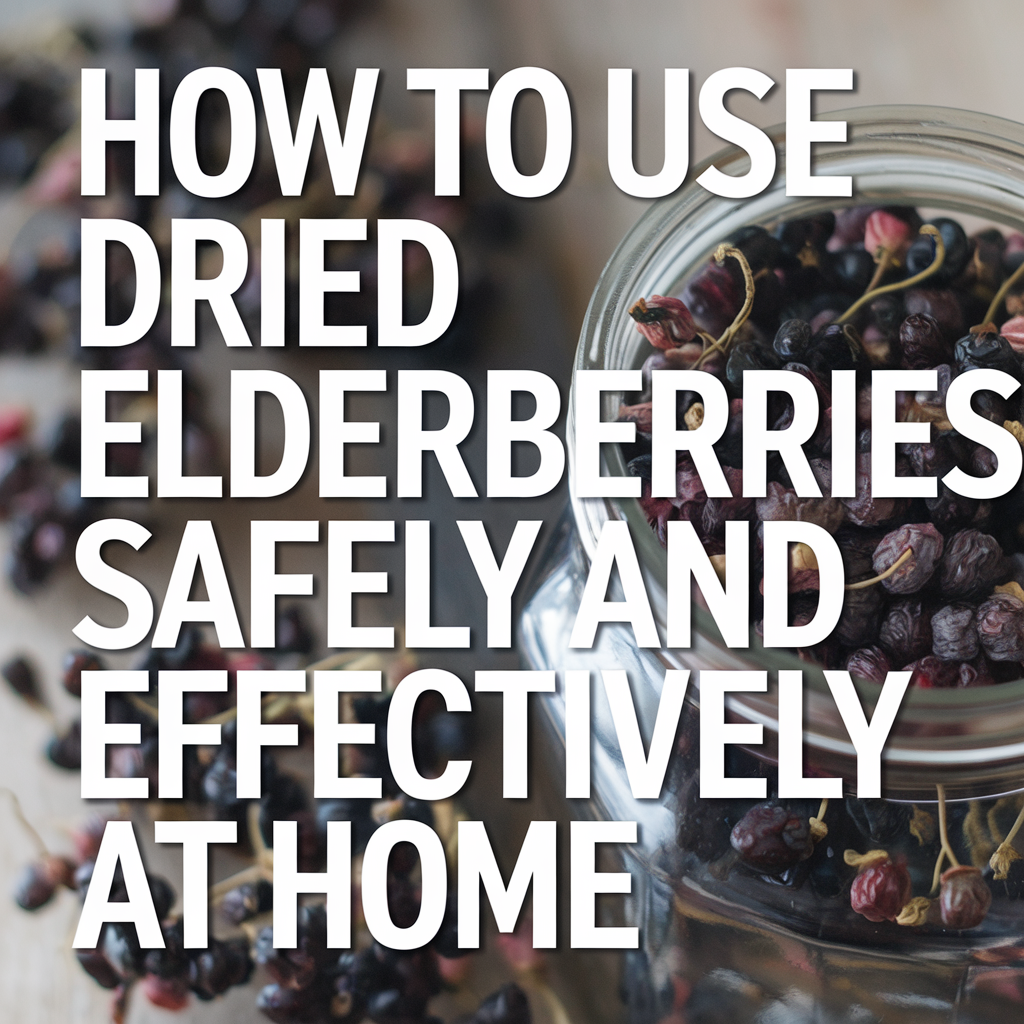
Fresh vs. dried berries — dried elderberries produce more concentrated, slightly more tannic flavor than fresh. Homemade syrup from fresh summer berries tastes brighter than syrup made from dried berries in February.
Extraction method — how long the berries are cooked and how much the liquid is reduced dramatically affects intensity. A properly reduced homemade syrup is incomparably more flavorful than a weak commercial dilution.
Added ingredients — spices, honey variety, citrus, and other additions change the final flavor profile significantly. Two syrups both labeled “elderberry syrup” can taste remarkably different based on these variables.
For sourcing the best quality dried elderberries if you’re making your own: the best dried organic elderberries you can buy.

Frequently Asked Questions
Does elderberry taste like blueberry?
Cooked elderberry is the closest in flavor profile to blueberry but earthier, more tart, and more complex. Elderberry syrup tastes like a concentrated, spiced dark berry syrup rather than a mild blueberry flavor.
Do elderberry gummies taste like medicine?
No — quality elderberry gummies taste like berry candy. This is one of their main advantages over syrup or capsules for people who are taste-sensitive.
Why does my elderberry syrup taste bitter?
Most likely cause is stems or seeds making it into the preparation — both are significantly more bitter than the berry flesh. The second most common cause is insufficient sweetener. A small amount of additional honey usually balances it out. Aging also reduces bitterness.
Does elderberry taste good in smoothies?
Yes — elderberry syrup blends well into smoothies, particularly with other dark berries like blackberry or blueberry. It adds color, depth, and a tart note that works well with banana or yogurt as a base.
What does elderberry jelly taste like?
Elderberry jelly tastes like a deeply flavored, tart dark berry preserve — similar to blackberry jam but earthier and more complex. It’s excellent on toast, with cheese, or as a glaze for meat. Recipe here: how to make apple and elderberry jelly.
Can you taste elderberry in capsules?
No. Capsules are swallowed whole and have no discernible taste. This makes them the best option for people who genuinely dislike any elderberry flavor but want the immune benefits.
Does elderberry syrup taste good straight or should it be mixed?
Most people take it straight off a spoon — the flavor is concentrated but pleasant enough that mixing isn’t necessary. That said, stirring it into warm water, tea, or a small amount of juice works fine if you prefer it diluted.


About the Author
Lisa Monroe is a certified nutritional consultant and food writer who has spent fifteen years helping families build practical wellness habits that actually stick. She holds a certification in holistic nutrition from the Nutritional Therapy Association and contributes regularly to ElderberryPro.com. She has tasted more elderberry products than she ever expected to and has opinions about all of them.
As an Amazon Associate we earn from qualifying purchases through some links in our articles.