
Can elderberry reduce inflammation? Here’s what the research actually shows about elderberry’s anti-inflammatory properties and how to use it effectively.
Key Takeaways
- Elderberry’s anthocyanins are among the most potent anti-inflammatory plant compounds studied
- The anti-inflammatory effect works through multiple pathways simultaneously — not just one mechanism
- Chronic low-grade inflammation drives most modern chronic disease — elderberry addresses this at the root
- Clinical research shows elderberry reduces pro-inflammatory cytokines including TNF-alpha and IL-6
- The anti-inflammatory benefit builds over weeks of consistent daily use — not from a single dose
- Elderberry’s inflammation reduction is part of why it helps with immunity, sleep, weight, and recovery
When people think about elderberry they think immune support. Cold season. Flu prevention. That’s fair — it’s what most elderberry marketing focuses on and it’s where the clinical research is most concentrated.
But there’s a second story running alongside the immune research that gets far less attention — and it may actually be more broadly relevant to health than the antiviral story.
Elderberry is one of the most potent anti-inflammatory plant compounds available. And understanding that changes how you think about what elderberry is actually doing in your body — and why its benefits extend well beyond cold season.
What Inflammation Actually Is — And Why It Matters
Inflammation gets treated as a single thing in wellness content but it’s actually two very different phenomena that happen to share a name.
Acute inflammation is your immune system doing its job. You cut your finger, bacteria enter, your immune system floods the area with white blood cells, the tissue swells and reddens, the infection is contained and cleared. This inflammation is beneficial, necessary, and resolves when its job is done.
Chronic low-grade inflammation is the problem. This is a persistent, systemic state of low-level immune activation that never fully resolves. No obvious injury. No clear infection. Just a constant background hum of inflammatory signaling throughout the body that over months and years damages tissues, disrupts hormonal signaling, impairs immune function, and drives the development of virtually every major chronic disease.
Type 2 diabetes. Cardiovascular disease. Alzheimer’s. Cancer. Autoimmune conditions. Depression. Obesity. Chronic pain. The research linking all of these to chronic inflammation is extensive and growing. Chronic inflammation isn’t a symptom of these conditions — in many cases it’s a primary driver.
What causes chronic inflammation: processed food diet, sedentary lifestyle, chronic stress, poor sleep, gut microbiome disruption, environmental toxin exposure, and accumulated damage from acute illness episodes that were never fully resolved.
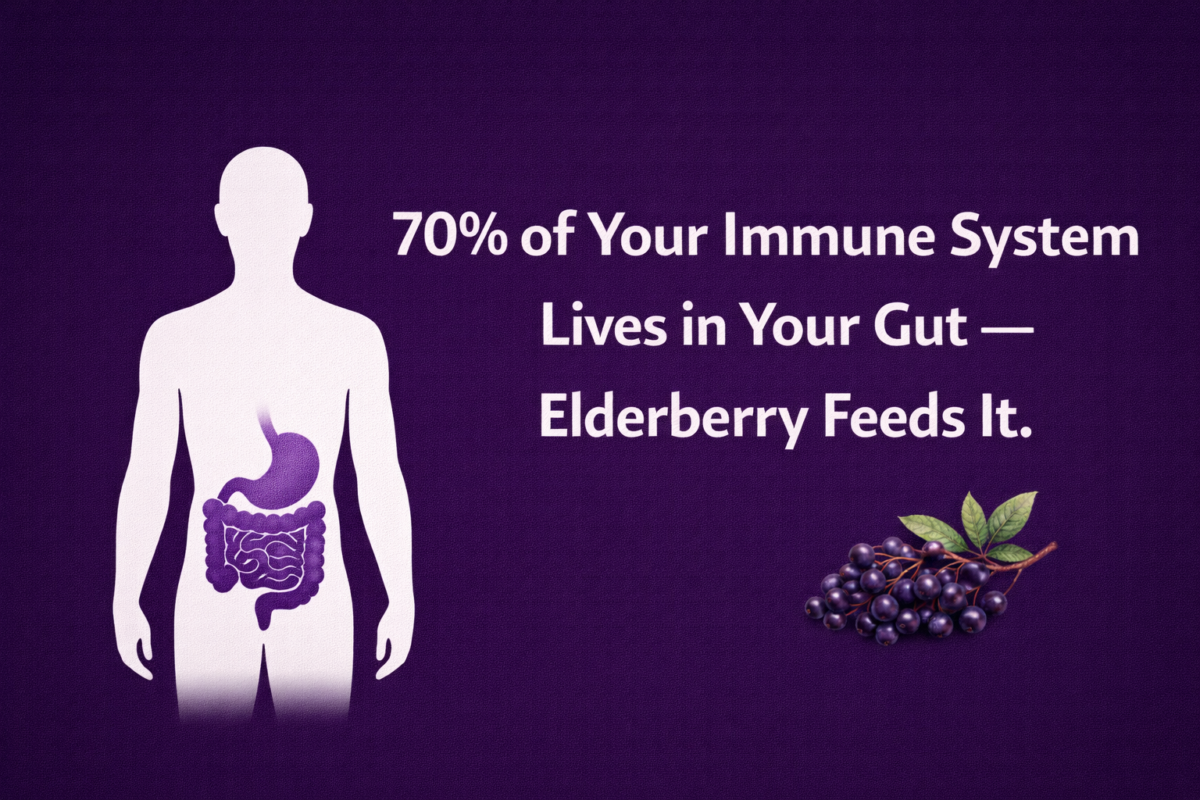
Reducing chronic systemic inflammation is one of the most impactful things you can do for long-term health. This is where elderberry enters the picture — not as a supplement for one specific condition but as a consistent anti-inflammatory tool that works upstream of many conditions simultaneously. The longer-term gut pathway behind this immune and inflammation relationship is explained in The Real Reason Elderberry Works Has Nothing to Do With Your Immune System Directly.


How Elderberry Reduces Inflammation — The Mechanisms
Elderberry doesn’t have a single anti-inflammatory mechanism. It has several that work in concert — which is part of why the anti-inflammatory effect is so broad and consistent across different types of inflammation.
Anthocyanin-Mediated Cytokine Suppression
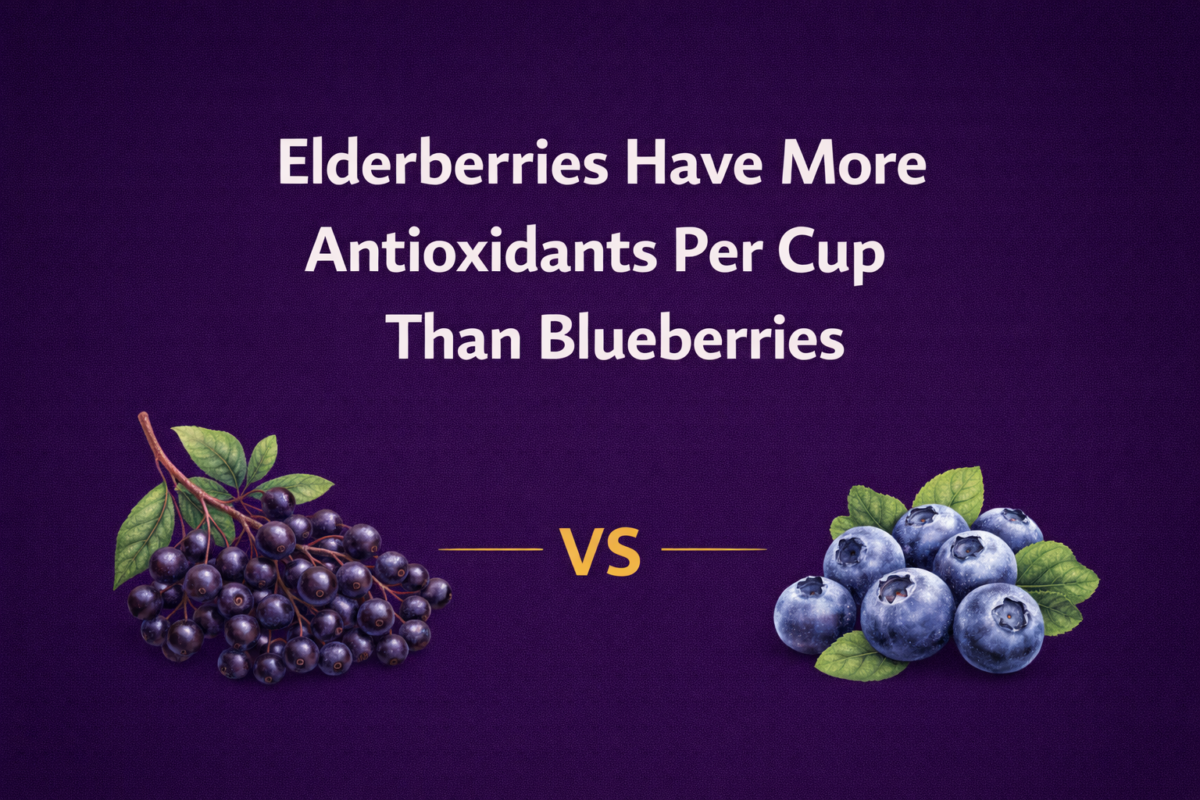
The primary mechanism. Elderberry’s anthocyanins — the dark purple pigment compounds that give the berry its color — inhibit the production of pro-inflammatory cytokines. These are the signaling proteins your immune system uses to coordinate inflammatory responses. The concentration of elderberry’s anthocyanins and other antioxidants is compared with blueberries in This Tiny Berry Has More Antioxidants Than Blueberries — And Nobody Talks About It.
Specifically, elderberry has been shown to reduce TNF-alpha (tumor necrosis factor alpha), IL-6 (interleukin-6), and IL-1β (interleukin-1 beta) — three of the most significant pro-inflammatory cytokines. Elevated levels of these cytokines are consistently found in people with chronic inflammatory conditions and in people at elevated risk for cardiovascular disease, diabetes, and other inflammation-driven conditions.
A study published in the European Cytokine Network demonstrated that elderberry extract significantly reduced TNF-alpha production. This is the same mechanism that some expensive pharmaceutical anti-inflammatory drugs target — elderberry does it through natural compounds at much lower cost and without the side effect profiles of pharmaceutical options.
NF-κB Pathway Inhibition
NF-κB (nuclear factor kappa-light-chain-enhancer of activated B cells) is one of the master switches of inflammatory gene expression. When NF-κB is activated it turns on the production of dozens of pro-inflammatory compounds. Chronic NF-κB activation is a central feature of chronic inflammatory disease.
Elderberry’s polyphenols have been shown to inhibit NF-κB activation — essentially dampening the upstream switch that drives much of the chronic inflammatory cascade. This is a significant mechanism because it addresses inflammation at the gene expression level rather than just blocking individual inflammatory compounds downstream.
COX Enzyme Inhibition
Cyclooxygenase enzymes (COX-1 and COX-2) are involved in the production of prostaglandins — inflammatory compounds involved in pain, fever, and tissue inflammation. Conventional NSAIDs like ibuprofen and aspirin work by inhibiting COX enzymes.
Elderberry’s quercetin content — quercetin is a flavonoid present in significant amounts in elderberry — has demonstrated COX inhibitory activity in research. This is the mechanism most relevant to elderberry’s potential benefit for joint inflammation and inflammatory pain.
Oxidative Stress Reduction
Free radicals — unstable molecules produced by cellular metabolism and amplified by poor diet, stress, and environmental toxins — drive oxidative stress that triggers inflammatory pathways. The relationship between oxidative stress and inflammation is bidirectional — each amplifies the other in a damaging cycle.
Elderberry ranks among the highest-scoring foods on ORAC (Oxygen Radical Absorbance Capacity) testing — a measure of antioxidant capacity. By neutralizing free radicals, elderberry’s anthocyanins break the oxidative stress-inflammation cycle at the source.
Gut Inflammation Reduction
The gut is the largest site of immune activity in the body — over 70% of immune function is gut-associated. Gut inflammation, driven by microbiome disruption, processed food diet, and other factors, creates systemic inflammatory signaling that affects the entire body.
Elderberry’s polyphenols act as prebiotics — they feed and diversify beneficial gut bacteria that regulate inflammatory signaling from the gut. A healthier, more diverse gut microbiome produces less pro-inflammatory signaling and more anti-inflammatory compounds. This is one of the most important anti-inflammatory mechanisms elderberry has — and one of the slowest to develop, requiring weeks of consistent use. The gut-immune and gut-inflammation connection: Over 70% of Your Immune System Lives in Your Gut
What the Research Shows
The research on elderberry and inflammation isn’t as extensive as the immune research — but what exists is consistent and mechanistically well-supported.
The European Cytokine Network study demonstrated significant cytokine modulation from elderberry extract, including reduction in TNF-alpha and stimulation of beneficial immune cytokines. This established the dual nature of elderberry’s immune-inflammatory action — it suppresses chronic pro-inflammatory cytokines while supporting acute immune response cytokines. The same supplement doing both.
ORAC and antioxidant research consistently places elderberry in the top tier of plant foods for antioxidant density — above blueberries, blackberries, and most other commonly consumed berries. Since oxidative stress drives inflammation, this matters directly for the anti-inflammatory application.
Quercetin research — elderberry is a meaningful dietary source of quercetin, which has an extensive research base for anti-inflammatory effects including COX inhibition, mast cell stabilization, and direct cytokine suppression. The elderberry research and the quercetin research are complementary and mutually reinforcing.
Anthocyanin population studies — large population studies looking at dietary anthocyanin intake show consistent associations between higher anthocyanin consumption and lower markers of systemic inflammation including C-reactive protein (CRP), a blood marker of inflammatory burden. Elderberry is one of the richest dietary anthocyanin sources available.

Elderberry for Specific Inflammatory Conditions
Joint Inflammation and Arthritis
Elderberry’s COX-inhibitory mechanism through quercetin and its direct cytokine suppression make it theoretically relevant for joint inflammation. People with osteoarthritis and rheumatoid arthritis have elevated TNF-alpha and IL-6 — exactly the cytokines elderberry suppresses.

The important caveat for rheumatoid arthritis specifically: RA is an autoimmune condition. Elderberry also stimulates some immune activity through its antiviral mechanisms. The net effect of elderberry in active autoimmune inflammatory disease is not straightforward — the anti-inflammatory compounds may help while the immune stimulation may complicate the picture. Anyone with autoimmune arthritis should discuss elderberry with their rheumatologist before starting. For age-specific medication and autoimmune considerations, see elderberry for older adults.
For osteoarthritis — mechanical joint degeneration with a significant inflammatory component but not autoimmune — elderberry’s anti-inflammatory profile is more clearly applicable without the autoimmune complexity.
Full side effects and autoimmune considerations: Elderberry Side Effects — What’s Normal, What’s Not
Gut Inflammation
Elderberry is particularly well-positioned to address gut inflammation through the prebiotic mechanism. Feeding beneficial gut bacteria reduces the inflammatory signaling from gut-associated immune tissue — which then reduces systemic inflammation downstream.

For people with general gut inflammation from diet, stress, or antibiotic overuse — as opposed to diagnosed inflammatory bowel disease — consistent elderberry use alongside fermented foods and reduced processed food intake addresses gut inflammation from multiple angles simultaneously. For guidance on continuing elderberry specifically during and after antibiotic treatment, see elderberry during antibiotic recovery.
For diagnosed IBD (Crohn’s or ulcerative colitis), particularly if managed with immunosuppressants, the autoimmune caution applies. Discuss with your gastroenterologist.
Gut health and systemic inflammation: How to Restore Gut Bacteria After Antibiotics
Inflammation and Cardiovascular Risk
Chronic inflammation is a primary driver of cardiovascular disease — not just cholesterol levels, which get most of the attention. C-reactive protein (CRP), a marker of systemic inflammation, is an independent predictor of cardiovascular events. Elevated TNF-alpha and IL-6 — the specific cytokines elderberry suppresses — are consistently associated with increased cardiovascular risk.
Elderberry’s anthocyanin-rich anti-inflammatory profile has direct theoretical relevance to cardiovascular inflammation. Population studies on anthocyanin intake consistently show associations with lower CRP and better cardiovascular outcomes. Elderberry is one of the most concentrated dietary sources of anthocyanins available.
This doesn’t mean elderberry treats or prevents heart disease. It means that as part of an anti-inflammatory diet and lifestyle, elderberry contributes to reducing the inflammatory burden that cardiovascular disease research consistently identifies as important.
Inflammation and Weight
The relationship between chronic inflammation and weight gain is bidirectional — inflammation promotes fat storage, particularly visceral fat, and excess fat tissue produces more inflammatory cytokines, which drive more fat storage. Breaking this cycle is one of the most challenging aspects of weight management.
Elderberry’s anti-inflammatory action is relevant here — not as a weight loss supplement but as a tool that reduces the inflammatory environment that makes weight management harder. This is the mechanism behind the legitimate elderberry-weight connection: Elderberry for Weight Loss — Does It Actually Help or Is It Just Hype
How to Use Elderberry Specifically for Anti-Inflammatory Benefit
The anti-inflammatory benefit of elderberry is different from the acute antiviral benefit in one important way: it requires consistency over time rather than reactive use during illness.

Daily maintenance dosing is the approach:
One tablespoon of quality elderberry syrup daily, or 1–2 standardized gummies, or 500mg capsule. This is not a situation where you take elderberry when you feel inflamed and skip it when you don’t. The cytokine suppression and gut microbiome support that drive the anti-inflammatory effect require sustained, regular input. For a complete comparison of amounts by form and purpose, see daily elderberry dosing guidance.

Timeline for anti-inflammatory benefit:
Allow 4–6 weeks of consistent daily use before assessing effect. The gut microbiome changes that contribute significantly to systemic inflammation reduction don’t happen in a week. Most people who track their inflammation markers (CRP, for example) or subjective inflammation symptoms — joint stiffness, general achiness, brain fog — report noticeable improvement in the 6–8 week range with consistent use. Those longer-term expectations are part of elderberry’s four-to-six-week timeline, which explains why judging elderberry after only a few days can be misleading.
Year-round vs. seasonal:
Unlike the immune benefit which is most relevant during cold season, the anti-inflammatory benefit is relevant year-round. For people taking elderberry specifically for chronic inflammation management rather than cold prevention, year-round use makes sense. The theoretical concern about chronic immune stimulation from long-term use is worth discussing with your doctor for this application.
Combine with other anti-inflammatory practices:
Elderberry is more effective as part of an anti-inflammatory lifestyle than as a standalone intervention. The combination of daily elderberry, reduced processed food intake, adequate sleep, fermented foods for gut health, and movement compounds significantly more than any single element alone.


The Anti-Inflammatory Diet Context
Elderberry fits naturally into an anti-inflammatory eating pattern. The foods that share the most mechanistic overlap with elderberry’s anti-inflammatory properties:
Other anthocyanin-rich foods: blueberries, blackberries, black currants, purple grapes, red cabbage, beets. Elderberry is the most concentrated source available but it works synergistically with other anthocyanin sources in the diet.
Omega-3 fatty acids: fatty fish, walnuts, flaxseed. Omega-3s reduce inflammatory cytokine production through different pathways than elderberry — the combination is more powerful than either alone.
Fermented foods: yogurt, kefir, sauerkraut, kimchi. Gut microbiome diversity is central to controlling systemic inflammation and fermented foods work synergistically with elderberry’s prebiotic polyphenols. 10 Fermented Foods for Gut Health
Turmeric and ginger: both have their own documented anti-inflammatory mechanisms. Elderberry syrup made with ginger — as many traditional recipes include — captures this combination naturally.
What to reduce: ultra-processed foods, refined sugar, and refined seed oils are among the most potent dietary drivers of chronic inflammation. No amount of elderberry fully compensates for a diet built primarily on these.
Frequently Asked Questions
Does elderberry reduce C-reactive protein?
Population studies on dietary anthocyanin intake — elderberry is among the richest sources — consistently show associations with lower CRP levels. Direct clinical trials measuring CRP response to elderberry supplementation specifically are limited, but the mechanistic and population evidence supports this connection.
How long does elderberry take to reduce inflammation?
Allow 4–6 weeks of consistent daily use for meaningful systemic anti-inflammatory effect. Acute anti-inflammatory effects from each dose occur faster, but the cumulative reduction in baseline inflammation markers takes weeks of sustained use.
Can elderberry help with joint pain from inflammation?
Potentially — through COX inhibition via quercetin and direct cytokine suppression. The evidence is mechanistic rather than from joint pain-specific clinical trials. For autoimmune arthritis, discuss with your rheumatologist first.
Is elderberry better than turmeric for inflammation?
They work through different mechanisms and complement each other rather than competing. Turmeric’s curcumin primarily inhibits NF-κB and COX pathways. Elderberry adds anthocyanin-mediated cytokine suppression and gut microbiome prebiotic benefit. Both together are more comprehensive than either alone.
Can I take elderberry if I have an inflammatory condition?
Depends on the condition and whether it’s autoimmune. For non-autoimmune inflammatory conditions, elderberry’s anti-inflammatory properties are generally applicable. For autoimmune inflammatory conditions — where the inflammation is driven by immune overactivation — elderberry’s immune-stimulating properties require a conversation with your specialist first.
Does elderberry syrup or capsules work better for inflammation?
For the anti-inflammatory application specifically, standardized capsules or quality syrup are equivalent. The key is standardized elderberry extract with meaningful anthocyanin content — not fruit powder gummies with minimal active compounds.

The Bigger Picture Nobody Puts on the Label
The elderberry bottle says “immune support.” What it doesn’t say — because the regulatory environment doesn’t allow it and because most companies haven’t done the work to understand their own product — is that elderberry is addressing chronic inflammation in ways that connect to almost every aspect of long-term health.
The immune benefit and the anti-inflammatory benefit aren’t separate. They’re the same compounds doing related work through overlapping pathways. The elderberry that shortens your cold is the same elderberry reducing your TNF-alpha, feeding your gut bacteria, reducing your oxidative stress load, and creating the systemic conditions where your body functions better.
That’s a more complete picture than cold season supplement. It’s just harder to put on a label.
About the Author
Dr. James Calloway is a functional medicine practitioner with over twenty years of clinical experience and certification in integrative medicine through the Academy of Integrative Health and Medicine. He writes for ElderberryPro.com to help people understand the mechanisms behind natural health interventions — not just the marketing claims. Nothing in his writing constitutes personal medical advice.