
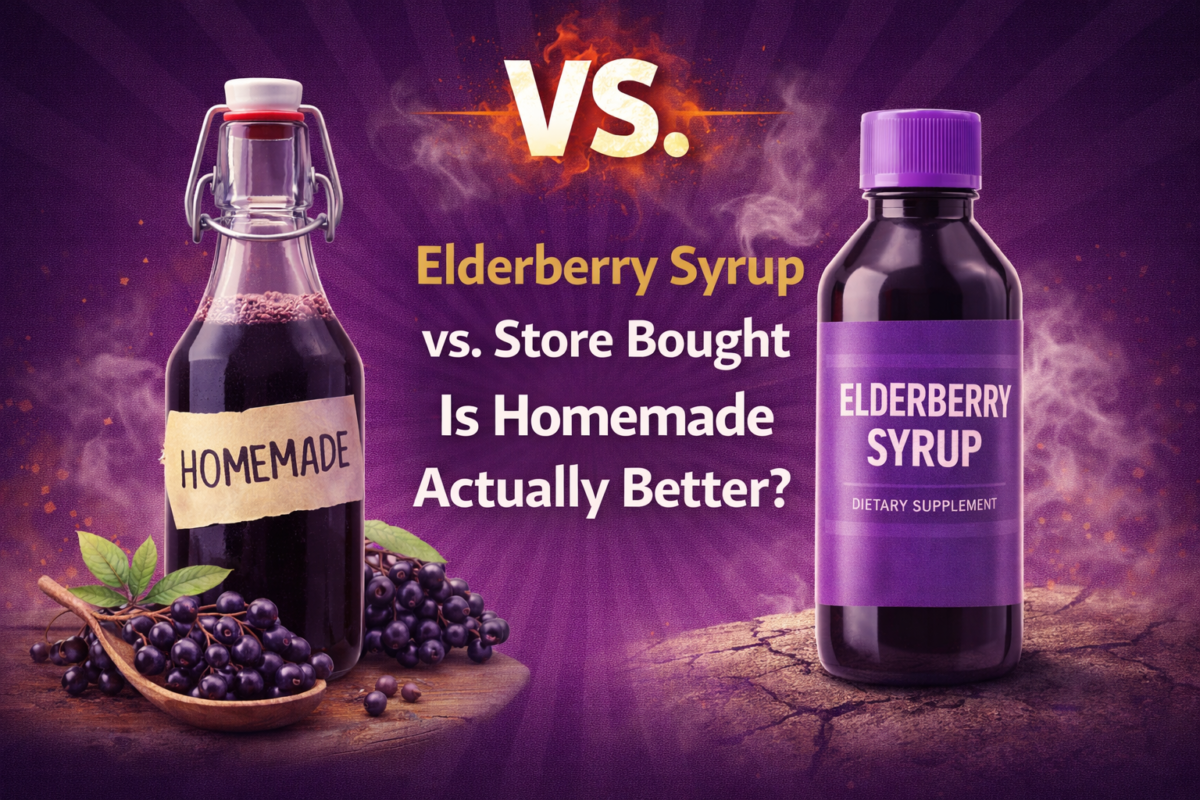
You could pay $30 for a bottle of elderberry syrup. Or you could spend $7 and make twice as much at home in 45 minutes. But is homemade actually better — or just cheaper? The answer depends on what’s really in that commercial bottle, and most labels aren’t telling you the full story.
Key Takeaways
- Homemade elderberry syrup is typically more potent than most commercial syrups at a fraction of the cost
- Store bought wins on convenience and shelf stability — homemade lasts only 2–3 weeks refrigerated
- Most commercial syrups are significantly diluted compared to properly made homemade versions
- The best commercial syrups (standardized, high extract content) rival homemade quality — but cost 4–6x more
- For families using elderberry regularly, homemade is almost always the better value
- For occasional use or travel, a quality commercial product makes more practical sense
This question comes up constantly in elderberry circles and the honest answer is more nuanced than either camp wants to admit.
The homemade advocates will tell you commercial elderberry syrup is watered-down sugar water dressed up in health packaging. The convenience camp will point out that most people won’t actually make their own syrup consistently enough for it to matter.
Both have a point. Here’s the complete, unbiased breakdown.

The Cost Comparison — Where Homemade Wins Decisively
Start with the math because it’s the most clear-cut part of this comparison.
Homemade elderberry syrup:
- ⅔ cup dried elderberries: ~$2.50–$3.50 depending on where you buy
- Raw honey (1 cup): ~$3–$4
- Spices (cinnamon, cloves, ginger): ~$0.50 per batch
- Total cost per 16oz batch: $6–$8
Store bought elderberry syrup:
- Basic commercial syrups: $14–$18 for 8oz
- Premium standardized syrups: $25–$35 for 8oz
- Equivalent 16oz cost: $28–$70
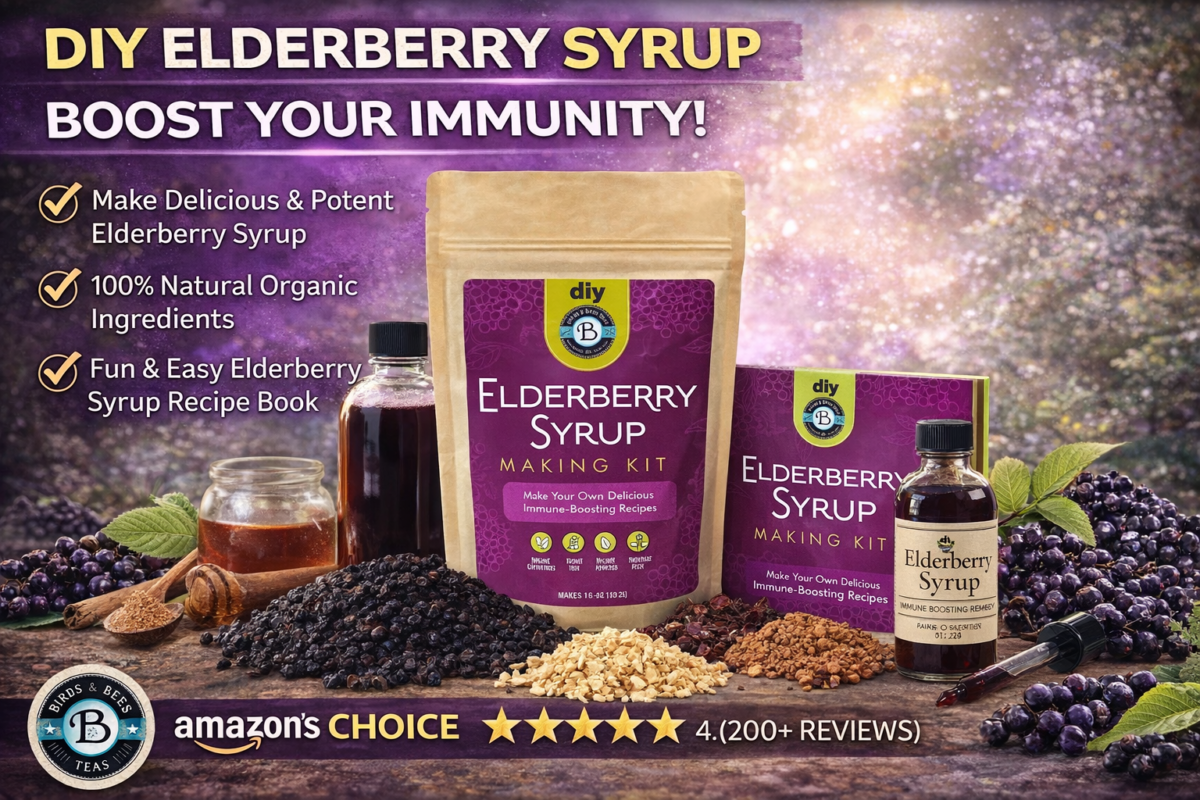
You’re paying 4 to 8 times more for commercial syrup than the ingredient cost of making your own. For a family running through a bottle a month through cold season — which is standard therapeutic use — that’s a significant difference over a season. A DIY elderberry syrup kit can make the switch to homemade batches easier while keeping ingredient costs down: This DIY Elderberry Syrup Kit Saves Money and Works Better.
The cost gap widens further when you consider that homemade syrup can be made in larger batches for marginal additional cost, and that making your own allows you to control concentration — which most home brewers push higher than commercial standards.
The Potency Question — Where It Gets Interesting
This is the comparison most people actually care about and where the marketing-versus-reality gap is largest.
What’s in Commercial Elderberry Syrup

Walk into any health food store and you’ll find elderberry syrups ranging from genuinely excellent to essentially flavored sugar water with elderberry listed as a minor ingredient. The variation is dramatic and the labels are often misleading. A practical review of Stop Overpaying for Elderberry Syrup — The Best Options for Kids That Actually Work shows how those label differences affect real buying decisions.
Things to look for on commercial syrup labels:
Elderberry extract concentration — the best commercial syrups list the milligrams of elderberry extract per serving. Products listing 500mg+ of standardized elderberry extract per tablespoon are in the serious range. Products listing elderberry juice, elderberry fruit, or elderberry extract without a specific amount are harder to evaluate — and often weaker.
Where elderberry appears on the ingredient list — ingredients are listed by weight. If elderberry appears third or fourth behind water and sugar, you’re getting mostly sweetener with elderberry flavor. If elderberry extract is first or second, you’re getting a real product.
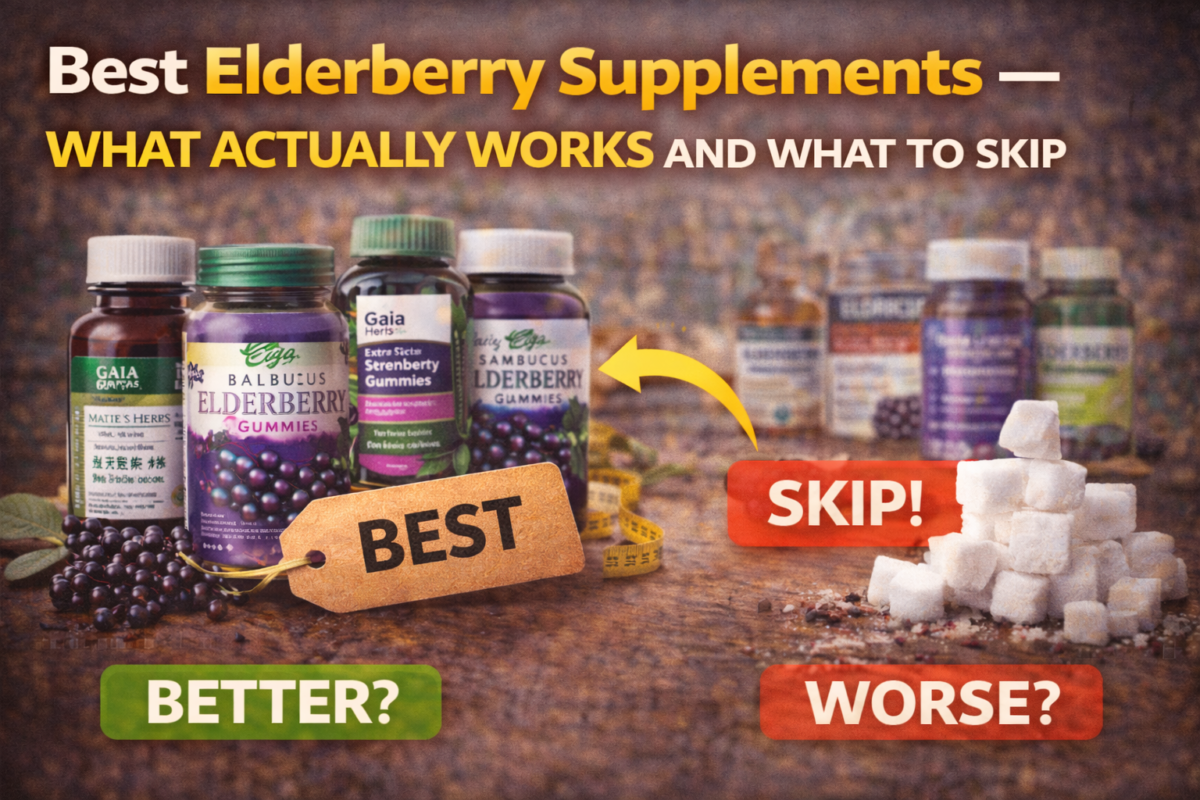
Standardized vs. unstandardized — standardized extracts guarantee a specific anthocyanin content per serving. This is the gold standard and most commercial products don’t do it. If a label says “standardized to X% anthocyanins,” that’s a meaningful quality signal. The same label-reading principles apply beyond syrup, and Best Elderberry Supplements — What Actually Works and What to Skip compares extract concentration, forms, fillers, and testing in supplements.
The honest verdict on most commercial syrups: the majority of products on the market are moderately diluted, undersweetened with cheap sugar rather than quality honey, and priced based on the elderberry category’s popularity rather than their actual content. There are excellent commercial options — but they’re a minority of what’s on the shelf.
What’s in Homemade Elderberry Syrup
Homemade syrup made from quality dried elderberries following a standard recipe produces a concentrated, full-potency preparation where elderberry is the dominant ingredient — not water and sugar.
A properly made batch using ⅔ cup of dried Sambucus nigra elderberries cooked down in 3.5 cups of water until reduced by half, then strained and mixed with raw honey, gives you roughly 16oz of syrup where the elderberry-to-liquid ratio is high and the anthocyanin content is excellent.
You can also control concentration. Want a more potent batch? Use more berries, reduce longer, or use less water. The flexibility doesn’t exist with a commercial product.
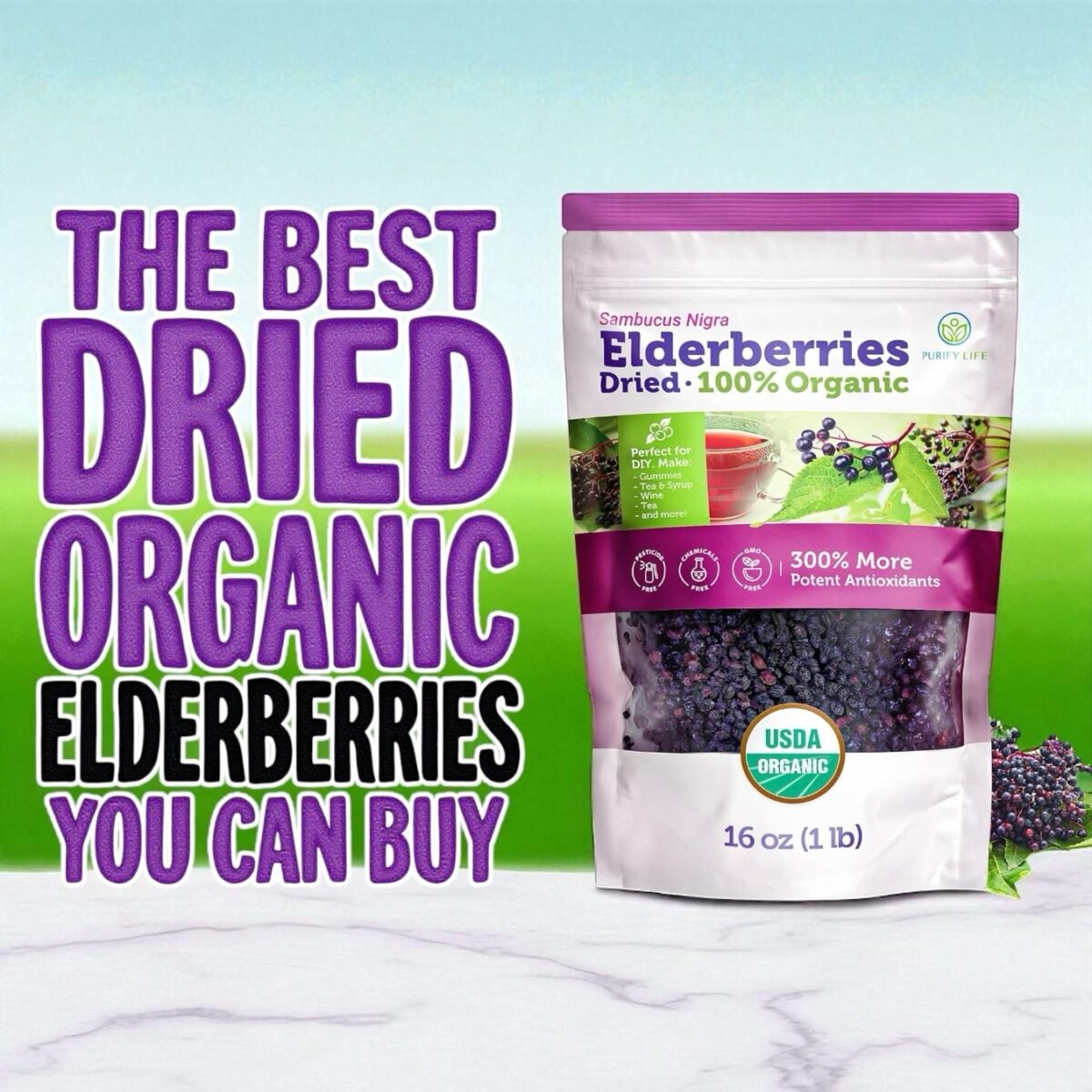
The honest verdict on homemade: when made correctly from quality dried elderberries, homemade syrup is typically more potent than the average commercial product. Whether it rivals the best standardized commercial extracts depends on your source elderberries and preparation method — but it’s in the same league at a fraction of the cost. Your source matters, so compare quality dried elderberries before making your next batch.
Head-to-Head Comparison
Factor Homemade Store Bought Cost per 16oz $6–$8 $28–$70 Potency High (you control it) Varies widely — often moderate Ingredients You control everything Check label carefully Shelf life 2–3 weeks refrigerated 12–24 months unopened Convenience Requires 45 min prep Open and use immediately Travel-friendly No Yes Consistency Varies batch to batch Consistent (if standardized) Honey quality Your choice Usually standard honey or sugar Time investment ~1 hour including cleanup Zero Kid acceptance Depends on your recipe Depends on the brand



When Homemade Makes More Sense
You use elderberry regularly through cold season. If you’re going through 16oz+ per month for a family, the cost savings of homemade add up to $100–$200 over a season. That’s real money.
You want to control every ingredient. Homemade means you choose the elderberry source, the honey type, the spice blend, whether to include or exclude anything. If you’re feeding this to children and want complete ingredient transparency, homemade gives you that.
You want maximum potency. A properly made homemade batch from quality dried elderberries is typically more concentrated than most commercial products in the same price range.
You enjoy the process. Making elderberry syrup is satisfying. It takes 45 minutes, smells incredible, and produces something genuinely useful. If you like making things from scratch, this is an easy and rewarding habit to build.
You already have the infrastructure. If you’re already buying dried elderberries for tea or other uses, adding syrup production to your routine is marginal additional effort.

The complete guide to making your own: how to make elderberry syrup from fresh elderberries. For a honey-free version: how to make elderberry syrup without honey.
When Store Bought Makes More Sense
You won’t realistically make your own consistently. This is the most honest argument for commercial. A bottle of quality elderberry syrup in your cabinet that you actually use beats a batch of homemade syrup you keep meaning to make. Consistency matters more than potency if you’re not taking it regularly.
You travel frequently. Homemade elderberry syrup doesn’t travel. Two-week refrigerated shelf life and glass jars are not TSA-friendly. A commercial product travels easily and stores without refrigeration until opened.
You want standardized dosing. Commercial products with standardized extract content give you consistent, predictable dosing batch to batch. Homemade varies depending on your elderberry source, preparation, and reduction level. For therapeutic use where you want to know exactly what you’re getting, standardized commercial wins.
You’re using it primarily for kids at school. Sending a tablespoon of homemade syrup to school with a seven-year-old in a thermos is less practical than a commercial product in its original packaging.
You’ve found a specific commercial product you trust. Some commercial elderberry syrups are genuinely excellent — high extract content, quality ingredients, standardized and third-party tested. If you’ve found one that works well for you, the convenience premium may be worth it.


The Best Commercial Elderberry Syrups Worth Knowing About
If you’re going the commercial route, here are what to prioritize and some of the better options:
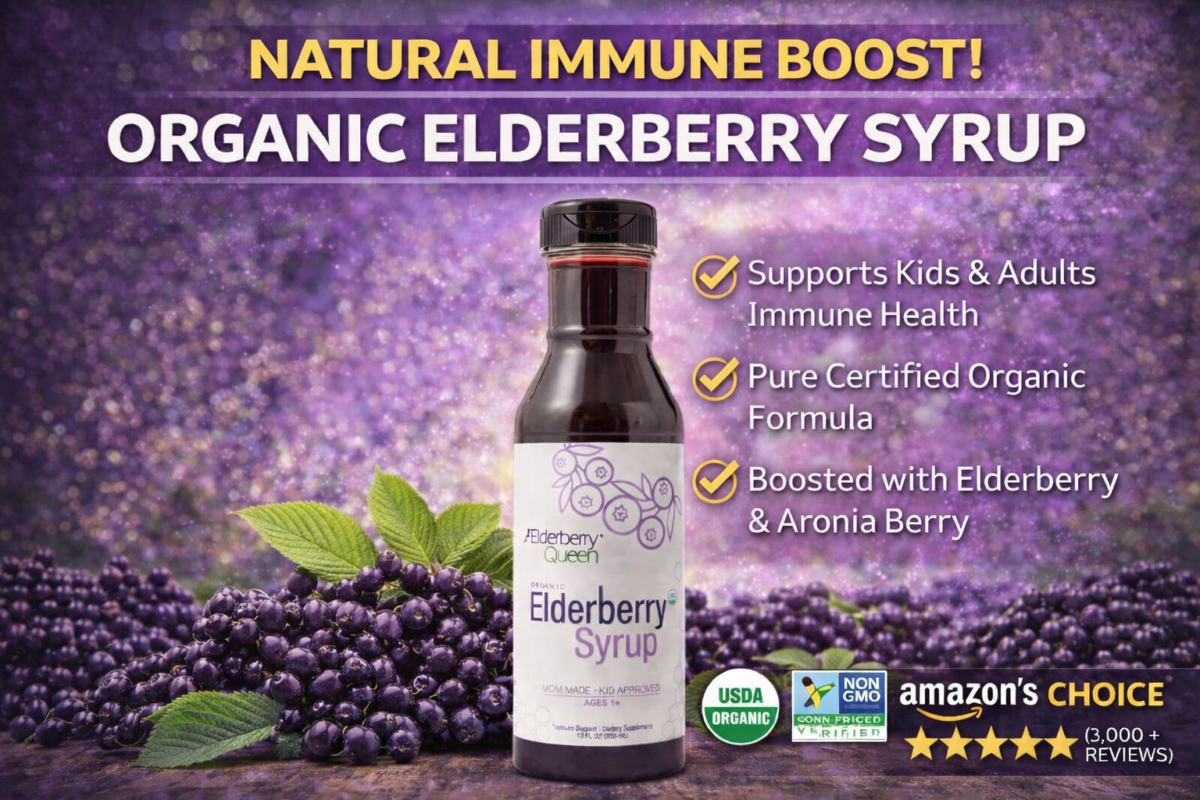
Elderberry Queen Organic Elderberry Syrup — one of the better options on the market. Organic, elderberry extract prominently listed, real honey used. The flavor profile is close to a well-made homemade batch.
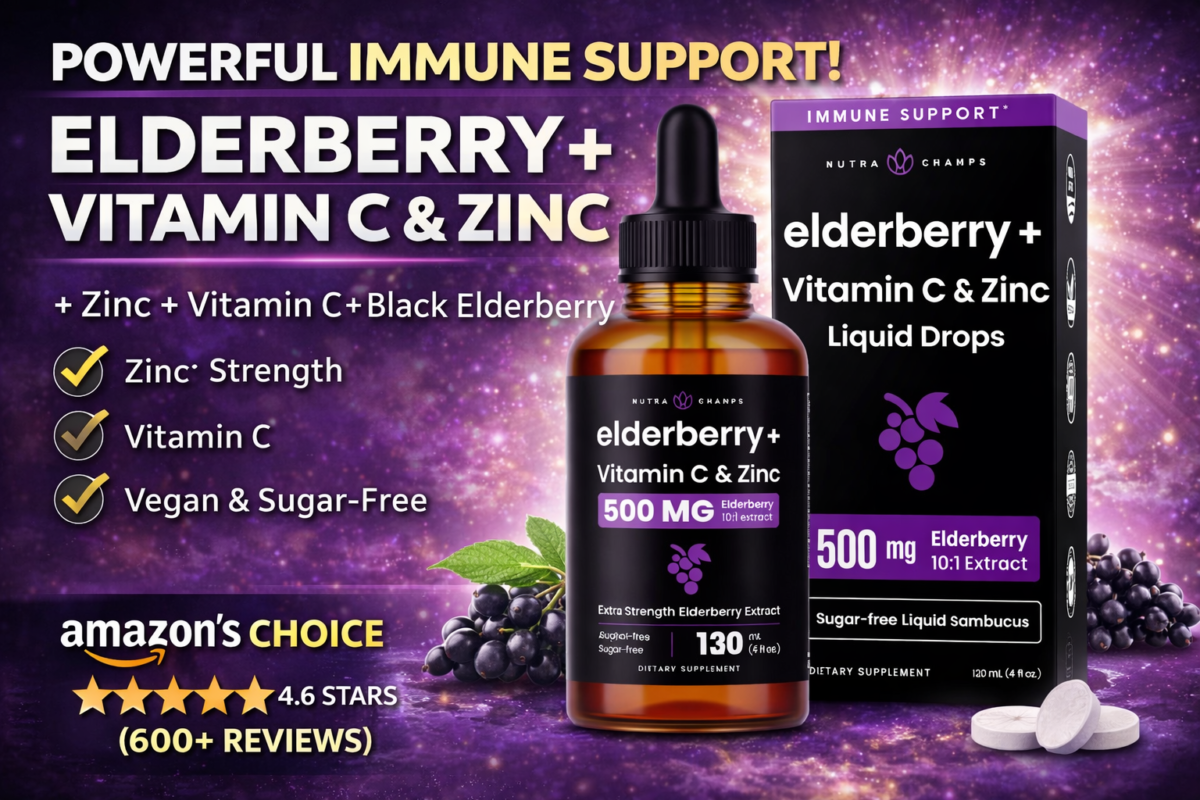
NutraChamps Organic Elderberry Syrup Drops Sugar-Free — a good option for people who want the benefits without added sugar. Concentrated drops rather than traditional syrup format.
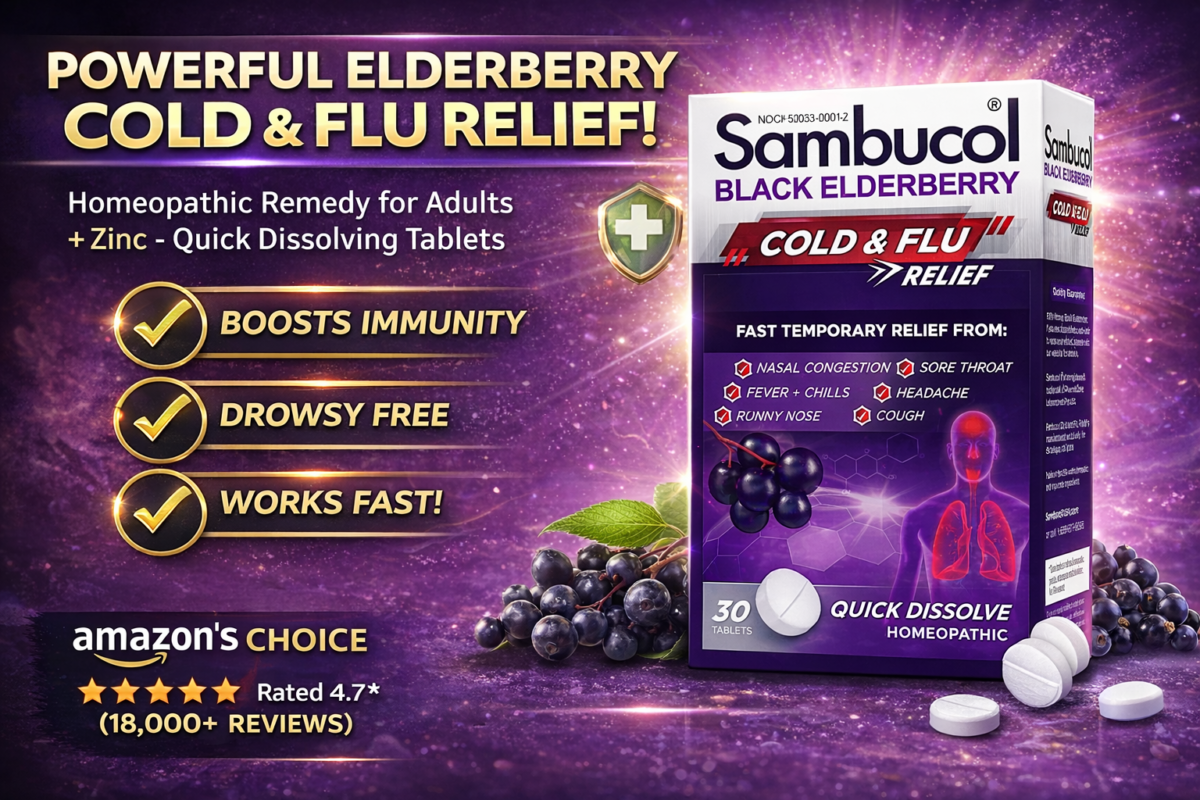
Sambucol Cold and Flu Relief Tablets with Elderberry and Zinc — different format entirely but worth knowing about. Standardized elderberry extract combined with zinc in a lozenge/tablet form. Particularly useful for acute illness where you want the elderberry-zinc combination.
What to avoid: any syrup where sugar or corn syrup appears as the first or second ingredient, any product that doesn’t specify elderberry extract content, and anything priced at the very low end of the market — you’re almost certainly getting a token amount of elderberry in a sweetener base.
The DIY Syrup Kit Option — A Middle Ground
If you want homemade quality without starting from scratch, elderberry syrup kits bridge the gap. Pre-measured dried elderberries, spices, and instructions packaged together — you just add water, honey, and 45 minutes.
Elderberry Syrup Kit from Birds and Bees Teas is a solid option — makes 12–24oz of syrup, quality ingredients, straightforward process. Good entry point for first-time syrup makers who want guidance built in.
This approach removes the sourcing decisions (what elderberries to buy, what spices to include) while still giving you the cost savings and quality control of homemade.


Making Homemade Syrup Last Longer
The main practical disadvantage of homemade is the 2–3 week refrigerated shelf life. Here are ways to extend it:
Add a natural preservative: 1 tablespoon of vegetable glycerin or food-grade brandy per batch extends shelf life to 4–6 weeks without significantly affecting flavor.
Freeze in ice cube trays: pour finished syrup into silicone ice cube trays and freeze. Pop out cubes as needed and thaw in the refrigerator. Each cube is roughly 1 tablespoon. This extends usable life to 6 months easily.
Make smaller, more frequent batches: rather than one large batch that sits, make half batches every 10 days. Takes the same 45 minutes but ensures you’re always working with fresh product.
Write the date on every jar. This sounds obvious but almost nobody does it consistently. You will forget when you made it.
Frequently Asked Questions
Is homemade elderberry syrup more potent than store bought?
Generally yes — when made correctly from quality dried elderberries, homemade syrup has a higher elderberry-to-liquid ratio than most commercial products. The exceptions are premium standardized commercial extracts, which may rival or exceed homemade depending on the specific product and your preparation.
How long does homemade elderberry syrup last?
2–3 weeks refrigerated without preservatives. Up to 6 weeks with a tablespoon of vegetable glycerin or brandy added. Up to 6 months if frozen in portions.
Is it hard to make elderberry syrup at home?
No. The process takes about 45 minutes of mostly hands-off simmering. If you can make soup, you can make elderberry syrup. The complete guide: how to make elderberry syrup from fresh elderberries.
What’s the best store bought elderberry syrup?
Look for products listing elderberry extract (not just juice or fruit) prominently in the ingredients, with specific milligram content per serving, and made with honey rather than sugar. Third-party testing certification is a bonus quality signal.
Can I use store bought syrup to make gummies?
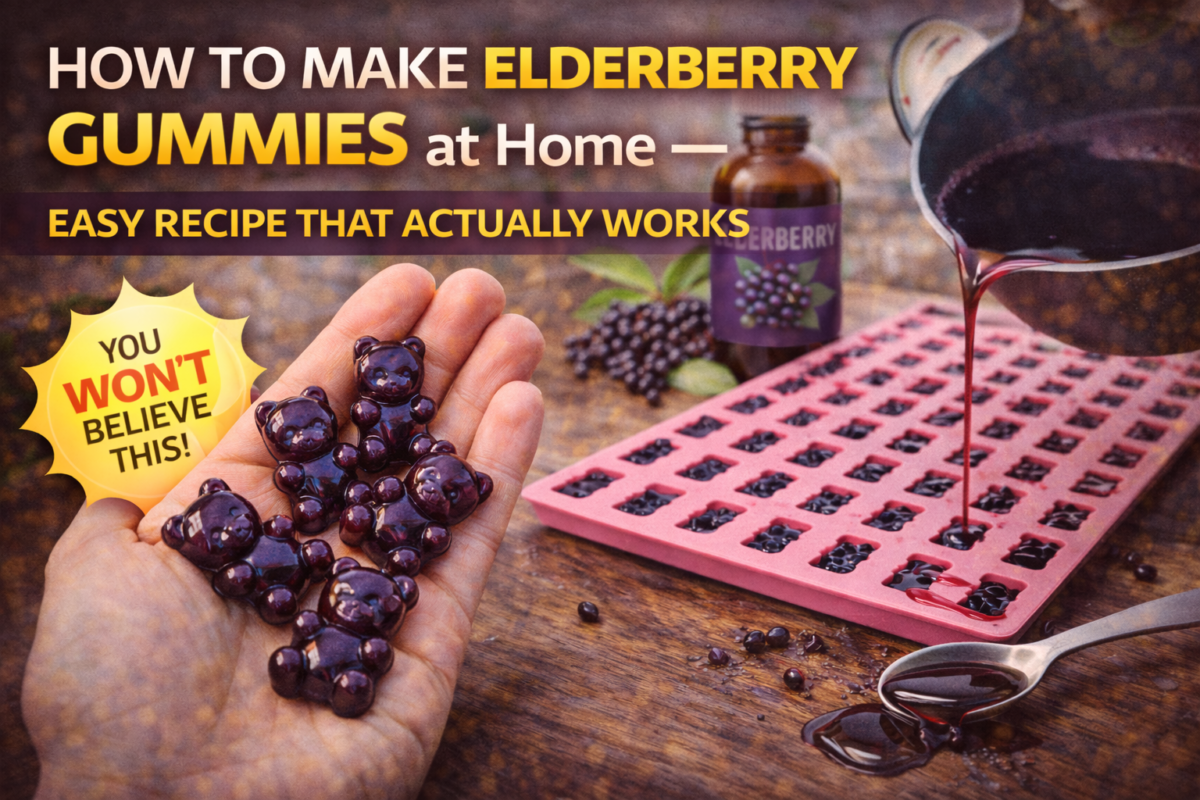
Yes — any quality elderberry syrup, homemade or commercial, works as the base for elderberry gummies. Commercial syrup is sometimes more convenient for this because the concentration is consistent. Full gummy recipe: how to make elderberry gummies at home.
Does homemade elderberry syrup work as well as Sambucol?
Sambucol uses a standardized black elderberry extract and has been used in several clinical studies. A properly made homemade syrup from quality Sambucus nigra dried elderberries is in the same category — you’re working with the same berry and similar concentrations. Sambucol’s advantage is standardization; homemade’s advantage is cost and ingredient control.
The Bottom Line
For most families who use elderberry consistently through cold season: make your own. The cost savings are significant, the quality is typically better than midrange commercial products, and the process is straightforward enough to do monthly without much friction.
For occasional users, travelers, or people who genuinely won’t make time to produce their own: buy a quality commercial product. A good commercial syrup taken consistently beats homemade syrup you never get around to making.
The worst outcome in either case is the same: having nothing in the cabinet when you need it. Stock up before cold season regardless of which route you choose.
About the Author
Lisa Monroe is a certified nutritional consultant and food writer who has spent fifteen years helping families build practical wellness habits that actually stick. She holds a certification in holistic nutrition from the Nutritional Therapy Association and contributes regularly to ElderberryPro.com. She has made more batches of elderberry syrup than she can count and has strong opinions about honey quality.