If you suffer from seasonal allergies, you’ve probably noticed that the advice you find online is all over the place.
Some sources say elderberry is a natural antihistamine that can calm your allergy symptoms. Others warn that because elderberry stimulates the immune system, it could actually make allergies worse — since allergies are themselves an immune overreaction. A few go further and say elderberry raises histamine levels, which is the last thing an allergy sufferer needs.

All of these claims are floating around the internet simultaneously, which is exactly the kind of confusion that makes people either blindly try something or avoid it out of fear when the real answer is somewhere more nuanced.
Here’s what’s actually known — the research, the mechanism, the real-world experience, and the specific situations where elderberry is a smart choice versus where you should be more careful.
What’s Actually Happening in Your Body During Allergies
Before getting into elderberry specifically, it helps to understand what seasonal allergies are doing mechanically — because it changes how you evaluate anything claiming to help.
Seasonal allergies — hay fever, allergic rhinitis, pollen allergies — are the result of your immune system misidentifying a harmless substance (pollen, mold spores, pet dander) as a threat. Your immune system mounts a defensive response, triggering mast cells to release histamine. Histamine is what causes the runny nose, itchy eyes, sneezing, and congestion you’re familiar with.
The core problem in seasonal allergies isn’t a weak immune system — it’s a misdirected one. Your immune system is working fine; it’s just responding to the wrong thing with disproportionate force.
This is why the “elderberry stimulates the immune system” concern is worth taking seriously. If your immune system is already overreacting, stimulating it further sounds counterintuitive at best.
The reality is more complicated than that, and more interesting.
The Case For Elderberry Helping With Allergies
Its Anti-Inflammatory Properties Are Real

The most relevant thing elderberry does for allergy sufferers isn’t immune stimulation — it’s inflammation reduction. Elderberry’s anthocyanins are potent anti-inflammatory compounds that inhibit pro-inflammatory cytokines and reduce oxidative stress throughout the body. The broader evidence behind Elderberry for Inflammation — What the Research Actually Shows helps explain why inflammation reduction may matter for allergy symptoms.
Allergy symptoms are, at their core, an inflammatory response. Histamine triggers inflammation in the mucous membranes of your nose, sinuses, and eyes. Anything that reduces systemic inflammation creates a less reactive environment — meaning your immune system may respond less aggressively to allergens even if elderberry isn’t directly blocking histamine.
This is different from how antihistamines work. Antihistamines block histamine receptors directly and fast. Elderberry’s anti-inflammatory effect is gentler, more systemic, and builds over time rather than providing immediate relief.
It May Reduce Sinus Inflammation Specifically
Allergy sufferers often deal with chronic sinus inflammation and congestion that persists beyond acute allergy episodes. Elderberry has been used traditionally for exactly this — reducing mucous membrane inflammation and supporting sinus drainage.

If your allergies reliably lead to sinus infections or chronic congestion, the anti-inflammatory support elderberry provides to the mucous membranes is particularly relevant. For more on how sinus inflammation works and what actually helps: does elderberry help with allergies — what I’ve learned firsthand.
It Supports Gut Health — Which Is Directly Connected to Allergic Response

Here’s a connection most allergy content completely ignores: the gut-immune axis plays a significant role in allergic sensitivity. Research increasingly shows that people with disrupted gut microbiomes — less diversity, fewer beneficial bacteria — have higher rates of allergic conditions and more severe allergy symptoms. Elderberry’s wider role in supporting this gut-immune relationship is detailed in the gut-immune connection.

Elderberry’s polyphenols act as prebiotics, feeding beneficial gut bacteria and supporting a healthier microbiome. A more balanced gut microbiome is associated with more balanced immune responses — including less severe allergic reactions over time. Gut microbiome health is also part of the metabolic picture discussed in gut health and weight management.
This isn’t a fast fix. Gut microbiome changes happen over months, not days. But it’s a legitimate mechanism connecting elderberry to allergy improvement that most people aren’t aware of. The foundational research on gut health and immune function is worth understanding if you’re trying to address allergies from the inside out.

The Case For Being Cautious
Elderberry Does Stimulate Immune Function
This is the concern that keeps coming up, and it’s not baseless. Elderberry increases cytokine production — including some pro-inflammatory cytokines — as part of its mechanism for fighting infections. If allergies represent an already overactive immune response, adding immune stimulation to the picture is theoretically counterproductive.
The key word is theoretically. There are no documented clinical cases of elderberry making seasonal allergies meaningfully worse through immune stimulation. The cytokine stimulation from elderberry is mild, targeted, and short-lived — not the kind of sustained immune amplification that would be expected to worsen allergic sensitivity significantly.
But the mechanism is real enough that it’s worth knowing about, especially for people with severe allergic conditions or mast cell disorders.
The Histamine Question
You may have seen claims that elderberry is high in histamine or that it triggers histamine release — making it a bad choice for people with allergies or histamine intolerance.
Let’s be precise here because the internet conflates two different things.
Histamine intolerance is a separate condition from seasonal allergies. People with histamine intolerance have difficulty breaking down dietary histamine, and certain foods — fermented foods, aged cheeses, alcohol, some fruits — can cause symptoms. Elderberries are not particularly high in histamine and are not on the standard histamine intolerance avoidance lists. If you have diagnosed histamine intolerance, elderberry is generally not a concern, though individual responses vary.
Mast cell activation is different again. Mast cells release histamine as part of the allergic response. Some compounds can directly trigger mast cell degranulation — releasing histamine even without an allergen present. Elderberry is not known to be a direct mast cell activator, though people with mast cell activation syndrome (MCAS) may be sensitive to any number of plant compounds and should introduce elderberry cautiously if at all.
For standard seasonal allergy sufferers without histamine intolerance or MCAS, the histamine concern around elderberry is largely not applicable.
People With Severe Allergic Conditions or Asthma
For people with severe allergic asthma, anaphylactic allergies, or eosinophilic conditions — where the immune response is dramatically dysregulated — the caution around immune-stimulating supplements is more warranted. These aren’t the same as someone sneezing through pollen season. If your allergies are in the severe or complicated category, elderberry is a conversation to have with your allergist before trying.
What About Elderberry Allergies Themselves?
Yes, you can be allergic to elderberry. It’s not common, but it exists.
Elderberry is related to other plants in the Adoxaceae family. People with plant allergies — particularly to related species — may have cross-reactive sensitivity to elderberry.
Signs of an elderberry allergic reaction: hives, itching, swelling, runny nose, or in severe cases, difficulty breathing after consuming an elderberry product. If you’ve never taken elderberry before, starting with a small test dose and waiting 24 hours before regular use is a reasonable precaution for allergy-prone individuals.
If you experience any throat tightening or breathing difficulty, stop and seek medical care.


Elderberry vs. Antihistamines: Are They Comparable?
No — and it’s worth being clear about this so expectations are appropriate.
Antihistamines (cetirizine, loratadine, fexofenadine) work by blocking histamine receptors directly. They provide measurable symptom relief within 1–2 hours for most people. This is a pharmacological mechanism with well-documented efficacy.
Elderberry doesn’t block histamine receptors. It reduces inflammation systemically, supports gut health, and moderates immune function over time. It doesn’t provide the rapid, direct symptom relief that antihistamines do.
What elderberry can do that antihistamines can’t:
- Support overall immune balance rather than just blocking one receptor
- Provide antioxidant and gut health benefits that may reduce allergic sensitivity over time
- Potentially reduce the frequency and severity of allergy-related sinus infections
- Support immune health through cold and flu season simultaneously
What antihistamines do that elderberry can’t:
- Provide fast, reliable, direct symptom relief
- Work predictably on acute allergy symptoms
The smart approach for most allergy sufferers isn’t choosing one over the other. It’s using antihistamines for acute symptom management while supporting your overall immune and gut health with elderberry and other anti-inflammatory habits.
Timing: When to Take Elderberry for Allergy Season
If you’re going to use elderberry for allergy support, timing matters.

Start before your season hits. If you’re a spring allergy sufferer, start elderberry daily in late February or early March — 4 to 6 weeks before pollen counts typically rise in your area. You’re trying to reduce baseline inflammation and support gut health before the allergen load begins, not scramble to catch up once you’re already symptomatic. The same principle of building benefits before exposure is explained in elderberry timing before allergy season.

Daily maintenance dose through your season. This isn’t the situation for therapeutic dosing (the higher doses used during active illness). Standard maintenance — one tablespoon syrup daily, or equivalent in capsules or gummies — taken consistently through allergy season is the appropriate approach. For the full breakdown on dosing by form and goal: elderberry dosage for adults.
Combine with anti-inflammatory diet habits. Elderberry’s anti-inflammatory polyphenols work best as part of a broader anti-inflammatory approach — not as a standalone fix while eating a diet high in refined carbohydrates and processed foods, which drive the systemic inflammation you’re trying to reduce.
Other Natural Approaches That Complement Elderberry for Allergies
Since elderberry alone isn’t a complete allergy solution, here are the evidence-supported natural interventions that pair well with it:
Quercetin — a flavonoid found in onions, apples, and capers that has genuine mast cell-stabilizing properties. More direct anti-allergy mechanism than elderberry. Often combined with elderberry in natural allergy protocols.
Nettle leaf — traditional allergy herb with some research supporting its antihistamine-like properties. Works through a different mechanism than elderberry and complements it well.
Local raw honey — the idea that eating local honey desensitizes you to local pollen is appealing but the evidence is weak. However, raw honey has anti-inflammatory properties that may provide mild benefit regardless of the desensitization theory.
Nasal irrigation — saline rinses (neti pot or squeeze bottle) physically remove allergens from nasal passages and reduce inflammation directly. Unglamorous but genuinely effective and evidence-backed.
Gut-supportive diet — fermented foods, diverse fiber intake, reduced ultra-processed food consumption. The gut health and allergy connection is increasingly well-documented and represents one of the most underused levers for reducing allergic reactivity over time.
The Practical Verdict for Different Allergy Profiles
Standard seasonal allergies (hay fever, pollen): Elderberry is a reasonable addition to your allergy toolkit. Start before season, take daily maintenance doses, combine with antihistamines for acute symptoms and gut-supportive habits for long-term improvement. Low risk, potential benefit.
Allergies with chronic sinus involvement: Particularly relevant. Elderberry’s anti-inflammatory effect on mucous membranes and immune support reducing sinus infection risk makes it a good fit. Pair with sinus-specific support strategies for best results.
Histamine intolerance: Generally not a concern with elderberry specifically, but introduce cautiously and pay attention to individual response. Elderberry is not a high-histamine food.
Mast cell activation syndrome (MCAS): Introduce very slowly and cautiously if at all. Any plant polyphenol can theoretically trigger reactions in MCAS. Work with your specialist.
Severe allergic asthma or anaphylactic allergies: Discuss with your allergist before starting. The immune stimulation concern is more relevant here than in standard seasonal allergy cases.
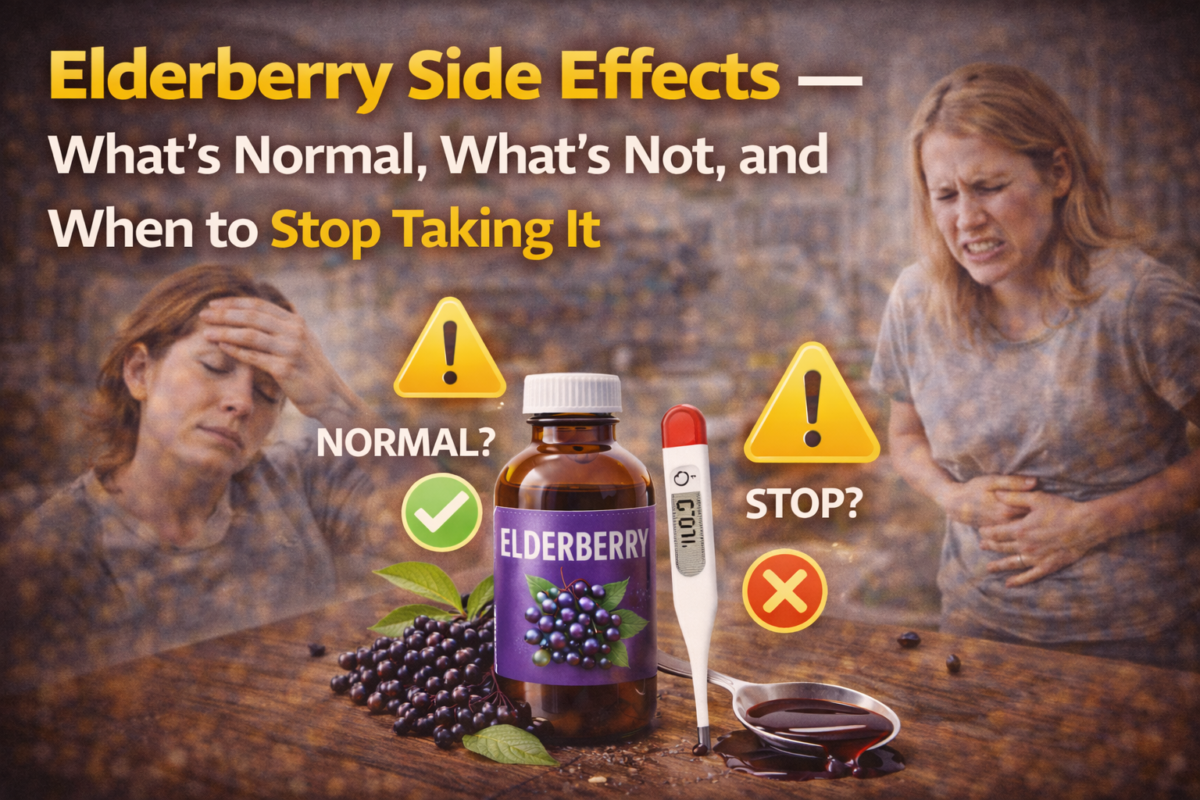
Autoimmune-driven allergic conditions: Same caution as for autoimmune conditions generally — elderberry’s immune stimulation warrants a conversation with your specialist. Full detail on elderberry and autoimmune considerations: elderberry side effects — what’s normal, what’s not, and when to stop.

The Bottom Line
For the majority of seasonal allergy sufferers, elderberry is more likely to help than hurt — primarily through its anti-inflammatory properties and gut health support rather than any direct antihistamine effect.
It won’t replace your Zyrtec during peak pollen week. It’s not that kind of intervention. But as a consistent daily practice through allergy season — started early, taken alongside good gut health habits — it supports the kind of systemic inflammation reduction that makes your immune system less reactive over time.
The people who need to be cautious are those with mast cell disorders, severe allergic asthma, or autoimmune-driven allergic conditions. For everyone else doing battle with pollen every spring and fall, elderberry is worth trying with realistic expectations and a consistent approach.
About the Author
Dr. Andrea Collins is a board-certified allergist and immunologist who has practiced for over sixteen years and holds a deep interest in integrative approaches to immune health. She completed her fellowship in allergy and immunology at Johns Hopkins and contributes to ElderberryPro.com to help patients navigate the gap between conventional allergy treatment and the natural health information they’re already searching for. Her writing does not constitute personal medical advice.