
You’re pregnant, it’s cold and flu season, and your immune system is doing something weird.
That last part is actually true — pregnancy causes a deliberate shift in immune function so your body doesn’t reject the baby. The result is that a lot of pregnant women find themselves getting sick more easily, staying sick longer, and unable to reach for half the things that used to help.
So elderberry comes up. You’ve heard good things. But you also know that “natural” doesn’t automatically mean safe during pregnancy, and you want a real answer — not a paragraph of hedging that leaves you exactly where you started.
Here’s what’s actually known, what isn’t, and how to think through the decision.
The Honest Truth About Elderberry and Pregnancy Research
Let’s start here because everything else flows from it: there is no clinical research specifically studying elderberry use in pregnant women.
That’s not a condemnation of elderberry. It’s a reflection of a much bigger problem — pregnant women are excluded from most clinical trials, which means we have limited research on almost everything during pregnancy, not just elderberry. The absence of evidence is not the same as evidence of harm.
What we do know:
Elderberry has a well-documented safety profile in the general population. No serious adverse effects have been recorded in decades of widespread use. The compounds in elderberry — primarily anthocyanins and flavonoids — are the same types of antioxidants found in blueberries, blackberries, and other foods considered safe during pregnancy. The broader safety discussion in Elderberry Side Effects — What’s Normal, What’s Not, and When to Stop Taking It also identifies the specific reactions and situations that warrant stopping or seeking medical advice.
What we don’t know:
Whether the immune-stimulating properties of elderberry interact with the specific immune adjustments of pregnancy in any meaningful way. This is theoretical, not documented — but it’s the reason most conventional practitioners default to “we don’t have enough data to recommend it.”


What Most Doctors Actually Say
If you ask your OB or midwife about elderberry, you’ll likely get one of two answers:
“We don’t have enough research to recommend it during pregnancy.”
This is the cautious, liability-aware answer. It doesn’t mean elderberry is dangerous — it means your provider is being conservative in the absence of data. That’s not unreasonable.

“It’s probably fine in food amounts, but I’d avoid high-dose supplements especially in the first trimester.”
This is the more nuanced answer that many midwives and integrative practitioners land on. Food-level exposure — a cup of elderberry tea, elderberries cooked into food — is generally viewed differently than daily high-dose syrup or concentrated capsules.
The first trimester is the period of greatest caution with anything. Organ development is happening, the pregnancy is most vulnerable, and the general medical advice is to minimize anything that isn’t clearly necessary. Most practitioners who are comfortable with elderberry later in pregnancy still recommend avoiding supplements in the first twelve weeks.



The Immune Stimulation Question
The most commonly cited concern about elderberry during pregnancy is its effect on the immune system. Elderberry stimulates cytokine production — the signaling proteins that help coordinate immune response. The worry, theoretically, is that stimulating immune response could interfere with the immune tolerance that keeps the body from rejecting the pregnancy.
It sounds alarming stated that way. Here’s the context that usually gets left out:
This concern is theoretical and has never been documented as an actual problem in humans. The immune stimulation from elderberry is mild and short-term — nothing like the kind of sustained immune activation that would be genuinely concerning in pregnancy. Plenty of foods and supplements that are universally considered safe in pregnancy also have mild immune-modulating effects.
The theoretical concern is worth knowing about. It should not be interpreted as established evidence of risk.
What About Elderberry Tea vs. Syrup vs. Supplements?
The form matters quite a bit here, and this distinction gets lost in most elderberry-pregnancy discussions. The differences between tea, syrup, and concentrated supplements are also important when considering Elderberry Dosage for Adults — How Much to Take, When to Take It, and What Most People Get Wrong.
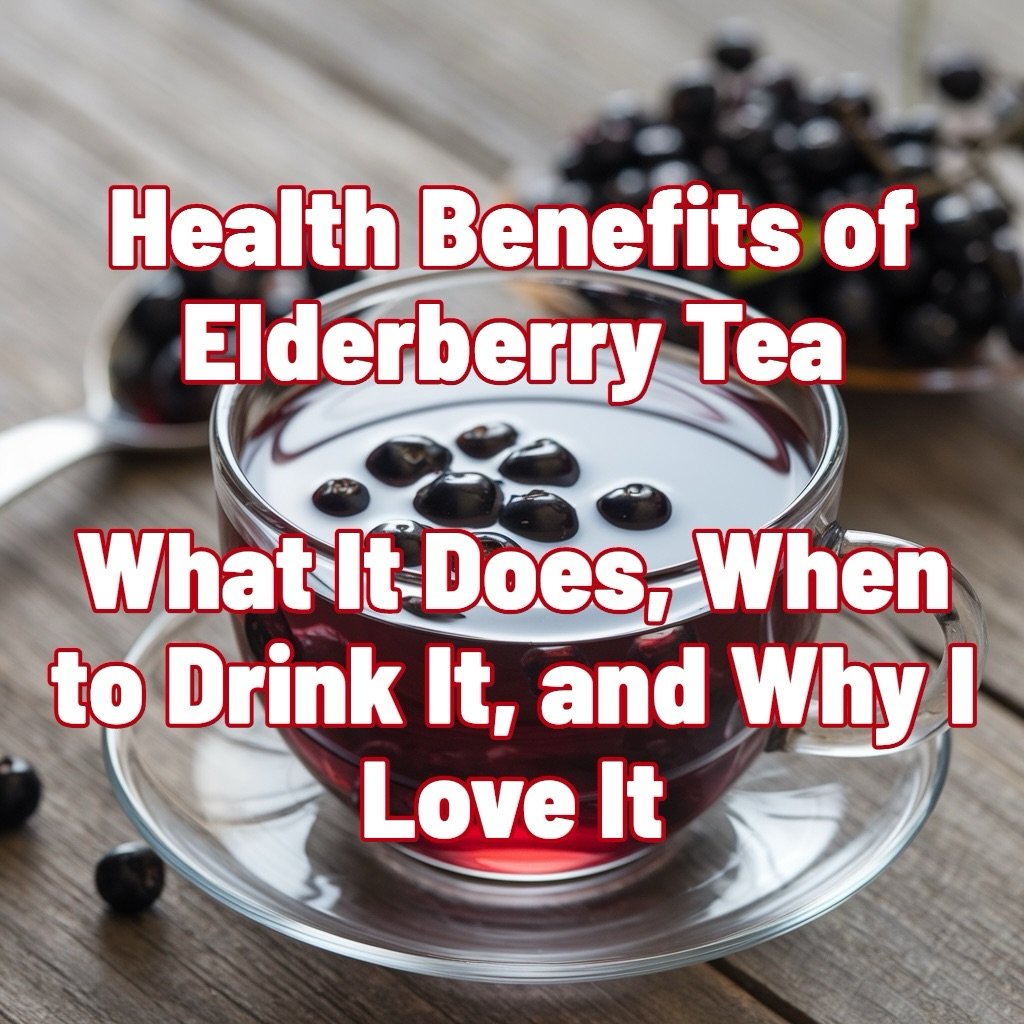
Elderberry tea — made from dried elderberries steeped in hot water — contains significantly lower concentrations of active compounds than syrup or capsules. Many herbalists and midwives who are cautious about elderberry supplements during pregnancy consider occasional elderberry tea reasonable, in the same category as other herbal teas that are widely consumed in pregnancy. If you want to understand what you’re actually getting from tea specifically, the health benefits of elderberry tea covers that well.
Elderberry syrup — this is where opinions diverge. A tablespoon of homemade or commercial syrup is a more concentrated dose than tea. Most conservative practitioners would recommend avoiding daily syrup during the first trimester. Some are comfortable with occasional use in the second and third trimesters. This is genuinely a conversation to have with your own provider.
Concentrated supplements and capsules — highest dose, least studied in pregnancy, most reason for caution. These are the formulations most practitioners would recommend avoiding entirely during pregnancy unless specifically cleared by your doctor.

What About During a Cold or Flu When You’re Pregnant?
This is where the calculus shifts a little.
Getting a serious respiratory illness during pregnancy — especially influenza — carries real documented risks, including preterm labor and complications. The risk of being sick is not zero. That matters when you’re weighing a theoretical concern against a real one.
Some practitioners who would otherwise advise against elderberry during pregnancy make an exception for short-term therapeutic use during acute illness — a few days of syrup at the onset of flu, for example — on the basis that the benefits of shortening illness outweigh the theoretical concerns.
This is not a decision to make without talking to your provider. But it’s worth knowing that the answer to “should I take elderberry while pregnant” isn’t necessarily the same for daily maintenance use versus short-term use during a serious illness.
Safe Alternatives for Immune Support During Pregnancy
If you’d rather avoid elderberry entirely while pregnant — which is a completely valid choice — here are immune-supporting options with clearer safety records in pregnancy:
Vitamin C — well-studied, widely recommended, safe throughout pregnancy at normal doses
Zinc — essential mineral, safe at recommended doses, supports immune function
Vitamin D — most pregnant women are deficient; supplementing has documented benefits for both maternal and infant immune health
Probiotics — safe in pregnancy, and supporting gut health is directly connected to immune function. The relationship between gut health and your immune system is worth understanding.
Ginger — anti-inflammatory, also helps with nausea, widely considered safe in pregnancy
Adequate sleep, hydration, and whole foods — genuinely the most powerful immune support available to a pregnant woman, and completely without risk

What About After Delivery — Elderberry While Breastfeeding?
The same honest answer applies: we don’t have clinical studies on elderberry in breastfeeding women. The general guidance from most practitioners is more permissive than during pregnancy — the immune adjustments specific to pregnancy no longer apply, and the safety profile of elderberry in non-pregnant adults is well established.

Most lactation consultants and integrative practitioners consider elderberry syrup at normal doses reasonable while breastfeeding, with the same caveat that honey-based preparations should not be given directly to infants under one year. Your own breastfeeding supply and consumption is different from giving it directly to a baby. Once a child is old enough to receive elderberry directly, guidance for giving elderberry to children explains the relevant age limits, product forms, and dosing considerations.
That said — check with your provider. That’s the consistent recommendation here, not because elderberry is uniquely risky, but because your specific health history and situation always matters.
How to Think Through the Decision
Here’s a framework that cuts through the noise:
First trimester: Most cautious practitioners and most evidence-informed herbalists agree — this is not the time to experiment with immune-stimulating supplements. Avoid or minimize.
Second and third trimester: The case for caution is softer. Occasional elderberry tea is viewed as low-risk by most practitioners. Daily high-dose syrup during a healthy pregnancy with no complications is where you want a real conversation with your provider.
During active illness: The risk-benefit equation is different. Short-term therapeutic use is something to discuss with your doctor specifically.
Postpartum/breastfeeding: Generally considered more permissive than pregnancy. Still worth a check-in with your provider or lactation consultant.

The Bottom Line
There is no documented evidence that elderberry is harmful during pregnancy. There is also no clinical research confirming it’s safe. That gap — not established harm, but not established safety — is the honest answer.

What that means practically: err toward caution in the first trimester, have a real conversation with your provider rather than just a Google search, consider the form and dose (tea versus concentrated supplements are different things), and make a decision based on your specific situation rather than a blanket yes or no from the internet. For readers cleared to use elderberry, consider the form and dose adds practical context about when different forms may fit a routine.
Including this one.
About the Author
Dr. Renee Holloway holds a doctorate in naturopathic medicine and has spent fifteen years in clinical practice focused on women’s health and prenatal wellness. She is a contributing health writer at ElderberryPro.com and believes that honest, evidence-grounded information serves patients better than either overcautious dismissal of natural remedies or uncritical enthusiasm for them. She lives and practices in the Pacific Northwest.