
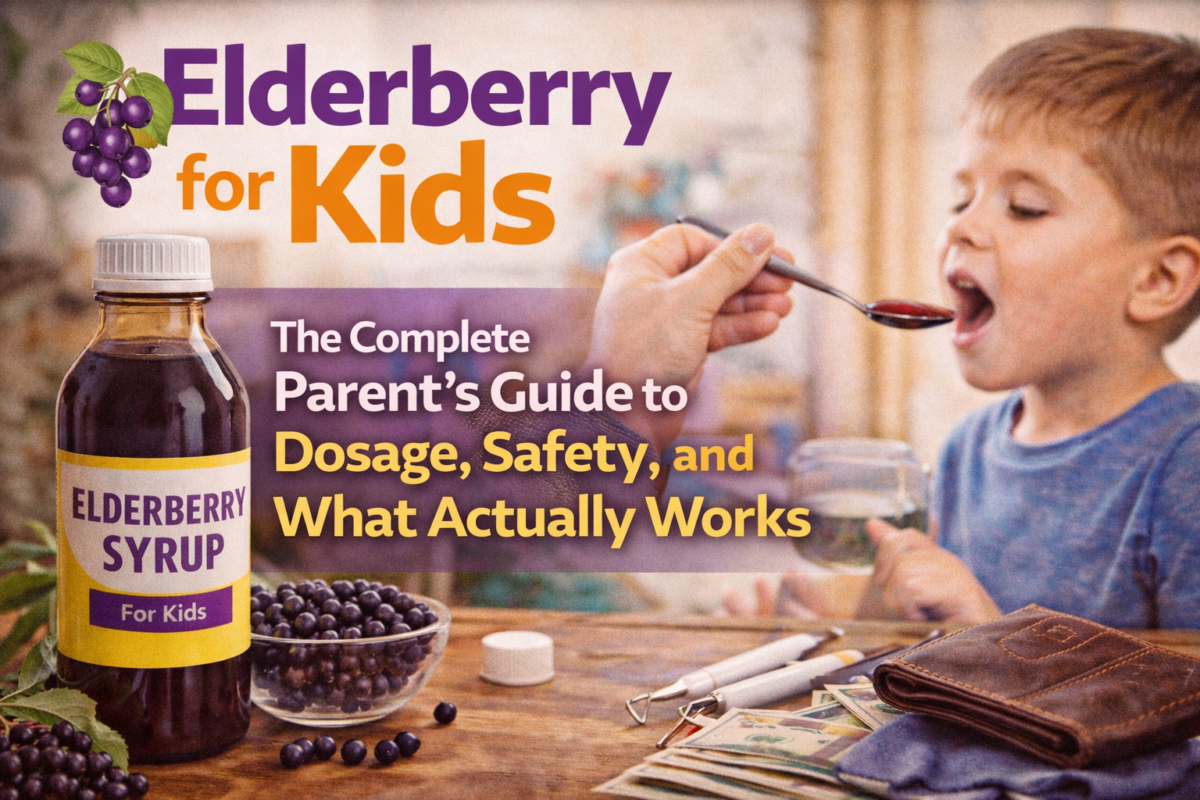
Is elderberry safe for kids? Here’s the complete parent’s guide — dosage by age, best forms, what to avoid, and what actually works during cold season.


Key Takeaways
- Elderberry is generally safe for children over 12 months when used correctly and in appropriate doses
- Never give honey-based elderberry syrup to infants under 12 months — use honey-free formulations only
- Dosage varies significantly by age and form — a toddler dose is not the same as a school-age dose
- Gummies are the most practical form for school-age kids; liquid drops or syrup for toddlers
- Start at the lowest dose and observe for 48 hours before increasing
- Kids with autoimmune conditions or on immunosuppressants need physician clearance first
- Elderberry works best started at the very first sign of symptoms — not mid-cold
Cold season with kids is its own kind of exhausting. They bring home every virus circulating through the classroom, share it generously with everyone in the house, and recover faster than any adult while you’re still flattened a week later.
Elderberry comes up constantly in parent circles as a natural immune support option — and for good reason. But parents also have legitimate questions that most elderberry content doesn’t answer specifically enough: exactly how much, exactly what age, exactly which form, and exactly what to watch for.
This is the complete guide. Every age group, every form, every common parent concern — answered specifically enough to actually be useful.



Is Elderberry Safe for Kids?
For children over 12 months old, yes — elderberry is considered safe when used correctly and in age-appropriate doses. It has a long history of traditional use across multiple cultures and the modern safety profile across decades of widespread use is reassuring.
The research specifically on children is thinner than adult research — as is typical for most supplements, since clinical trials rarely enroll children. But the existing evidence and the safety profile are solid enough that elderberry has become one of the most widely used natural immune supplements for children without documented safety concerns at appropriate doses.
Two non-negotiables regardless of age:
No raw elderberries ever. Raw elderberries are toxic to children just as they are to adults — actually more so given a child’s smaller body weight. The toxic compounds in raw berries cause vomiting and nausea and can be serious in small children. Every elderberry product your child uses must be properly cooked or processed. Full details: never eat elderberries until you read this.
No honey-based products under 12 months. This is a honey issue, not an elderberry issue — but since most elderberry syrups contain honey, it’s critical for parents of infants. Raw honey carries botulism spore risk for babies under one year. Use honey-free elderberry formulations only for this age group.
Outside of those two situations, elderberry is as safe as it gets in the supplement world for children.
Elderberry Safety by Age Group
Under 6 Months
Not recommended. Infants this young have immature immune systems and limited ability to process herbal supplements. Breast milk or formula provides the most appropriate immune support at this stage. Consult your pediatrician before giving any supplement to an infant under 6 months.
6–12 Months
Elderberry can be considered in honey-free formulations only, and pediatrician guidance is strongly recommended before starting. The immune system is still developing rapidly at this stage. If you want to use elderberry with an infant in this age range, use liquid elderberry drops without honey and start with the smallest possible dose.
1–3 Years (Toddlers)
Honey-free elderberry syrup or liquid drops at toddler doses are generally considered safe. This is the age group where the honey restriction matters most — many parents default to adult syrups without checking the label. Always verify no honey before giving to a toddler under 2.
3–6 Years (Preschool)
Standard children’s elderberry products are appropriate at this age. Gummies become viable once children can chew properly — typically around age 3–4. Syrup remains a reliable option for precise dosing.
6–12 Years (School Age)
Full children’s dosing applies. This is the sweet spot for elderberry gummies — kids this age take them willingly, understand they’re for immune support, and the daily habit forms easily. During illness, syrup allows easier therapeutic dosing.
12+ Years (Teens)
Teen dosing typically mirrors adult dosing or sits at the higher end of children’s dosing. Most adult elderberry products are appropriate for teenagers.


Elderberry Dosage for Kids by Age — Complete Chart
These are general guidelines based on standard children’s elderberry products at typical concentrations. Always check your specific product’s label — concentration varies significantly between brands.
Elderberry Syrup Dosage for Kids
Age Daily Maintenance During Illness 6–12 months ¼ tsp (1.25ml) — honey-free only ¼ tsp twice daily — consult pediatrician 1–3 years ½ tsp (2.5ml) once daily ½ tsp twice daily 3–6 years 1 tsp (5ml) once daily 1 tsp twice daily 6–12 years 1–2 tsp (5–10ml) once daily 1 tsp three times daily 12+ years 1 tbsp (15ml) once daily 1 tbsp three to four times daily
Elderberry Gummies Dosage for Kids
Most children’s elderberry gummies are dosed at 50–100mg elderberry extract per gummy. Follow label instructions for your specific product — they vary more than syrup does. Age Daily Maintenance During Illness Under 3 Not recommended — choking risk Not recommended 3–5 years 1 gummy daily 2 gummies daily 6–12 years 1–2 gummies daily 2–3 gummies daily 12+ years 2 gummies daily or per label Up to label maximum
Key Dosing Principles for Kids
Start low, go slow. When introducing elderberry to any child for the first time, start at half the recommended dose for 2–3 days. This gives you clean information about how your child’s system responds before committing to full dosing.
Switch to therapeutic dosing immediately at first symptoms. The same rule that applies for adults applies for kids — the first sign of a scratchy throat or unusual fatigue is the moment to increase frequency, not wait to see if it develops.
Reduce and reassess if digestive symptoms appear. Nausea or loose stools in children taking elderberry almost always means the dose is too high or the product has ingredients their gut doesn’t like. Reduce the dose and check the ingredient list for sugar alcohols, which are common in gummies and cause digestive upset.


Best Forms of Elderberry for Kids — Ranked
1. Gummies — Best for School-Age Kids (3+)
Gummies win for school-age kids for one simple reason: compliance. Kids take them without negotiation because they taste like candy. Building a consistent daily habit is the entire game with preventive elderberry use, and gummies make that habit frictionless.
What to look for in children’s elderberry gummies:
- Elderberry extract (not just fruit powder) as the primary active ingredient
- No xylitol — toxic to pets and unnecessary in children’s products
- Low added sugar — some children’s gummies have more sugar than elderberry
- Age-appropriate dosing clearly labeled
- No artificial colors or flavors if you can find it
The best children’s elderberry gummies my kids have actually taken consistently without complaint — and there have been a lot of test subjects over the years: the children’s elderberry gummies my kids actually love.
2. Elderberry Syrup — Best for Toddlers and Therapeutic Dosing
Syrup gives you the most control over dosing — you can measure precisely, adjust easily, and scale up quickly when a child gets sick. For toddlers who can’t chew gummies yet, syrup is the standard choice.
Most kids tolerate elderberry syrup well. The honey sweetness makes it approachable and the berry flavor reads as food rather than medicine to most children. Some kids resist the tartness — mixing a small amount into juice or warm water solves this in most cases.
During illness specifically, syrup is superior to gummies even for kids who normally take gummies. Scaling up to therapeutic doses through gummies means a lot of sugar alongside the elderberry — syrup lets you increase the elderberry without stacking sugar.
Homemade elderberry syrup is worth considering for families who use it regularly. You control every ingredient, the quality is typically better than commercial options, and the cost is a fraction of store-bought. How to make elderberry syrup from fresh elderberries — and for honey-free versions for younger children: how to make elderberry syrup without honey.
3. Liquid Drops — Best for Infants and Young Toddlers
Liquid elderberry drops or tinctures designed for young children allow very precise small-dose control and can be mixed invisibly into formula, juice, or water. Most young children never notice it.
Look specifically for formulations designed for infants/toddlers — these will be lower concentration than adult drops and honey-free. Adult liquid elderberry extracts are not appropriate for infants — concentration is too high.
4. Elderberry Tea — Gentle Option for Any Age
A mild elderberry tea sweetened with a small amount of honey (for children over 12 months) is a gentle, low-concentration option that most kids accept as a warm drink. Don’t rely on it as your primary elderberry form during illness — concentration is too low for therapeutic dosing — but as a daily wellness habit it’s pleasant and easy.
Can Kids Take Elderberry Every Day?
Yes — daily elderberry use through cold and flu season is the standard approach for most families and is well within normal supplementation practice for children.
The framework most parents use: daily maintenance dose from September through March, skip through summer unless someone is sick, resume in fall.
There’s no documented harm from consistent daily use at appropriate doses. The theoretical concern about chronic immune stimulation that some practitioners mention applies more to year-round indefinite use than to seasonal use. A full cold season of daily elderberry is firmly within what the evidence supports.

Elderberry for Kids During Cold and Flu Season — The Practical Routine
Here’s the family routine that makes elderberry actually work rather than sitting forgotten in the cabinet:
Daily from September through March: maintenance dose every morning — with breakfast so it doesn’t hit an empty stomach. Make it as automatic as brushing teeth. Gummies work best for this because kids associate them with a treat rather than medicine.
The moment your child seems off: shift to therapeutic dosing immediately. The scratchy voice, the slightly glazed eyes, the request to skip soccer practice — these are your signals. Don’t wait for a full-blown cold to develop. Start increased dosing that evening.
Keep it stocked. The single biggest mistake families make is running out of elderberry in November. Stock up in September. Set a reminder to reorder before you’re empty.
Pair it with the basics. Elderberry supports immune function — it doesn’t replace sleep, hydration, and whole foods. Kids who sleep enough and eat reasonably well get more out of elderberry than kids running on poor sleep and processed food.



Kids With Special Health Considerations
Children With Autoimmune Conditions
Elderberry stimulates immune activity. For children managing autoimmune conditions — juvenile arthritis, lupus, inflammatory bowel disease, type 1 diabetes, and others — this immune stimulation is potentially counterproductive and warrants physician clearance before starting.
This isn’t a blanket prohibition — many children with autoimmune conditions take elderberry without issue. But it’s a conversation to have with your child’s rheumatologist or specialist, not a solo decision.
Children on Immunosuppressant Medications
Same reasoning applies with more urgency. If your child is on medications specifically designed to suppress immune function, elderberry’s immune-stimulating mechanism works against that therapeutic goal. Discuss with your child’s prescribing physician before starting.
Children With Allergies
True elderberry allergy in children is uncommon but exists. If your child has plant allergies, introduce elderberry cautiously — start with a small test dose and observe for 24–48 hours before proceeding to regular use. Watch for hives, itching, swelling, or any respiratory symptoms.
The more common scenario is reaction to other ingredients in commercial elderberry products rather than the elderberry itself. Check full ingredient lists carefully if your child has known food sensitivities.
For children with seasonal allergies specifically, elderberry’s anti-inflammatory properties may actually be beneficial. Full discussion: elderberry for allergies — does it actually help or make them worse.
Children With Diabetes
Elderberry itself is not contraindicated in diabetes, but many commercial children’s elderberry products — particularly gummies — contain significant added sugar. At maintenance doses this is manageable; at therapeutic doses (multiple servings per day) the sugar adds up. Choose lower-sugar formulations and monitor accordingly.
Side Effects to Watch For in Kids
Elderberry side effects in children are generally mild and uncommon. Here’s what to watch for and what to do:
Nausea or stomach upset — most commonly from taking it on an empty stomach or at too high a dose. Give with food and reduce dose if this happens. Usually resolves immediately.
Loose stools or diarrhea — often caused by sugar alcohols in gummies rather than the elderberry itself. Check the gummy ingredient list for sorbitol, xylitol, or maltitol. Switch to syrup if the digestive issue persists.
Allergic reaction — rare but watch for hives, itching, swelling, or any change in breathing after the first few doses. Stop immediately and contact your pediatrician if any of these appear.
Headache in the first few days — occasionally reported as the body adjusts. Usually resolves on its own within a week. Reduce dose temporarily if it persists.
What you should not see: any serious adverse effects at appropriate doses in healthy children. If something seems significantly wrong after starting elderberry, stop and contact your pediatrician.

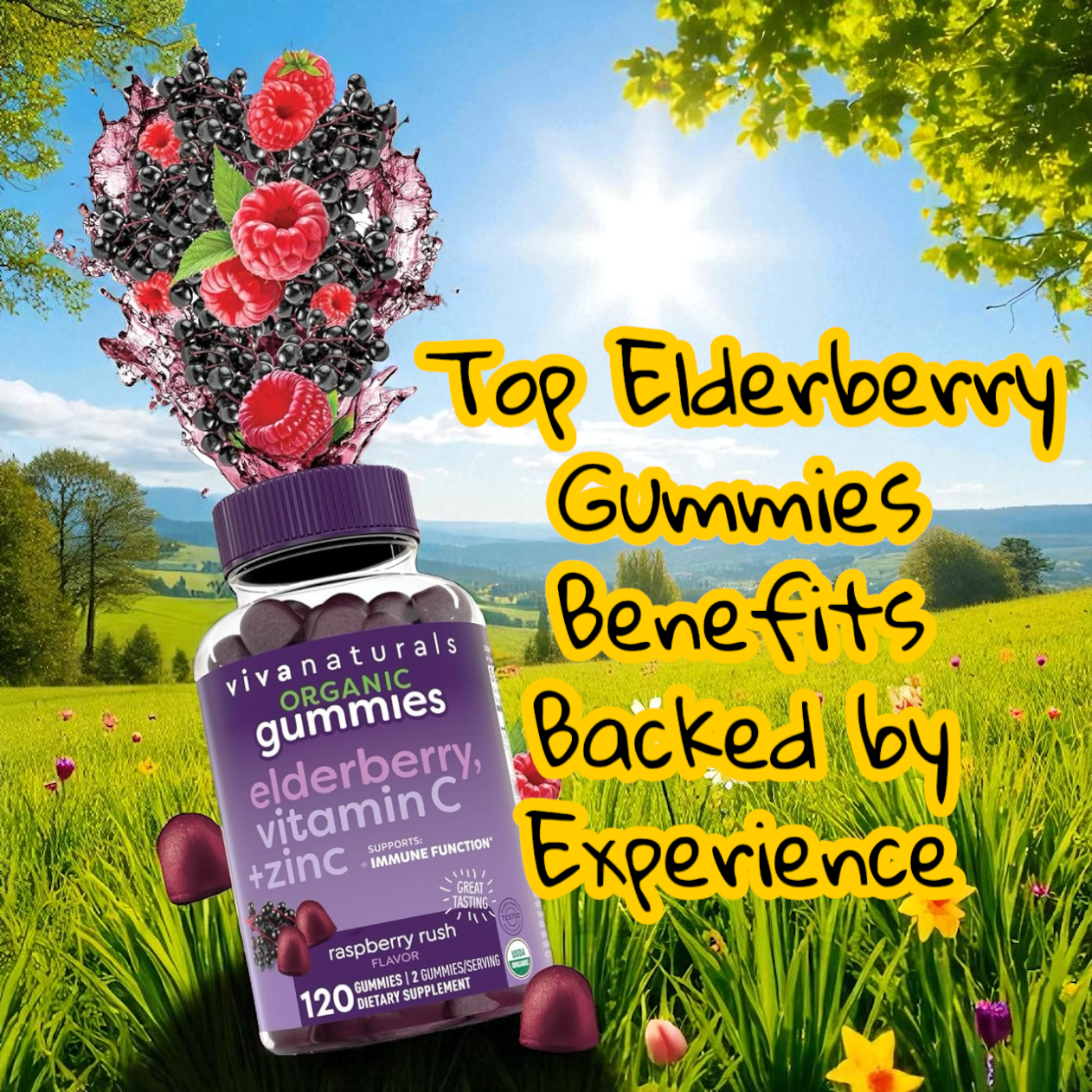

Elderberry vs. Vitamin C vs. Zinc for Kids — Which Should You Choose?
Parents often ask whether elderberry, vitamin C, or zinc is the better choice for kids. The honest answer is that they work differently and complement each other rather than competing.
Elderberry — antiviral mechanism, immune coordination, gut health support. Best used consistently through cold season plus therapeutic dosing at first symptoms.
Vitamin C — broad antioxidant and immune cell support, safe at appropriate pediatric doses, genuinely useful as a daily baseline. Kids who eat limited fruits and vegetables are commonly deficient.
Zinc — most evidence for shortening cold duration when started early. For children, zinc lozenges dissolved slowly in the mouth work better than swallowed tablets. Use short-term during illness rather than daily long-term.
Most families are better served running all three than choosing one — they work through different mechanisms and don’t compete with each other. The full adult comparison that applies equally to the family strategy: elderberry vs. zinc vs. vitamin C — which one actually works best.

Frequently Asked Questions From Parents
Can babies have elderberry syrup?
Under 12 months, only honey-free elderberry formulations are appropriate — never honey-based syrups. For babies under 6 months, consult your pediatrician before starting any supplement. For babies 6–12 months, honey-free liquid drops at very small doses with pediatrician guidance is the conservative approach.
Can kids take elderberry long term?
Daily elderberry use through cold and flu season — typically 6 months — is well within what evidence supports. Year-round indefinite use has less research behind it. Most practitioners recommend a break in summer as a conservative measure, resuming in fall.
What happens if my child takes too much elderberry?
The most likely result is digestive upset — nausea, loose stools, or stomach cramping. This resolves as the product moves through their system. Reduce the dose going forward and give with food. At very high doses, more significant digestive symptoms are possible but serious toxicity from properly prepared elderberry products at even moderately elevated doses is not documented.
Can my child take elderberry with other medications?
For most common children’s medications — antibiotics, fever reducers, allergy medications — there’s no documented interaction with elderberry. The exception is immunosuppressant medications, where elderberry’s immune stimulation works against the therapeutic goal. Always mention supplements to your child’s doctor if they’re on prescription medications.
How long does it take for elderberry to work for kids?
For acute illness started at first symptoms, clinical research shows meaningful effect within 2–4 days. For daily prevention, the benefit builds over a full season rather than showing up after one week. Parents who assess elderberry after one month often underestimate its contribution to keeping kids healthier through a full winter.
Should I give elderberry every day or only when my child is sick?
Both. Daily maintenance through cold season plus immediate therapeutic dosing the moment your child seems off. The preventive benefit is real and documented. Waiting until your child is fully sick before starting means you’ve already lost the highest-leverage window.
My child refuses elderberry syrup — what do I do?
Switch to gummies. Almost no child refuses elderberry gummies because they taste like berry candy. If gummies also fail, try mixing a small amount of syrup into apple juice or a smoothie — the flavor blends almost invisibly with other berry flavors.


About the Author
Sarah Callahan is a certified herbalist and mother of three who has spent over a decade researching and writing about natural family health. She holds a certificate in herbal medicine from the American Herbalists Guild and contributes regularly to ElderberryPro.com. Her work focuses on practical, evidence-informed approaches to natural wellness for families — the kind that actually fit into real life with real kids who don’t always cooperate.
As an Amazon Associate we earn from qualifying purchases through some links in our articles.