
Does elderberry actually boost your immune system? Here’s what the science says, how it works in your body, and the right way to use it for real results.


Key Takeaways
- Elderberry contains anthocyanins that block viruses from entering cells and trigger immune signaling proteins called cytokines
- Clinical research shows elderberry shortens cold and flu duration — most significantly when started within the first 48 hours of symptoms
- Daily maintenance dosing through cold season is supported by at least one strong randomized controlled trial
- Form and dose matter — fruit powder capsules and weak commercial syrups deliver far less benefit than standardized extracts
- Most healthy adults can take elderberry safely; people with autoimmune conditions or on immunosuppressants should consult a doctor first
If you’ve been taking elderberry and wondering whether it’s actually doing anything — or if you’re skeptical and want to know whether the research holds up before spending money on it — this is the article you need.
Not a pep talk. Not vague wellness language. The actual mechanism, the actual research, and the actual protocol that gets results.



How Elderberry Works in Your Immune System
Most supplement marketing talks about “boosting” the immune system without explaining what that means. Elderberry’s mechanism is more specific than that — and more interesting.
Anthocyanins Block Viral Entry
The primary active compounds in elderberry are anthocyanins — the dark purple pigments concentrated in the berry’s skin. Research published in Phytochemistry demonstrated that these compounds bind directly to the protein spikes on influenza virus particles, physically blocking them from attaching to and entering human cells.
Think of it as jamming the lock before the virus can get inside. Once a virus is inside a cell it can replicate thousands of times. Stopping cell entry upstream is significantly more effective than trying to deal with established infection.
This is a specific, documented mechanism — not generic immune “support.” It’s also why timing matters so much. Elderberry works best when viral load is still low and the virus is still trying to establish a foothold.
Cytokine Stimulation — The Immune Coordination Signal
Elderberry also stimulates the production of cytokines — signaling proteins your immune system uses to coordinate its response. A study published in the European Cytokine Network found that elderberry extract significantly increased production of multiple cytokines including TNF-alpha and several interleukins.
Cytokines essentially tell your immune cells where to go and what to do. A faster, better-coordinated cytokine response means your body mobilizes its defenses more quickly — which translates to shorter, less severe illness.
This cytokine stimulation is also why elderberry requires some caution in people with autoimmune conditions, where the immune system is already overactive. Stimulating it further can theoretically worsen symptoms. More on that below.
Antioxidant Protection
Elderberry ranks among the highest antioxidant-density foods tested, with an ORAC value that competes with blueberries and pomegranate. Antioxidants neutralize free radicals — unstable molecules that damage cells and create chronic inflammation.
Chronic low-grade inflammation impairs immune function over time. By reducing oxidative stress and systemic inflammation, elderberry creates a better baseline environment for your immune system to operate from — even outside of acute illness.
The Gut Connection
Here’s the piece most elderberry content skips entirely: over 70% of your immune system lives in your gut. The gut-associated lymphoid tissue (GALT) is the largest immune organ in your body, and its health directly determines how effectively your immune system responds to threats.
Elderberry’s polyphenols act as prebiotics — they feed and diversify beneficial gut bacteria that are central to healthy immune function. A healthier gut microbiome means a more responsive, better-calibrated immune system across the board. This is a long-game benefit that builds over weeks of consistent use, not something you feel after one dose. The science behind this connection is well established: over 70% of your immune system lives in your gut.
What the Research Actually Shows
The Flu Studies
The landmark study most often cited was published in the Journal of International Medical Research in 2004. Sixty patients with confirmed influenza were randomized to receive elderberry extract or placebo. The elderberry group recovered an average of four days faster. Symptom severity scores were significantly lower throughout.
A 2016 randomized controlled trial published in Nutrients studied elderberry supplementation in 312 air travelers — a high-exposure group due to recirculated cabin air and immune stress from travel. Travelers taking elderberry developed colds that were on average two days shorter with significantly reduced severity compared to placebo.
A 2019 meta-analysis published in Complementary Therapies in Medicine pooled data from multiple controlled trials and concluded that elderberry supplementation substantially reduced upper respiratory symptoms in both duration and severity. The researchers noted the effect size was clinically meaningful — not just statistically significant.
What the Research Doesn’t Show
Intellectual honesty matters here. The existing studies are mostly small. Funding sources vary. We don’t have the large-scale, multi-site, independently funded trials that pharmaceutical antivirals have. Scientists appropriately describe the evidence as “promising and consistent” rather than “conclusive.”
What we can say accurately: the research that exists is consistently positive, the mechanism is well understood, the safety profile is excellent, and no well-designed study has shown elderberry to be ineffective. That’s a stronger evidence base than most supplements on the market — but it’s not the same as pharmaceutical-grade proof.

Elderberry for Daily Immune Support vs. Acute Treatment
These are different use cases and they require different approaches.
Daily Prevention
Taking elderberry daily through cold and flu season — September through March for most people — is supported by the 2016 travel study, which used consistent daily dosing as its protocol and showed meaningful benefit.
The goal of daily use is threefold: maintaining the antiviral effect of anthocyanins at a baseline level, supporting gut microbiome health with consistent polyphenol intake, and ensuring the supplement is already in your system at therapeutic levels when exposure happens.
Daily prevention dose: 1 tablespoon elderberry syrup, 1–2 standardized gummies, or 500mg capsule — once daily, taken with food.
Acute Treatment — When You Feel Something Coming On
This is where elderberry earns its strongest research support and where most people underdose.
The moment you feel the first hint of illness — the scratchy throat, the unusual afternoon fatigue, the specific heaviness that experienced elderberry users learn to recognize — is the moment to shift gears immediately.
Therapeutic dose: 1 tablespoon syrup every 4–6 hours, or equivalent in capsules or gummies, until 24–48 hours after symptoms resolve. The four-times-daily dosing matches what clinical studies use. One tablespoon once a day when you’re sick is maintenance dosing — it’s not enough.
The 48-hour window from first symptoms is your highest-leverage period. Starting elderberry on day three of a full-blown cold is better than nothing but significantly less impactful than starting at the first sign.
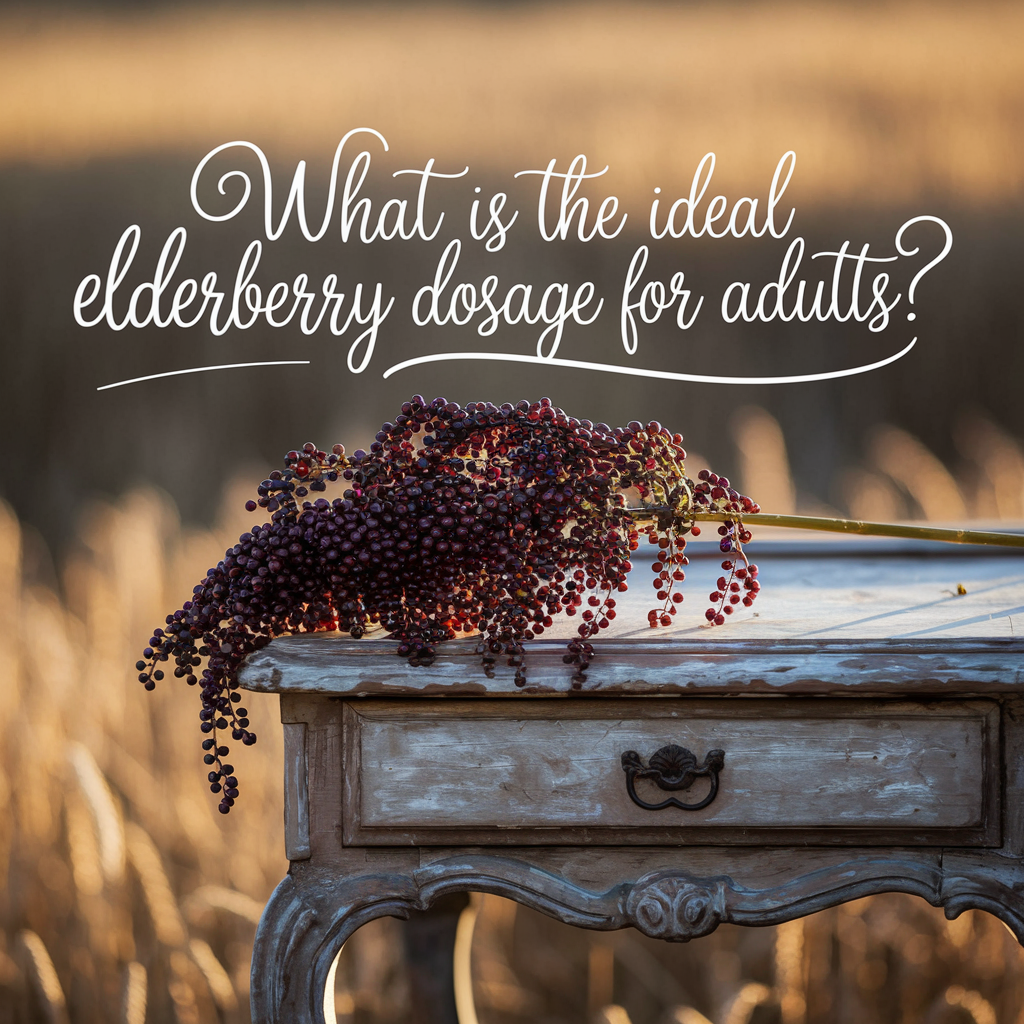
Full dosing breakdown by form and goal: elderberry dosage for adults — how much, when, and what most people get wrong.

Elderberry vs. Other Immune Supplements
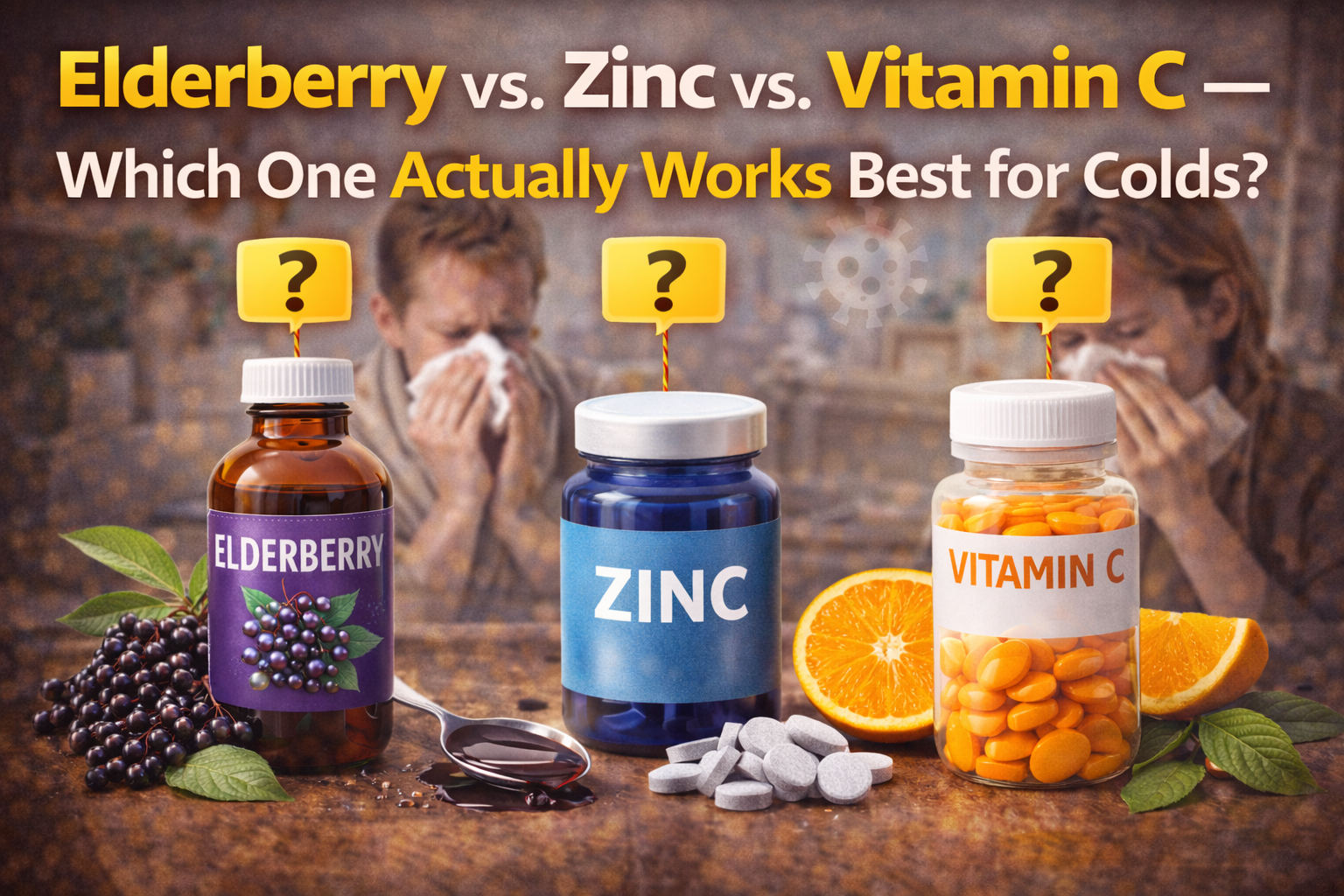
Supplement Primary Mechanism Best Use Case Evidence Level Elderberry Antiviral (blocks cell entry) + cytokine stimulation Prevention + early treatment Moderate — consistent positive trials Zinc Disrupts viral replication in throat Acute treatment (first 24 hrs) Strong for cold duration Vitamin C Antioxidant + immune cell support Daily baseline Strong for prevention in high-stress populations Echinacea Immune modulation Early cold treatment Mixed — inconsistent across trials Vitamin D Immune cell regulation Year-round baseline, especially winter Strong — well-established deficiency link Probiotics Gut microbiome support Long-term immune calibration Strong and growing
The smart approach isn’t choosing one — it’s layering complementary tools. Elderberry and zinc work through different mechanisms and are genuinely additive when both are started early. Vitamin C and vitamin D support baseline immune function that makes elderberry’s acute effects more powerful.
Full comparison of the top three: elderberry vs. zinc vs. vitamin C — which one actually works best.
How Long Does Elderberry Take to Work?
For acute treatment started within the first 48 hours of symptoms: research shows meaningful effect within 2–4 days, with the elderberry group in the key flu study recovering four days faster than placebo.
For daily prevention: the antiviral and anti-inflammatory effects are present immediately with each dose, but the gut microbiome benefits and systemic inflammation reduction build over 4–6 weeks of consistent use. Most people who take elderberry daily through a full cold season report getting sick less often and recovering faster when they do — but that’s a season-long observation, not a one-week result.
For immune system baseline improvement: think in months, not days. This is the long game benefit that compounds alongside other gut health and anti-inflammatory habits.
Who Should Be Careful With Elderberry for Immune Support
Most healthy adults can take elderberry safely without concern. A few situations warrant extra attention:
Autoimmune conditions — elderberry stimulates immune activity. For conditions like lupus, rheumatoid arthritis, multiple sclerosis, or Hashimoto’s where the immune system is already overactive, this stimulation is theoretically counterproductive. Discuss with your rheumatologist or specialist before starting.
Immunosuppressant medications — same reasoning. If you’re pharmacologically suppressing immune function post-transplant or for autoimmune management, elderberry works against that goal.
Pregnancy — first trimester — insufficient research for confident recommendations. Most integrative practitioners advise avoiding immune-stimulating supplements in the first trimester specifically. Full breakdown: elderberry and pregnancy — is it safe.
Children under one year — not because of elderberry specifically, but because most syrups contain honey, which poses infant botulism risk under 12 months. Use honey-free formulations only, and check with your pediatrician.
Complete side effect and safety guide: elderberry side effects — what’s normal, what’s not, and when to stop.


Building an Elderberry Immune Routine That Actually Works
Here’s the practical daily framework:
September through March (cold and flu season):
- Daily maintenance dose every morning with breakfast
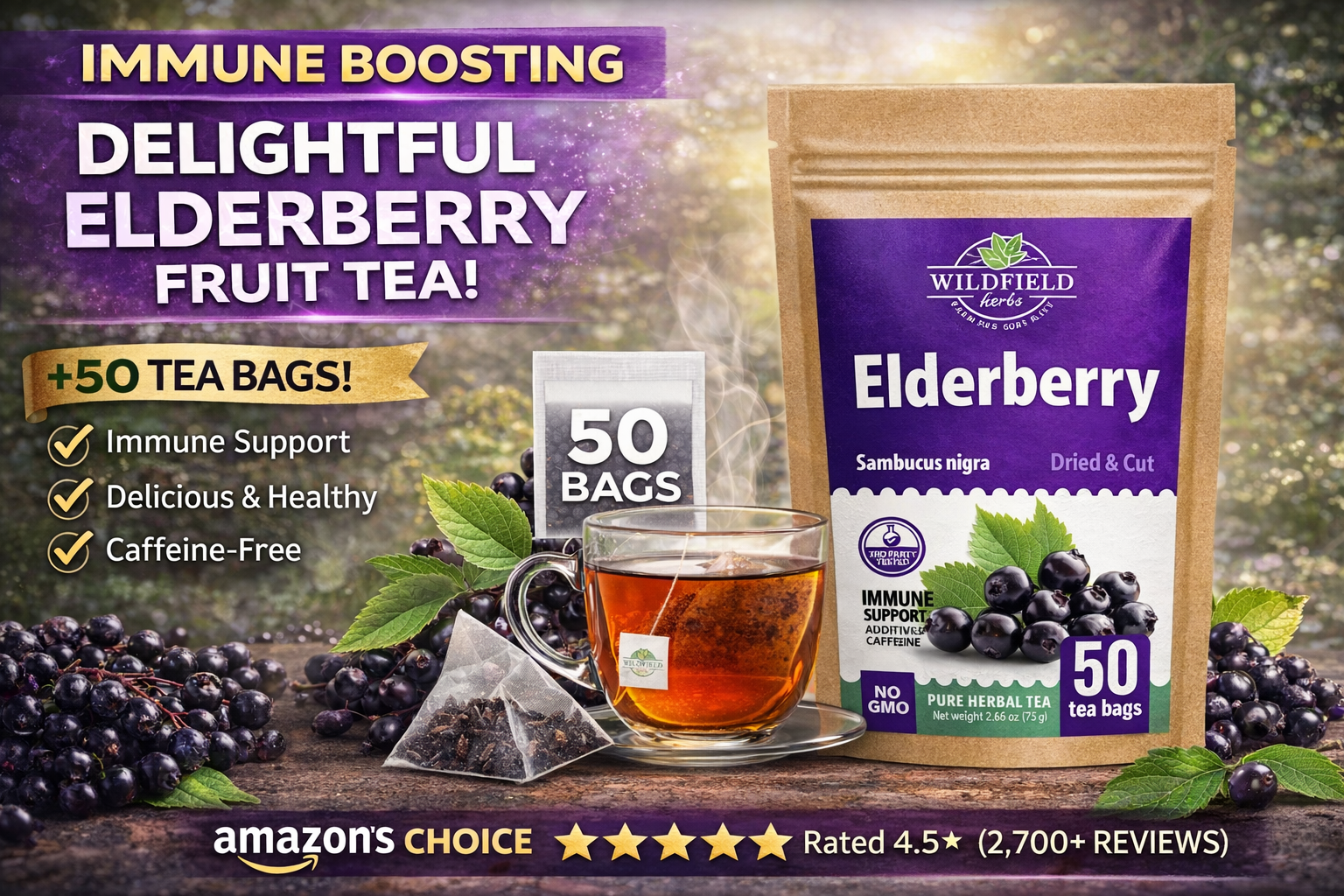
- Elderberry tea as an additional habit if you’re a tea drinker — not instead of, alongside
- Keep syrup or capsules stocked so you never run out mid-season
At the first sign of anything:
- Immediately shift to therapeutic dosing — every 4–6 hours, not once daily
- Add zinc lozenges within the first 24 hours
- Prioritize sleep, fluids, and reducing activity load
Year-round baseline:
- Daily vitamin D (most people are deficient, especially in winter)
- Daily vitamin C as a low-cost antioxidant baseline
- Probiotic-rich foods or a quality probiotic supplement to support the gut immune axis
- Elderberry through cold season, optional break in summer
The routine that I’ve personally used and refined over years: how I use elderberry to boost my immune system daily.
Frequently Asked Questions
Does elderberry actually boost your immune system?
Yes — but “boost” is imprecise. Elderberry has specific documented effects: it blocks viral cell entry through anthocyanin binding, stimulates cytokine production for faster immune coordination, and supports gut microbiome health which underlies about 70% of immune function. These are measurable mechanisms, not vague marketing claims.
How long does it take for elderberry to work for immune support?
For acute illness started early, clinical studies show meaningful effect within 2–4 days. For long-term immune baseline improvement through consistent daily use, allow 4–6 weeks for the gut health and anti-inflammatory benefits to accumulate.
Should I take elderberry every day?
Daily use through cold and flu season is well supported and the approach most practitioners recommend. Year-round daily use indefinitely has less research behind it — many practitioners suggest a break in summer as a conservative measure.
What is the best form of elderberry for immune support?
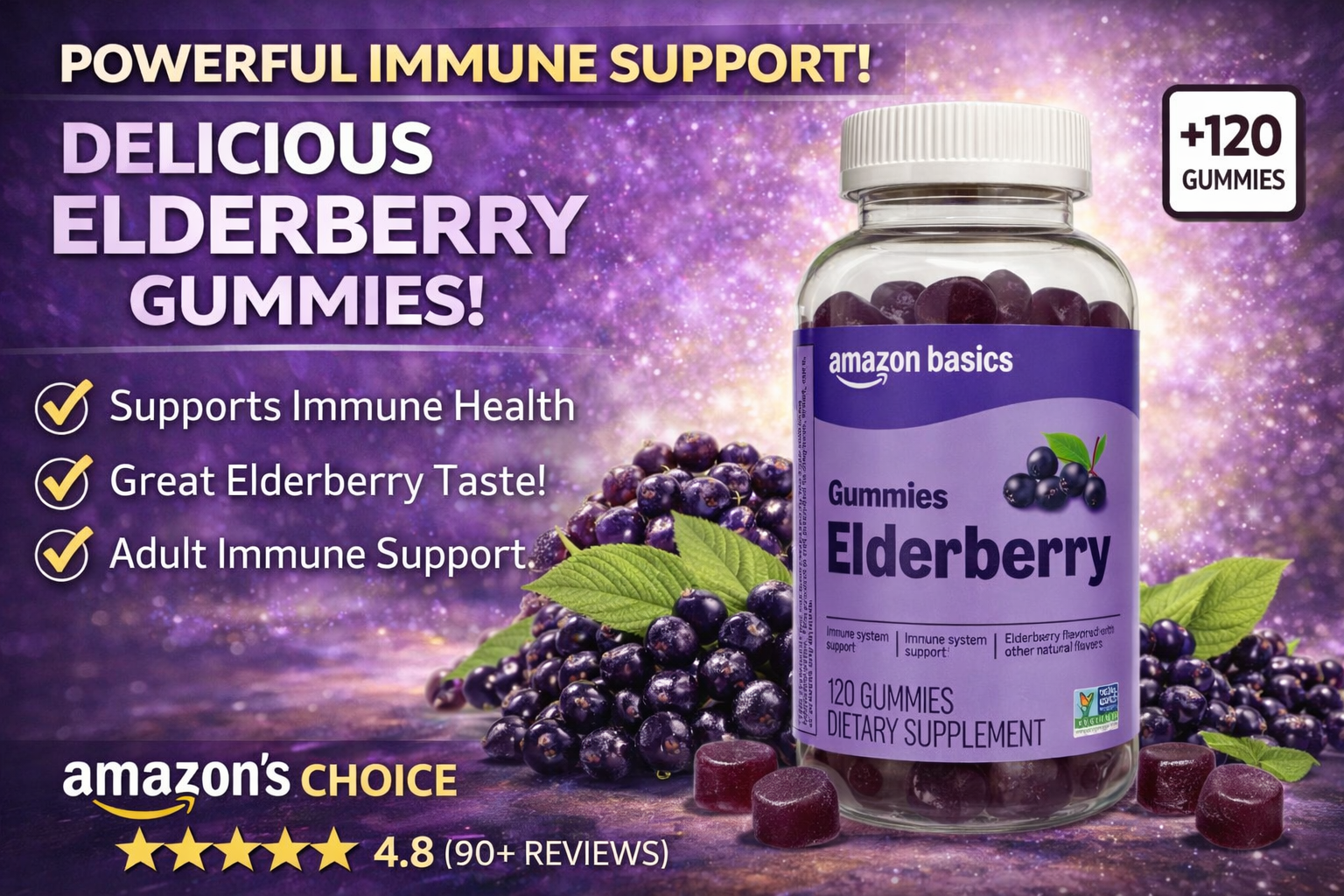
Standardized elderberry extract capsules offer the most consistent and precise dosing. Quality syrup is most versatile for families. Gummies win on compliance and daily habit formation. All three work — the best form is the one you’ll take consistently. Full breakdown: best elderberry supplements — what actually works and what to skip.
Can elderberry prevent colds entirely?
Probably not entirely, but it can meaningfully reduce frequency and severity. The 2016 travel study showed elderberry users who did get sick had significantly shorter, milder illness — which is the realistic goal, not a guarantee of zero colds.
Is elderberry better than vitamin C for immune support?
They work differently and complement each other. Elderberry has a more specific antiviral mechanism. Vitamin C provides broader antioxidant and immune cell support. Most people are better served by taking both than choosing one. Full comparison: elderberry vs. zinc vs. vitamin C.
Can kids take elderberry for immune support?
Yes, with age-appropriate dosing and formulation. Gummies or syrup work well for children. Avoid honey-based syrups under 12 months. Full pediatric guide: elderberry for kids — is it safe, how much, and what form actually works.
Does elderberry interact with medications?
The most significant interactions are with immunosuppressants (elderberry stimulates immunity, working against the goal of suppression) and potentially diuretics (additive effect). Always review with your prescriber if you’re on regular medications.


The Bottom Line
Elderberry works. The mechanism is specific, the research is consistent, and the safety profile is excellent for most people. It’s not magic and it’s not a replacement for the fundamentals — sleep, nutrition, hydration, stress management. But as a targeted addition to a real immune support strategy, it earns its place more than almost anything else in the supplement aisle.
Use it daily through cold season. Stock it before you need it. Shift to therapeutic dosing the moment you feel anything. Give it a full season before judging whether it’s working.
That’s the protocol. Everything else is details.
About the Author
Dr. James Calloway is a functional medicine practitioner with over twenty years of clinical experience and a long-standing focus on evidence-based natural therapeutics. He completed his medical training at the University of Michigan and holds additional certification in integrative medicine through the Academy of Integrative Health and Medicine. He writes for ElderberryPro.com to help everyday people navigate the gap between supplement marketing and what the research actually shows. Nothing in his writing constitutes personal medical advice.
As an Amazon Associate we earn from qualifying purchases through some links in our articles.