
Elderberry and diabetes is a more nuanced conversation than most articles make it. The berry may actually help with blood sugar regulation — but the syrup that delivers it often contains enough sugar to undermine the benefit. Here’s how to get it right. Understanding how products differ in concentration can help with Elderberry Dosage for Adults — How Much to Take, When to Take It, and What Most People Get Wrong, especially when sugar content matters.
Key Takeaways
- Elderberry itself shows promising blood sugar-lowering properties in preliminary research
- Most commercial elderberry syrups contain significant added sugar — a real concern for diabetics
- Capsules or sugar-free drops are the safest elderberry forms for people managing blood sugar
- Elderberry may interact mildly with diabetes medications by adding to their glucose-lowering effect — monitor accordingly
- The anti-inflammatory benefit of elderberry is directly relevant to diabetes management — chronic inflammation drives insulin resistance
- Type 1 diabetes involves autoimmune factors — the elderberry-autoimmune caution applies here
Diabetes management is largely about what you put in your body. Every supplement, every food, every drink runs through the same filter: how does this affect my blood sugar, and does it interact with my medications.
Elderberry is worth running through that filter carefully — because the answer is more interesting than a simple yes or no.
The berry itself has properties that are potentially beneficial for people managing diabetes. The products that deliver the berry often contain enough sugar to create a real problem. Understanding the difference between elderberry and elderberry products is the whole conversation here.



What Elderberry Does to Blood Sugar
Let’s start with the research — because there actually is some, and it’s more promising than most people realize.
Animal Studies Showing Blood Sugar Reduction
Multiple animal studies have demonstrated that elderberry extract reduces blood glucose levels and improves insulin sensitivity. A study published in the Journal of Nutritional Biochemistry found that black elderberry extract significantly reduced blood glucose in diabetic mice while also improving their lipid profiles.
Another study found that anthocyanins from black elderberries stimulated insulin secretion from pancreatic cells — meaning elderberry may support the body’s own insulin production, not just reduce glucose through other pathways.
These are animal studies, which means they establish biological plausibility rather than clinical proof in humans. But the mechanisms they identify are real and consistent across multiple studies.
The Human Evidence
Direct human clinical trials on elderberry and diabetes specifically are limited — this is a gap in the research that hasn’t been filled yet. What we have is substantial population data showing that high dietary anthocyanin intake is consistently associated with lower diabetes risk, better insulin sensitivity, and lower fasting blood glucose in large population studies.
Elderberry is one of the richest dietary anthocyanin sources available — higher anthocyanin density per serving than blueberries, blackberries, or red wine. The population association between anthocyanin intake and better glucose metabolism is credible evidence that the elderberry-blood sugar connection is real, even without disease-specific clinical trials.
The Inflammation-Insulin Resistance Connection
This is the mechanism most directly relevant to type 2 diabetes management — and the one that makes elderberry’s anti-inflammatory properties particularly valuable for this population.
Chronic inflammation drives insulin resistance. Specifically, TNF-alpha and IL-6 — pro-inflammatory cytokines that elderberry directly suppresses — interfere with insulin receptor signaling. When these cytokines are chronically elevated, cells become less responsive to insulin’s signal to absorb glucose. The result is insulin resistance and elevated blood sugar.
Elderberry’s documented reduction of TNF-alpha and IL-6 directly addresses one of the primary inflammatory mechanisms of insulin resistance. Reducing the inflammatory burden doesn’t just help you feel better — it improves the cellular environment in which insulin signaling occurs.
This is the longer-game benefit of elderberry for people with type 2 diabetes. Not a dramatic immediate glucose-lowering effect, but a gradual improvement in the inflammatory conditions that drive insulin resistance over consistent weeks of use.
For the complete anti-inflammatory research: Elderberry for Inflammation — What the Research Actually Shows
The Sugar Problem With Commercial Elderberry Products
Here’s where elderberry and diabetes gets complicated — and where most articles on this topic fail you by skipping the practical detail.
Elderberry itself has potential blood sugar benefits. Many of the products that deliver elderberry are loaded with sugar that directly counteracts those benefits.

Elderberry syrups: most commercial syrups use raw honey, cane sugar, or glucose syrup as a sweetener. A standard tablespoon serving of many commercial elderberry syrups contains 4–8 grams of sugar. At therapeutic doses — three to four tablespoons daily during illness — that adds up to 12–32 grams of sugar from the supplement alone. For someone managing diabetes carefully, that’s a significant and unnecessary glucose load. For the underlying prevention and early-treatment schedule behind these serving amounts, see therapeutic elderberry dosing.
Elderberry gummies: many elderberry gummies contain 3–5 grams of sugar per serving. At two gummies daily that’s 6–10 grams of added sugar every day from a supplement you’re taking for health reasons.
Homemade elderberry syrup: if you make your own with honey, the same issue applies. A cup of honey in a standard batch adds significant sugar content to every tablespoon.
This doesn’t mean people with diabetes can’t use elderberry. It means the form of elderberry you choose matters enormously for this population.
The Safest Elderberry Forms for Diabetics
Elderberry Capsules — Best Choice for Diabetics
Standardized elderberry extract capsules contain no added sugar, no honey, no sweeteners of any kind. You get the concentrated active compounds — anthocyanins, polyphenols, quercetin — without any glucose load. This is the cleanest elderberry option for anyone managing blood sugar carefully.
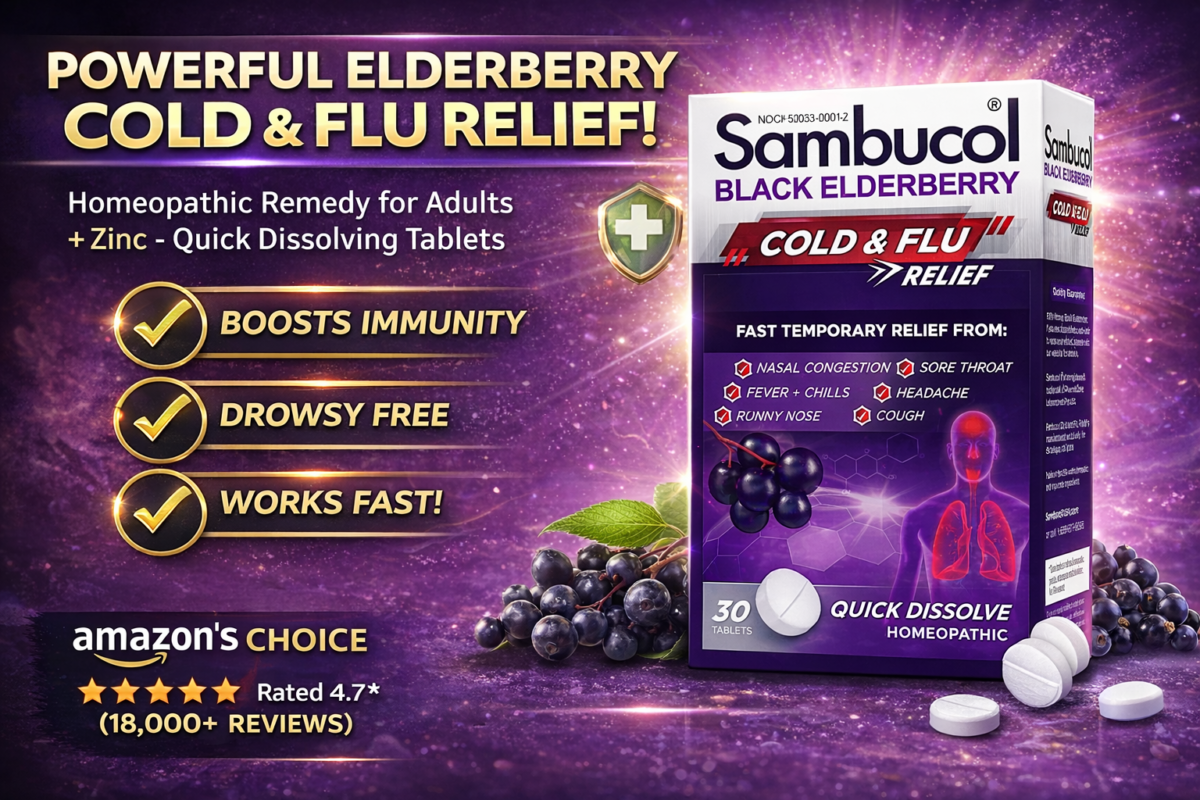
Look for capsules listing standardized elderberry extract with specific anthocyanin content. 500mg of standardized extract per capsule is a meaningful dose. The Sambucol elderberry and zinc tablets combine standardized elderberry extract with zinc — both relevant to immune function — in a tablet format with no added sugar.
Buy Sambucol Elderberry and Zinc Tablets on Amazon
Sugar-Free Elderberry Drops — Second Best
Concentrated liquid elderberry drops specifically formulated without sugar or honey deliver meaningful elderberry content in a mixable format without the glucose concerns of traditional syrup. Look specifically for “sugar-free” and confirm the ingredient list shows no honey, cane sugar, or other sweeteners.
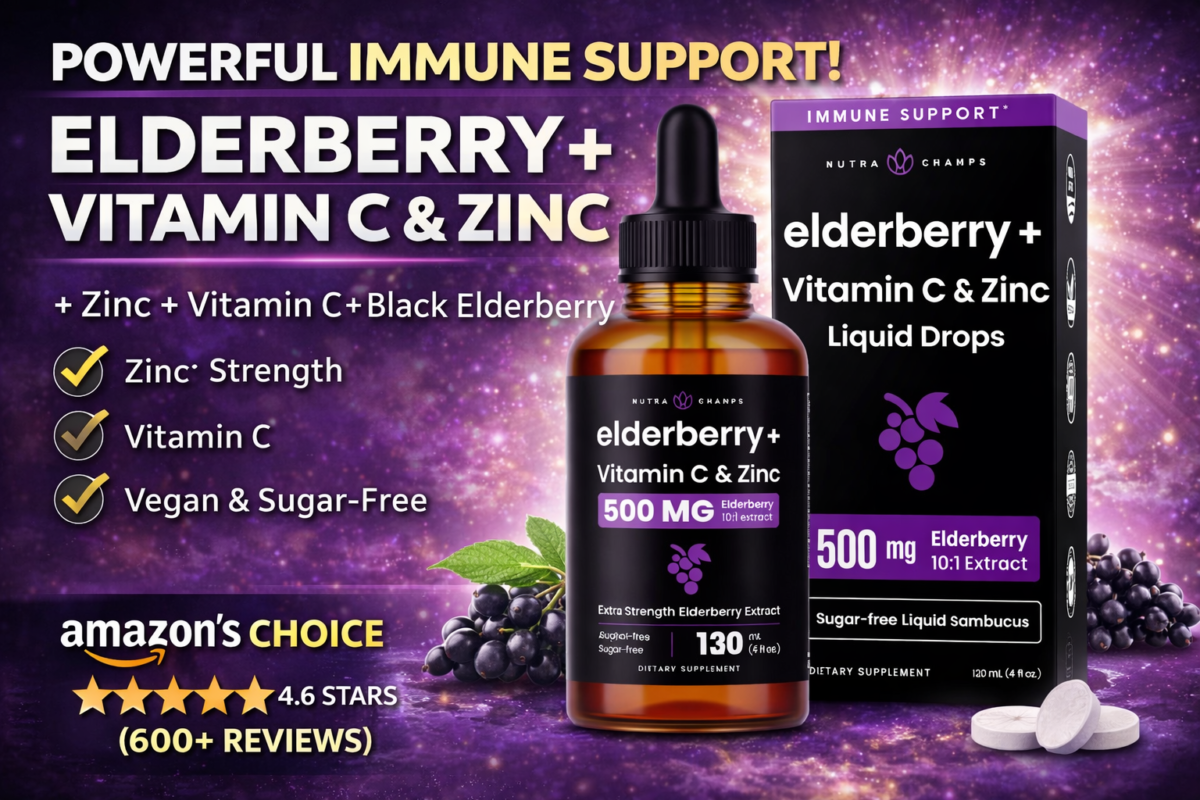
The NutraChamps Organic Elderberry Syrup Drops are sugar-free and organic — a practical option for diabetics who prefer liquid form over capsules.
Buy NutraChamps Sugar-Free Elderberry Drops on Amazon
Homemade Elderberry Syrup — Best If Modified
Making your own gives you complete control over the sweetener. Standard recipes call for honey — substitute with one of these options for a diabetic-appropriate version:
Vegetable glycerin — sweet without affecting blood sugar, food-grade safe, also acts as a mild preservative. The best honey substitute for diabetic elderberry syrup.
Monk fruit sweetener — zero glycemic impact, works in small amounts, doesn’t affect the syrup’s consistency.
No sweetener — the syrup is tart but functional. Mix a small amount into water or unsweetened juice to make it more palatable.
The base recipe: How to Make Elderberry Syrup Without Honey
What to Avoid
Standard honey-based syrups — the sugar content is real and cumulative, especially at therapeutic doses.
Standard elderberry gummies — most contain 3–5 grams of sugar per serving. At daily use this adds meaningful glucose load with no benefit that capsules or drops don’t provide without the sugar.
Very cheap elderberry products — low-quality elderberry products often contain more sweetener than elderberry. For diabetics specifically, a product that’s mostly sugar syrup with trace elderberry delivers the sugar problem without the elderberry benefit.
Elderberry and Diabetes Medications — What to Know
This is the interaction question most diabetics want answered specifically.
Elderberry and Metformin

Metformin is the most commonly prescribed type 2 diabetes medication. No documented direct interaction between elderberry and metformin. They work through different mechanisms — metformin primarily reduces hepatic glucose production, elderberry’s potential blood sugar effects appear to work through insulin secretion support and anti-inflammatory mechanisms. The same question comes up with other prescriptions, and elderberry and medication interactions examines how elderberry fits alongside standard antibiotics.

The practical consideration: if elderberry does have a modest blood sugar-lowering effect in your specific case, combined with metformin’s glucose reduction, blood sugar could potentially go lower than expected. Monitor your levels when starting elderberry and note any patterns. Older adults managing diabetes can place this monitoring advice in context with the medication and dosing guidance in elderberry considerations for older adults.
Elderberry and Insulin
For type 1 diabetics and type 2 diabetics on insulin therapy, the same monitoring principle applies with more urgency. Insulin is a precise medication where unexpected blood sugar drops are a safety concern. Start elderberry at a low dose, monitor blood sugar more frequently in the first two weeks, and note any consistent pattern of lower readings than expected. Report any changes to your endocrinologist.
Elderberry and Other Diabetes Medications
Sulfonylureas (glipizide, glimepiride, glyburide) stimulate insulin secretion — the same pathway some elderberry research suggests elderberry may also influence. The combination theoretically has more additive potential than metformin plus elderberry. Monitor carefully and mention elderberry to your prescribing physician.
SGLT2 inhibitors (empagliflozin, dapagliflozin) and GLP-1 agonists (semaglutide, liraglutide) — no documented specific interaction with elderberry. Standard monitoring applies.
The consistent recommendation across all diabetes medications: tell your doctor and pharmacist you’re starting elderberry, monitor your blood sugar more frequently for the first two to three weeks, and report any consistent pattern of unexpectedly lower readings.
Type 1 Diabetes and Elderberry — Additional Considerations
Type 1 diabetes is an autoimmune condition — the immune system destroys insulin-producing pancreatic beta cells. This adds the autoimmune consideration to the diabetes conversation.
Elderberry stimulates immune activity. For autoimmune conditions, this stimulation is theoretically counterproductive — adding immune stimulation to a system that is already attacking the body’s own tissue. The concern is the same as for other autoimmune conditions: elderberry may worsen autoimmune activity in people with active, poorly controlled autoimmune disease.
For type 1 diabetics with stable, well-managed disease who are not on immunosuppressive medications — the picture is more nuanced. Many people with type 1 diabetes take elderberry without documented issues. But the conversation with your endocrinologist is non-negotiable before starting, not a formality.
For type 1 diabetics on any immunosuppressive therapy, elderberry’s immune stimulation works against that goal and should be avoided unless specifically cleared by your specialist.
Full autoimmune and safety considerations: Elderberry Side Effects — What’s Normal, What’s Not, and When to Stop
The Gut-Diabetes Connection — Where Elderberry’s Long-Game Benefit Lives
Emerging research on the gut microbiome and type 2 diabetes is reshaping how the condition is understood. People with type 2 diabetes consistently show reduced gut microbiome diversity compared to metabolically healthy controls. Specific bacterial species are associated with better insulin sensitivity. Gut inflammation contributes significantly to systemic insulin resistance.
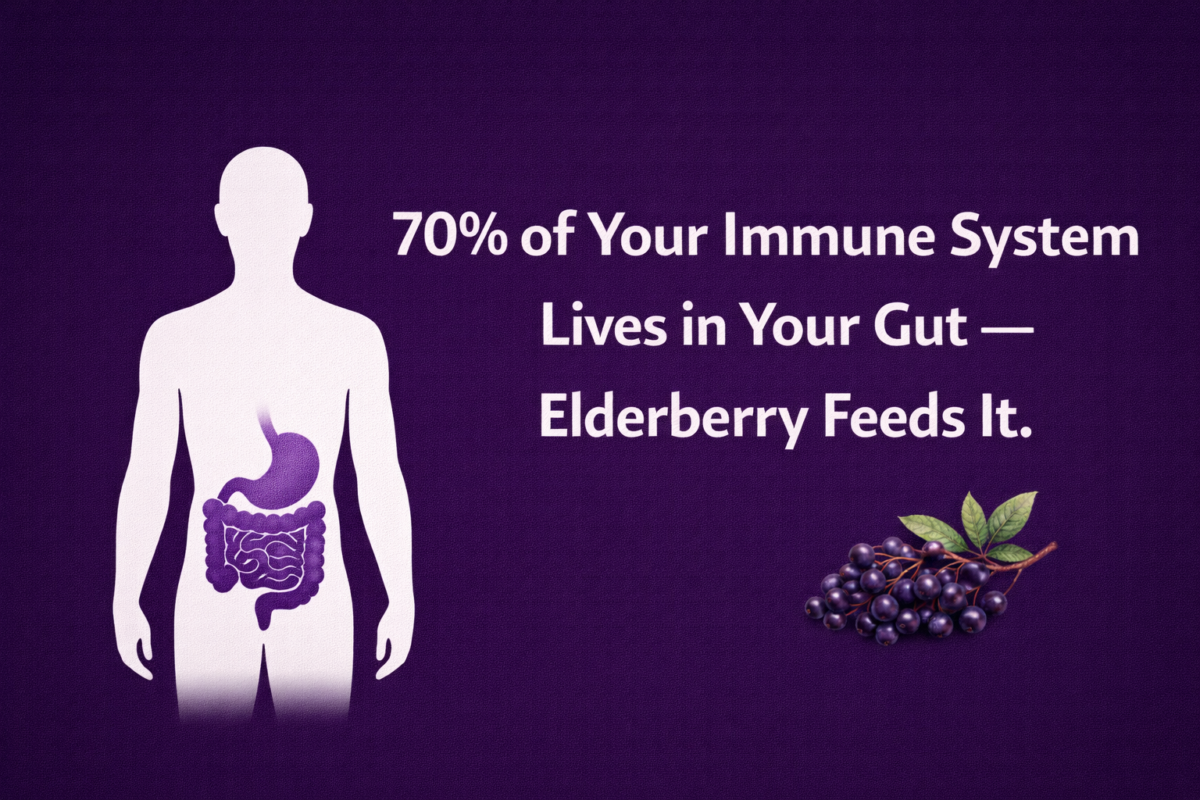
Elderberry’s prebiotic polyphenols support gut microbiome diversity — feeding the beneficial bacteria whose presence is associated with better glucose metabolism. This is a slow, cumulative benefit that takes consistent daily use over weeks and months to develop. It’s not a replacement for medication or dietary management. But it’s a legitimate mechanism that makes elderberry genuinely relevant to diabetes management beyond just the direct blood sugar question. Those cumulative microbiome effects also have broader implications for immune regulation, as elderberry’s long-term microbiome effects explains.
The gut microbiome and metabolic health connection: 10 Fermented Foods for Gut Health That Changed My Digestion
Practical Protocol for Diabetics Who Want to Try Elderberry
Here’s a step-by-step approach that manages the relevant risks while capturing the potential benefits:
Step 1: Talk to your doctor and pharmacist first.
Bring your complete medication list. Ask specifically about interactions with your diabetes medications. This conversation takes five minutes and gives you information specific to your situation.
Step 2: Choose a sugar-free form.
Capsules, sugar-free drops, or homemade syrup with vegetable glycerin. Avoid honey-based commercial syrups and standard gummies.
Step 3: Start at half the standard dose.
Give your system time to adjust and give yourself clean data about what elderberry is doing. Half dose for the first two weeks.
Step 4: Monitor blood sugar more frequently.
For the first two to three weeks of elderberry use, check more often than usual. Note any consistent pattern of readings being lower than expected at the same time of day.
Step 5: Report patterns to your doctor.
If you’re consistently seeing lower blood sugar after starting elderberry, your prescriber may want to adjust your medication. This is actually a potentially good outcome — but it needs to be managed, not ignored.
Step 6: Move to standard dosing if no issues arise.
After two to three weeks of monitoring without concerning patterns, move to a full maintenance dose. One capsule or the equivalent in drops daily.

Frequently Asked Questions
Can diabetics take elderberry syrup?
With caution about sugar content. Standard honey-based commercial syrups have meaningful sugar content that adds up at daily therapeutic doses. Sugar-free drops or capsules are better choices for people managing blood sugar carefully.
Does elderberry raise blood sugar?
The elderberry compounds themselves appear to have a blood sugar-lowering rather than raising effect based on available research. However, the sugar in many elderberry products absolutely can raise blood sugar. The distinction between elderberry and elderberry products is the key point.
Can I take elderberry with metformin?
No documented direct interaction. Monitor blood sugar when starting elderberry on metformin and mention it to your prescriber.
Does elderberry help with insulin resistance?
Potentially — through its anti-inflammatory mechanism. Chronic inflammation drives insulin resistance, and elderberry suppresses the specific pro-inflammatory cytokines (TNF-alpha, IL-6) that interfere with insulin receptor signaling. This is a long-game benefit requiring consistent daily use. The broader relationship between insulin sensitivity and body weight is explored in elderberry and weight management.
What is the best elderberry supplement for diabetics?
Standardized elderberry extract capsules with no added sugar. Sugar-free liquid drops are a good second option. Avoid honey-based syrups and standard gummies with significant sugar content.
Can elderberry lower A1C?
No clinical trials have tested elderberry’s effect on A1C specifically. The anti-inflammatory and potential insulin-sensitizing mechanisms make it plausible that consistent use could support modest A1C improvement over time alongside diet and medication management — but this hasn’t been directly studied.
The Honest Summary for Anyone Managing Diabetes
Elderberry belongs in the “potentially helpful, choose your form carefully, monitor and communicate with your doctor” category for diabetics — not in the “avoid entirely” or “definitely take it” camps.
The berry’s anti-inflammatory properties, potential blood sugar benefits, and gut microbiome support are all genuinely relevant to diabetes management. The sugar in most commercial products is a real and avoidable problem. Capsules and sugar-free drops solve that problem completely.
Get the form right. Monitor your levels. Tell your doctor. Then let the anti-inflammatory and blood sugar research work in your favor over the long haul.



About the Author
Dr. Patricia Nguyen is a board-certified internal medicine physician with additional training in integrative medicine from the University of Arizona Center for Integrative Medicine. She has spent eighteen years in clinical practice managing complex metabolic conditions and writes for ElderberryPro.com to help patients navigate the nuance between what supplements can and can’t do — honestly and accurately. Nothing in her writing constitutes personal medical advice.