
Seniors have more to gain from elderberry than almost any other age group — and more variables to consider before starting. Here’s the complete honest guide for older adults and the people who care for them.

Key Takeaways
- Seniors have some of the most to gain from elderberry — immune function naturally declines with age and elderberry directly addresses that gap
- Standard adult dosing applies for most healthy seniors — no reduction needed based on age alone
- The main consideration for seniors is medications — elderberry has potential interactions with immunosuppressants, diuretics, and diabetes medications
- Seniors on multiple medications should run elderberry by their pharmacist before starting — a five-minute conversation that answers the question definitively
- Gummies or syrup work equally well for seniors — choose based on what will actually get taken consistently
- The post-illness recovery window matters more for seniors — immune systems bounce back more slowly and consistent elderberry use helps
Here’s something the elderberry conversation rarely acknowledges directly: the people with the most to gain from immune support are often the ones getting the least of it.
Immune function declines with age. It’s called immunosenescence — the gradual deterioration of immune system performance that makes older adults more susceptible to infections, slower to recover, and more likely to experience serious complications from illnesses that younger people shrug off in a few days.
A 70-year-old getting the flu faces a different situation than a 35-year-old getting the flu. The immune system responding to that flu is working with less capacity, less speed, and less precision. That gap is real and it has real consequences.
Elderberry addresses immune function through documented mechanisms — antiviral activity, cytokine stimulation, gut microbiome support, anti-inflammatory action. These mechanisms don’t become less relevant as you age. They become more relevant. The relationship between these mechanisms and lasting immune resilience is explained in elderberry’s long-term immune effects.
Here’s everything older adults and their families need to know.
Why Elderberry Makes More Sense for Seniors Than for Younger Adults
Younger adults with fully functional immune systems taking elderberry are adding support to something that’s already working well. The benefit is real but the baseline is strong.
Seniors taking elderberry are supporting a system that has genuinely lost capacity over time. The benefit goes further because there’s more ground to cover.
Specifically, here’s what changes with age and how elderberry addresses each:
Reduced cytokine production. Aging immune systems generate cytokine responses more slowly — which means slower initial response to viral threats and more time for viral replication to establish. Elderberry’s documented ability to stimulate cytokine production directly addresses one of the primary age-related immune deficits.
Slower antiviral response. The anthocyanin-based viral cell entry blocking that elderberry provides works regardless of age. An older immune system that responds more slowly to established viral infection benefits from anything that slows viral establishment upstream.
Increased baseline inflammation. Older adults typically have higher levels of chronic low-grade inflammation — a state sometimes called “inflammaging.” Elderberry’s anthocyanins are potent anti-inflammatory compounds that reduce this chronic inflammatory burden, which in turn improves immune function and reduces the risk of inflammation-driven conditions.
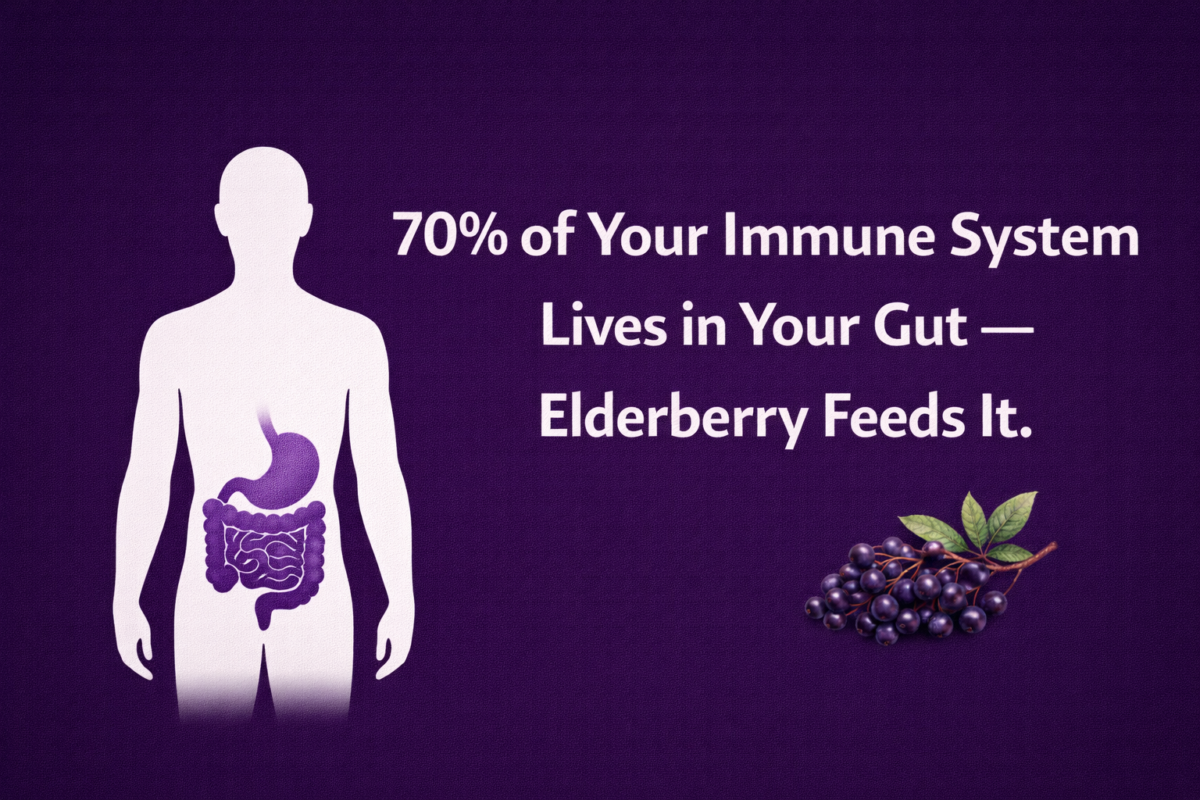
Gut microbiome changes. The gut microbiome becomes less diverse with age, and since gut-associated immune tissue represents the majority of immune function, this matters significantly. Elderberry’s prebiotic polyphenols support microbiome diversity in a system that is naturally losing it. The science behind gut health and immune function is particularly relevant for older adults.
Is Elderberry Safe for Seniors?
For healthy older adults without significant medication interactions, yes — elderberry is considered safe and the risk profile is no different than for younger adults.
The safety conversation for seniors is almost entirely about medications rather than elderberry itself. Older adults are statistically more likely to be on multiple prescription medications — and some of those medications have interactions worth knowing about.
Elderberry and Blood Thinners
Anticoagulants like warfarin (Coumadin) and newer blood thinners like apixaban (Eliquis) or rivaroxaban (Xarelto) are among the most commonly prescribed medications for older adults — for atrial fibrillation, DVT prevention, and stroke prevention.
Elderberry is not documented to have a significant interaction with blood thinners. However, elderberry does have mild anti-inflammatory properties, and some anti-inflammatory compounds can theoretically affect platelet function at high doses. The practical risk at normal elderberry supplement doses is considered low — but if you or a family member is on anticoagulation therapy, mentioning elderberry to the prescribing cardiologist or the pharmacist is the right call.
Elderberry and Blood Pressure Medications
Elderberry has mild diuretic properties — it can increase urine output slightly. For seniors on diuretic blood pressure medications (furosemide, hydrochlorothiazide), the combination could theoretically have an additive effect. At normal supplement doses this is unlikely to be clinically significant, but it’s worth mentioning to your doctor if you’re on a diuretic.
ACE inhibitors, beta blockers, and calcium channel blockers — other common blood pressure medication classes — have no documented interaction with elderberry.
Elderberry and Diabetes Medications
Some preliminary research suggests elderberry may have mild blood sugar-lowering effects. For seniors managing type 2 diabetes with medication, this could theoretically add to the glucose-lowering effect of their prescription — potentially causing blood sugar to go lower than intended. That blood sugar connection also matters when considering elderberry’s possible role in weight management, as explained in elderberry’s blood sugar connection.
This doesn’t mean seniors with diabetes shouldn’t take elderberry. It means monitoring blood sugar when starting elderberry and mentioning it to your prescriber so they can watch for any pattern.
Elderberry and Immunosuppressants
Seniors who have had organ transplants or who are managing autoimmune conditions with immunosuppressive medications should avoid elderberry or discuss it specifically with their specialist. Elderberry stimulates immune activity — which directly works against the goal of pharmacological immune suppression.
The Fastest Answer — Your Pharmacist
Pharmacists are the most accessible and often most knowledgeable resource for supplement-drug interaction questions. More so than a general practitioner who may not have reviewed elderberry interactions recently. Bring your complete medication list to your pharmacist, mention you want to start elderberry, and ask specifically about any interactions with your current prescriptions. This conversation takes five minutes and gives you a definitive answer for your specific medication profile.
Elderberry Dosage for Seniors
Age alone does not require dose reduction for elderberry. Standard adult dosing applies for healthy seniors.

Daily maintenance through cold and flu season:
One tablespoon of elderberry syrup daily, or 1–2 gummies, or 500mg elderberry extract capsule. Once daily with food. For a practical routine, see when to take elderberry with food before settling on a daily schedule.
At first sign of illness:
Shift immediately to therapeutic dosing — one tablespoon syrup every 4–6 hours, or equivalent in other forms. Maintain this frequency until 24–48 hours after symptoms resolve.
The timing principle that matters most for seniors:
The 48-hour window from first symptoms is critical for anyone — but especially for older adults whose immune response is slower. Starting elderberry the moment you notice anything unusual gives it the best chance of intercepting viral replication before the infection is fully established. Don’t wait to be sure you’re actually sick. Start at the first inkling. The broader explanation of elderberry’s critical timing window clarifies why starting at the first symptom matters so much.
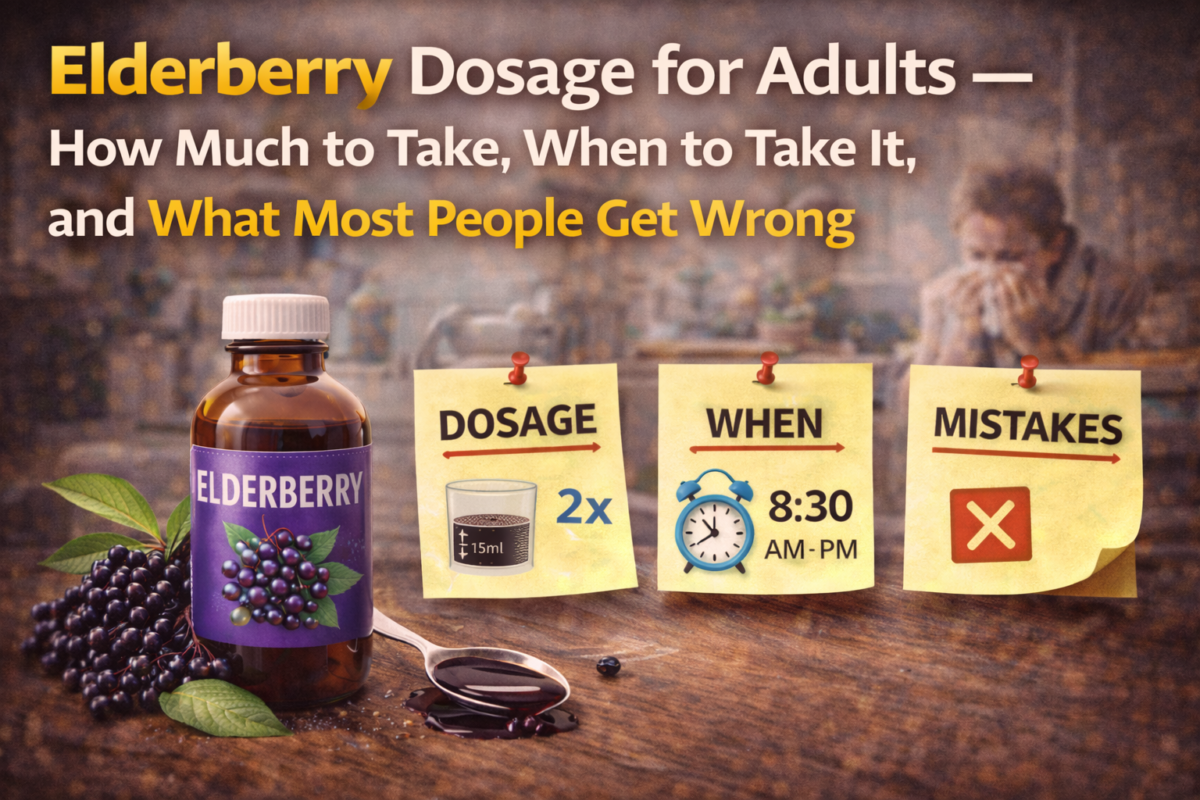
Full dosing breakdown: Elderberry Dosage for Adults — How Much, When, and What Most People Get Wrong
Best Forms of Elderberry for Seniors
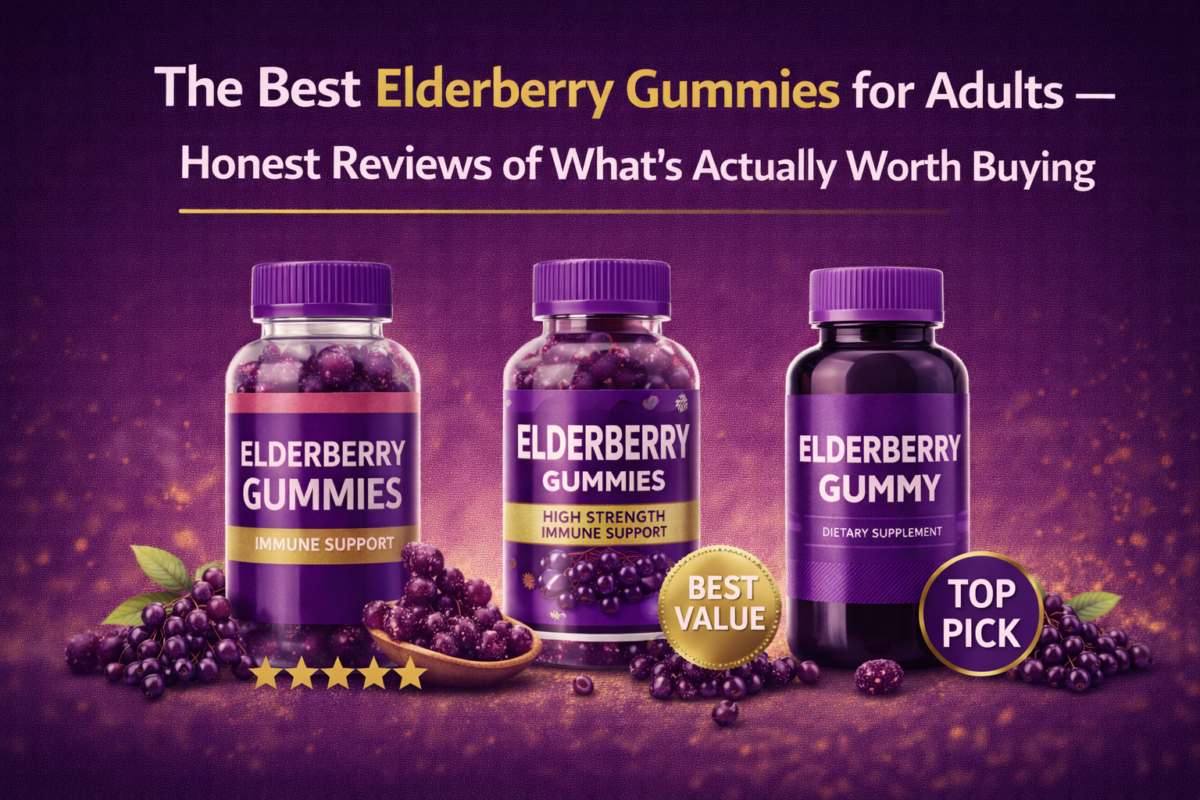
Elderberry Gummies — Best for Daily Habit
For consistent daily use, gummies win on compliance for the same reason they win with kids — they don’t feel like medicine and the daily habit forms easily. For seniors who are already managing multiple medications, adding a supplement that feels like a treat rather than another pill is not a trivial consideration.
The NEW AGE Premium Elderberry Gummies with added vitamin C, zinc, and propolis cover multiple immune support mechanisms in one daily gummy — practical for seniors who want comprehensive immune support without managing several separate supplements.
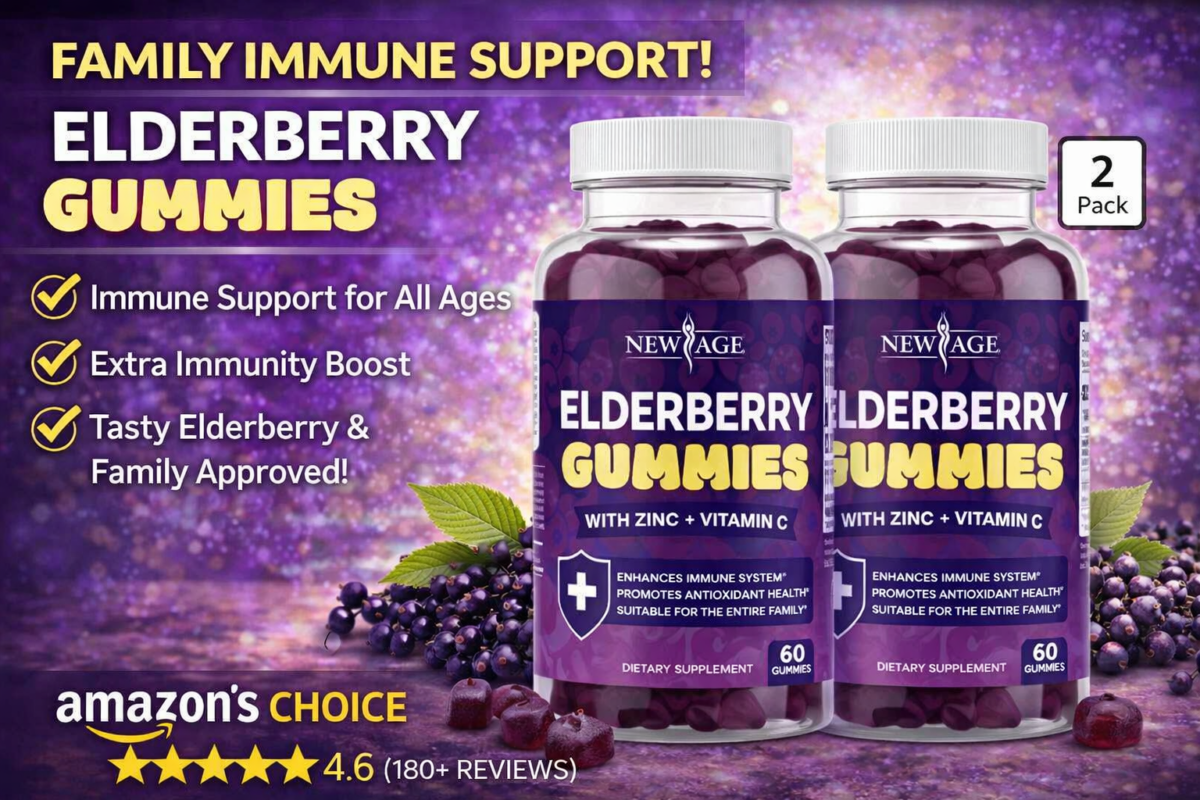
Buy NEW AGE Premium Elderberry Gummies on Amazon
For seniors watching sugar intake or managing blood sugar, the Amazon Basics option delivers consistent elderberry at a lower price point with less added sugar per serving.
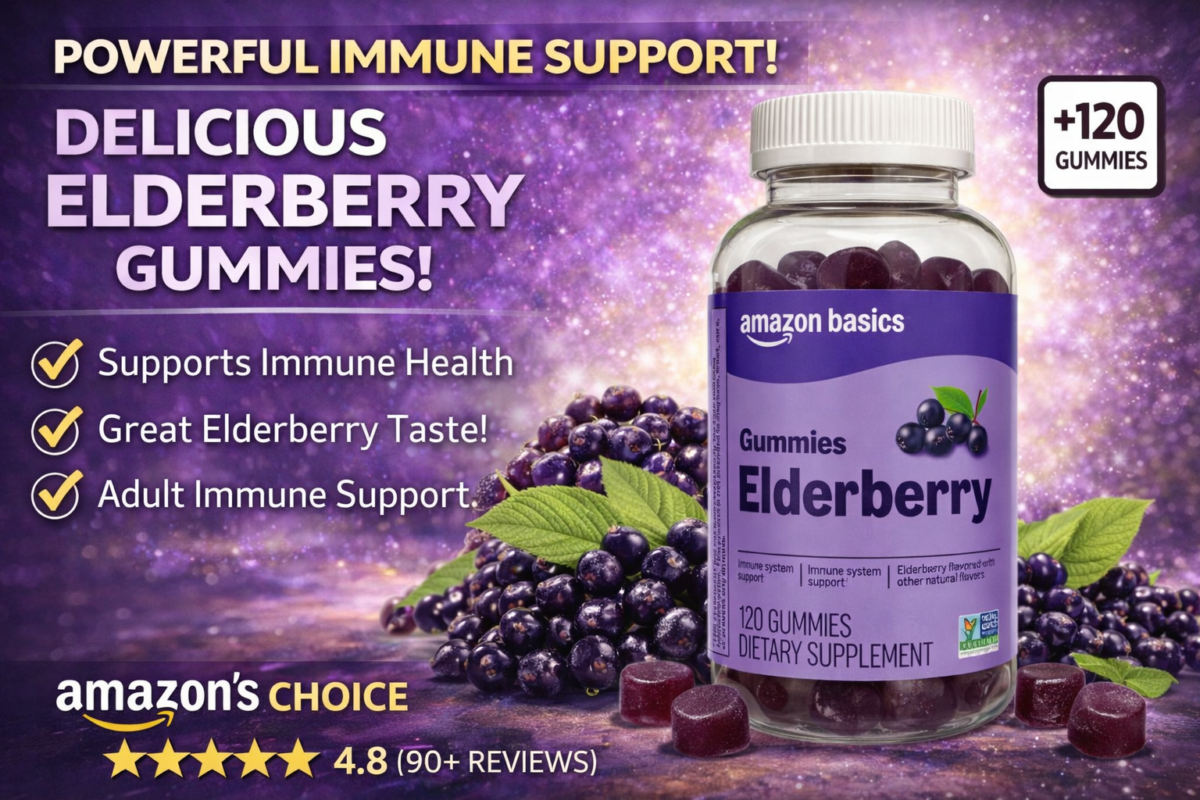
Buy Amazon Basics Elderberry Gummies on Amazon
Elderberry Syrup — Best for Therapeutic Dosing During Illness
When a senior actually gets sick, syrup allows the flexible dosing that gummies don’t. Scaling up to three or four times daily during illness is practical with syrup in a way it isn’t with gummies. Keep a bottle of quality elderberry syrup on hand through cold season specifically for this scenario.
The Elderberry Queen organic syrup is the commercial pick for quality — meaningful elderberry extract concentration, raw honey, clean ingredients.
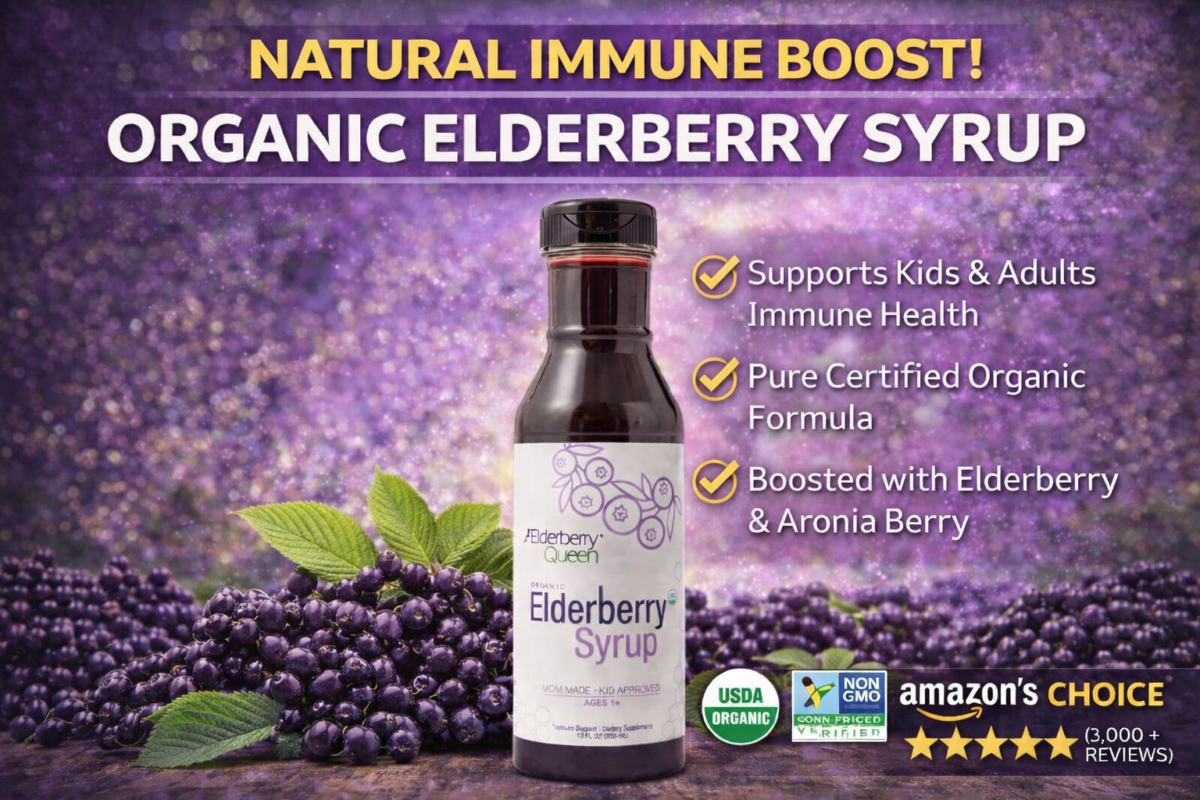
Buy Elderberry Queen Organic Elderberry Syrup on Amazon
Elderberry Capsules — Best for Seniors on Multiple Medications
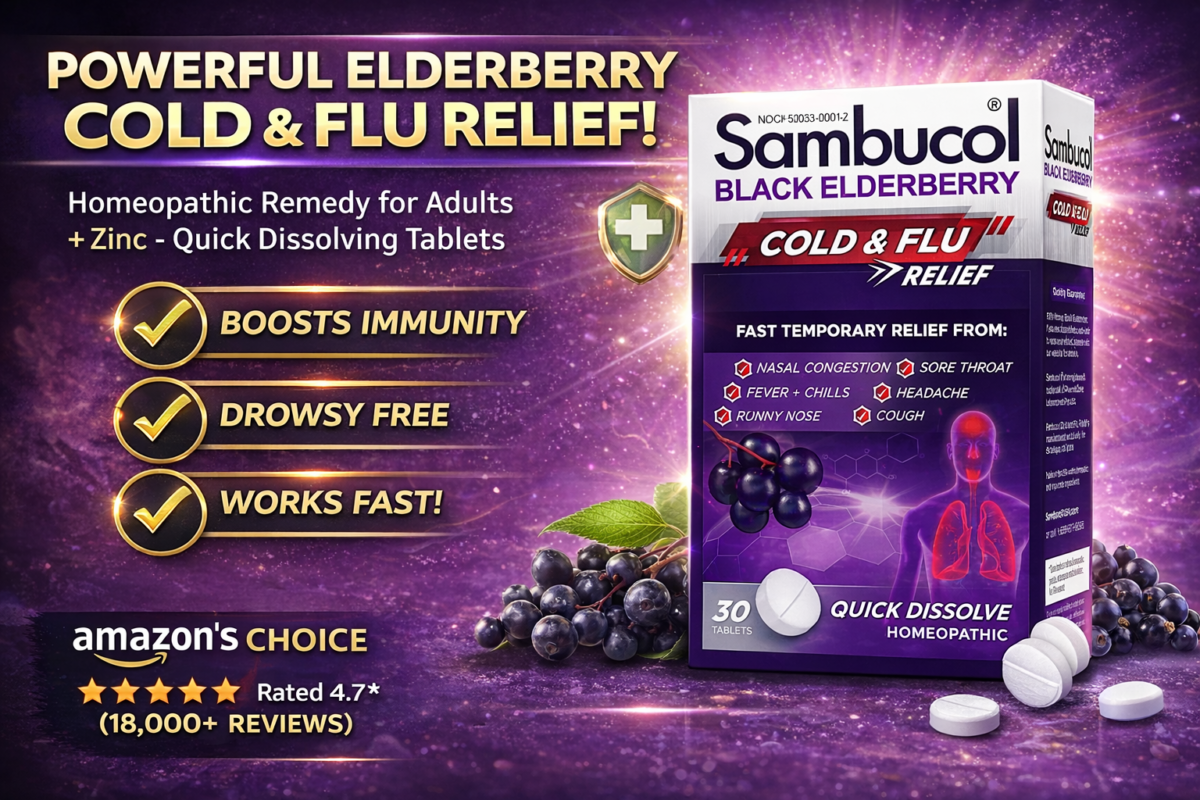
For seniors already managing multiple pills, capsules fit naturally into an existing medication routine. No added sugar, no flavoring, standardized extract dose. The Sambucol elderberry and zinc tablet format is worth considering specifically — zinc has its own documented benefit for shortening cold duration when started early, and the combination makes it a strong acute illness tool.
Buy Sambucol Elderberry and Zinc Tablets on Amazon
Elderberry Tea — Gentle Daily Option
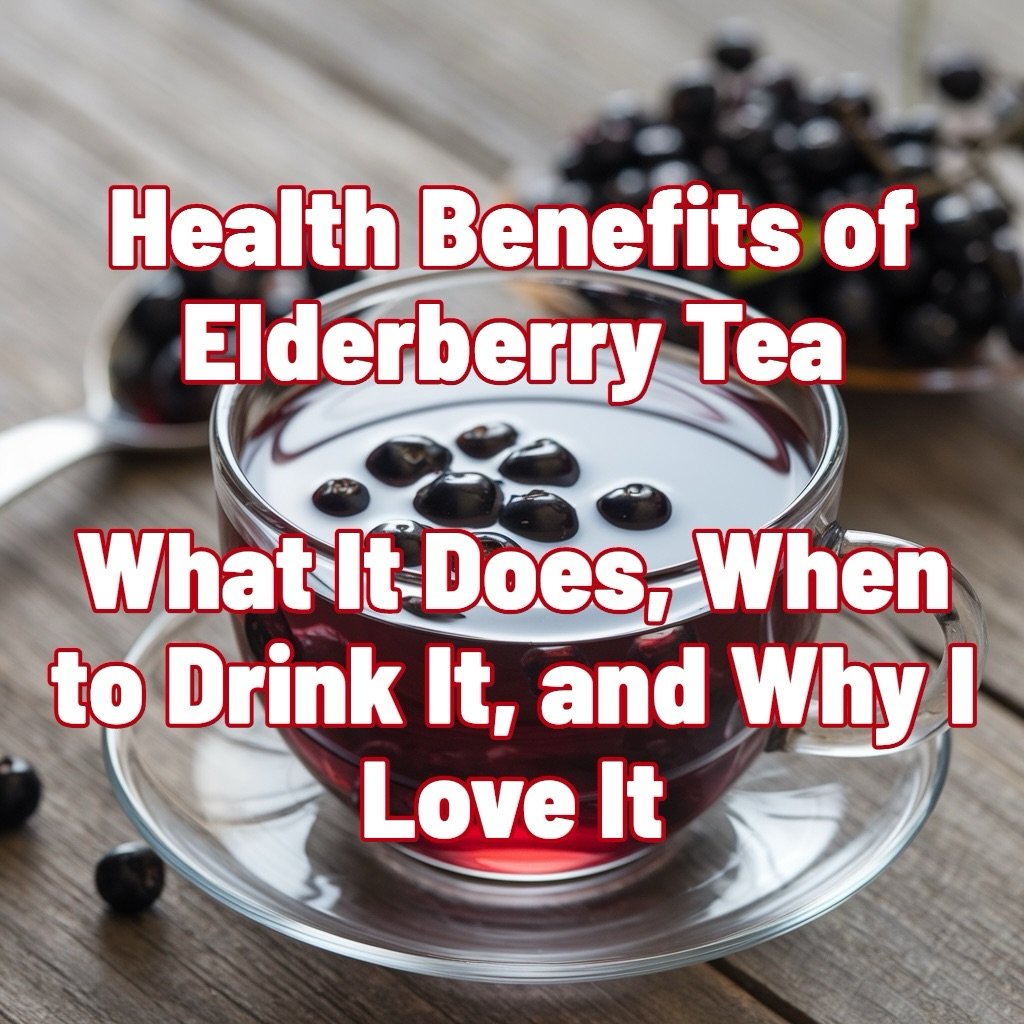
For seniors who are cautious about supplements generally, elderberry tea is the gentlest entry point. Mild concentration, pleasant flavor, easy to incorporate into an existing tea-drinking habit. Not potent enough for therapeutic use during active illness, but a legitimate daily wellness habit. Full breakdown: Health Benefits of Elderberry Tea
Elderberry for Common Senior Health Concerns
Elderberry for Seniors With Heart Disease
No documented direct interaction between elderberry and most heart medications including statins, beta blockers, and ACE inhibitors. Elderberry’s anti-inflammatory properties may actually be beneficial for cardiovascular health — chronic inflammation is a significant driver of cardiovascular risk and reducing it has value beyond just immune function.
Seniors on anticoagulants specifically should mention elderberry to their cardiologist before starting — as covered above.
Elderberry for Seniors With Diabetes
Continue monitoring blood sugar when starting elderberry. The potential mild blood sugar effect of elderberry, if real, is likely small — but for seniors on tight glucose management it warrants awareness. Choose lower-sugar elderberry formulations — gummies with minimal added sugar or capsules rather than honey-sweetened syrups if blood sugar is a significant concern.
Elderberry for Seniors With Autoimmune Conditions
Rheumatoid arthritis, lupus, Sjogren’s syndrome, and other autoimmune conditions are disproportionately common in older adults. If the autoimmune condition is managed with immunosuppressant medications — methotrexate, hydroxychloroquine, biologics — elderberry’s immune stimulation is potentially counterproductive. Discuss with your rheumatologist specifically.
For seniors with autoimmune conditions not on immunosuppressants — managing with diet, lifestyle, and non-immunosuppressive medications — the picture is more nuanced. The autoimmune caution is primarily about the immune stimulation concern, which is more relevant when the condition is active or severe. Full side effects and contraindications: Elderberry Side Effects — What’s Normal, What’s Not
Elderberry for Seniors With COPD or Respiratory Conditions
Chronic respiratory conditions make respiratory viral infections more dangerous — which is exactly why immune support matters more, not less, for this group. Elderberry’s antiviral properties are specifically relevant to upper respiratory viral infections.
No documented interaction between elderberry and standard COPD medications including bronchodilators and inhaled corticosteroids. Mention elderberry to your pulmonologist if you have significant COPD and are managing it with multiple medications.
Helping a Senior Family Member Start Elderberry
If you’re reading this for a parent, grandparent, or older family member rather than yourself, here are the practical considerations for making elderberry part of their routine:
Choose the form they’ll actually take. Compliance is everything. If your parent won’t remember to make tea or measure syrup, gummies taken with morning medications is the most reliable habit. If they’re already careful pill-takers, capsules fit naturally.
Start during a healthy period, not mid-illness. Introducing a new supplement when someone is already sick makes it impossible to know if any symptoms are from the illness or from starting something new. Begin elderberry during a healthy stretch and let it become routine before cold season peaks.
Set up the medication review before starting. If your family member is on multiple medications, take their medication list to their pharmacist and ask specifically about elderberry interactions. Don’t skip this step for seniors on complex medication regimens.
Stock up before they need it. Keep elderberry consistently available. Running out in January and not replacing it for two weeks defeats the purpose of daily prevention dosing.
Pair it with other senior-specific immune support. Vitamin D deficiency is extremely common in older adults and has a well-documented connection to immune function. If your family member isn’t supplementing vitamin D and getting regular levels checked, that conversation with their doctor is worth having alongside the elderberry conversation.
Frequently Asked Questions
Is elderberry safe for 80-year-olds?
For healthy adults without significant medication interactions, yes. The age-based considerations are about medication interactions, not age itself. A healthy 80-year-old on minimal medications has the same elderberry safety profile as a healthy 50-year-old.
Can seniors take elderberry every day?
Yes — daily maintenance dosing through cold and flu season is the recommended approach. It’s exactly the group that benefits most from consistent rather than occasional use. Adults comparing daily use with illness dosing can find the practical amounts in daily elderberry amounts for adults.
What’s the best elderberry supplement for an elderly person?
Gummies for easy daily habit formation, syrup for therapeutic flexibility during illness, capsules for seniors who prefer straightforward pill-based supplementation. The best form is whichever one they’ll actually take consistently. Those choices can be expanded with these elderberry preparation options, including tea, honey, and other cooked preparations.
Can elderberry help with the flu in older adults?
Yes — the research showing elderberry shortens flu duration and severity applies across adult age groups. For seniors who face greater flu complications, the argument for early intervention with elderberry is stronger, not weaker.
Does elderberry interact with Eliquis or warfarin?
No documented significant interaction, but mention it to your prescribing cardiologist or pharmacist given the importance of tight anticoagulation management. This is a five-minute conversation worth having rather than skipping.
Can elderberry replace the flu vaccine for seniors?
No. The flu vaccine and elderberry serve different functions and aren’t alternatives to each other. The vaccine primes specific immune memory. Elderberry supports broad immune function and has antiviral properties. Seniors should get the flu vaccine annually — and can take elderberry alongside it without concern.


What the Research Tells Us and What Experience Confirms
Studies confirm it. Decades of traditional use confirm it. The basic biology of aging confirms the need for it.
Seniors are not a group that needs to approach elderberry cautiously because of age — they’re a group that has more reason than most to make elderberry a consistent part of their cold season routine. The immune support it provides fills gaps that naturally open up with age. The anti-inflammatory benefit addresses a chronic problem that compounds over decades.
Check the medications. Have the pharmacist conversation. Choose a form that becomes automatic. Start before October.
That’s the whole picture.
About the Author
Dr. Patricia Nguyen is a board-certified internal medicine physician with additional training in integrative medicine from the University of Arizona Center for Integrative Medicine. She has spent eighteen years in clinical practice with a patient population that skews older and writes for ElderberryPro.com to help seniors and their families navigate natural health decisions with the accuracy they deserve. Nothing in her writing constitutes personal medical advice.