
Every parent has been there. Your kid comes home from school sniffling, you can see the cold coming from a mile away, and you’re staring at the supplement shelf wondering what’s actually safe to give a five-year-old.
Elderberry keeps coming up. Your mom friends swear by it. You’ve seen it at the pharmacy. But you want to know if it’s actually safe before you give it to your child — and that’s exactly the right instinct.
Here’s the straightforward answer: elderberry is generally safe for kids, widely used by parents, and has real research behind it. But there are age considerations, dosing guidelines you need to follow, and a few forms that work a lot better than others when you’re dealing with a stubborn seven-year-old who won’t take anything that tastes like medicine. For a more detailed breakdown of ages, forms, and precautions, use this Elderberry for Kids — The Complete Parent’s Guide to Dosage, Safety, and What Actually Works.
Let’s get into it.

Is Elderberry Safe for Children?
For children over one year old, yes — elderberry is considered safe when used correctly and in appropriate doses. It’s one of the most widely used natural immune supplements for kids, and the safety profile across decades of use is reassuring.
The two caveats worth knowing upfront:
Under one year old: Don’t give elderberry syrup made with honey to infants under 12 months. This isn’t an elderberry issue — it’s a honey issue. Raw honey carries a risk of botulism spores for babies under one. If you want to give elderberry to a baby, use a honey-free formula only, and talk to your pediatrician first.

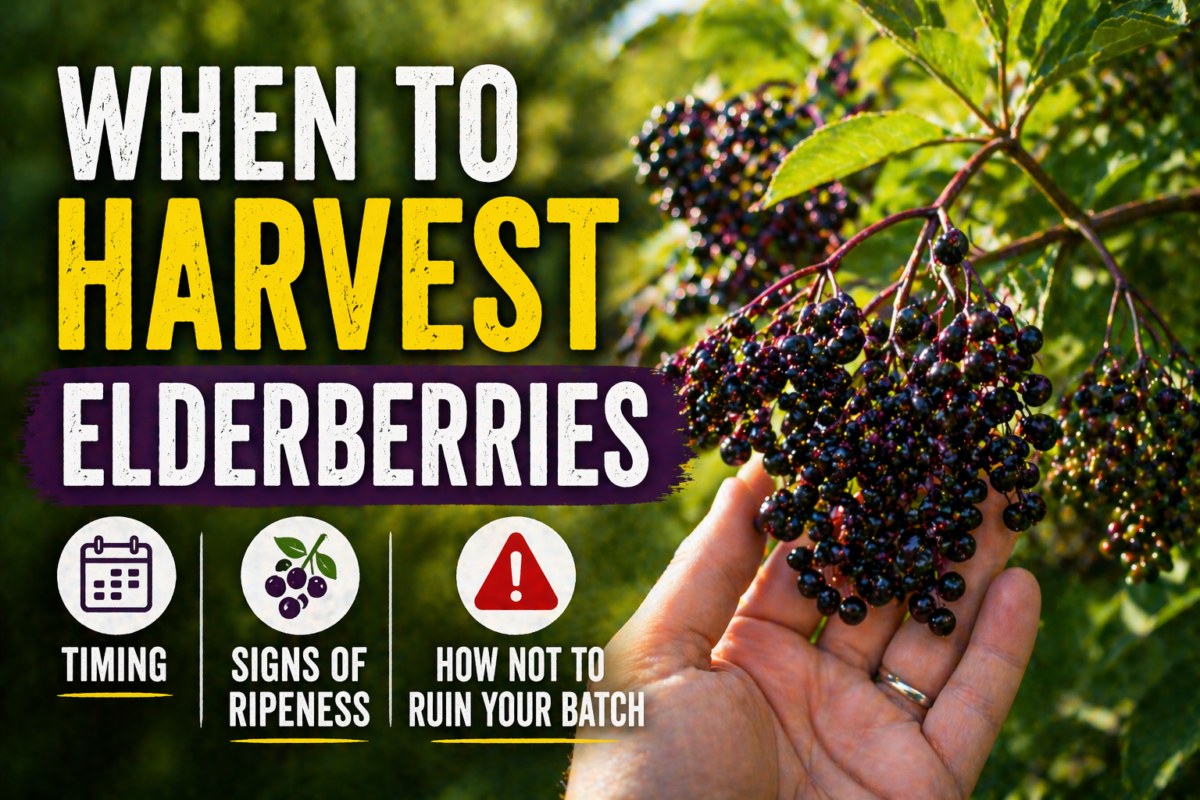
Raw elderberries: Never give a child raw or unripe elderberries. Raw berries contain compounds that cause vomiting and nausea. All commercially prepared elderberry products — syrups, gummies, capsules — have been properly processed and are safe. Homemade syrup that’s been cooked correctly is also fine. The raw berry off the bush is not. If you want the full explanation of why, it’s covered here: never eat elderberries until you read this.
Outside of those two situations, elderberry is as safe as it gets for children. No serious side effects have been documented in kids at appropriate doses.
What Age Can Kids Start Taking Elderberry?
Here’s a simple breakdown:
Under 1 year: Only honey-free elderberry products, pediatrician guidance recommended
1–2 years: Small doses of honey-free elderberry syrup are generally considered safe, but check with your pediatrician if you have any concerns

2 years and up: Standard children’s elderberry products at age-appropriate doses — syrup, gummies, chewables all work well Families considering the gummy format can explore These Elderberry Gummies Make Immune Support Way Too Easy as a convenient option.
6 years and up: Can typically move toward slightly higher doses; gummies become easier since kids can chew properly
12 and up: Teen dosing is usually the same as adult dosing, or close to it
Most children’s elderberry products on the market are clearly labeled for age ranges, which takes the guesswork out of it.

How Much Elderberry Should You Give a Child?
Dosing varies by age, weight, and form — but here are the general guidelines most practitioners use:
Elderberry syrup:
- Toddlers (1–3 years): ½ teaspoon (2.5ml) daily for maintenance; 1 teaspoon during illness
- Children (4–12 years): 1 teaspoon (5ml) daily for maintenance; 1–2 teaspoons up to three times daily during illness
- Teens (13+): Adult dosing — 1 tablespoon daily maintenance, up to 1 tablespoon four times daily when sick
Elderberry gummies:
- Follow the label on whatever product you’re using — most children’s gummies are dosed at 1–2 gummies daily for maintenance, up to the maximum listed dose during illness
The principle is the same across all forms: lower daily dose for prevention, higher frequency dose once symptoms hit. And like most natural remedies, it works best when you start early — the moment your kid comes home looking glassy-eyed is the time to start, not three days into a full cold.
For a more detailed adult dosing reference that also touches on family use, this breakdown of ideal elderberry dosage is useful context.
What Form Do Kids Actually Take Without a Fight?
This is the real question, isn’t it. Because it doesn’t matter how safe or effective something is if your kid spits it out every morning.
Here’s the honest rundown on each form:
Gummies — The Clear Winner for Most Kids
Gummies win with kids almost every time. They’re sweet, they’re chewy, they taste like candy to a child, and there’s no negotiation at 7am. For school-age kids especially, a gummy supplement becomes just part of the morning routine without any drama.

The thing to watch: not all children’s elderberry gummies are created equal. Some are loaded with added sugar and barely contain meaningful amounts of elderberry extract. Look for products that list elderberry extract (ideally standardized) as the primary active ingredient, not as an afterthought behind a list of sweeteners. Those label checks also apply when comparing the Stop Overpaying for Elderberry Syrup — The Best Options for Kids That Actually Work available this season.

I spent a lot of time testing options and wrote up what I found: the children’s elderberry gummies my kids actually love. Short version — the ones with real elderberry content and less sugar are worth the slightly higher price.
Syrup — Great If Your Kid Tolerates It
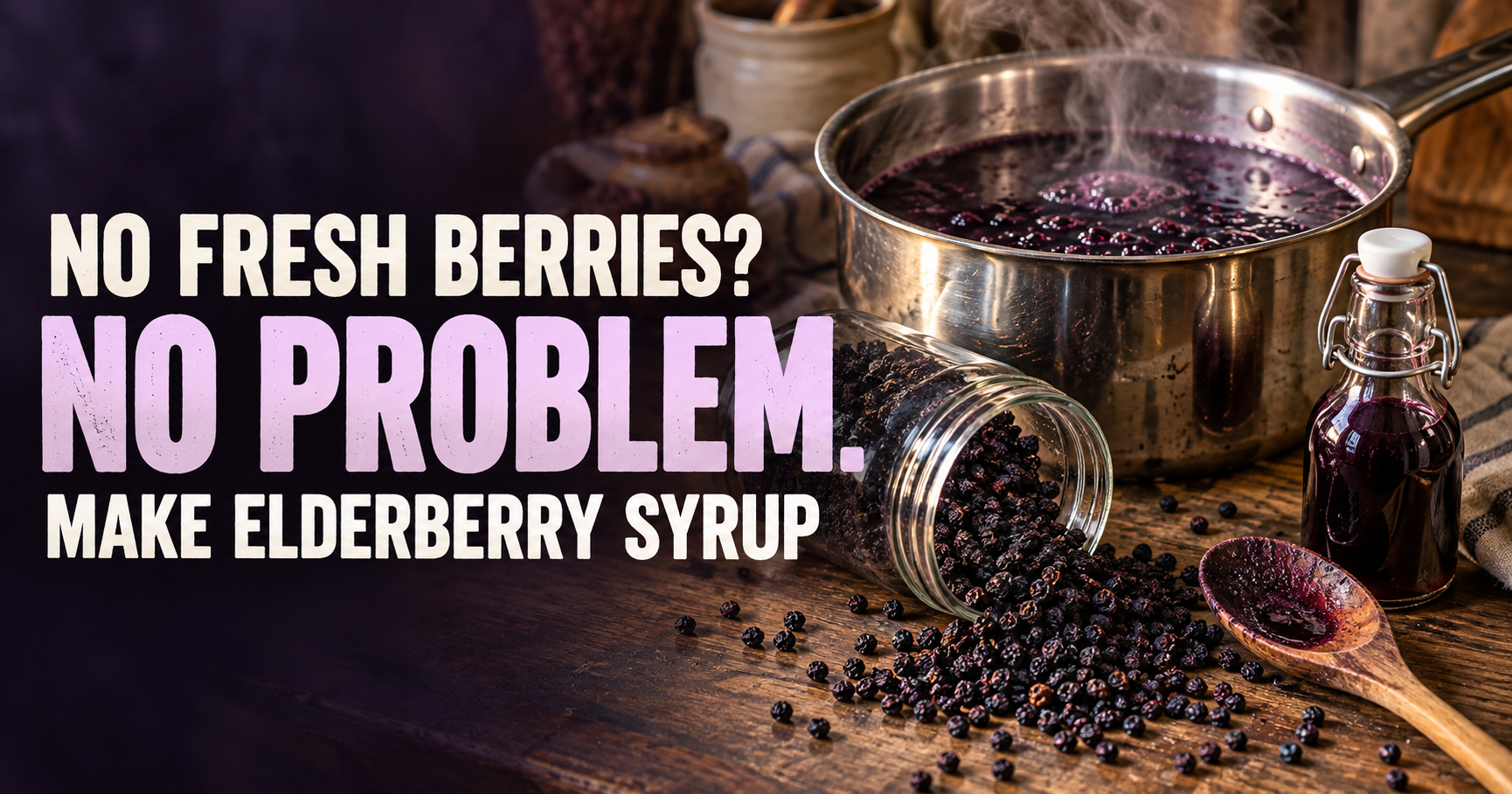
Elderberry syrup has a naturally sweet, berry-forward flavor that most kids genuinely like. Younger kids especially often take it right off the spoon without complaint. It’s easy to dose precisely, works quickly, and you can make it yourself at home which keeps the cost down.
The drawback is the novelty wears off for some kids around age 6–8 and they start pushing back. At that point the gummies become more practical.
Chewable Tablets — A Good Middle Ground
Chewable tablets sit between gummies and capsules — less candy-like than gummies but easier than swallowing pills. Good option for kids who are getting a little old for gummies but not ready for capsules. Less common than the other forms but worth knowing about.
Liquid Drops — Best for Very Young Children
For toddlers and young children who can’t chew gummies yet, liquid elderberry drops or tinctures let you control the dose precisely and mix into juice or water without any resistance. Most kids never notice it in their apple juice.

Can Kids Take Elderberry Every Day?
Yes — daily use during cold and flu season is exactly how most families use it, and it’s well within normal supplementation practice.
The honest nuance: there’s more research on elderberry as a treatment (once symptoms start) than as daily prevention. But the 2016 study on air travelers showed meaningful benefit from daily preventive use, and the safety profile supports ongoing use without concern.
My approach with kids: daily during the school year from September through March, skip it in summer unless someone in the house is sick. School is basically a petri dish from fall through spring, and having a consistent routine beats scrambling for it when a cold is already halfway in.
What About Kids With Allergies or Autoimmune Conditions?
A few worth knowing:
Allergies: Elderberry is in the Adoxaceae family. If your child has known plant allergies — particularly to plants in similar families — it’s worth a mention to your pediatrician before starting. That said, elderberry allergies are uncommon.
Autoimmune conditions: Elderberry stimulates immune response. For children on immunosuppressive medications or managing autoimmune conditions, check with your doctor first. This isn’t a dealbreaker, but it’s worth a conversation.
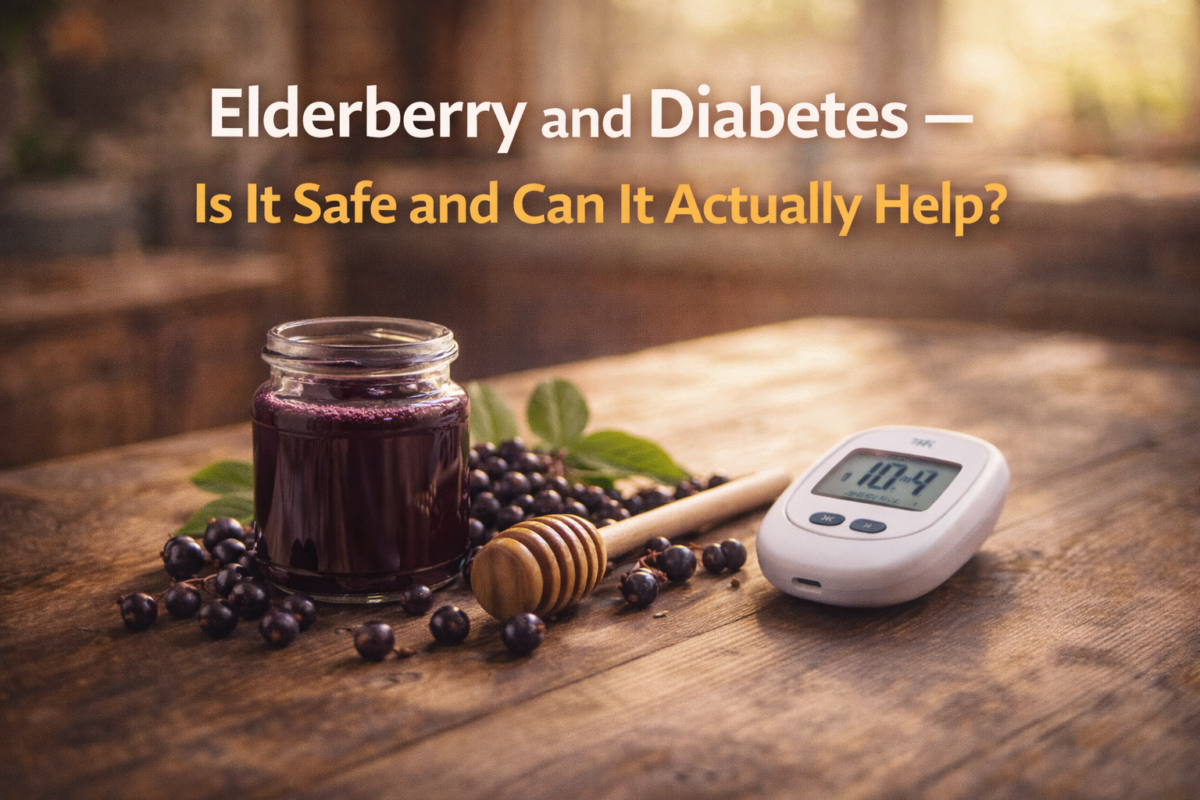
Diabetes: Some commercial elderberry syrups and gummies have significant sugar content. If your child manages blood sugar, check labels carefully or opt for lower-sugar formulations. For this specific concern, parents can review sugar-free kid gummies alongside the product label and their child’s care plan.
Does Elderberry Actually Help Kids Get Over Colds Faster?
Based on the research available — and based on what I’ve seen in my own house — yes, it appears to shorten both the duration and severity of colds when started early.
The mechanism makes sense: elderberry’s anthocyanins appear to block viruses from entering and replicating in cells, and they stimulate cytokine production that helps the immune system coordinate a faster response. When you start at the first sign of symptoms, you’re getting ahead of viral replication rather than playing catch-up.
Will it work every single time? No supplement does. But across a full cold season, the difference is noticeable enough that it’s become a non-negotiable in our house.
It’s worth remembering that immune health is bigger than any single supplement. What kids eat matters too — immune-boosting foods for kids and families is worth a read if you want to look at the bigger picture alongside elderberry.
A Note on School-Age Kids and Cold Season
Kids in school get sick constantly — it’s just the reality of being in close quarters with a hundred other small humans who haven’t mastered hand washing. Building any kind of consistent immune support routine in fall makes the whole season easier.
Elderberry is part of that toolkit. So is sleep, hydration, and not sending your kid to school when they’re already sick (yes, this still needs to be said).
If your child keeps bringing colds home and you want to think through the full picture, healthy snacks that boost your kids’ energy and immunity covers the nutrition side of the equation in a practical way.


The Bottom Line for Parents
Elderberry is safe for kids over one year old, genuinely useful during cold and flu season, and easy enough to work into a daily routine that most children won’t fight. Start with gummies for school-age kids, syrup or drops for toddlers, and always follow age-appropriate dosing.
Start it at the first sign of anything. That’s the move that makes the difference.
About the Author
Sarah Callahan is a certified herbalist and mother of three who has spent over a decade researching and writing about natural family health. She’s a contributing writer at ElderberryPro.com and holds a certificate in herbal medicine from the American Herbalists Guild. Her work focuses on practical, evidence-informed approaches to natural wellness for families — the kind that actually fit into real life with real kids.