
Let’s get the disappointing part out of the way first: elderberry is not a weight loss supplement.
There’s no clinical trial showing that people who take elderberry syrup lose more weight than people who don’t. No research demonstrating it burns fat, suppresses appetite, or speeds up metabolism in any meaningful direct way. If you came here hoping for a magic berry that melts pounds while you sleep, that’s not what this is.
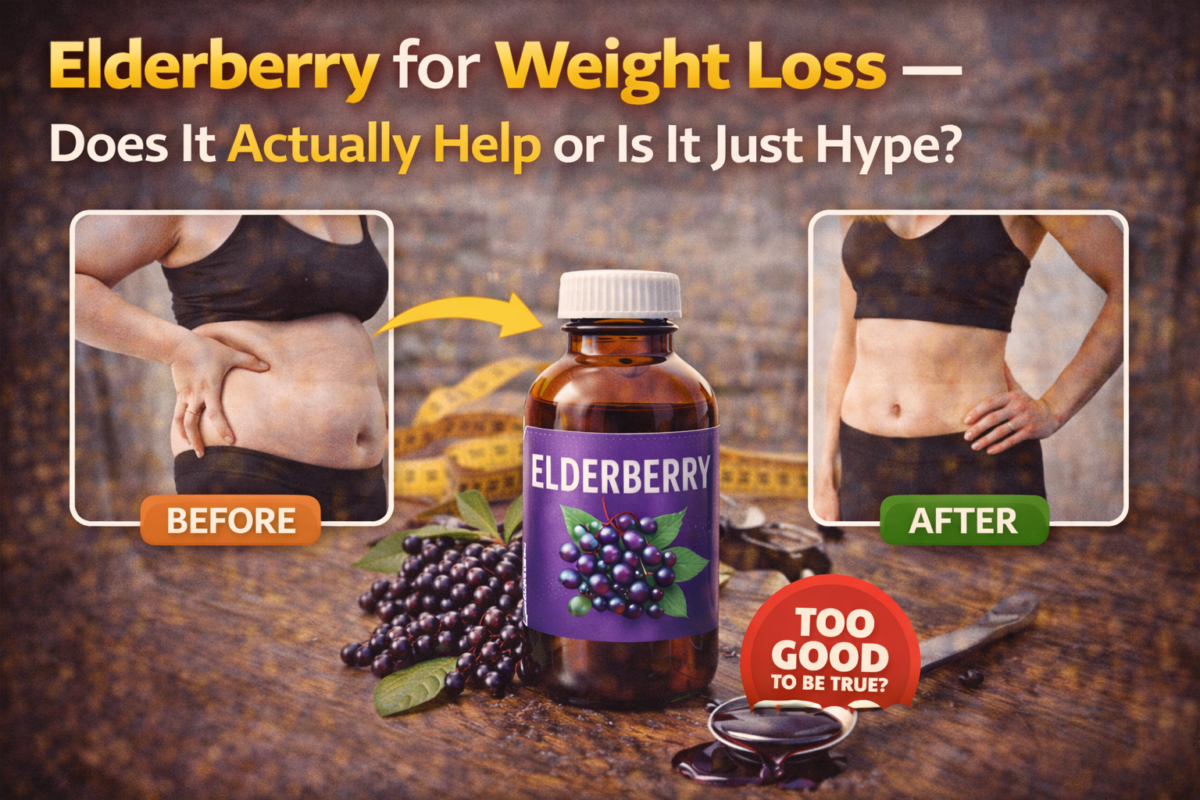
But here’s what is true and what most people writing about this topic either don’t know or don’t bother to explain: elderberry does several things in the body that are genuinely connected to weight management — through inflammation, gut health, blood sugar, and metabolic function. These aren’t the same as a direct fat-burning effect, but they’re real, they’re documented, and for people struggling with weight loss despite doing the obvious things, they’re worth understanding.
This is the honest, complete answer on elderberry and weight loss. No hype, no overselling, no pretending the research says more than it does.
Why People Are Searching This in the First Place
The connection between elderberry and weight loss isn’t random. A few things are driving it:
Elderberry is rich in anthocyanins — the dark pigment compounds responsible for the berry’s deep purple color and most of its health properties. Research on anthocyanins broadly (not just from elderberry) has shown associations with lower body weight, better insulin sensitivity, and reduced inflammation. People are connecting those dots and asking whether elderberry specifically delivers those benefits.
The answer is nuanced: elderberry is one of the richest sources of anthocyanins available, so yes, it contributes to those benefits — but it’s not a shortcut to weight loss any more than eating blueberries every day will make you thin on its own.



What Elderberry Actually Does That Relates to Weight
It’s a Potent Anti-Inflammatory
Chronic low-grade inflammation is one of the most underappreciated factors in weight gain and difficulty losing weight. It disrupts hormone signaling, impairs insulin sensitivity, promotes fat storage — particularly around the abdomen — and creates a metabolic environment that works against weight loss even when calorie intake is controlled.
Elderberry’s anthocyanins are powerful anti-inflammatory compounds. They inhibit inflammatory cytokines and reduce oxidative stress in ways that are documented in peer-reviewed research. Reducing systemic inflammation doesn’t directly burn fat, but it creates a better metabolic environment for weight loss efforts to actually work.
If you’ve been doing everything “right” and still struggling, chronic inflammation is worth looking at seriously. The connection between gut health and immune function is part of this picture — gut inflammation in particular has a well-established link to metabolic disruption.
It Supports Gut Health
Your gut microbiome has a significant and increasingly well-documented influence on body weight and metabolism. People with diverse, healthy gut bacteria process food differently, store less fat, and have better insulin sensitivity than people with compromised gut microbiomes. This isn’t fringe science anymore — it’s mainstream metabolic research.
Elderberry contains polyphenols — plant compounds that act as prebiotics, feeding the beneficial bacteria in your gut. A healthier gut microbiome means better metabolic function. It also means better absorption of nutrients, more efficient energy use, and reduced systemic inflammation — all of which contribute to a body that responds better to weight loss efforts.
This isn’t a dramatic effect that shows up on the scale after two weeks of elderberry syrup. It’s a contributing factor to overall metabolic health that compounds over time alongside other gut-supportive habits.
It May Improve Insulin Sensitivity
Insulin resistance — where your cells don’t respond properly to insulin’s signal to absorb blood sugar — is directly linked to weight gain, particularly abdominal fat accumulation, and makes weight loss significantly harder. It’s also the precursor to type 2 diabetes and is increasingly common even in people who haven’t been formally diagnosed.
Some preliminary research on elderberry and blood sugar regulation shows promising results. A 2016 study found elderberry extract reduced blood glucose levels and improved insulin secretion in animal models. Human studies are limited, but the mechanism makes sense — elderberry’s polyphenols appear to influence glucose metabolism through several pathways.
Better insulin sensitivity means your body is less likely to store excess blood sugar as fat, and more likely to burn it as energy. This is a genuinely relevant connection to weight management, even if elderberry isn’t a diabetes treatment and shouldn’t be positioned as one.
It’s Low in Calories
This sounds almost too simple, but it matters. If you’re swapping out high-calorie, high-sugar drinks or supplements for elderberry tea or a small daily dose of elderberry syrup, you’re potentially reducing calorie intake while adding meaningful antioxidant and anti-inflammatory support.
A tablespoon of homemade elderberry syrup contains roughly 20–30 calories, mostly from honey. A cup of elderberry tea made from dried berries contains almost none. Compare that to a commercial energy drink, a flavored coffee, or even a commercial elderberry gummy loaded with added sugar — elderberry in its cleaner forms is a calorie-efficient choice.
It Supports the Immune System — Which Matters for Exercise
Here’s a connection people rarely make: a compromised immune system affects your ability to exercise consistently. If you’re getting sick every few weeks, missing workouts, feeling run down, or recovering slowly from exercise, your fitness progress stalls. Elderberry’s well-documented immune support keeps you healthy enough to train consistently — and consistency is the variable that actually drives weight loss over time.
This is indirect but it’s real. Fewer sick days means more workout days. More workout days means better results. For everything elderberry does to keep your immune system firing properly: does elderberry really work for colds and flu.
What the Research Says — Honestly
There are no human clinical trials specifically studying elderberry and weight loss. That’s the honest starting point.
What exists:
- Strong research on elderberry’s anti-inflammatory properties
- Animal studies showing blood glucose and insulin benefits
- Population studies showing associations between high anthocyanin intake (from multiple food sources including elderberries) and lower body weight and better metabolic markers
- General research on polyphenols and gut microbiome health that applies to elderberry as a rich polyphenol source
What doesn’t exist:
- Clinical trials showing elderberry causes weight loss
- Evidence that elderberry is more effective for weight loss than other anthocyanin-rich foods like blueberries or blackberries
- Any documented mechanism by which elderberry directly burns fat or suppresses appetite
The honest characterization: elderberry supports several biological systems that are relevant to weight management. It is not a weight loss supplement in any direct or studied sense.


Does Elderberry Syrup Have Too Much Sugar to Help With Weight Loss?
This is a fair and practical question. Commercial elderberry syrups vary wildly — some contain significant amounts of added sugar or corn syrup that undermine the metabolic benefits you’re trying to get from the elderberry itself.
A quick label check: if sugar or corn syrup appears in the first three ingredients, you’re getting more sweetener than elderberry. That’s not the product to use if metabolic health is your goal.
Better options:
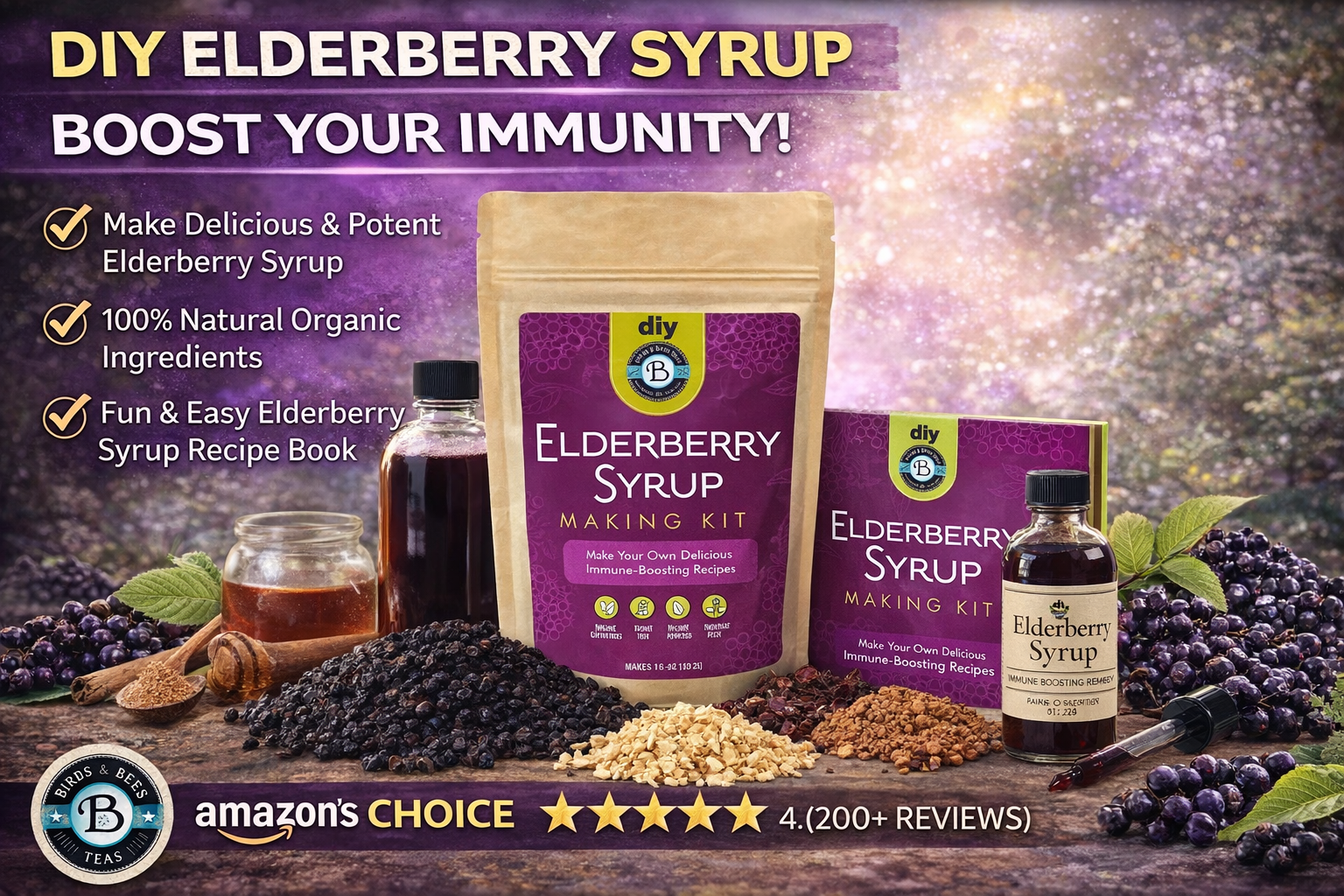
- Homemade elderberry syrup where you control the honey content
- Low-sugar commercial syrups where elderberry extract is the primary ingredient
- Elderberry capsules or concentrated extracts with no added sugar
- Elderberry tea, which has essentially no sugar content
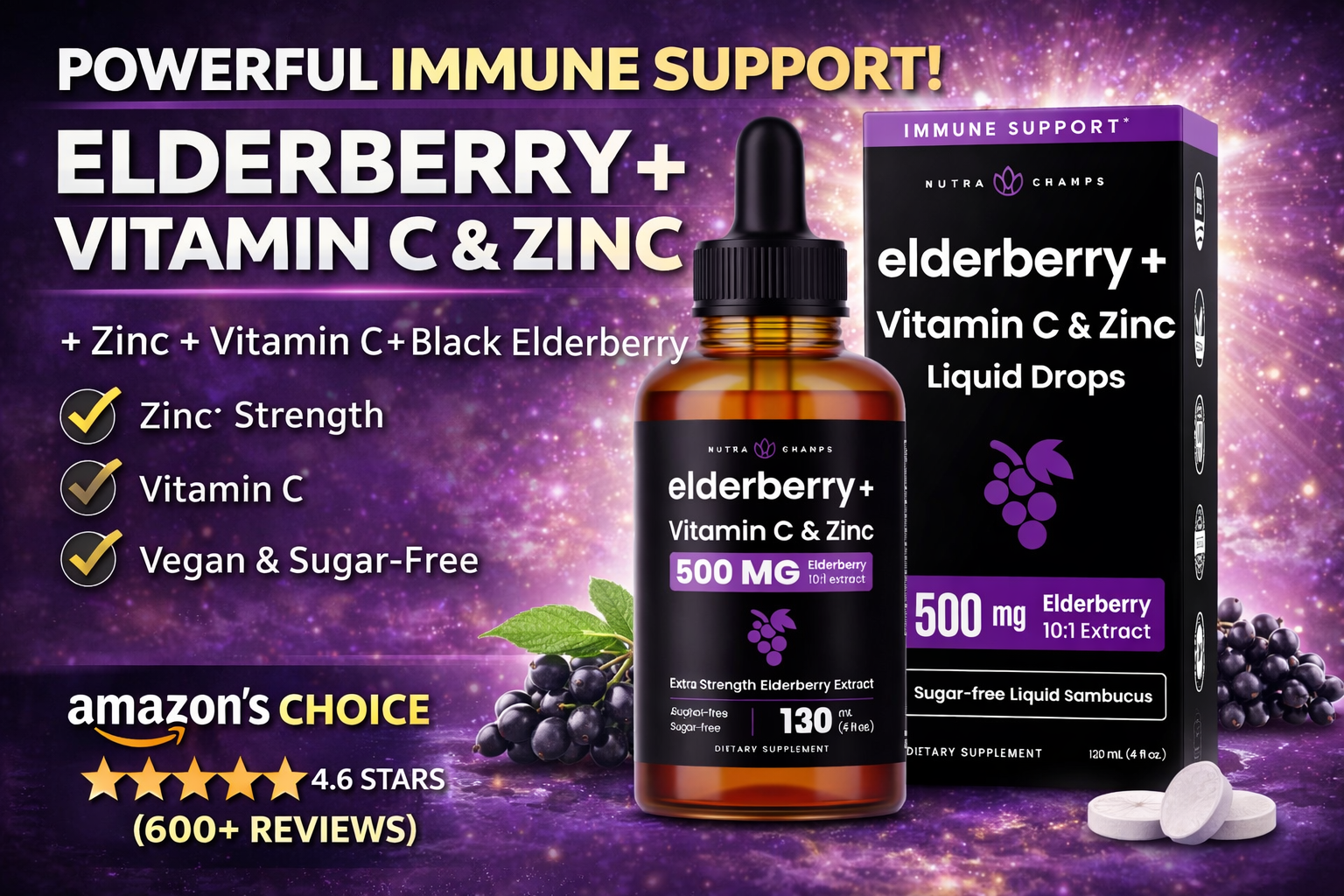
If you’re watching blood sugar specifically, how to make elderberry syrup without honey gives you a completely sugar-free base to work from.

Elderberry and Belly Fat Specifically
Abdominal fat — particularly visceral fat around the organs — is disproportionately driven by inflammation and insulin resistance compared to fat stored elsewhere in the body. This is relevant to elderberry because both of those mechanisms are where elderberry’s documented effects are concentrated.
People with high levels of systemic inflammation tend to carry more visceral fat. People with insulin resistance tend to store more fat abdominally. Addressing both of those factors — through diet, movement, sleep, stress management, and yes, anti-inflammatory supplementation — is the approach that actually moves visceral fat.
Elderberry isn’t going to spot-reduce belly fat. Nothing does. But as part of a genuine effort to reduce inflammation and improve insulin sensitivity, it’s a contributing tool rather than a bystander.
How to Use Elderberry as Part a Real Weight Loss Strategy
Given everything above, here’s a realistic way to incorporate elderberry if weight management is part of your goal:
Choose a low-sugar form. Capsules, tea, or homemade syrup with minimal honey. Skip commercial gummies with high sugar content for this purpose specifically.
Be consistent, not sporadic. The anti-inflammatory and gut health benefits from polyphenols compound over time with consistent daily intake. Taking it occasionally doesn’t build the same effect.
Pair it with gut health habits. Elderberry’s polyphenols feed beneficial gut bacteria — maximize that effect by also eating fermented foods, diverse fiber sources, and avoiding unnecessary antibiotics. The fermented foods and gut health connection is worth building alongside elderberry.
Use it to stay well so you can stay active. Take elderberry through cold and flu season specifically to minimize sick days that derail training and movement habits. This is where its most documented benefit overlaps most directly with weight management goals.
Don’t use it as a substitute for fundamentals. Sleep, calorie awareness, protein intake, resistance training, stress management — these are the variables that drive weight loss. Elderberry is a supporting player, not the lead.

The Comparison: Elderberry vs. Actual Weight Loss Supplements
Since people searching this topic are often evaluating elderberry against other options, here’s an honest comparison with the most common weight loss supplements:
Elderberry vs. Green tea extract: Green tea extract (EGCG) has more direct evidence for modest metabolic effects and fat oxidation than elderberry. Both are anti-inflammatory. If metabolism boost is the specific goal, green tea extract has stronger direct evidence.
Elderberry vs. Berberine: Berberine has substantial evidence for improving insulin sensitivity and blood sugar regulation — significantly more than elderberry. If insulin resistance is the core issue, berberine is the more studied option.
Elderberry vs. CLA, garcinia, raspberry ketones, etc.: These have weak to no evidence for meaningful weight loss effects. Elderberry’s general health benefits are better supported than most commercial weight loss ingredients.
Elderberry’s actual advantage: It does real things for immune health, inflammation, and gut health that most dedicated weight loss supplements don’t touch. If you’re choosing between elderberry and a supplement with nothing but hype behind it, elderberry wins by default.


Who This Is Actually For
Elderberry for weight management makes the most sense for:
People dealing with chronic inflammation — whether from stress, poor sleep, processed food diet, or other factors — where reducing that inflammatory load is part of the broader work toward a healthier metabolism.
People who keep getting sick and losing workout momentum — where immune support has a practical indirect impact on the consistency that drives results.
People who are already doing the fundamentals — eating whole foods, moving regularly, managing sleep — and are looking to support their metabolic environment with evidence-informed supplements rather than hype-driven ones.
People replacing high-sugar drinks or supplements — where choosing elderberry tea over commercial drinks is a net calorie and metabolic win.
It is not particularly for people expecting to lose weight from elderberry alone without changing anything else. That’s not going to happen, and nothing being honest with you will tell you otherwise.
The Bottom Line
Elderberry isn’t a weight loss supplement and shouldn’t be marketed as one. But it’s also not irrelevant to weight management — its anti-inflammatory properties, gut health support, blood sugar effects, and immune function benefits all connect to the biological environment where weight loss either works or doesn’t.
Think of it as terrain work rather than direct intervention. Elderberry helps create conditions in your body where your other efforts are more likely to pay off. That’s a real benefit, it’s just a more honest way of describing it than most people searching this topic are hoping to hear.
For most people pursuing weight loss, elderberry belongs in the category of: solid addition to a real strategy, irrelevant as a standalone solution.
About the Author
Rachel Simmons is a registered dietitian with twelve years of clinical experience in metabolic health and weight management. She holds an MS in nutritional sciences from Penn State and has spent the last several years focused on the intersection of anti-inflammatory nutrition and sustainable weight loss. She contributes to ElderberryPro.com because she believes people deserve honest information about what supplements can and can’t do — and she has strong opinions about the difference between the two.
As an Amazon Associate we earn from qualifying purchases through some links in our articles.