
Most elderberry syrups aren’t safe for babies — not because of the elderberry, but because of the honey. Here’s exactly what age you can start, what form to use, and what to avoid completely.

Key Takeaways
- The danger of most elderberry syrups for babies is honey — not elderberry itself
- Honey of any kind should never be given to babies under 12 months due to infant botulism risk
- Honey-free elderberry formulations are considered appropriate for babies 6 months and up by many practitioners — with pediatrician guidance
- Under 6 months, no elderberry supplements are recommended — breast milk or formula is the appropriate immune support
- Liquid elderberry drops are the safest and most practical form for infants and young toddlers
- Start with the smallest possible dose and observe for 48 hours before continuing
Every parent of a baby goes through cold season with the same anxious question: what can I actually give them?
The medicine cabinet options for infants are limited by design. Most over-the-counter cold medications are explicitly not for children under two. You’re left with saline spray, a humidifier, and the helpless feeling of watching your baby struggle through a stuffy nose at 2am.
Elderberry keeps coming up as a natural option. And the question parents ask is completely reasonable: is it safe for my baby?
The answer depends almost entirely on one thing — whether the product contains honey. Here’s the complete picture.
The Honey Problem — Why Most Elderberry Syrups Aren’t Safe for Babies
Walk into any health food store and pick up a bottle of elderberry syrup. Flip it over. Somewhere on that ingredient list you will almost certainly find raw honey.
Raw honey is what makes most elderberry syrups off-limits for babies under 12 months. Not the elderberry. The honey.
Raw honey — including organic honey, local honey, and any other variety — can contain spores of Clostridium botulinum, the bacteria responsible for botulism. In adults and older children, these spores pass through the digestive system harmlessly. In infants under 12 months, the immature digestive tract allows the spores to germinate and produce toxin — causing infant botulism, a serious and potentially life-threatening condition.
This is not a theoretical risk. Infant botulism is a real and documented condition that the CDC and American Academy of Pediatrics specifically warn against. The honey restriction for babies under 12 months is one of the firmest rules in pediatric nutrition.
What this means practically: any elderberry syrup containing honey is not appropriate for babies under 12 months, regardless of how small the dose or how natural the honey is. Period.
The good news: honey-free elderberry formulations exist specifically for this reason — and they’re what this article is about.
What Age Can Babies Start Elderberry?
Here’s the honest age-by-age breakdown:
Under 6 months: No elderberry supplements recommended. At this stage breast milk or formula provides the most appropriate immune support. The immune system is still developing in ways that make introducing herbal supplements unnecessary and potentially unpredictable. If your baby under 6 months is sick, your pediatrician is your resource.
6 to 12 months: Honey-free elderberry liquid drops at very small doses are considered by many integrative practitioners to be appropriate at this age. The key words are honey-free and small dose. This is also the age range where a quick call to your pediatrician before starting is the right move — not because elderberry is particularly risky, but because your doctor knows your specific baby.
12 months to 2 years: Honey-free elderberry syrup or drops at toddler doses. Many practitioners become more comfortable at this age. Still starting with half the recommended dose and observing before increasing.
2 years and up: Standard children’s elderberry products at age-appropriate doses. At this point both honey-based and honey-free formulations are appropriate. The elderberry conversation becomes much simpler.
The critical takeaway: the age restriction is about honey, not elderberry. A honey-free elderberry product changes the risk profile significantly for babies over 6 months.
The Safest Forms of Elderberry for Babies
Liquid Elderberry Drops — Best for Infants
Liquid drops designed specifically for infants or young children are the most appropriate form for babies. They offer several advantages that matter at this age:
Precise dosing. A dropper lets you measure to the fraction of a teaspoon. For a baby weighing 15 pounds, dosing precision matters in a way it doesn’t for a 150-pound adult.
Mixable. Liquid drops mix invisibly into formula, breast milk, or a small amount of juice. No taste battle, no refusal.
Honey-free by design. Products formulated specifically for infants are made without honey specifically because manufacturers know the age group.
Lower concentration. Infant-specific formulations are typically less concentrated than adult products, which is appropriate for the age group.
When shopping for infant elderberry drops, verify three things before buying: the label says honey-free or suitable for infants, the species is listed as Sambucus nigra or Sambucus canadensis, and the dosing instructions include guidance for your baby’s age or weight.
Honey-Free Elderberry Syrup — Best for Toddlers 12 Months and Up
Once your baby hits 12 months and becomes a toddler, honey-free elderberry syrup opens up as an option. The slightly thicker consistency of syrup is easier to dose by the half-teaspoon than drops, and most toddlers accept the berry flavor willingly.
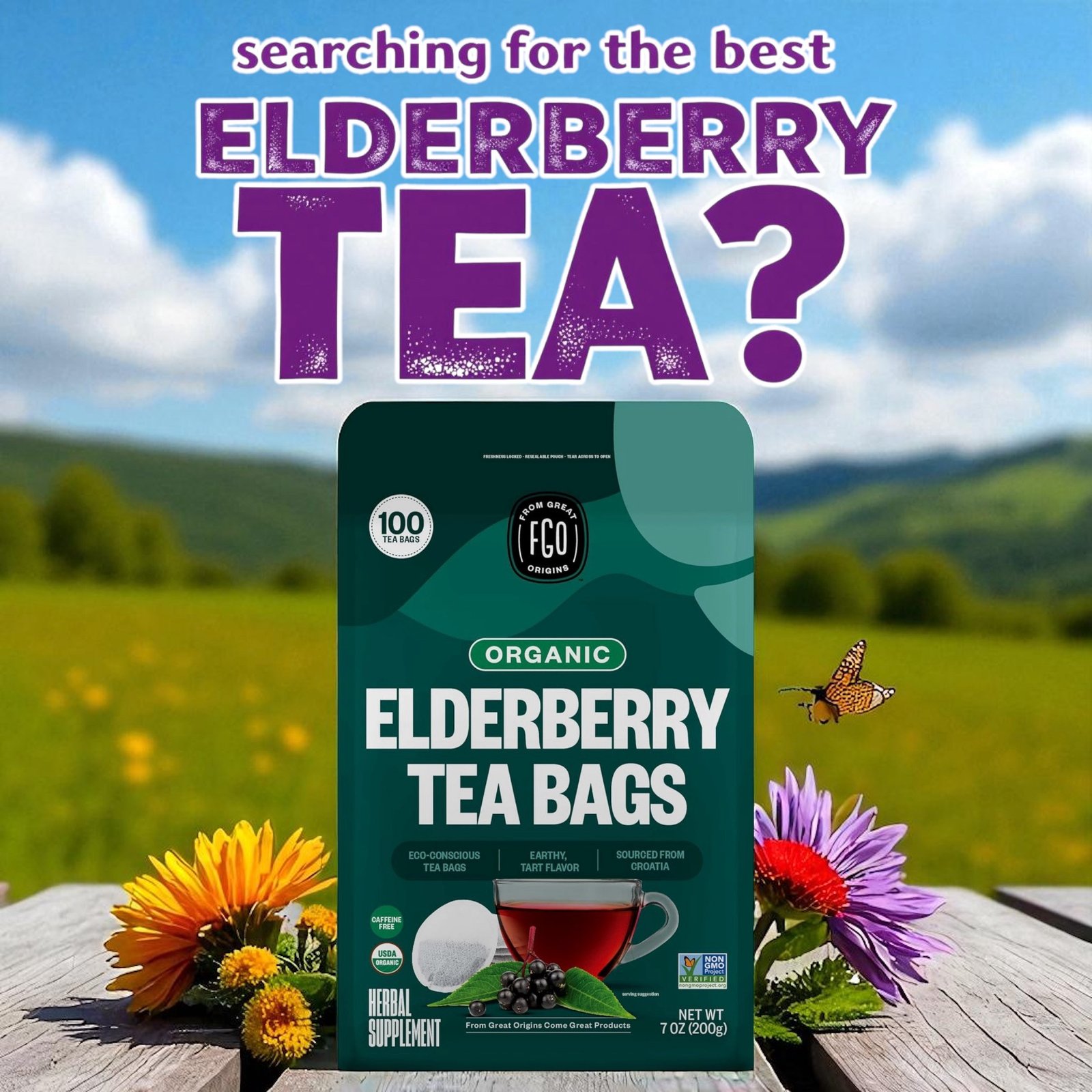
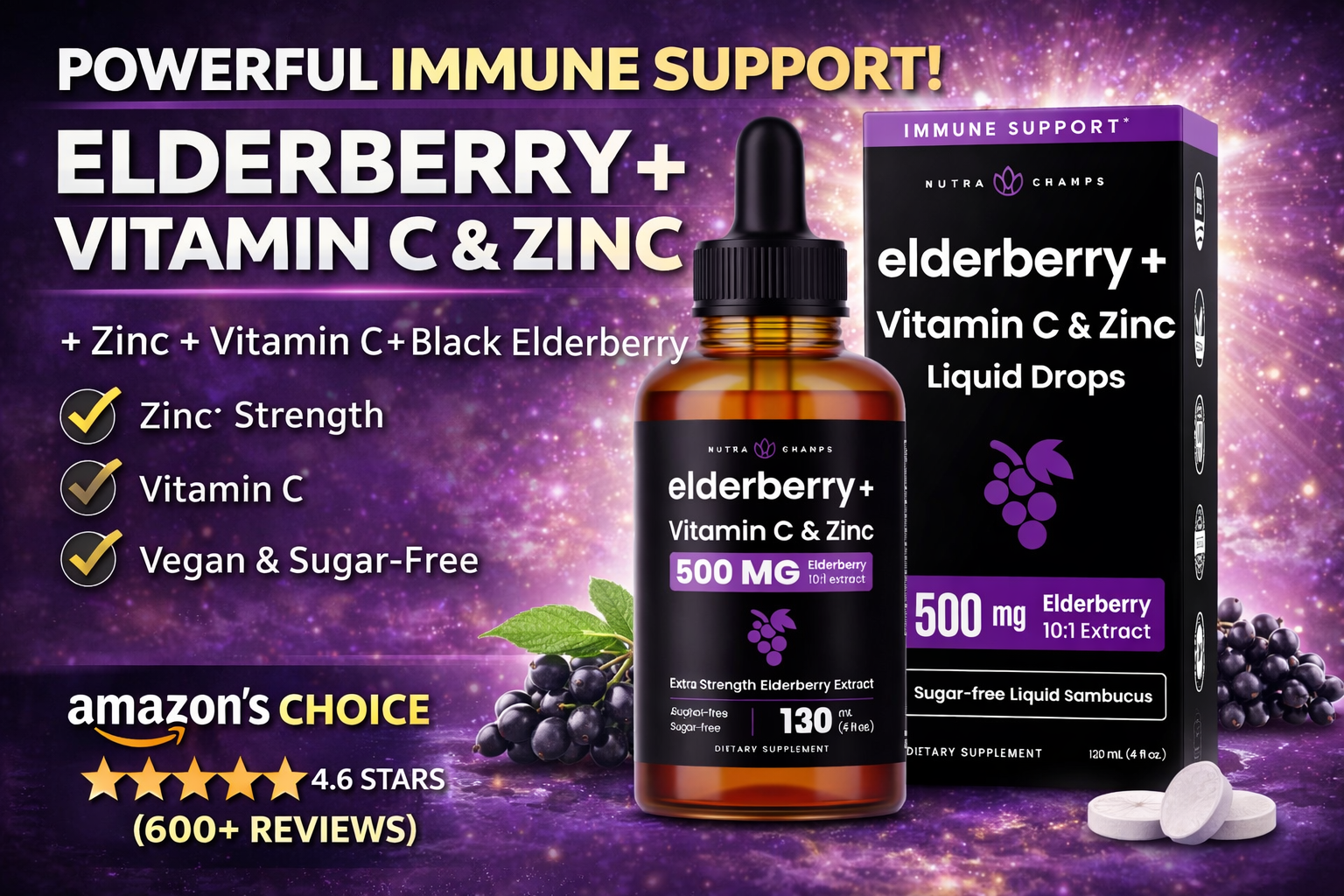
The NutraChamps Organic Elderberry Syrup Drops sugar-free formula works well for this age group — no honey, organic elderberry extract, concentrated enough to be meaningful at small doses, and mixable into drinks for toddlers who resist taking anything straight.
👉 Buy NutraChamps Sugar-Free Elderberry Drops on Amazon
What Not to Use
Standard adult elderberry syrups with honey — off limits under 12 months, and the dose is too high for young babies even if honey weren’t an issue.
Elderberry gummies — choking hazard and too much sugar for infants and young toddlers. Not appropriate until children can chew safely, typically around age 3–4.
Elderberry capsules — obviously not appropriate for babies.
Homemade elderberry syrup with honey — same honey rule applies to homemade. If you want to make your own for your baby, the honey-free elderberry syrup recipe is the version to use.

Elderberry Dosage for Babies and Toddlers
These are general guidelines. Always follow your specific product’s label and consult your pediatrician if you have any concerns. Age Daily Prevention During Illness 6–12 months ¼ tsp (1.25ml) honey-free only ¼ tsp twice daily — check with pediatrician 12–24 months ½ tsp (2.5ml) once daily ½ tsp twice daily 2–3 years ½ tsp (2.5ml) once daily ½ tsp three times daily 3–6 years 1 tsp (5ml) once daily 1 tsp twice to three times daily
The rule for introducing anything new to a baby: start at half the dose listed above. Wait 48 hours. Watch for any reaction — rash, unusual fussiness, digestive upset, any change that seems connected to the new supplement. If nothing notable happens, move to the standard dose.
Most babies and toddlers tolerate elderberry without any issues. But the cautious introduction approach is just good practice with any new supplement at this age.

What About Making Your Own Honey-Free Elderberry Syrup for Babies?
This is actually one of the best options for parents of infants — because you control every ingredient and the cost is a fraction of commercial options.
The process is identical to regular elderberry syrup except you substitute the honey with an alternative sweetener or skip sweetener entirely. Options that work well:
Maple syrup — safe for babies over 12 months, adds a mild sweetness that makes the syrup more palatable, doesn’t carry the botulism risk of honey
Vegetable glycerin — sweet, completely safe for babies, also acts as a mild preservative extending shelf life slightly. Widely used in infant-appropriate herbal preparations.
Unsweetened — elderberry syrup without any sweetener has a tart, earthy flavor most babies won’t love straight. Mixing into a small amount of apple juice or formula solves this completely.
Full honey-free syrup recipe: How to Make Elderberry Syrup Without Honey
If you want to make a batch from quality ingredients, the Elderberry Syrup Kit by Birds and Bees Teas gives you pre-measured organic elderberries and spices — just substitute the honey with maple syrup or glycerin when you make it.
👉 Buy the Elderberry Syrup Kit on Amazon
Does Elderberry Actually Help Babies With Colds?
The clinical research on elderberry has been conducted primarily in adults and older children — not infants specifically. So the direct evidence for babies is limited by the same problem that affects most supplement research in this age group: researchers don’t run clinical trials on infants.
What we do have: strong evidence that elderberry’s anthocyanins block viral cell entry and stimulate cytokine production — mechanisms that work at a biological level regardless of age. Traditional use of elderberry for children across multiple cultures spanning centuries. And a safety profile in older children that is consistently reassuring.
The practical picture most integrative pediatricians and herbalists describe: honey-free elderberry at appropriate infant doses is a reasonable addition to your baby’s cold season toolkit. It’s not a replacement for medical care when your baby is genuinely sick. But as a gentle immune support measure during the months when colds circulate, it has more going for it than most of what’s on the store shelf for this age group.
For the complete research breakdown on elderberry’s effectiveness: Does Elderberry Really Work for Colds and Flu
Other Safe Ways to Support Your Baby’s Immune System
Elderberry is one tool. Here are the others that matter alongside it:
Breastfeeding. If you’re breastfeeding, your milk is actively passing immune factors — antibodies, beneficial bacteria, immune-modulating compounds — directly to your baby. This is the most potent immune support available for infants. If you’re taking elderberry yourself while breastfeeding, you’re supporting your own immune function which indirectly benefits your baby through milk.
Probiotic drops. Infant-specific probiotic drops are one of the most research-supported interventions for infant immune health. The gut-immune connection is well established — over 70% of immune function originates in the gut, and supporting your baby’s developing gut microbiome has documented benefits. The gut immune connection is worth understanding as a parent.
Saline nasal drops. Not immune support per se but practically the most useful thing for a congested infant who can’t breathe through their nose to eat or sleep. Safe from birth, no restrictions.
Humidifier. Moist air keeps nasal passages from drying out and helps babies sleep more comfortably when congested.
Hand washing. The most evidence-backed infection prevention measure available. Your hands, anyone who handles your baby, and eventually your toddler’s hands — washing frequently makes a measurable difference in how often babies get sick.


When to Call Your Pediatrician Instead
Elderberry is appropriate for healthy babies with mild cold symptoms. It is not appropriate as a substitute for medical care in the following situations:
Any fever in a baby under 3 months — this is a medical emergency regardless of cause. Call your doctor immediately.
Fever above 102°F in babies 3–6 months.
Signs of difficulty breathing — rapid breathing, nostrils flaring, the skin between ribs pulling in with each breath.
Refusal to eat or drink for more than a few hours.
Unusual lethargy — more than typical sick tiredness, difficulty waking, limpness.
Symptoms that are worsening rather than improving after 3–4 days.
Elderberry is a supplement for healthy babies navigating normal cold season illness. For anything beyond that, your pediatrician is the right call — not more elderberry.
Frequently Asked Questions
Can I give my 3-month-old elderberry?
No. Under 6 months, elderberry supplements are not recommended. Breast milk or formula is the appropriate immune support for this age group. Consult your pediatrician for any illness concerns at this age.
Can babies have elderberry syrup from the grocery store?
Almost certainly not — most commercial elderberry syrups contain honey, which is not safe for babies under 12 months. Always check the ingredient list. If honey appears anywhere on the label, it’s not appropriate for infants.
My baby is 8 months — what elderberry product is safe?
Honey-free liquid elderberry drops formulated for infants at a very small dose. The NutraChamps sugar-free drops are an appropriate format. Start with a quarter teaspoon and observe for 48 hours. A quick call to your pediatrician before starting is always reasonable.
Is there elderberry syrup specifically made for babies?
Some brands make infant-specific formulations that are honey-free and lower concentration. Look specifically for “infant” or “baby” on the label, honey-free on the ingredient list, and clear dosing guidance for your baby’s age.
Can I take elderberry while breastfeeding?
Most practitioners consider elderberry at standard adult doses appropriate while breastfeeding. The precautions specific to pregnancy — particularly first trimester concerns about immune stimulation — don’t apply post-delivery in the same way. Full breakdown: Elderberry and Pregnancy — Is It Safe
What if my baby accidentally had elderberry syrup with honey in it?
One small accidental exposure is unlikely to cause infant botulism — the risk is from regular consumption, not a single incident. That said, call your pediatrician and describe what happened. They’ll advise whether any monitoring is needed based on the amount involved and your baby’s age.

One Thing Worth Remembering Before You Close This Tab
The honey rule is the whole story here. Elderberry itself is not the concern for babies — it’s the delivery vehicle that most commercial products use. A honey-free elderberry product flips the conversation entirely for babies over 6 months.
Check the label. Look for honey-free. Start small. When in doubt, call your pediatrician — not because elderberry is dangerous but because your specific baby’s health history always matters more than general guidelines.
Cold season with a baby is hard. Having the right things in the cabinet makes it a little more manageable.

About the Author
Sarah Callahan is a certified herbalist and mother of three who has spent over a decade researching and writing about natural family health. She holds a certificate in herbal medicine from the American Herbalists Guild and contributes regularly to ElderberryPro.com. She has been through cold season with an infant and knows exactly how helpless it feels — and what actually helps.
As an Amazon Associate we earn from qualifying purchases through some links in our articles.